
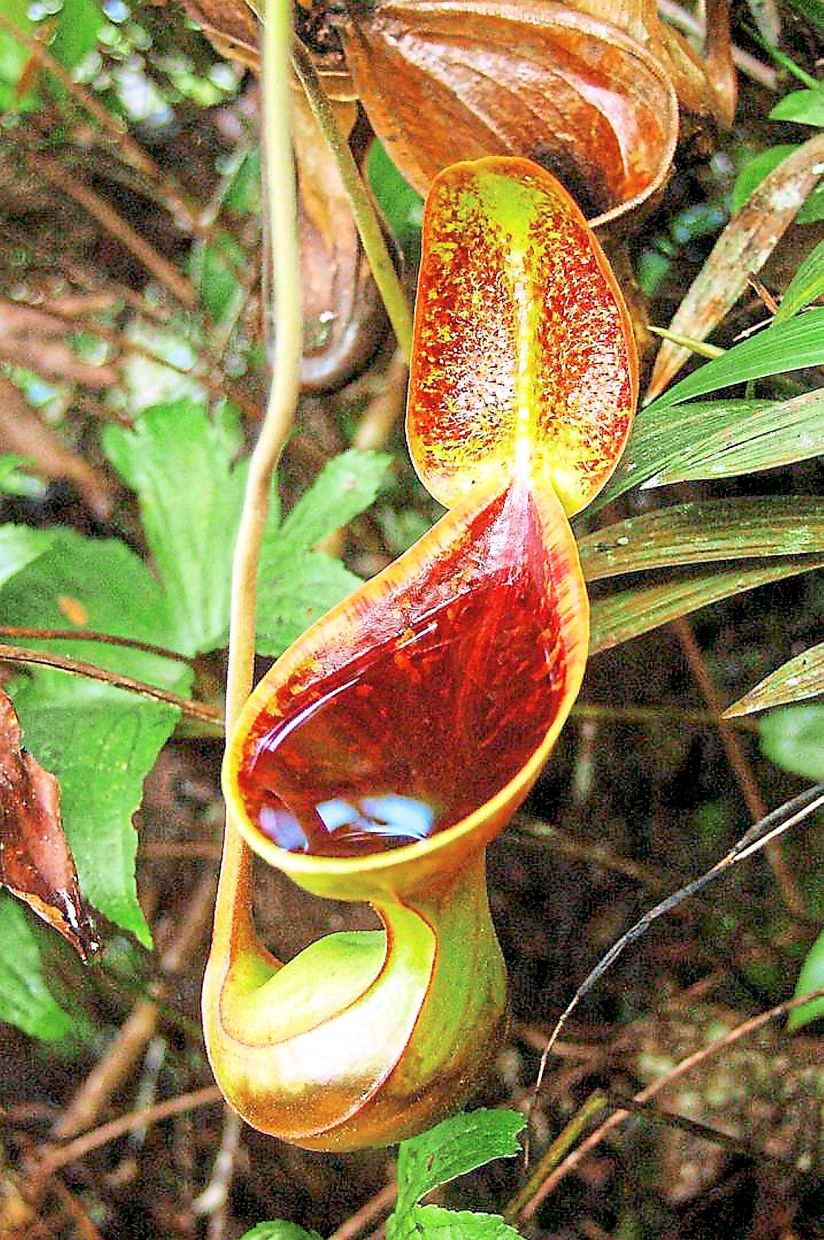
Protect symbol of Sabah’s biodiversity, urge groups
KOTA KINABALU: The highly adaptable pitcher plant is facing threats in Sabah, with seven species listed as threatened on the International Union for Conservation of Nature Red List.
Conservation groups have called for more research and protection for the plant.
Sabah chief conservator of forests Datuk Frederick Kugan said pitcher plants or monkey cups are a genus of carnivorous plants with over 160 species worldwide.
Twenty-five of the species are found in Sabah, of which eight are endemic to the region, he added.
Kugan said the pitcher plant exhibits diverse growth forms as climbing vines, shrubs or epiphytes that grow on the ground, rocks and trees.
He said certain species can also grow abundantly, colonising an area and forming a dense carpet of pitchers scrambling across the ground or a curtain of pitchers hanging from trees, creating a picturesque forest landscape.
“Despite their remarkable adaptations, many of Sabah’s pitcher plants face increasing threats, and there is an urgency for conservation efforts to protect their habitats, promote sustainable practices and support scientific research.
“Collaboration among conservationists, researchers, policymakers and local communities is key to safeguarding the pitcher plants as symbols of the state’s rich biodiversity,” he said.
Kugan said research undertaken by the Sabah Forestry Department focuses on biodiversity preservation, understanding threats and developing conservation strategies.
He said the pitcher plant, scientifically known as Nepenthes, is gaining popularity globally due to its unique cup structure that “eats” insects and small animals.
The pitchers vary in colour, shape and size, ranging from 5cm to a remarkable 45cm, he added.
He said Sabah’s diverse landscapes, ranging from tropical rainforests to montane habitats, provide ideal conditions for the plant, and many scientists consider the local species to be among the most iconic and well-characterised worldwide.
The world’s largest pitcher plant, Nepenthes rajah, is only found in Mount Kinabalu and its surrounding highlands.
This species, which stores up to 3.5 litres of liquid, has been observed to trap not just insects but also small mammals like rats.