KOTA KINABALU: Sabah's native court system, which predates formal governance and has long served the community, requires reforms to ensure its continued relevance and effectiveness.
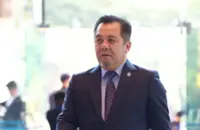
Addressing concerns at a Chinese New Year dinner at the Hakka Hall here on Wednesday (Feb 5), Deputy Chief Minister Datuk Seri Dr Joachim Gunsalam highlighted the long-standing role of native courts in administering customary laws among Indigenous communities alongside other legal frameworks.
“The native courts existed before the establishment of a formal government. Many of the ordinances were introduced by the British and are now outdated.
“We are looking into ways to refine and modernise them to ensure they serve all communities fairly,” the Parti Bersatu Sabah’s acting president told the media.
He said these courts have both Muslim and non-Muslim judges with distinct judicial structures in different regions.
"In Muslim-majority areas, native courts function separately from the Shariah Court but still uphold traditional customs," he explained while responding to public concerns over the engagement of Muslims as judges in Native Courts that sometimes impose sogit (customary penalties) involving livestock including pigs which is more prevalent in non-Muslim areas.
He emphasised the significance of preserving these customs while aligning them with modern legal standards.
A preliminary report on native court reforms has been completed by the Sabah Council of Native Affairs, led by Dr Benedict Topin, but Dr Gunsalam, who is also state Housing and Local Government Minister, said this is only the beginning of a comprehensive review process.
Further research and consultations are required, especially regarding the roles and responsibilities of Ketua-Ketua Adat (customary leaders) within the legal framework, he said.
“This reform process cannot be rushed. It requires careful study and thorough planning before being formally presented for consideration,” he added.
He stated that the Sabah government is committed to strengthening the native court system, ensuring it remains a crucial and fair institution for all indigenous communities.