IN Indian Prime Minister Narendra Modi’s 2025 independence day speech, he gave his most forceful nod yet to the organisation that moulded him from a young boy and continues to shape India: the Rashtriya Swayamsevak Sangh, or RSS.
Founded in 1925, the RSS began as a nationalist movement seeking to revive Hindu pride after centuries of foreign rule.
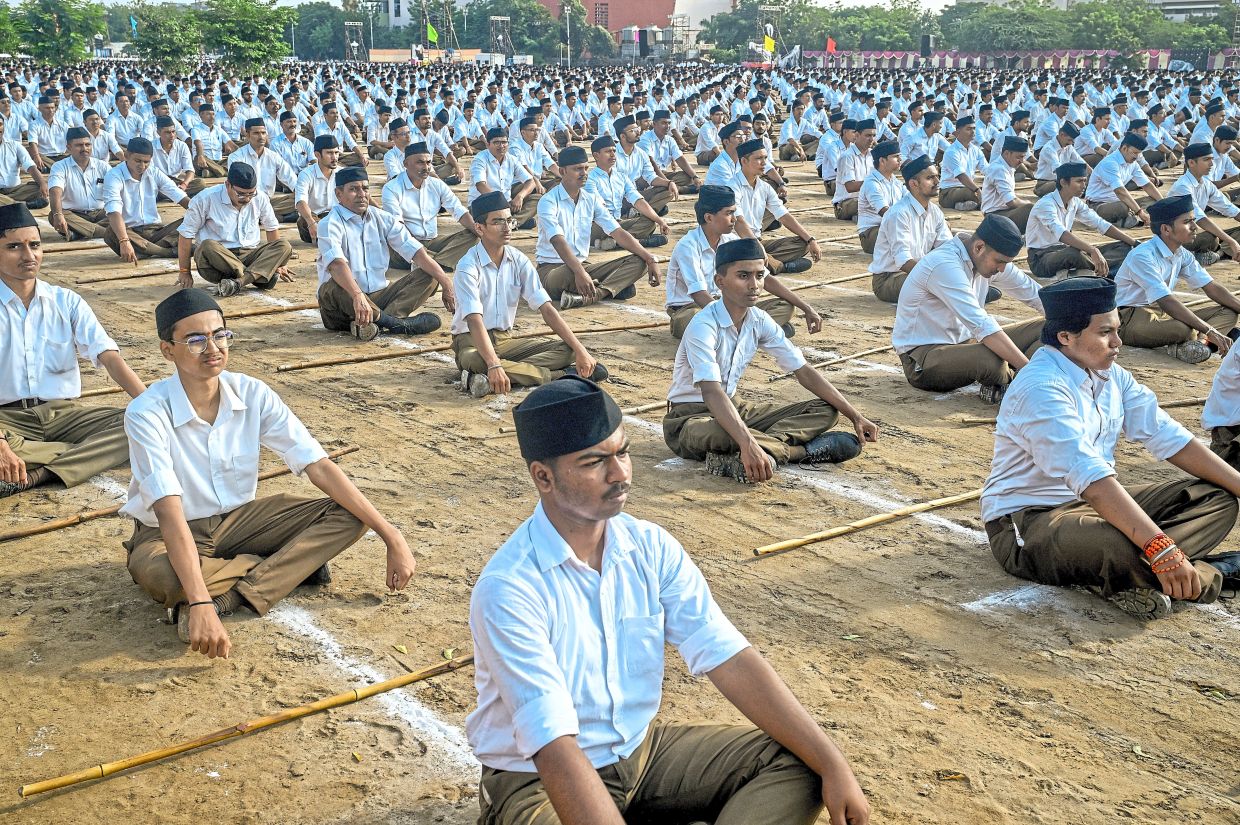
Its early leaders drew inspiration from nationalist and fascist movements in Europe, but over the decades, it survived repeated bans, scandals and accusations – including links to Mahatma Gandhi’s assassination – to become the world’s largest right-wing network.
More than a decade of Modi at the helm of India’s government has brought the RSS unprecedented influence, normalising its role in politics, institutions and society.
While tensions occasionally flare between the prime minister and the organisation, the RSS has effectively embedded itself in government, courts, police, media, education and civil society – and its deep roots suggest it will remain powerful long after Modi leaves office.
Through a vast web of affiliates, the RSS trains and positions members to influence everything from student unions to professional associations, while offering young men a path to relevance and leadership.
Though it cultivates an air of secrecy, it has been increasingly visible in recent years, shaping elections, policy decisions and the careers of key politicians.
As Modi’s Bharatiya Janata Party (BJP)dominates elections, it is the RSS’ organisational muscle at work.
RSS affiliates also patrol public life at a local level, enforcing its vision of Indian identity.
Political dominance has sharpened India’s divisions along religious and cultural lines, framing the nation’s minorities as outsiders in a predominantly Hindu state.
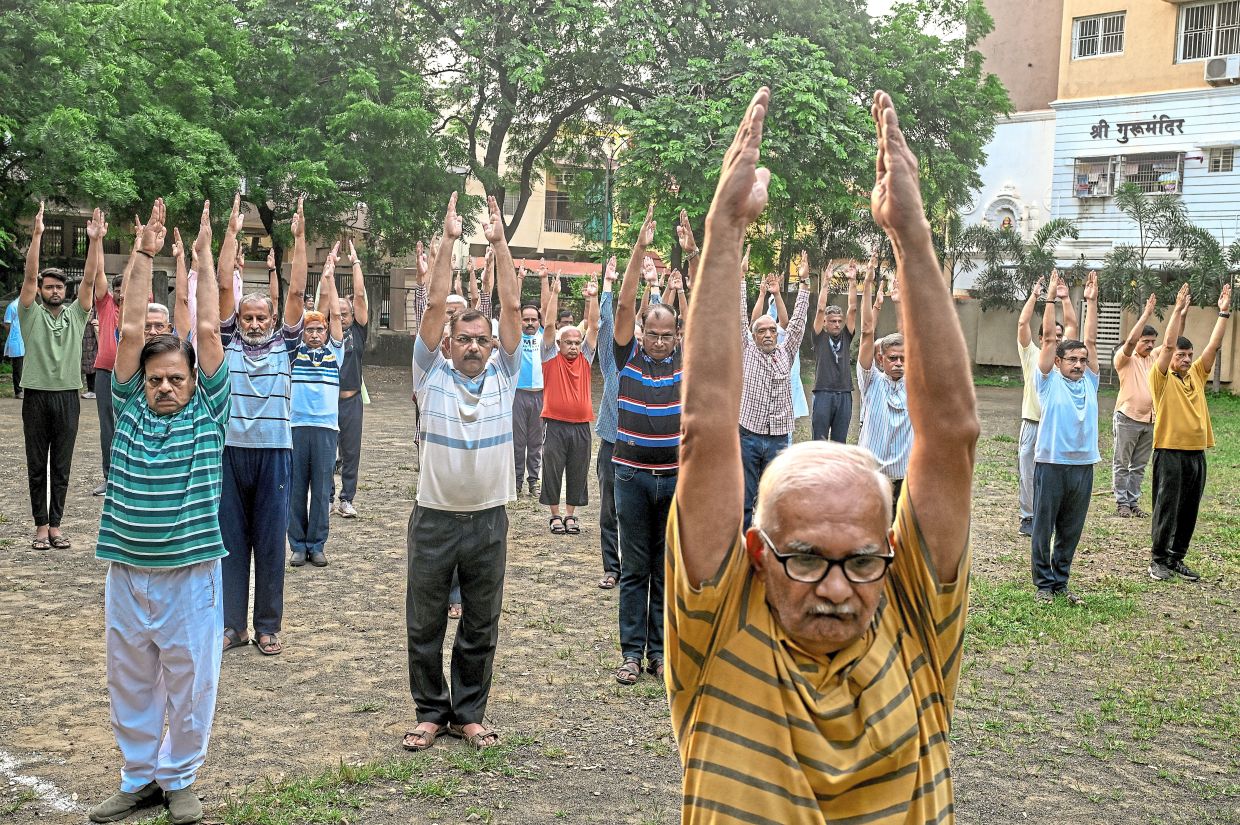
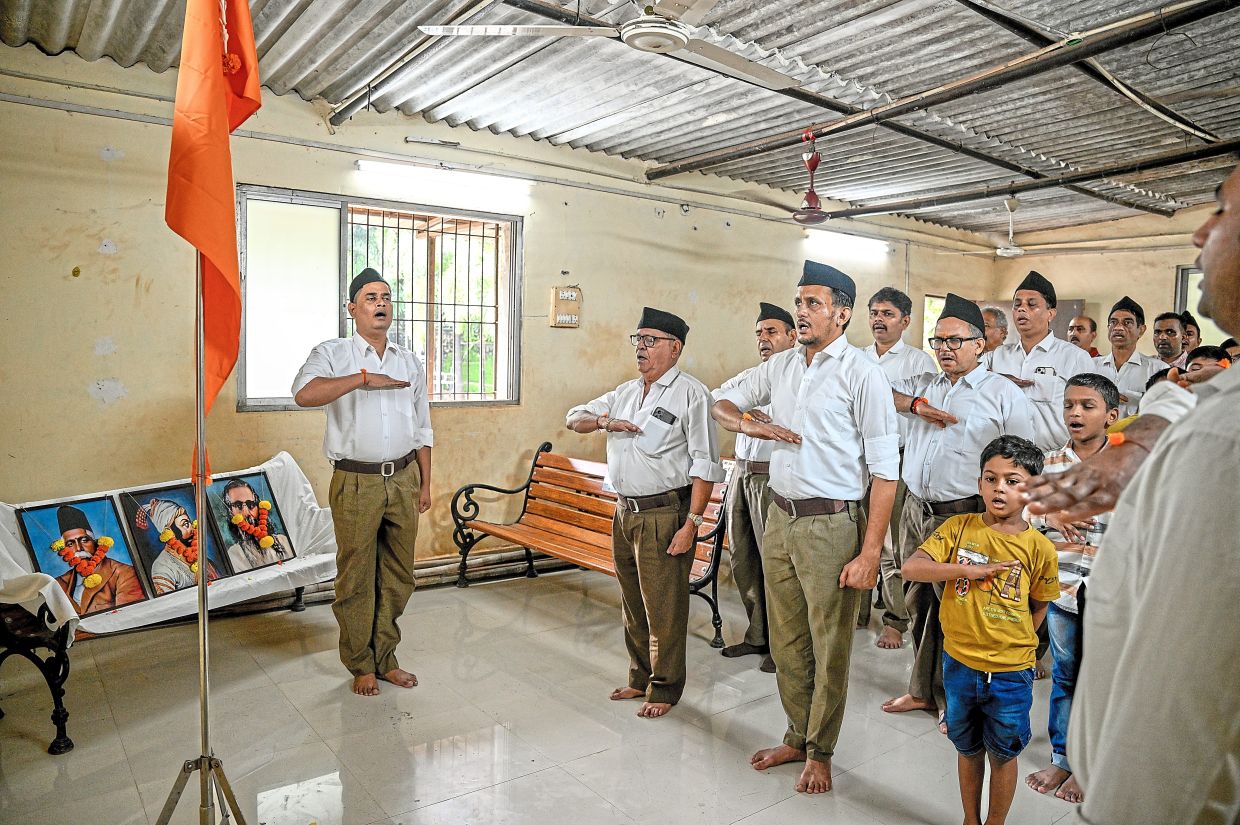
Each morning in cities across India, thousands of men gather in local parks, braving early hours and rain, to attend RSS shakhas – community units that are the organisation’s foundational cells.
Members range from property dealers to retired officers. Their sessions include physical drills, communal songs and disciplined routines, all conducted under the saffron flag.
These shakhas, which now number more than 83,000 across the country, serve as recruiting pools and leadership incubators.
They instil habits, build camaraderie and reinforce the organisation’s worldview.
Recruits then feed into its network of affiliated organisations, expanding the RSS’ reach into education, trade, farmers’ groups and community charities.
“For the past 100 years, our volunteers have consistently sustained this system in all kinds of circumstances,” said Mohan Bhagwat, the RSS’ current chief.
Researchers have described the RSS as a tightly-networked entity with hundreds of affiliated organisations, each tied to a central executive.
The RSS’ early vision sought to define India as a Hindu nation, at odds with the secular republic envisaged by leaders like Gandhi.
While initially constrained by a liberal independence movement, the organisation gradually inched into politics, launching a political wing in the 1950s that later evolved into today’s BJP.
Its first national breakthrough came in the 1970s.
When Prime Minister Indira Gandhi suspended democracy in 1975 to maintain power, her crackdown on the RSS and other groups generated sympathy, expanding its influence.
Many families who had supported other parties shifted their allegiance.
The 1990s brought a second pivotal moment. A contested religious site in Ayodhya became the focus of a campaign that united the Hindu right, and the issue was leveraged to mobilise supporters and influence elections.
The movement sought to unify diverse Hindu communities under a common identity and its mobilisation tactics – both organisational and political – cemented its role in national politics.
The RSS first tasted government influence in the late 1990s through coalition politics, but it wasn’t until Modi became prime minister in 2014, with a clear majority, that its agenda was fully realised.
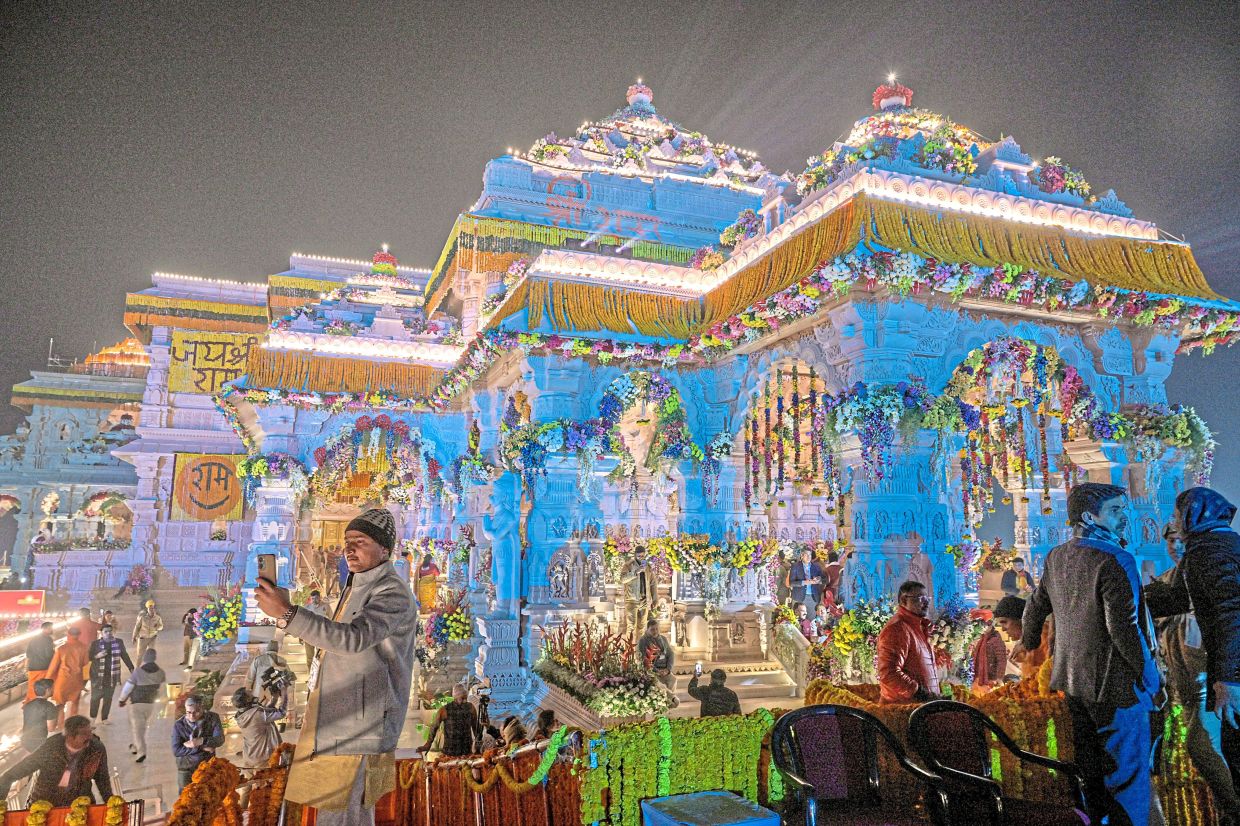
Under Modi, policies aligned closely with the RSS’ vision, including major projects like the Ram temple in Ayodhya and the integration of Jammu and Kashmir under New Delhi’s direct control.
The RSS operates with little transparency, spreading resources across multiple independent outfits, trusts and affiliates.
It has infiltrated nearly every aspect of Indian life – education, trade, cultural initiatives, politics – without maintaining detailed public records.
“Nothing is owned by the RSS,” said Dr Nishith Bhandarkar, a leader in Mumbai. “We just have the people.”
Its influence is also generational.
Modi himself began attending shakhas as a boy and became a full-time organiser in his youth, before rising through the BJP ranks.
Today, the RSS continues to train leaders who take up roles across its vast network, creating a durable pipeline of influence.
The group’s public stance has softened over time, promoting an inclusive version of majoritarian rule, but local affiliates often pursue more extreme actions, amplifying social and political divisions.
Its mobilisation and communication strategies – from WhatsApp groups to high-profile events – maintain both discipline and reach.
RSS leaders have leveraged their organisational strength to expand membership and consolidate political power.
Over the past decade, its presence doubled, with new campuses and facilities, including a 1.5ha campus in New Delhi.
Bhagwat travels with a security detail rivaling the prime minister’s.
Even as Modi projects his personal brand, the RSS remains the backbone of the Hindu nationalist movement.
Leaders maintain subtle influence over education and cultural policy, ensuring the organisation’s principles guide India’s governance.
“There is struggle,” Bhagwat said of the RSS’ relationship with Modi, “but not quarrel”.
Looking ahead, the RSS aims to sustain its reach, expand its affiliates and continue shaping India’s political and social landscape.
With a century behind it and unprecedented access to state power, its vision of India – and its capacity to achieve it – is firmly embedded in the country’s institutions. — ©2026 The New York Times Company
This article originally appeared in The New York Times