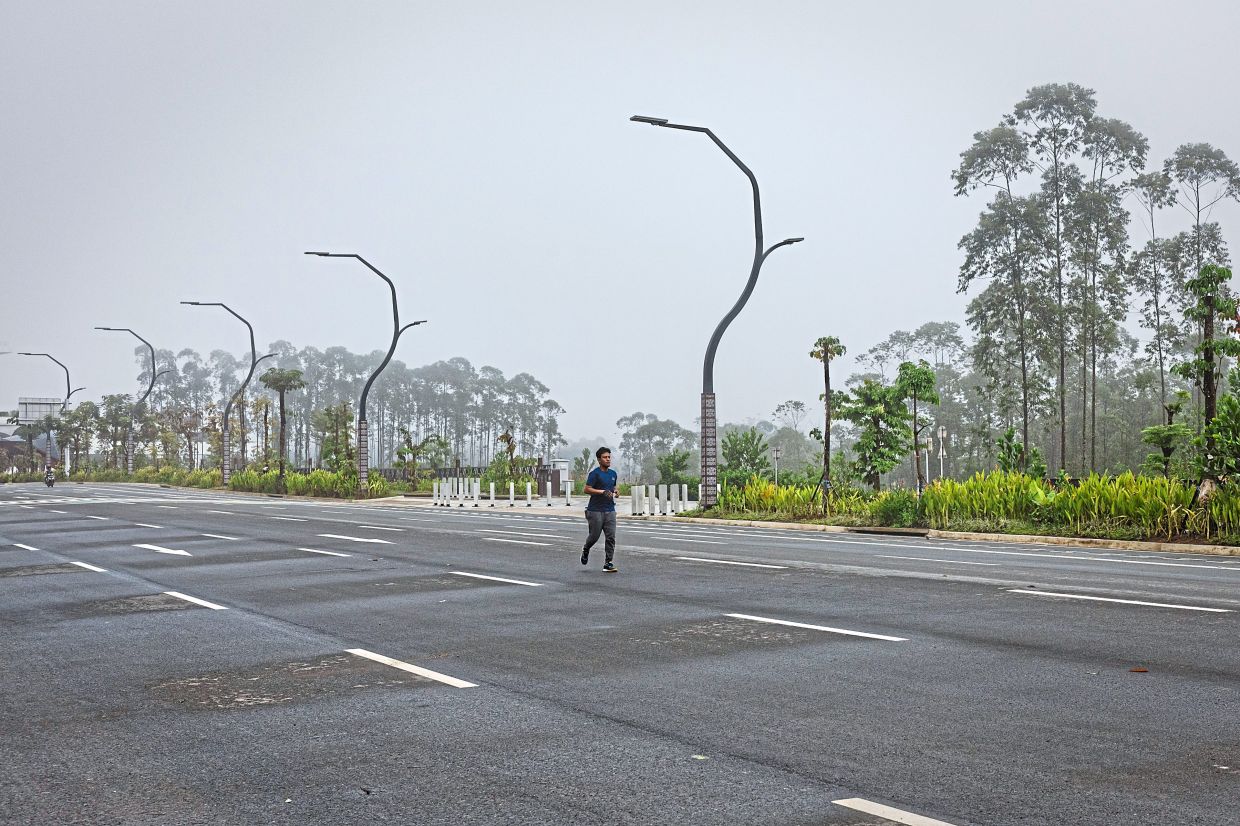
IN a remote corner of the island of Borneo, a runner breezed down the middle of a freshly-paved six-lane road.
There was no traffic.
Nearby, a gigantic eagle-like bird, made of thousands of copper bars, perched on a hill.
This is the heart of Nusantara – a new, green metropolis rising from the forest in Indonesia.
But three years after officials broke ground, the prospects of what was billed as Indonesia’s future capital are cloudy.
Only a fraction of the civil servants who were expected to move in have done so.
The future of the water supply is in doubt. Residents still have to commute for hours to reach a mall or a cinema.
Many Indonesians now call it a ghost city.
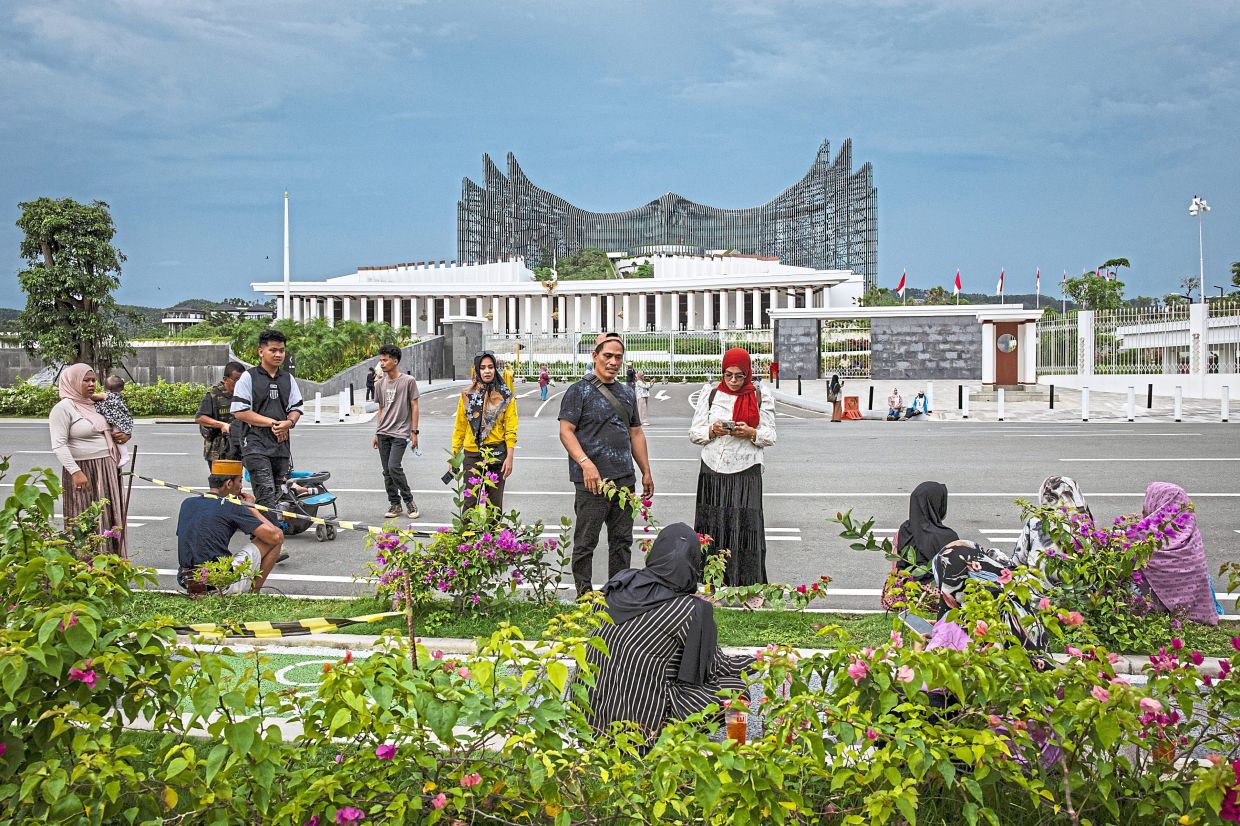
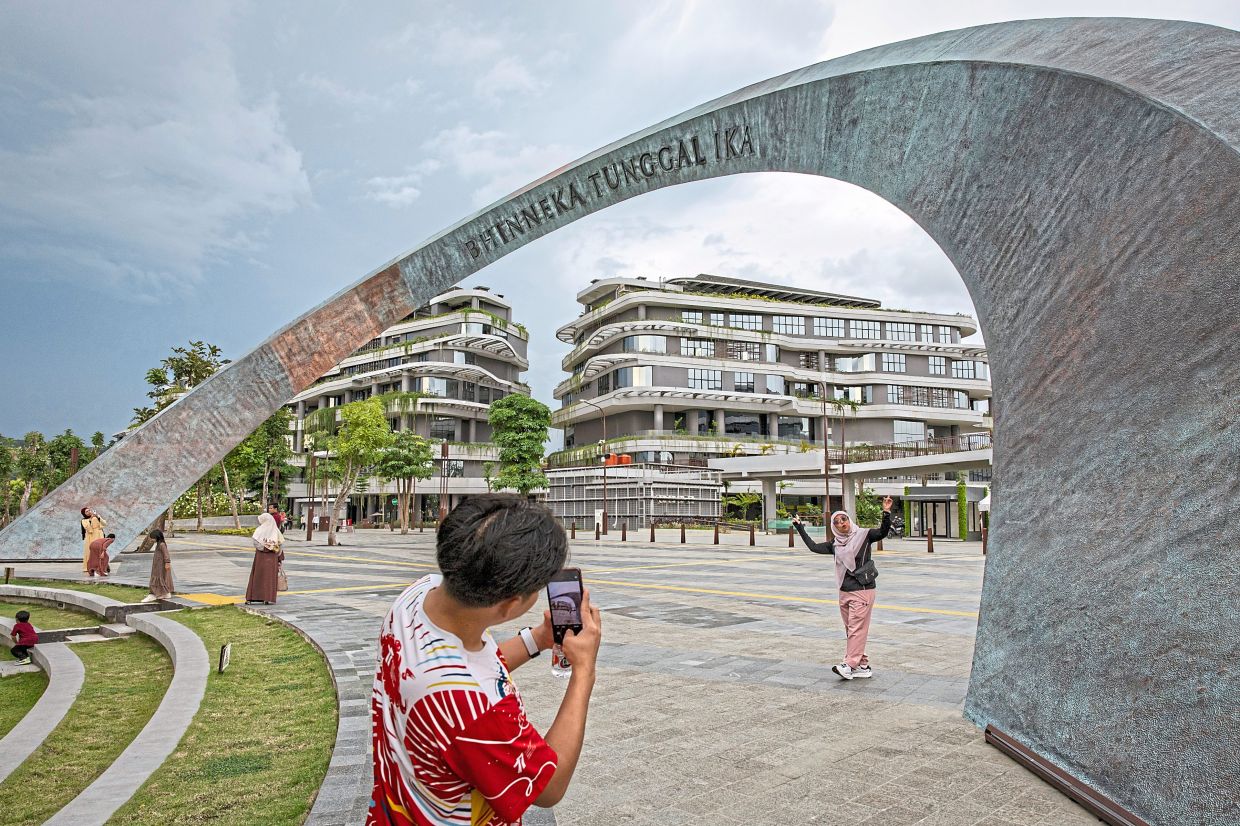
Still, tourists regularly visit Nusantara, many filming TikTok videos of themselves in front of the 76m-tall and nearly 183m- wide Garuda monument depicting the mythical bird that is Indonesia’s national symbol.
Most drive in from neighbouring cities in East Kalimantan province. Others fly to the airport in Balikpapan, a two-hour drive away.
As for the city’s residents, many are young transplants from across Indonesia who see themselves as pioneers of a new way of urban life.
Fachri Syamdoni Nawik, 26, a data consultant, moved last March.
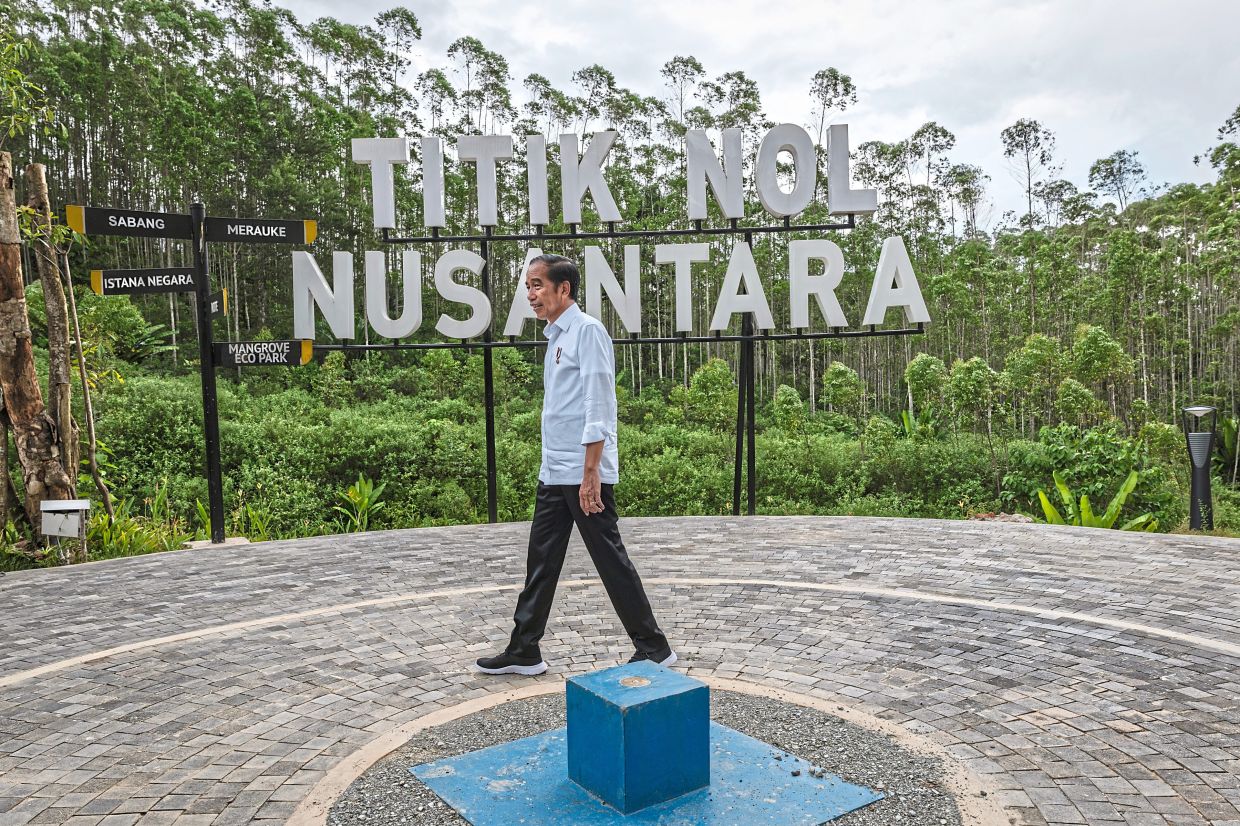
“It’s cool to be the history maker, right?” he said.
Nusantara aims to be a “10-minute city”, where anyone should be able to reach their destination within 10 minutes by walking, cycling or public transport.
Residents ride electric shuttle buses and are permitted to drive only cars deemed to be environmentally friendly.
It is a revolutionary concept for Indonesians raised amid the traffic vortex of Jakarta, the current capital.
“I had never seen any part of Indonesia like this before,” said Adji Pramono, 48, assistant director for food and beverage at the Swissotel Nusantara.
Born and raised in Jakarta, Adji said he would never return to work there, where he once had to wake up at 4am to reach the office by 8am.
“It’s like I met people every day, and they were always angry,” he said.
The vibe in Nusantara, he added, is different.
The city was central to a pitch by Joko Widodo, when he was president, to move the capital 1,290km away from Jakarta, which is sinking into the Java Sea.
Nusantara means “archipelago” in old Javanese, a nod to Indonesia’s diversity.
Critics say the city, estimated to cost about US$30bil, symbolises the hubris of Joko, who launched numerous infrastructure projects, including a debt-ridden high-speed rail line on Java.
His successor, Prabowo Subianto, has yet to visit Nusantara since taking office and has cut the development budget.
Recently, Prabowo appeared to cast doubt on the city’s future, saying it would continue only as a “political capital”.
Chrestian Pesik, the Swissotel’s general manager, said nine foreign ambassadors had stayed at the hotel recently and were exploring the possibility of opening embassies.
“People who don’t know the journey of this city might close their eyes and say, ‘This is going to be a ghost city,’” said Chrestian, 40. “But when they come here, they can feel that the city is growing.”
Asked what people do for fun, he laughed. “We run!”
The day I arrived, organisers were wrapping up a 50km trail race.
Nusantara, known as Ibu Kota Nusantara or IKN in Indonesia, has become the default venue for many races in East Kalimantan.
Part frontier outpost, part campus town, it remains unclear whether Nusantara will grow into the metropolis Joko envisioned.
Officials say its population is about 155,000, but the area surrounding the Garuda monument and the new presidential palace is home to only about 10,000 people – most of them construction workers.
Nusantara is projected to cover nearly 2,600sq km, roughly twice the size of Los Angeles.
For now, much of it is trees. Vast empty spaces dominate.
Restaurant and grocery options are limited, though a traditional market is being built. And for all its greenery, there is little shade, making the mid-afternoon heat unbearable.
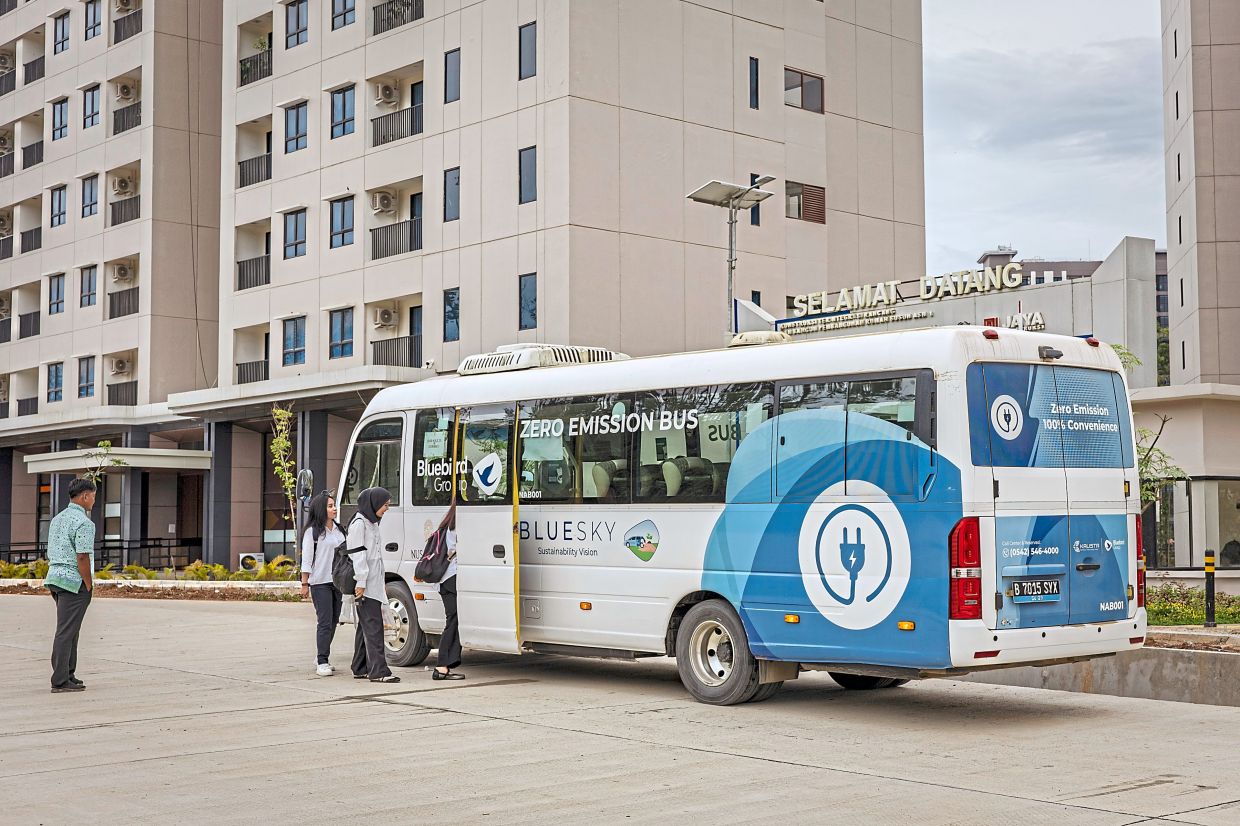
Electricity comes from a mix of solar power and the grid, though the long-term goal is to run fully on clean energy.
Putri, 23, a civil servant with a degree in electrical engineering, moved to Nusantara in June.
She said she made friends easily – “Most of us are in our 20s!” – and never gets bored, thanks to food festivals and monthly tree-planting events.
Many residents say their quality of life is better here.
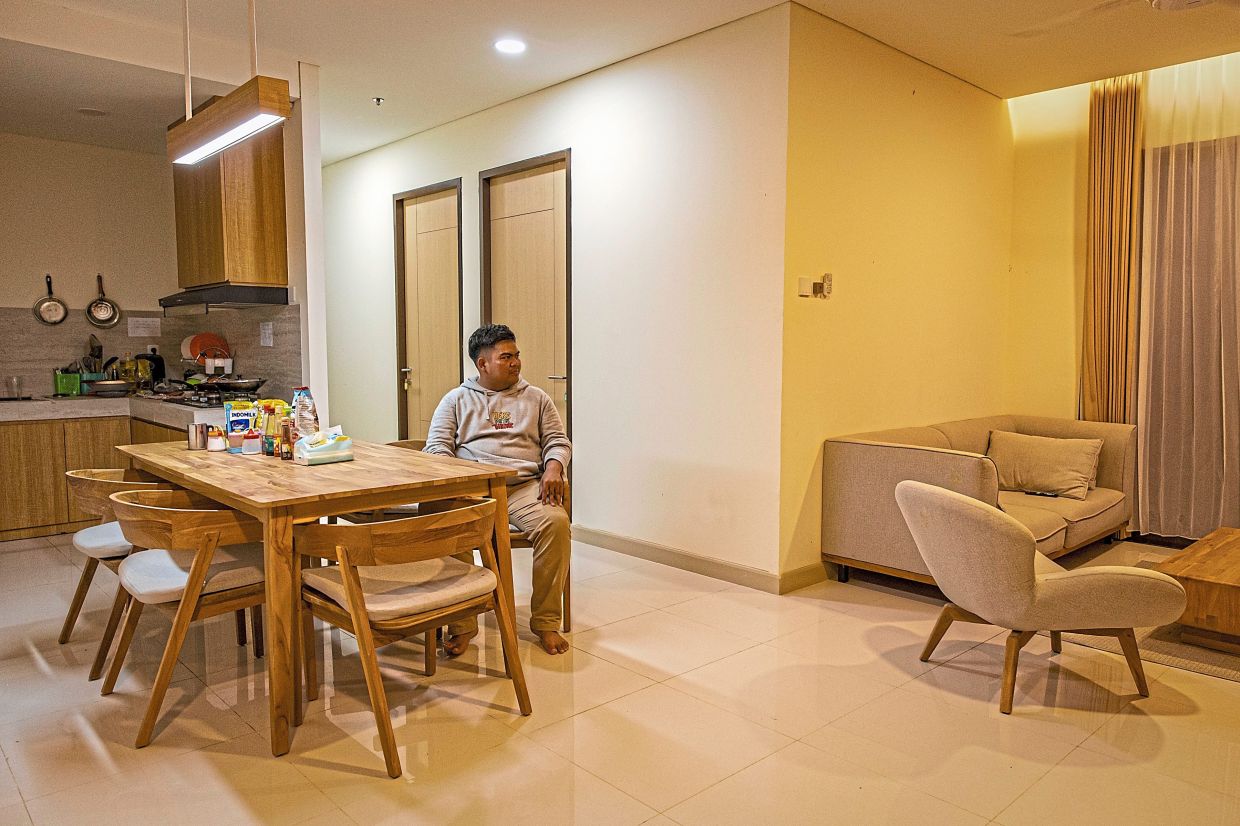
Fachri said he lives rent-free in a 10th- floor government-provided apartment, complete with a flat-screen television, Netflix and, for the first time, air conditioning in his bedroom.
Outside, there are three bins for separating rubbish.
He described it as the nicest place he has ever lived.
Downstairs are a gym and facilities for football and table tennis.
Nusantara wants to be “livable and lovable”, according to its visitor centre.
Critics argue that ambition comes at an environmental cost.
Conservationists say thousands of hectares of mangroves – habitat for the endangered proboscis monkey – have been destroyed.
The toll road linking the city to Balikpapan has cut off water sources and contributed to flooding there, said Mappaselle, head of the Balikpapan Coastal Working Group.
He said officials had not released an environmental impact assessment.
Bambang Susantono, head of the Nusantara Capital City Authority until his resignation in 2024, said Joko pushed to complete much of the construction before leaving office, but he worried that accelerating the timeline could backfire.
He pointed to Brasilia, Brazil’s capital that was completed in 1960 and is now surrounded by slums.
“Developing a city is developing a community, not only the physical things,” he said. “Otherwise, you’ll end up with a city without a soul.”
Water remains a looming concern.
The dam on the Sepaku River means the city is “safe until 2030”, Bambang said.
Beyond that, another dam or new pipelines would be needed.
On a recent Monday evening, tourists posed for photographs in the parks.
Among them was Puput Rianti, 23, taking wedding pictures with her fiance.
She travelled from Penajam, 50km away, and said she would love to live here.
“We want to feel the progress,” she said.
Across the city, cranes continued to swing.
Andrinof Chaniago, Indonesia’s former minister for national development planning, who initiated the capital relocation, dismissed doubts about the project’s fate.
“It’s impossible to turn back now,” he said. “Cancelling it would only waste everything that’s already been built.” — ©2026 The New York Times Company
This article originally appeared in The New York Times