




“CATCH them young” – nothing captures the urgency of preserving and conserving a naturally- and archaeologically-rich area like the Lenggong Valley than the tagline of the fungi awareness workshops held by a team of academics and students from the Institute of Ocean and Earth Sciences, Universiti Malaya.
Headed by Prof Dr Siti Aisyah Alias, the Catch Them Young programme is part of their Pewaris project, which specifically focuses on the conservation of the fungi ecosystem of the valley through citizen scientist programmes, publications and exhibitions.
Pewaris stands for Pemeliharaan Warisan Biologi Lembah Lenggong Melalui Pemerkasaan Komuniti, or the preservation of Lenggong Valley’s biological heritage through community empowerment.
The Catch Them Young programme in particular aims at creating “junior fungi guardians” among primary school pupils through hands-on activities and fun learning sessions that share the wonders of the organism, and hopefully inspire them to appreciate and protect their biological heritage.
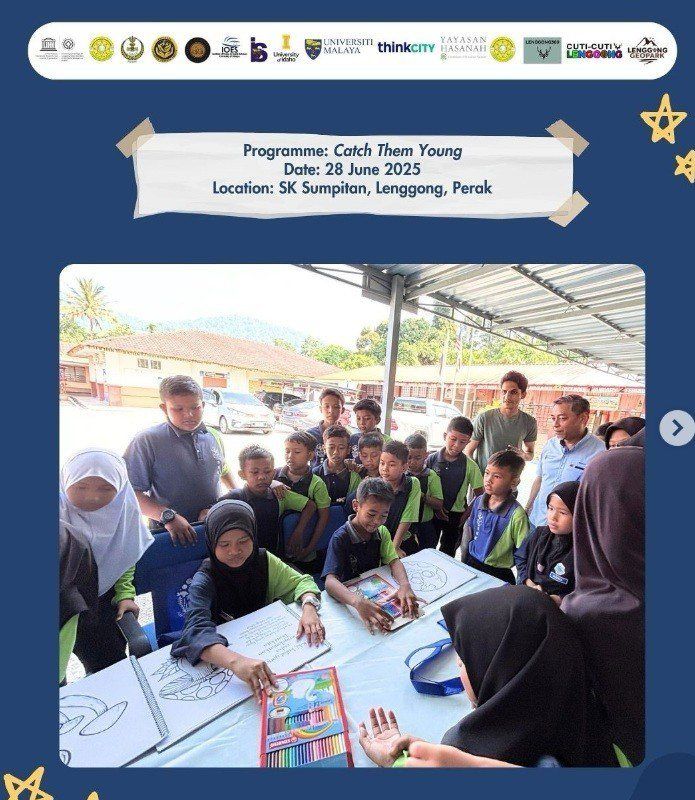
It is important to empower the young through environmental education and biodiversity awareness, says Prof Siti Aisyah.
“Fungi are a diverse group of organisms, including yeasts, moulds and mushrooms. This group of organisms plays an important role in the functioning of the Lenggong Valley ecosystem, as well as having potential in various fields such as medicine, agriculture and biotechnology.”
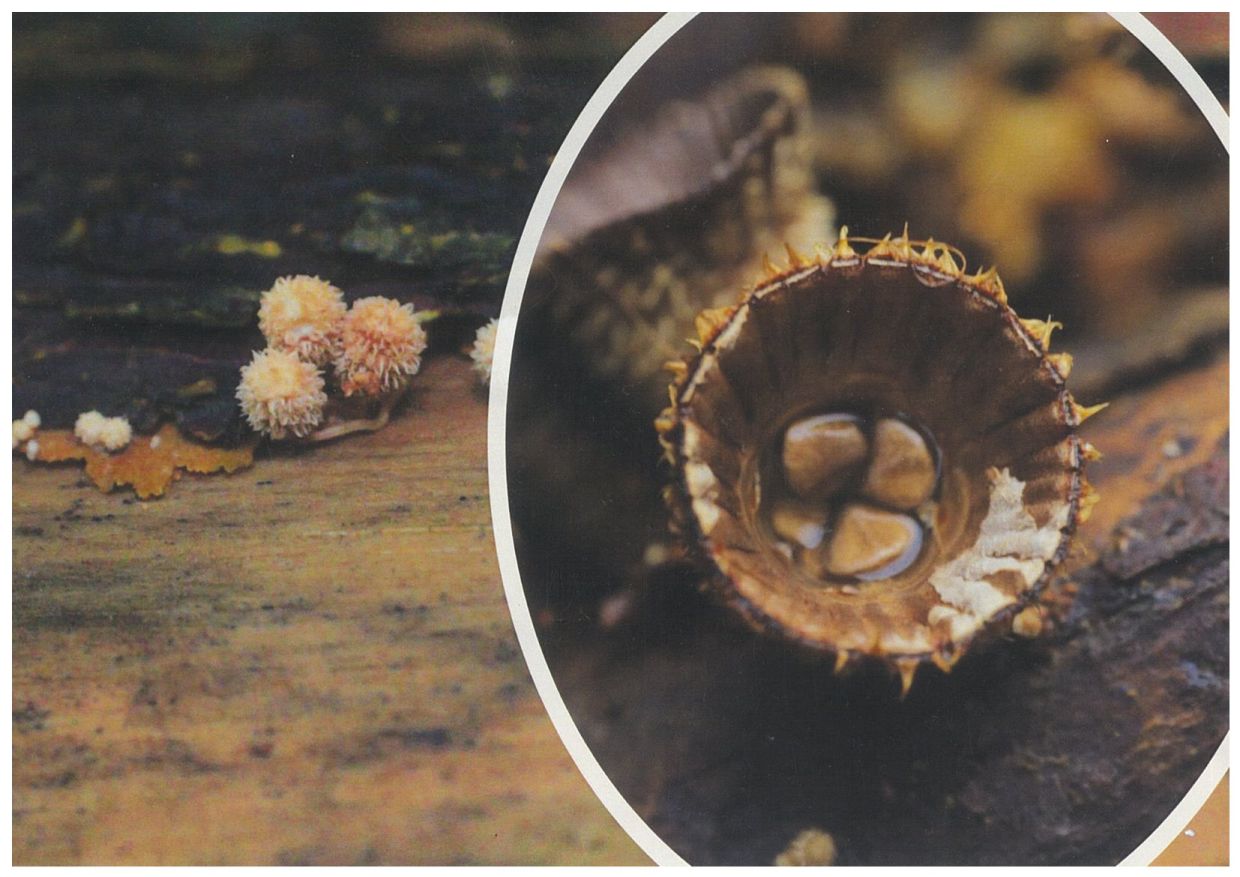
This is why Pewaris was selected as one of the grant recipients under the Lenggong Valley Sustainable Community Development (LVSCD) programme, a tailored capacity- building initiative with the support of Yayasan Hasanah.
LVSCD focuses on strengthening awareness and understanding of Lenggong’s heritage through community learning, alongside a citizen scientist component, and a grants programme that supports community-led initiatives
According to Prof Siti Aisyah, the Lenggong Valley is home to a variety of fungi species, but the diversity is starting to be impacted by the increased human and economic activities in the area.
“There are eight biosites in the Lenggong Valley which consist of granite mountain ecosystems, limestone, and lowlands covered by tropical forests, making it a rich habitat for a variety of flora and fauna, including fungi,” she explains, highlighting that various local and indigenous communities around Malaysia have used fungi in traditional medicine, food and cultural practices for centuries.
“Knowledge of the diversity of fungal species in the Lenggong Valley and their applications is important for the conservation of biodiversity and the empowerment of this biological heritage among the local community,” she says.
“However, despite the status of the Lenggong Valley as a protected site, tourism and ongoing human activities have had a negative impact on the diversity of fungi in the area.
“In the context of conservation, measures have focused more on the conservation of larger organisms such as animals and plants, and there has been no effort to document the diversity and conservation of fungi in the Lenggong Valley.”
Furthermore, local knowledge of the diversity of rare and endemic fungal species is still limited, she says, while opportunities for local communities to directly participate in preserving the ecosystem in the valley are also lacking.
“Fungi are more vulnerable to environmental threats. This is why conservation measures need to be taken immediately to ensure that local communities are made more aware of the diversity and potential of fungi in the Lenggong Valley in various fields, thus motivating communities to save the diversity of fungi.”
This year, the Pewaris team is working to extend their Catch Them Young activities with the Geoschool project in Lenggong.
“This is to instil the importance of fungi in the ecosystem, and its role in combating climate change to the younger generation,” says Prof Siti Aisyah, who shares that Pewaris will also embark on further fungal forays with the production of books on fungal diversity.
For another LVSCD grantee, Suhaimi Ahmad, his preservation foray in Lenggong is more focused on the collective memories of the town.
Called Cerita-Cerita Pekan Lenggong (Stories of Lenggong Town), his project involves Suhaimi, better known as Cikgu Suhaimi, relaying the story of Lenggong through various mediums such as photo exhibitions, art works, books and iconic buildings.
The main cultural space in his project is the Wakaf Che Teh Fatimah, a traditional Malay house in Kampung Sira that has been refurbished and transformed into a community centre that hosts a resource centre, live demonstrations of traditional culinary craftsmanship and an art gallery.
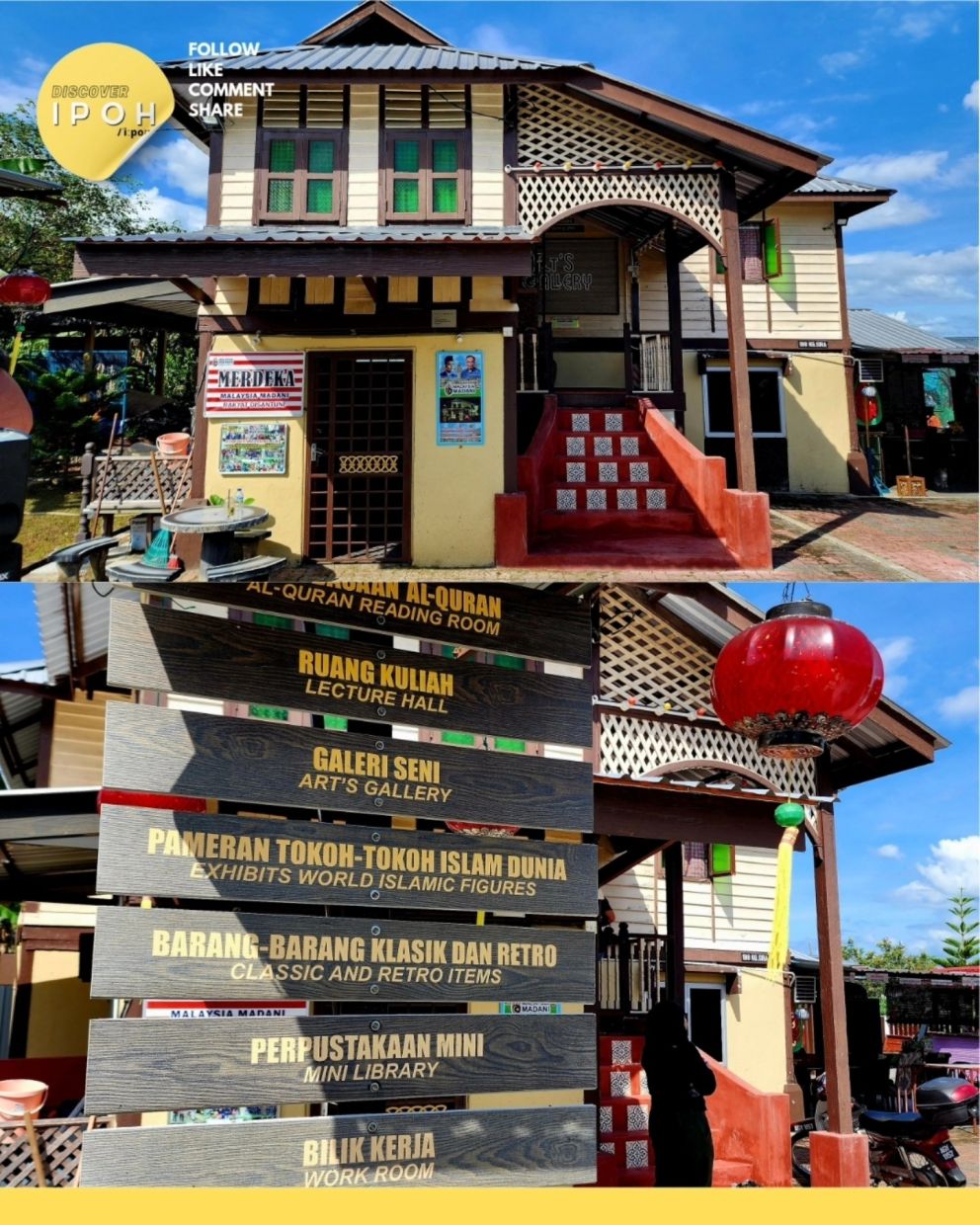
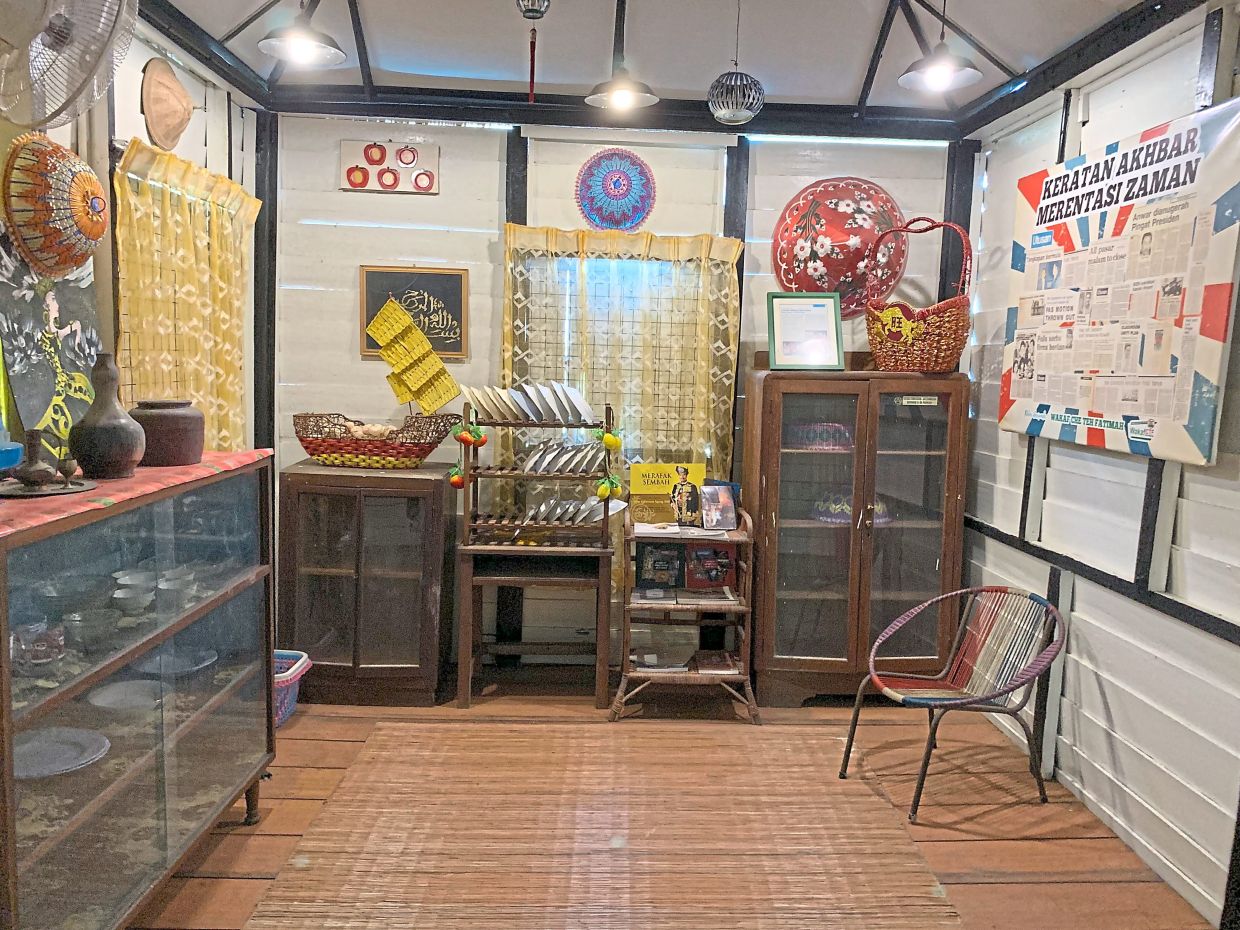
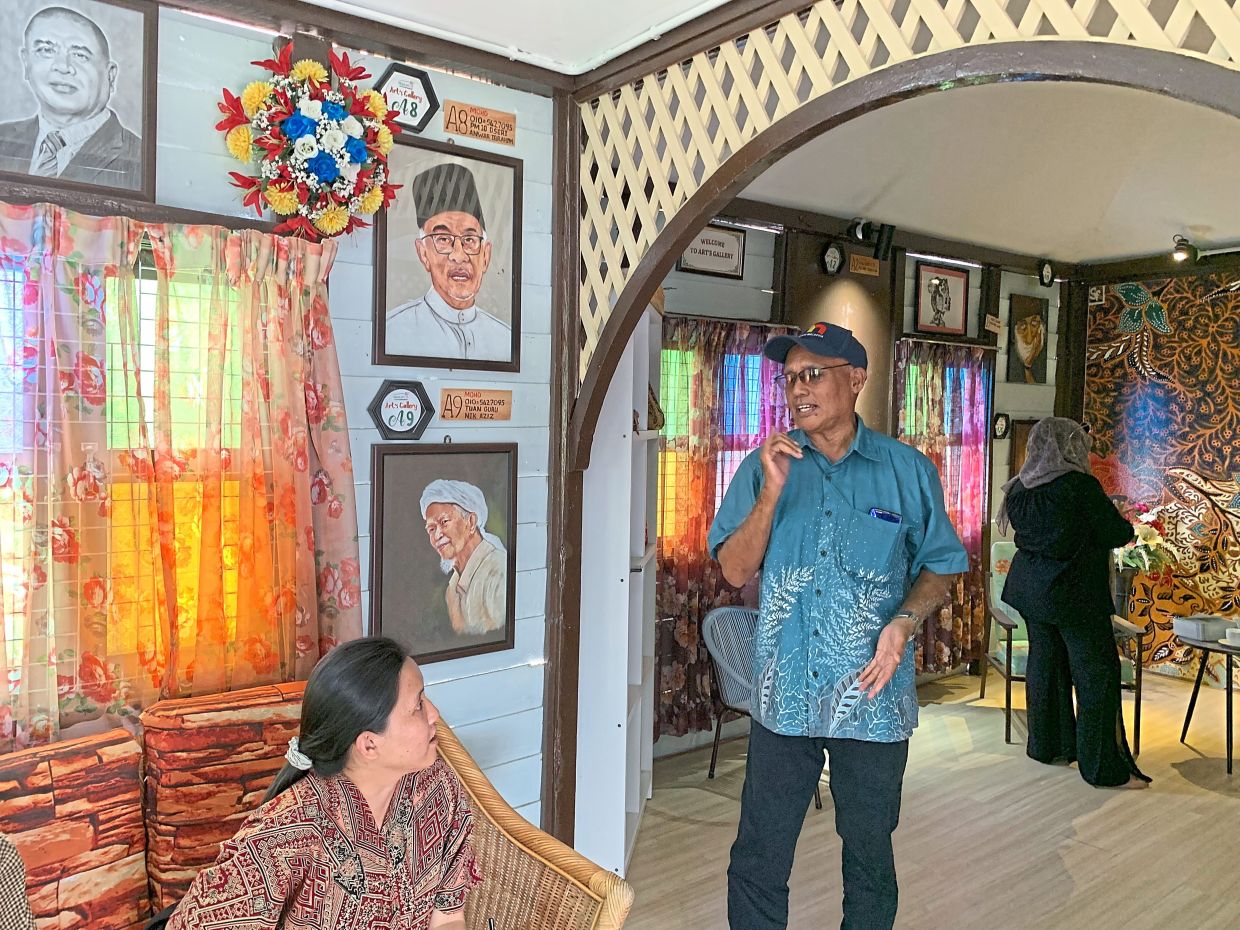
Another relic of the past that has been rejuvenated is the town’s iconic old movie theatre.
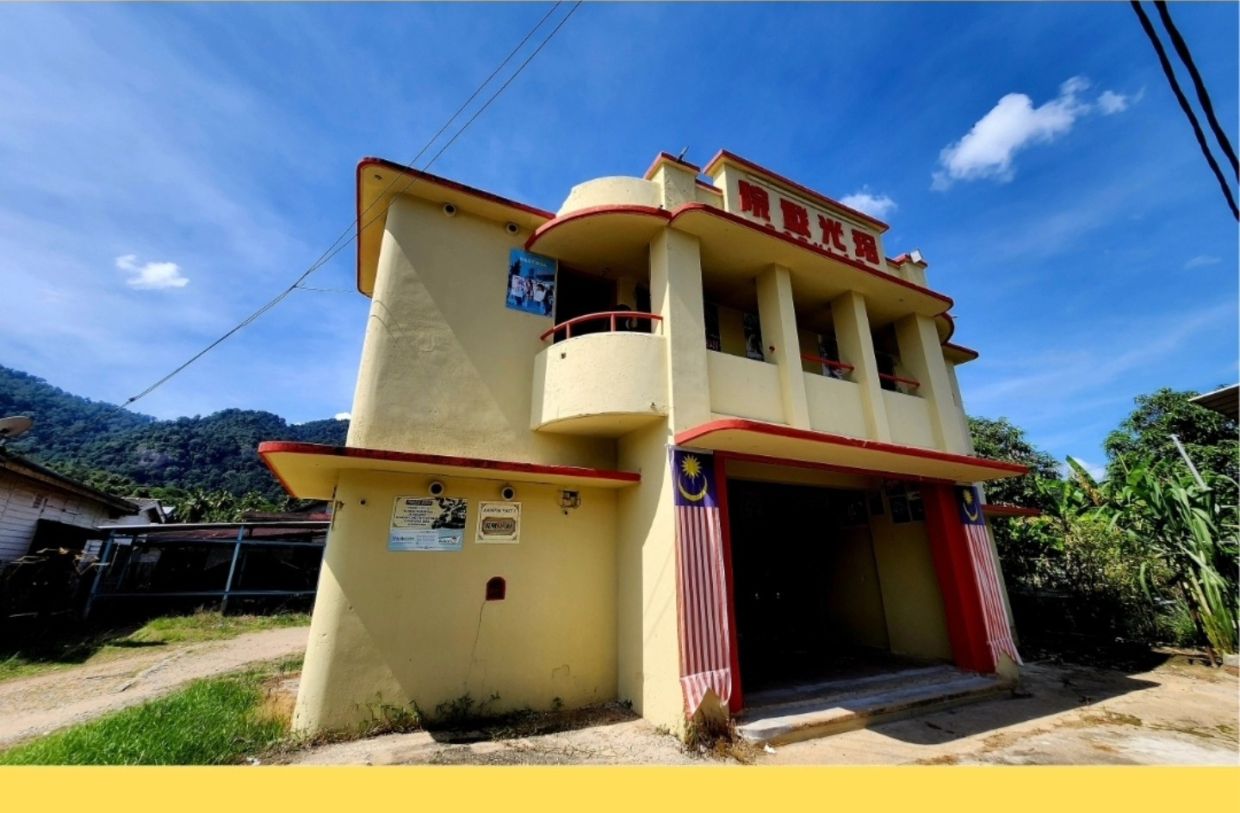
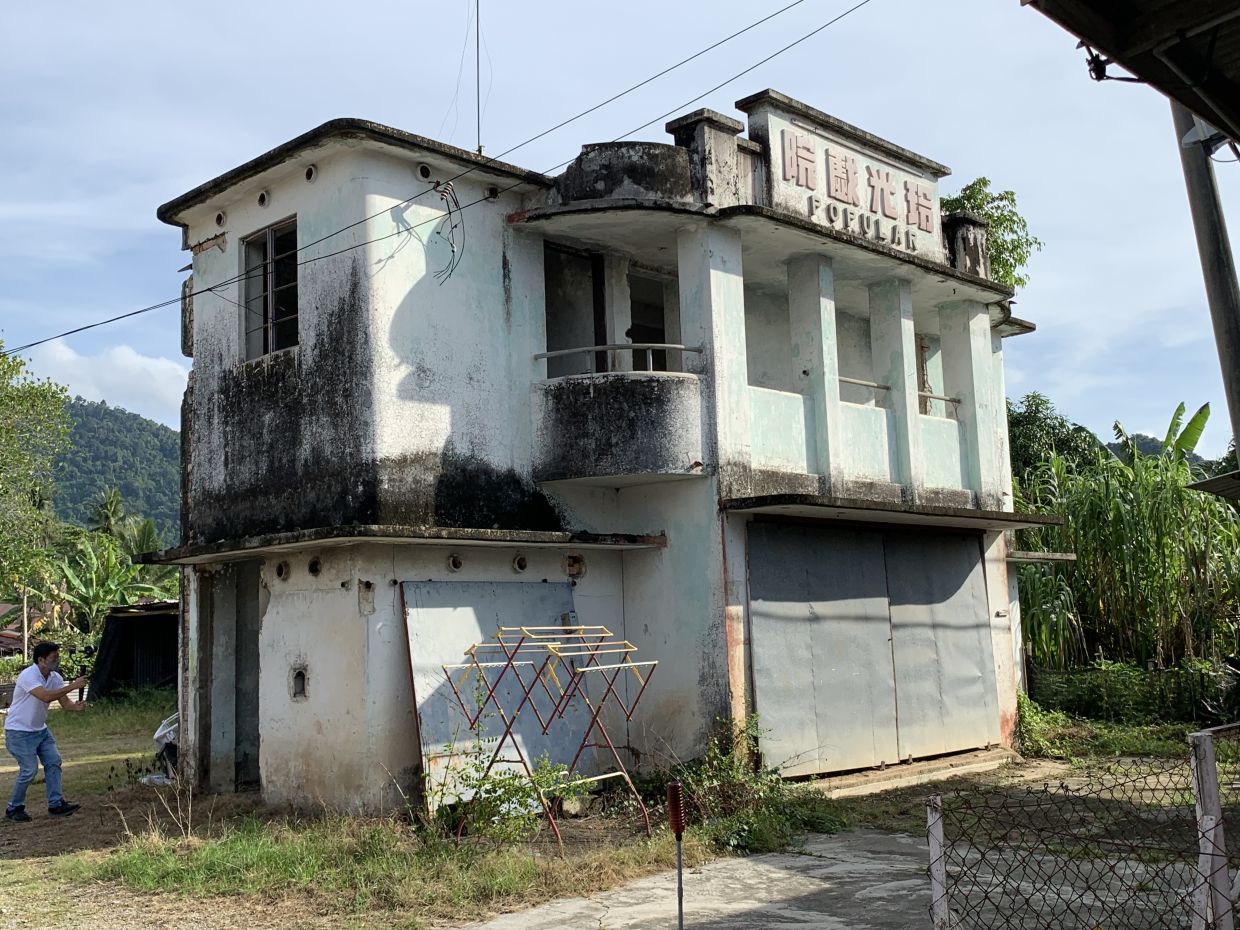
The repainted building with its ticketing signage still intact – reading “Kaunter Tiket 1, 40¢, 65¢” – harks back to the heyday of Lenggong when it was a bustling town benefiting from the tobacco plantation boom in the 1950s to 1970s.
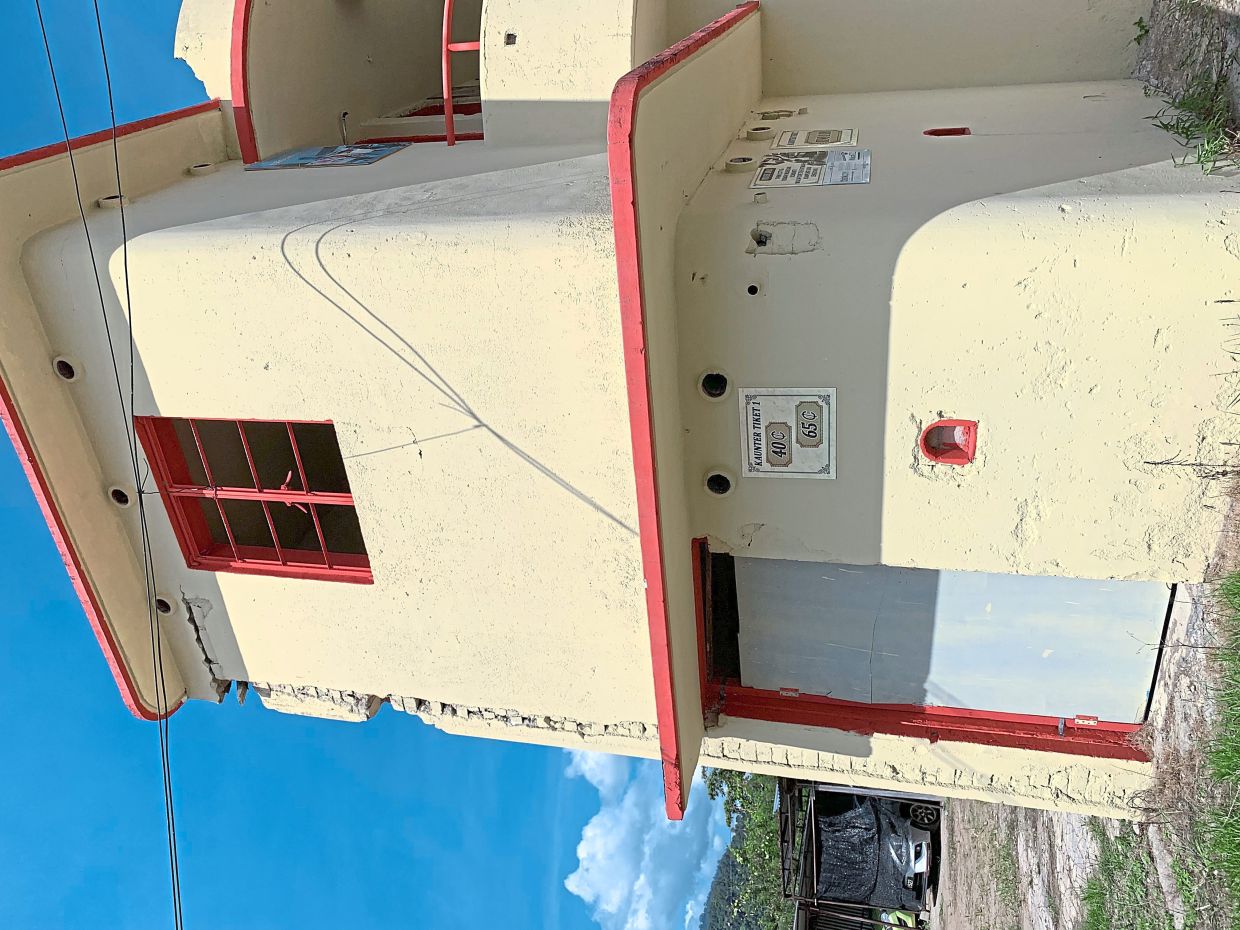
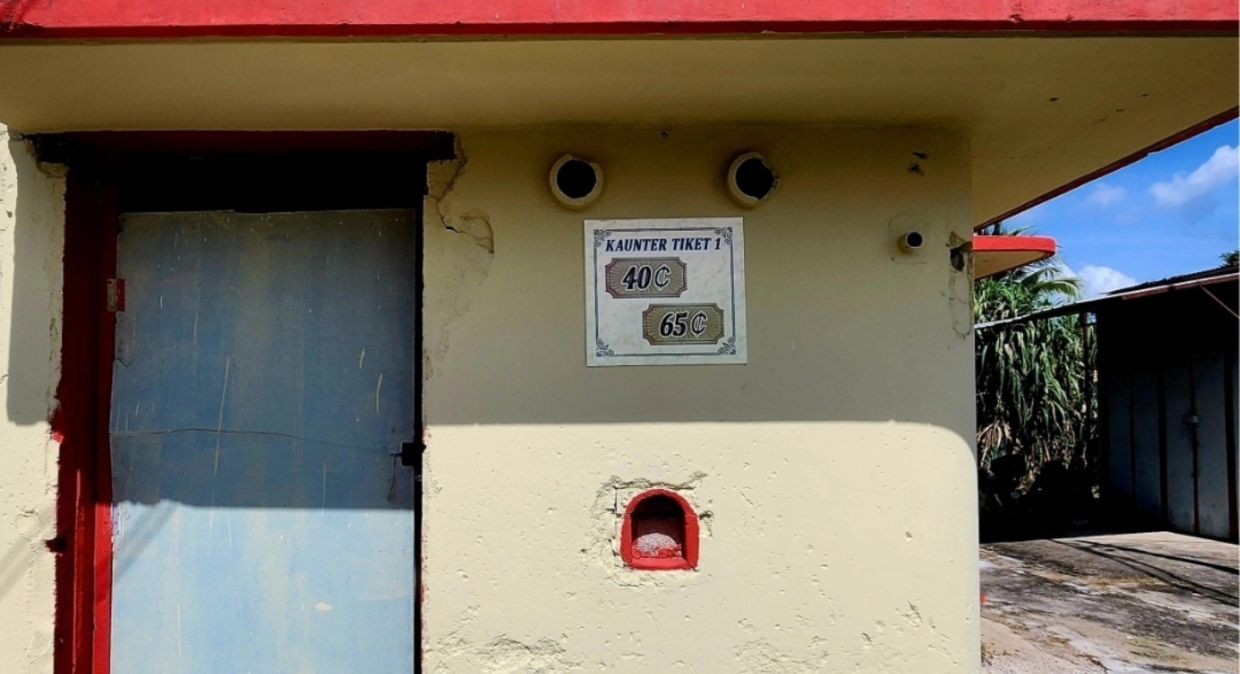
At that time, the cinema was the main entertainment centre in the town, especially for the Chinese tobacco plantation workers, says Cikgu Suhaimi.
“When it screened the [Bollywood] hit Bobby, people came from all over the valley to watch it,” he recounts.
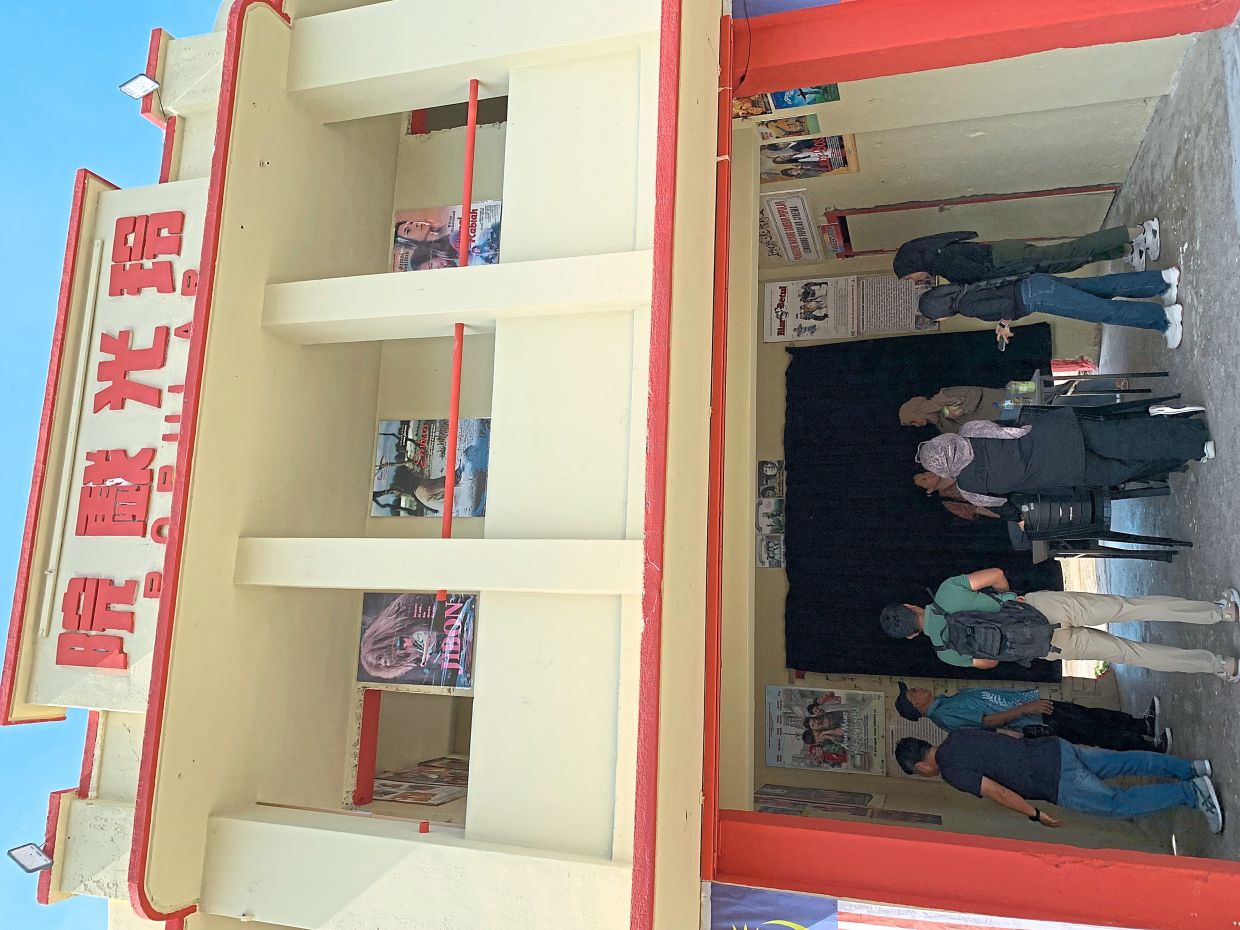
At a time when the picture house is a fading relic of a bygone era everywhere, the charm of the revived small-town cinema could not get any more nostalgic.
Fungi paradise


The Podoscypha species. Fungi has a big potential in various fields such as medicine, agriculture and biotechnology. — Pewaris
The Xylaria species— Pewaris
The Cookenia species — Pewaris
The Pycnoporus species. — Pewaris
The Cookenia species. — Pewaris


