ON an unusually warm November morning on Pitchfork Ranch in northwestern Wyoming, wranglers coaxed hundreds of cows, one at a time, into a small holding pen.
They were there for their regular twice-per-year checkups. But this time, the cows got something more: GPS collars.
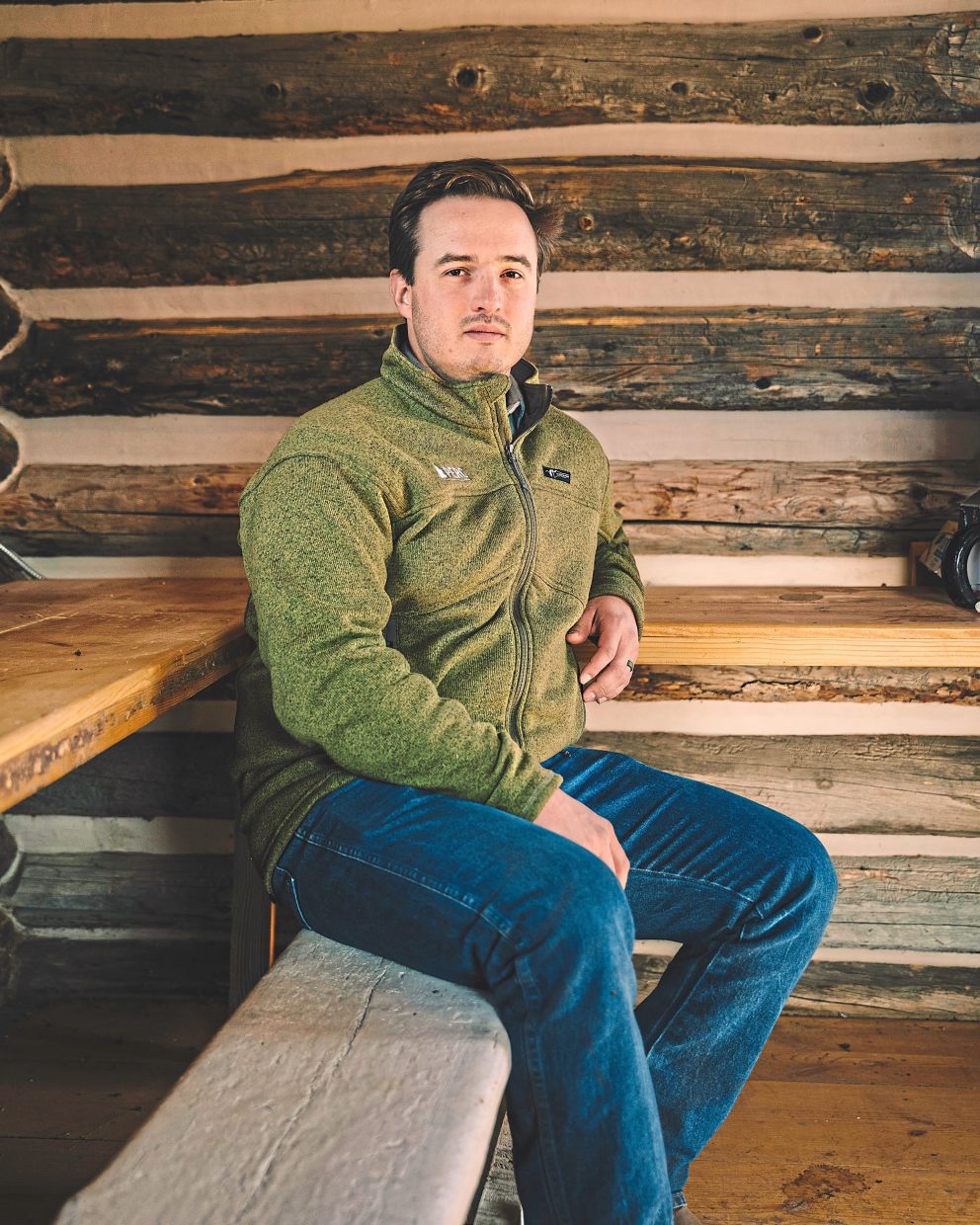
If all goes according to plan, the collars will allow Ben Anson, the ranch manager, to take down kilometres of barbed-wire fences that divide the over 40,000ha operation into separate pastures.
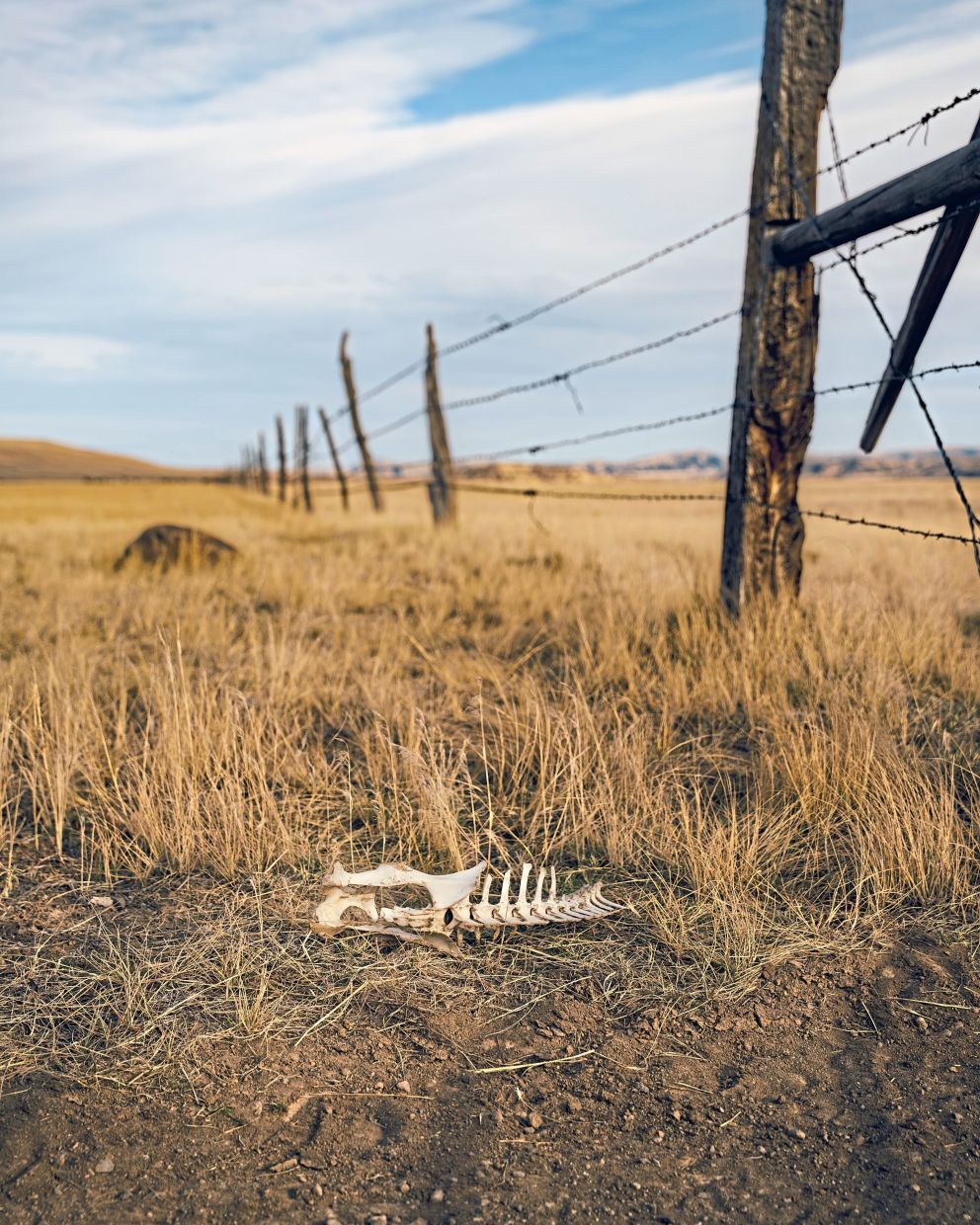
More than 990,000km of fences slice up the American West. They keep cattle contained, but they can also make it difficult to manage sensitive ecosystems.
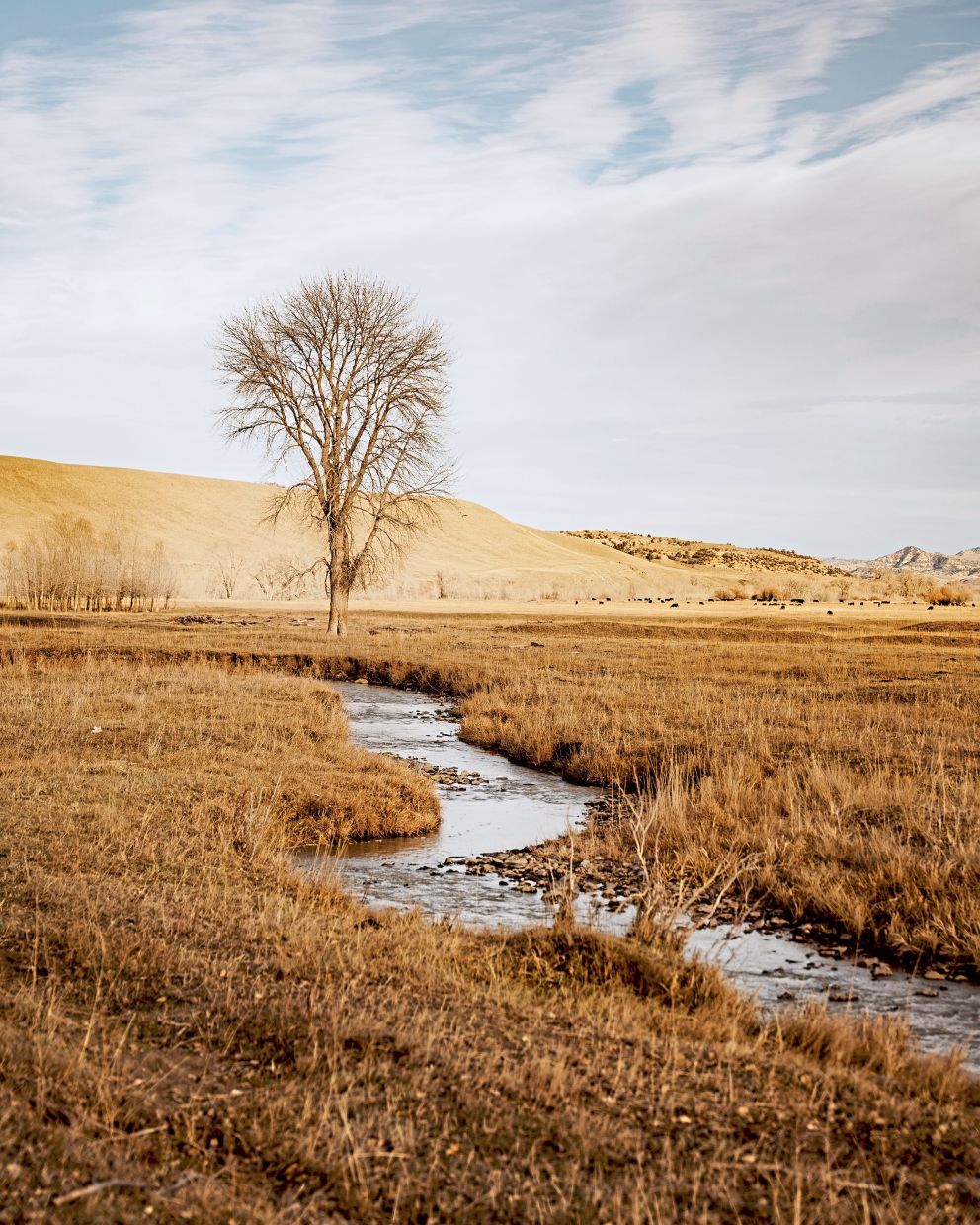
Pitchfork Ranch is in the Bighorn Basin, a rugged area of grassy prairies, sagebrush steppe and delicate river ecosystems that’s a critical corridor for elk, pronghorn and mule deer. Fences can block wildlife migrations and put pressure on those landscapes.
Plus, fences are expensive to build and maintain. A single mile of new barrier can cost up to US$25,000.
Some fencing is around a century old and deteriorating. And margins in the ranching business are thin.
“We want to coexist with wildlife, to make things good for them and recreation, but still make a living with ranching,” said Dustin Taylor, who manages E Spear Ranch, a 28,329ha cattle operation not far from Pitchfork Ranch.
Taylor and Anson are hoping virtual livestock fences can help.
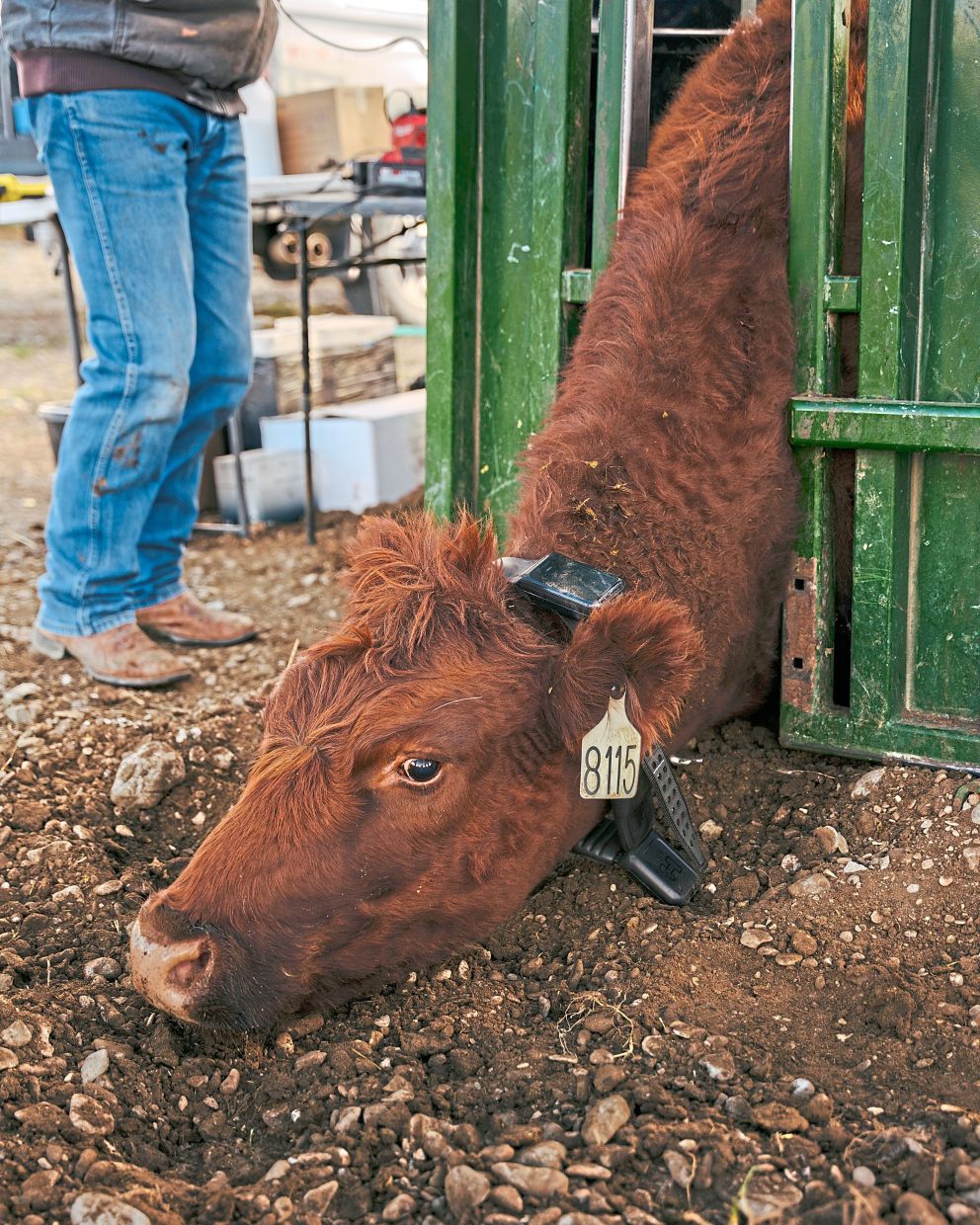
The collars relay the location of the cattle to cellphones, and farmers set invisible boundaries for the cattle using GPS coordinates.
As a cow approaches a boundary, the collar beeps. If she crosses, it delivers a mild electric shock.
The technology arrived in the United States from New Zealand a couple of years ago.
Interest was slow at first, but it has increased sharply in the past year, said Travis Brammer, director of conservation for the Property and Environment Research Centre, a non-profit group focused on stewardship of working lands.
“It’s gone quickly from a grazing management tool to a grazing and conservation tool,” Brammer said.
Virtual fencing is infinitely adjustable.
Ranchers can set precise limits on pastures to keep cows away from sensitive areas like streams or sagebrush. They can move cows around more often to prevent overgrazing, which stresses ecosystems.
It can also make cows eat less-palatable invasive species such as cheatgrass and medusahead.
“The healthier the land is, the more grass ranchers have for their cattle to consume, and the more water retention there is and the more wildlife they see on their lands,” said John Graves, a bison rancher in Wyoming and the conservation director for a community land trust.
Anson put it differently. “All we are is grass farmers, really,” he said.
Some animal welfare groups have raised concerns about the electric shocks.
Researchers and ranchers have found that cows learn quickly (many in hours, some in days) and that the technology is generally safe, though ill-fitting collars can be a problem.
Several studies have found that cortisol levels, which indicate stress, were similar in cows with and without collars once they learnt to heed the beep signal.
The collars also let ranchers monitor where their cows are, which has many benefits.
A big one is reducing conflict with predators. If a rancher sees on their phone that cows are bunched up, it could be a sign that a wolf or grizzly is lurking.
Tracking also makes it easier to help a cow or calf that is injured. If ranch hands notice that an animal has died, they can remove the carcass before it attracts predators. Wild animals can get stuck in wire fences and die, or they can just plough through.
One season, Taylor replaced the same section of fence three times. Now, with virtual fences, he can simply leave gates open.
“It’s a huge help to us,” he said. “Our cows won’t leave, but the elk will.”
Anson and Taylor were willing to try out virtual fencing when Brammer’s non-profit group offered grants to fund the work. The technology is still relatively new and has high upfront costs.
But, knowing how much time and money it takes to maintain traditional fences, and intrigued by the benefits that virtual fences seemed to promise, they gave it a go.
They both had small groups of cows collared in the spring and, happy with the results, collared more in the fall. Other ranchers, they say, are curious to see what happens.
“I think there’s a lot of watching to see how it works for people,” Anson said.
Ranch managers need the boldness to try something new and the patience to see how it plays out.
Anson said he doesn’t expect to see ecosystem health improve from virtual fences in fewer than five years, and it can take as long as 10 years.
It’s a risky move. But “we’re ranchers,” he said. “We gamble every day.”
Graves is leveraging another perk of virtual fences: they can’t burn down.
In September 2024, a wildfire burnt nearly 40,000ha of the Bighorn Mountains, destroying thousands of kilometres of fence.
He’s encouraging private landowners and the United States Forest Service to replace burnt fences with virtual fences, and to use virtual fences to keep cattle off the burnt landscape while it recovers.
In addition to the high upfront costs, a few problems still need to be worked out.
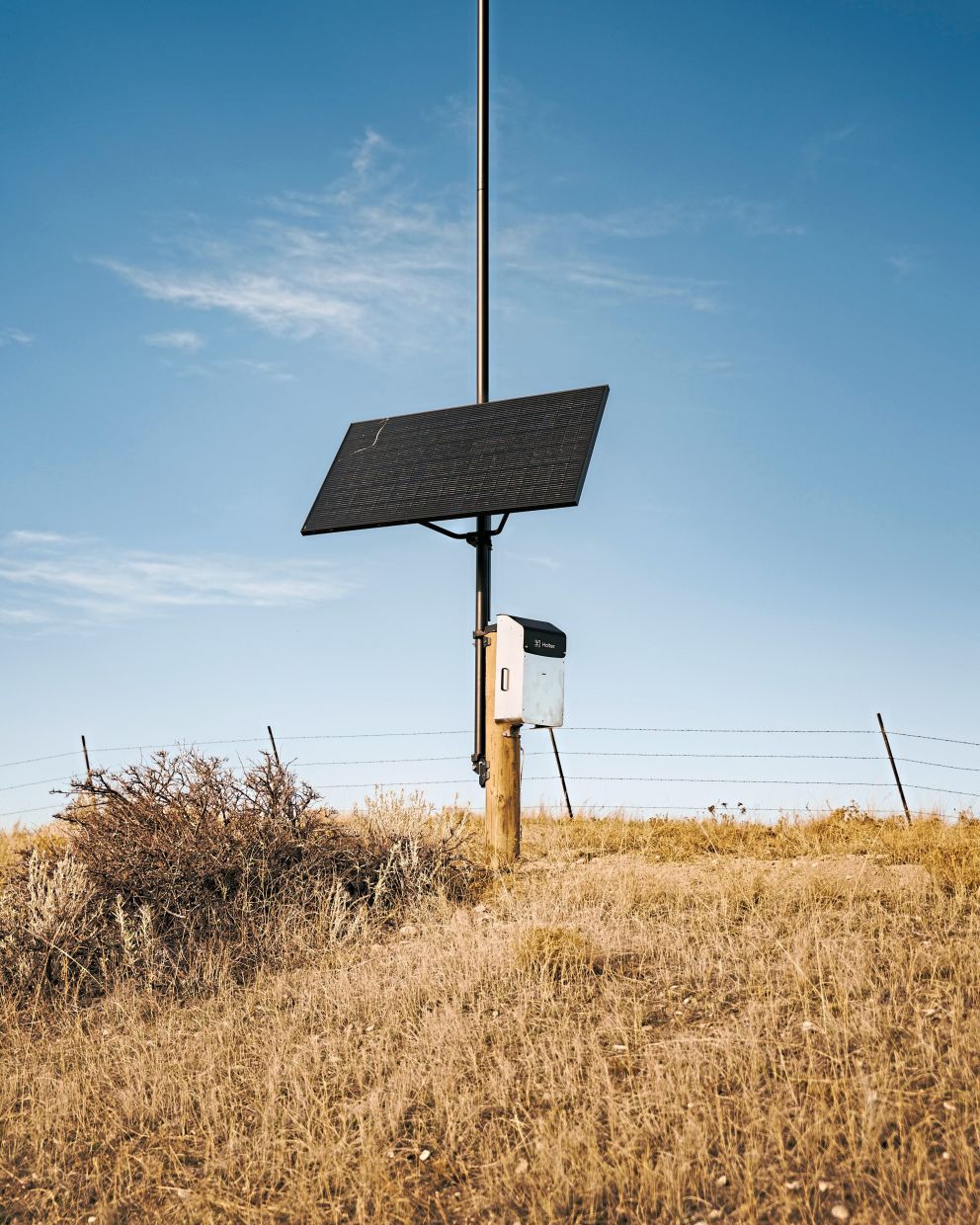
The system needs cell service, and connectivity can be unreliable in some rugged, remote areas. And some ranchers are concerned about data privacy.
There’s also an intangible factor.
“Ranching is very deeply rooted in tradition,” Graves said. And cellphones and GPS collars are not part of the American cowboy tradition.
“I’m actually kind of embarrassed when people see my cows,” Taylor said.
“We’re all saddled up on our horses, cowboy hats on, riding by with border collies,” he said. “And our cows have these collars.
“Whether it looks silly or not doesn’t really matter,” he continued. “What matters is that it works.” — ©2026 The New York Times Company
This article originally appeared in The New York Times
Where the cows roam
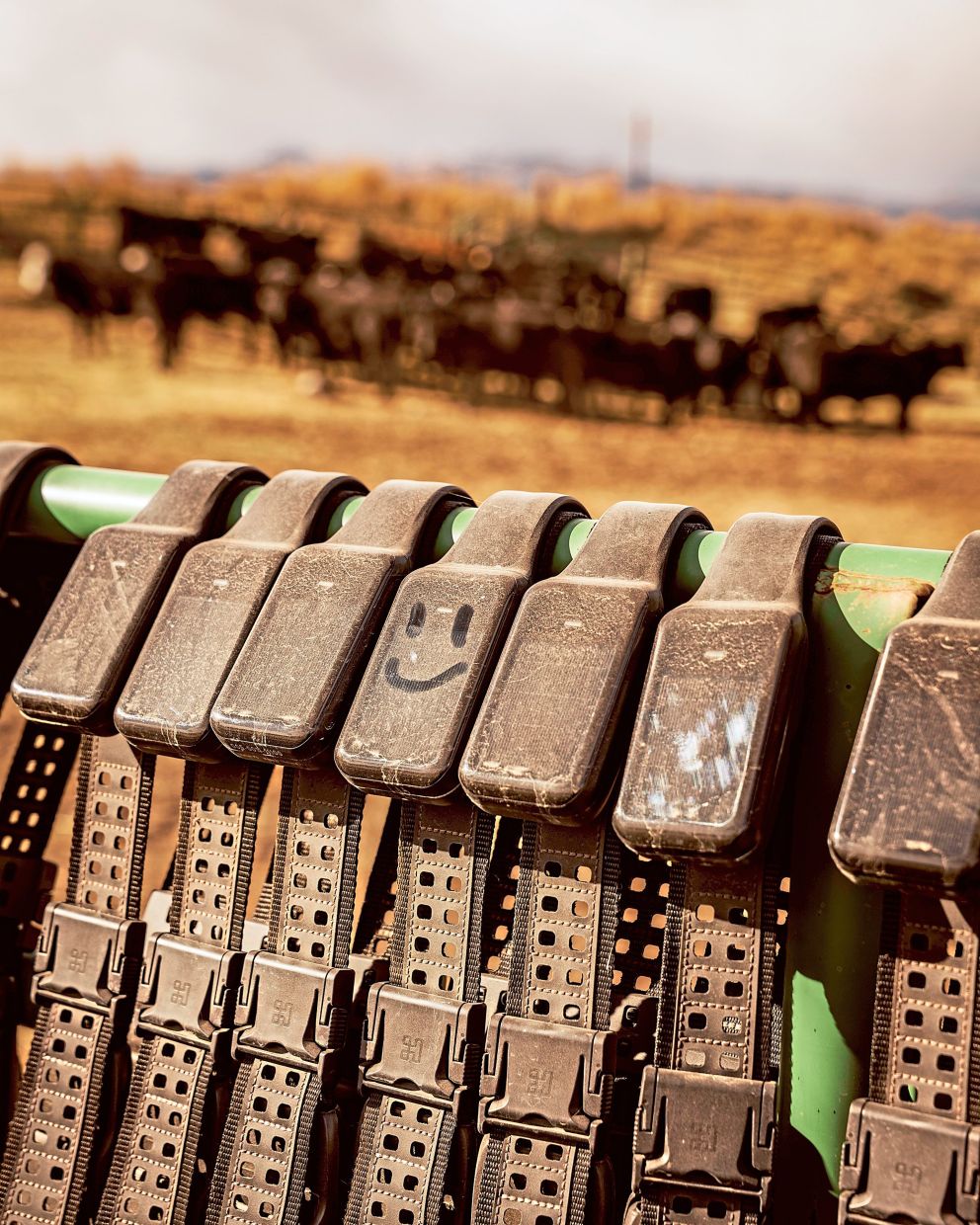
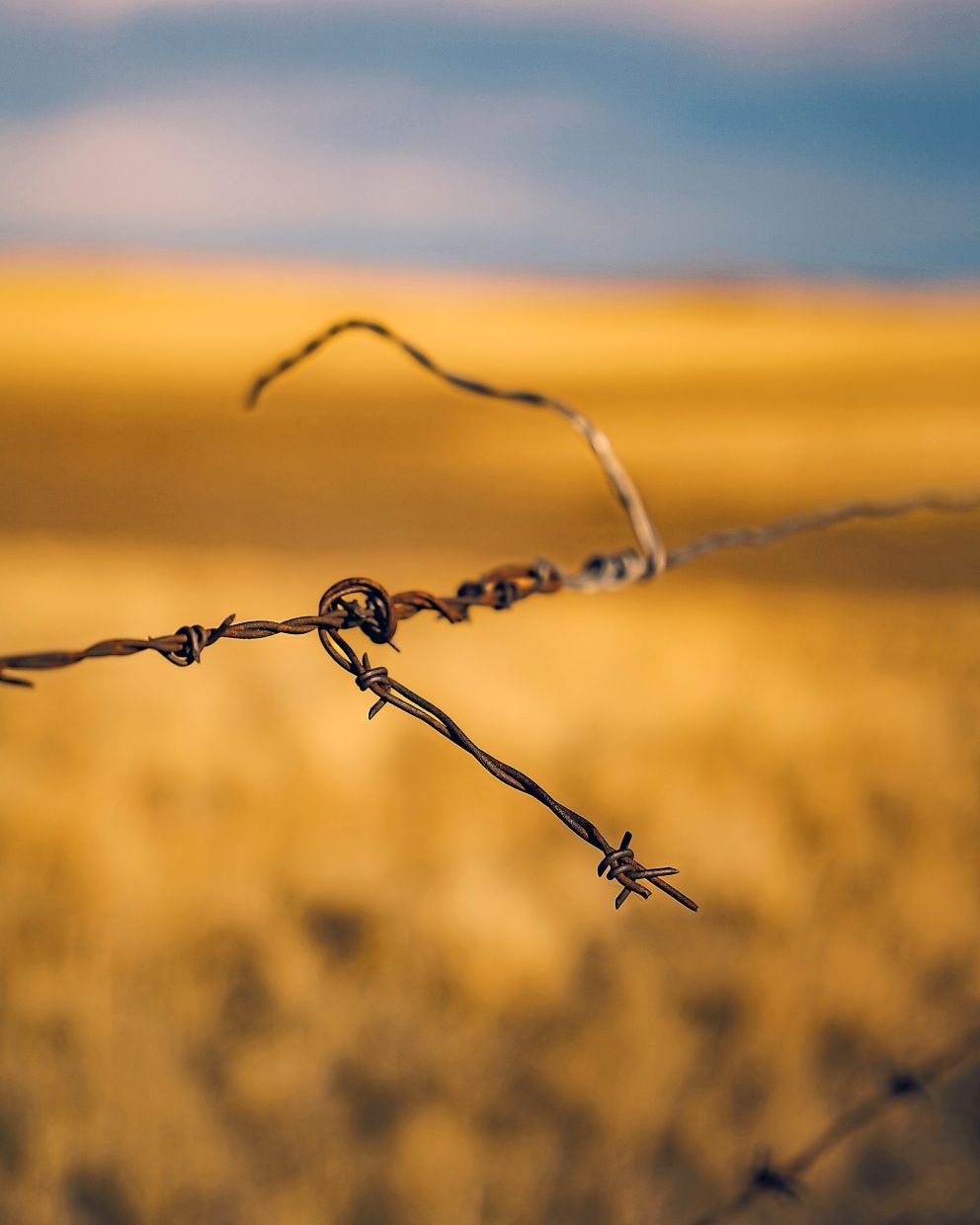
GPS collars for cattle are laid over a fence at Pitchfork Ranch. — Photos: Will Warasila/The New York Times
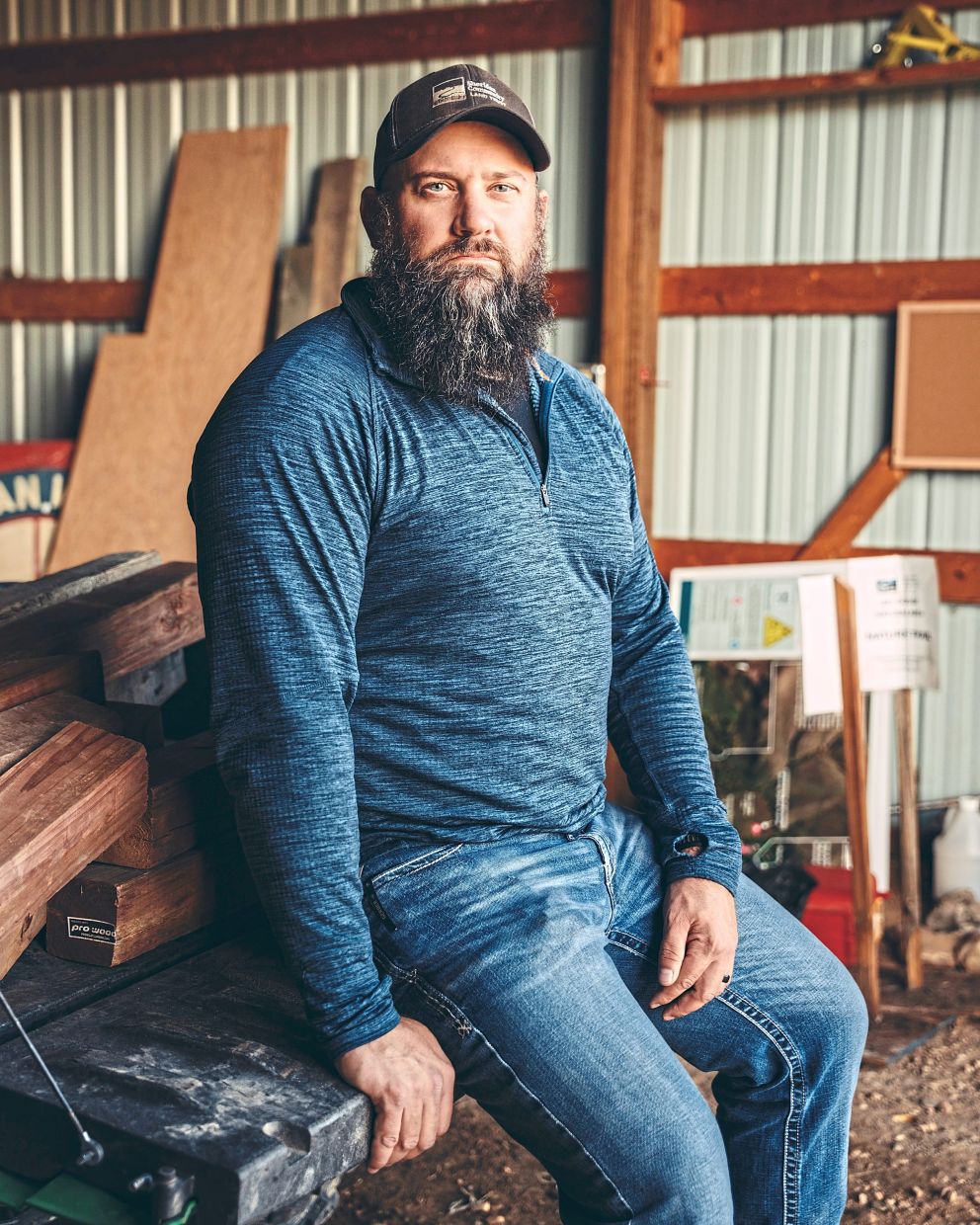
Graves, a bison rancher in Wyoming who is also conservation director for a community land trust, in Sheridan, Wyoming. — Will Warasila/The New York Times
A communications tower that connects to GPS collars worn by cattle, in Sheridan.
A cow wearing a GPS collar at Pitchfork Ranch near Cody, Wyoming. Virtual fencing is infinitely adjustable. — Will Warasila/The New York Times
Bones near a fence at Pitchfork Ranch near Cody, Wyoming. More than 620,000 miles of fences slice up the American West. — Will Warasila/The New York Times
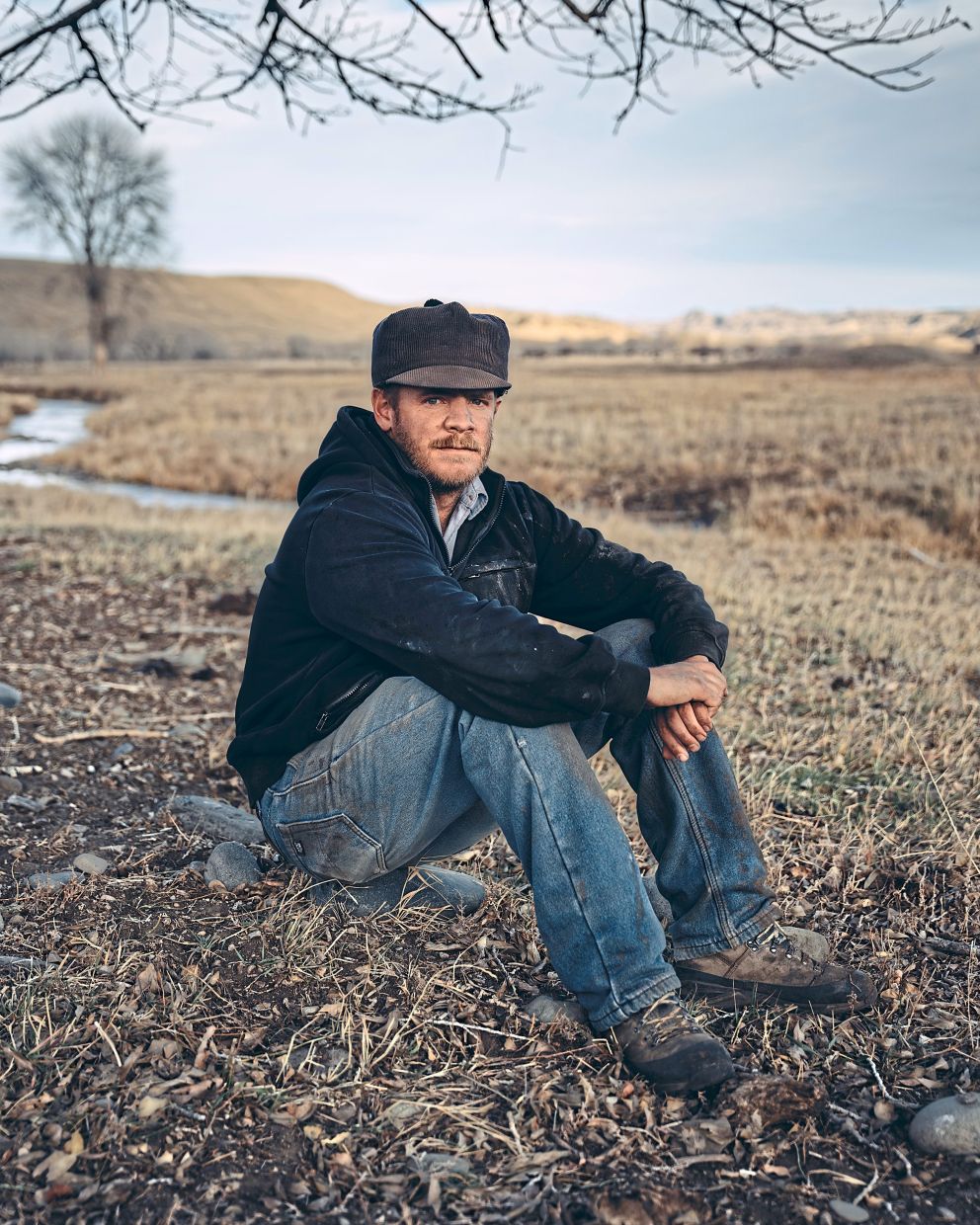
Ben Anson, who manages Pitchfork Ranch, near Cody.
A creek at Pitchfork Ranch near Cody, Wyoming. Fences keep cattle contained, but they can also make it difficult to manage sensitive ecosystems. — Will Warasila/The New York Times
Pitchfork Ranch is in the Bighorn Basin, a rugged area of grassy prairies, sagebrush steppe and delicate river ecosystems that’s a critical corridor for elk, pronghorn and mule deer — fences can block wildlife migrations and put pressure on those landscapes.
“It’s gone quickly from a grazing management tool to a grazing and conservation tool,” Brammer said about GPS collars for cattle.