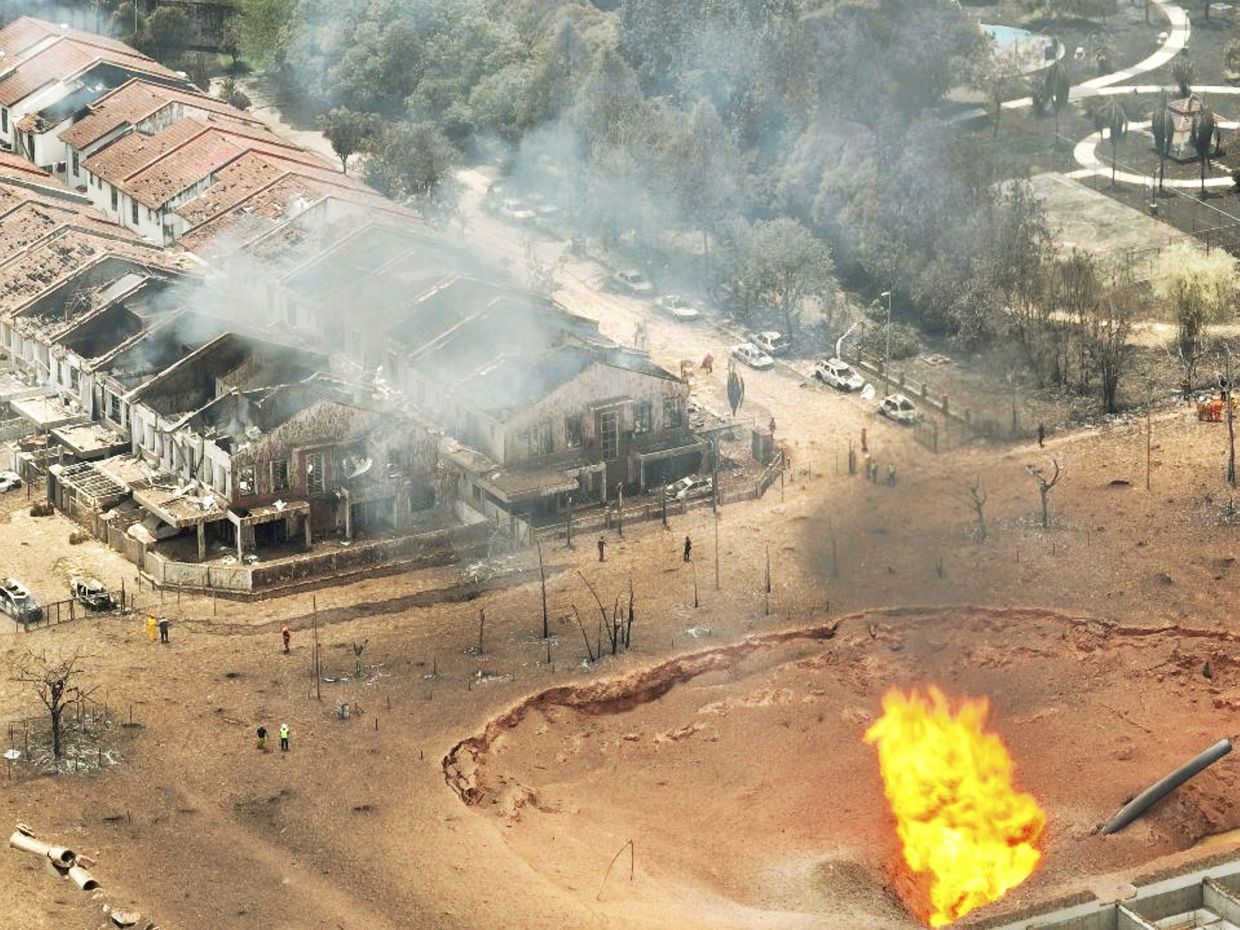
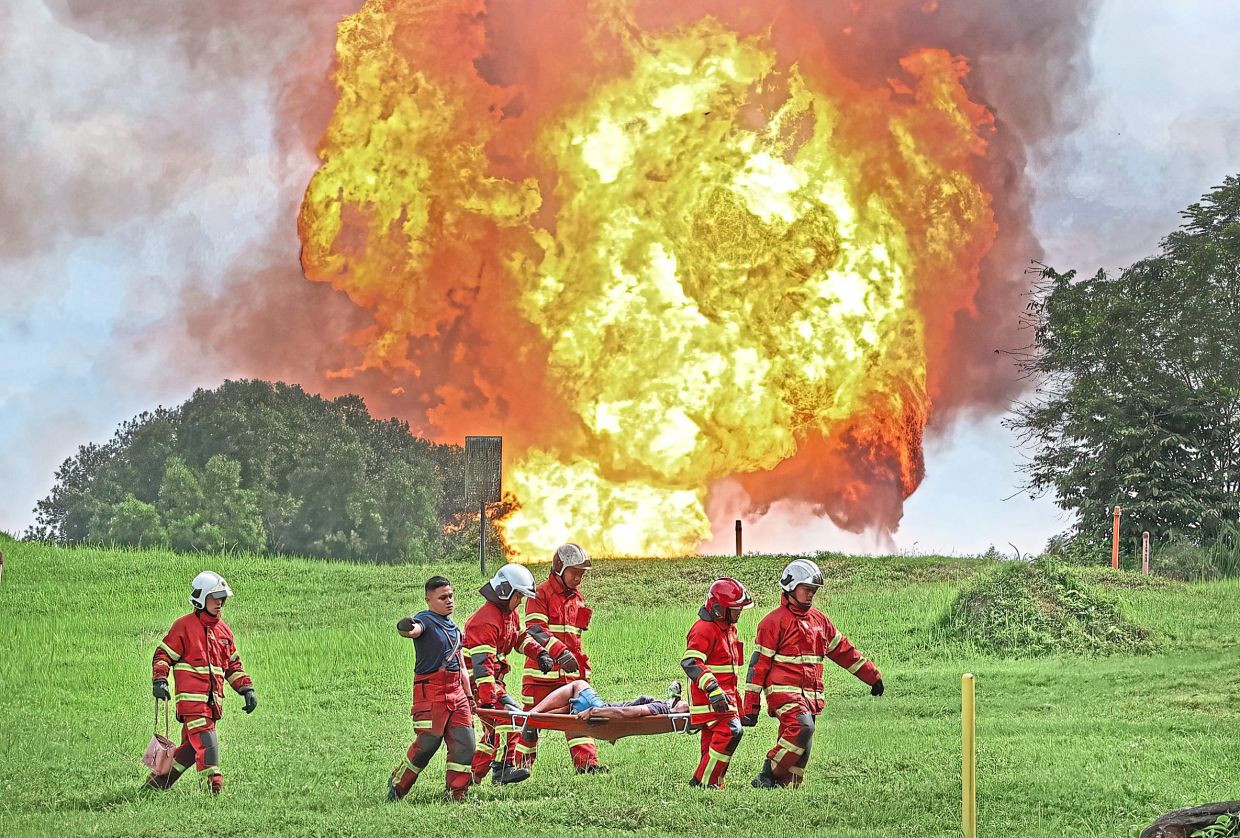
THE blistering heat from the billowing tower of flames that erupted from a gas pipeline at Putra Heights, Selangor, in April 2025 remains etched in the memory of Muhammad Amirul Azhar Mohd Yasin.
The 28-year-old, who was at home in nearby Kampung Kuala Sungai Baru, managed to rush out to safety with his wife, Nur Izzati Alia Zainuddin, also 28.
Not long after the tragedy made headlines, residents were ushered to temporary relief centres to prevent further casualties. There, they were provided with basic necessities, including food, water, bathing facilities and beds.
It was reported that 437 houses in Taman Putra Harmoni and Kampung Kuala Sungai Baru were affected, while 218 were unharmed and 151 declared safe to occupy.
By the second week, the relief centres were closing as many families were allowed to return home.
For those whose houses were razed, though, the question of where they would stay lingered. Amirul, who had been reflecting on their situation, found himself in the right place at the right time when several representatives from Airbnb.org visited the centres.
Airbnb.org is a nonprofit founded by Airbnb that provides free emergency housing in times of crisis
An Airbnb host himself, Amirul suggested that the platform create a temporary housing fund for victims.
“Airbnb.org then agreed to allocate some funds. All the victims had to do was register as Airbnb guests on their phones and sign up for the programme.
“The funds were calculated based on the number of household members. Guests could then look for a suitable place to stay and even discuss possible discounts with the hosts,” Amirul says.
His initiative reflected a strong communal sentiment, with people stepping up to help each other in times of crisis. Amirul also guided villagers who were unfamiliar with Airbnb.org or uncertain about the offer’s credibility. Among others, he explained how it could help them as well as with registration processes.
“The villagers from Kampung Kuala Sungai Baru know about my father-in-law and me, that we’re Airbnb hosts. And some of them were also my father-in-law’s tenants.
“So I helped them register and told them that Airbnb.org is a good solution for those who need temporary stays after the relief centres were closed,” he says.
Subsequently, Airbnb.org’s visit to the centres also grew into a broader initiative when it partnered with the Selangor government, with support from HostPlatform, to provide free temporary housing in the state.
“Stays are completely free for guests and are funded by Airbnb.org,” the company said in a statement issued back then.
Selangor Mentri Besar Datuk Seri Amirudin Shari confirmed that Airbnb.org had agreed to provide 78 units as temporary accommodation for two months.
For many victims, this meant more time in safe, comfortable housing as they worked to rebuild their lives.
Looking ahead, Amirul is proposing that the government rope in homestays registered with the Tourism and Culture Ministry during disasters.
“The ministry can contact some of these homestays. The government can provide funds for victims to be temporarily housed there,” he says.
For Amirul, such gestures help preserve dignity for victims who have lost much of their lives.
“This is not to say that the aid provided by the government is lacking. They provided all the essential needs. But these people are used to sleeping on actual beds, for example.
“Providing victims with access to homestays or roomstays would give them comfort and dignity at a time when they need it the most.”