IT was the first time that the Holy Quran was used at a swearing-in ceremony of a mayor in the United States, and on Jan 1, 2026 two copies were used.
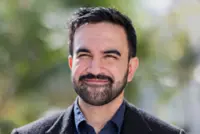
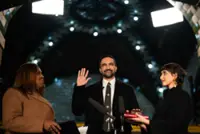
Surprise candidate Zohran Mamdani was finally sworn in as as mayor of New York City. Mamdani, who was joined by his wife Rama Duwaji and New York Attorney General Letitia James, took his oath at the Old City Hall Station. The scene was dimly lit and the backdrop dramatic. At the stroke of midnight, James began to swear in the man who has radically transformed NYC politics in a single year.
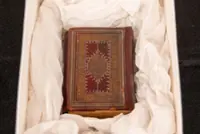
One of the two copies of the Holy Book used at the ceremony had belonged to Mamdani’s grandfather, while the other was part of the collection of the New York Public Library. The second copy dates back to the late 18th or early 19th century and belonged to a Black Puerto Rican. It was reportedly included in the ceremony because it represents the long history of Islam in a city with various threads of diversity. The symbolism was significant and the mood ebullient.
Later, in a huge public ceremony Mamdani was sworn in by Democratic socialist star Senator Bernie Sanders. He spoke a phrase in Urdu translating to “You have changed people’s hearts” in his acceptance speech, quoting a Pakistani aunty he had encountered during his campaign.
Twenty-five years after 9/11, the impossible appears to have taken place in New York City. A Muslim mayor was elected in a city which had made hating Muslims its identity for decades. The ceremony was attended by people of all faiths and national backgrounds. At a time when immigration and diversity have been made into bad words by the Trump administration, here was a scene that celebrated the city’s diversity.
“We will draw this city closer together. We will replace the frigidity of rugged individualism with the warmth of collectivism,” Mamdani said from the podium to cheers. This and his other promises are going to be difficult to fulfil.
Individualism and the idea of getting ahead have been the central creed of a city where people come to work in the financial market and make millions. Caring for other people or ‘community’ in general has not been the story that NYC has talked about.
The new story that Mamdani wishes to tell of a city which will tax the rich to make it livable for everyone else is going to require a fight to translate into reality, and both Mamdani and his supporters seem to be entirely up for it.
Mamdani’s election represents the end of an era. NYC’s identity for the last quarter century has been attached to the events of 9/11. That identity has not only sidelined and racially profiled Muslim Americans but has also focused constantly on anti-terrorism as its basic law-enforcement principle.
The New York City Police Department drew in hundreds of millions of dollars to catch terrorists – something that led brown men in general to feel constantly threatened. Against this surveillance and harassment regime (one which saw FBI and NYPD infiltrating mosques), wealthy mayors, whose administrations have often been linked to corruption, have further shaped City Hall as a place of underhand deals for big money – with little social reform to their credit. Wealthy real estate moguls such as Jared Kushner – the son-in-law of President Donald Trump – are among those Mamdani will have to tax and challenge.
Interestingly, however, Mamdani also presents a challenge to many diaspora American Muslims who have a less assimilationist idea of what it means to be Muslim American. Some have noted his Shia background and have asked how this would be viewed by some Muslim American public institutions. Mamdani is the product of an interfaith marriage, which is also a bit difficult to swallow for those who frown upon such unions. Finally, Rama Duwaji, who does not wear the hijab and has a chic, distinctive style of dressing, is likely not reflective of the image of the ideal Muslim female many conservative American Muslims espouse.
Whatever the old people may think, it is undoubted that for young people, and not just Muslim young people, Mamdani represents a ray of hope and a vision for the future. Two terms of Trump and the regular doses of rubbish and vitriol that his administration dishes out every day – from attacks on Venezuela to travel bans on new countries to the rising cost of living – have left Americans craving the kind of hope that Mamdani is offering.
Watching the public inauguration, it was impossible not to think of how much Mamdani’s oratory and diverse background is reminiscent of former president Barack Obama’s own. He was not present in the crowd, but it is likely that he too was watching.
Mamdani cannot be president because he was not born in the US, but it is certain that he has a long and hopeful political future ahead of him. — Dawn/ANN
Rafia Zakaria is an attorney and human rights activist. She is also the author of The Upstairs Wife: An Intimate History of Pakistan.