ON a Saturday in September in Michigan’s Upper Peninsula (UP), a dozen people navigated woods to the shore of Lake Superior, where waves licked the land.
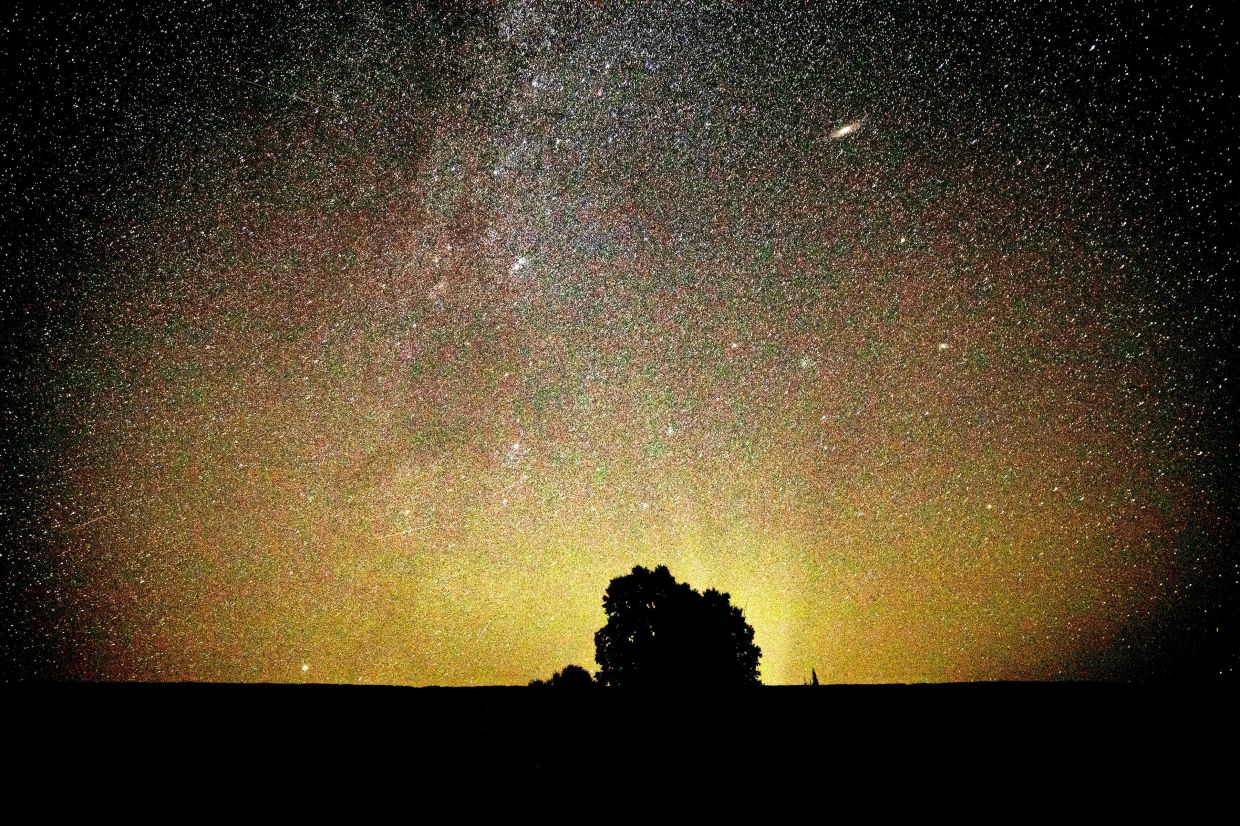
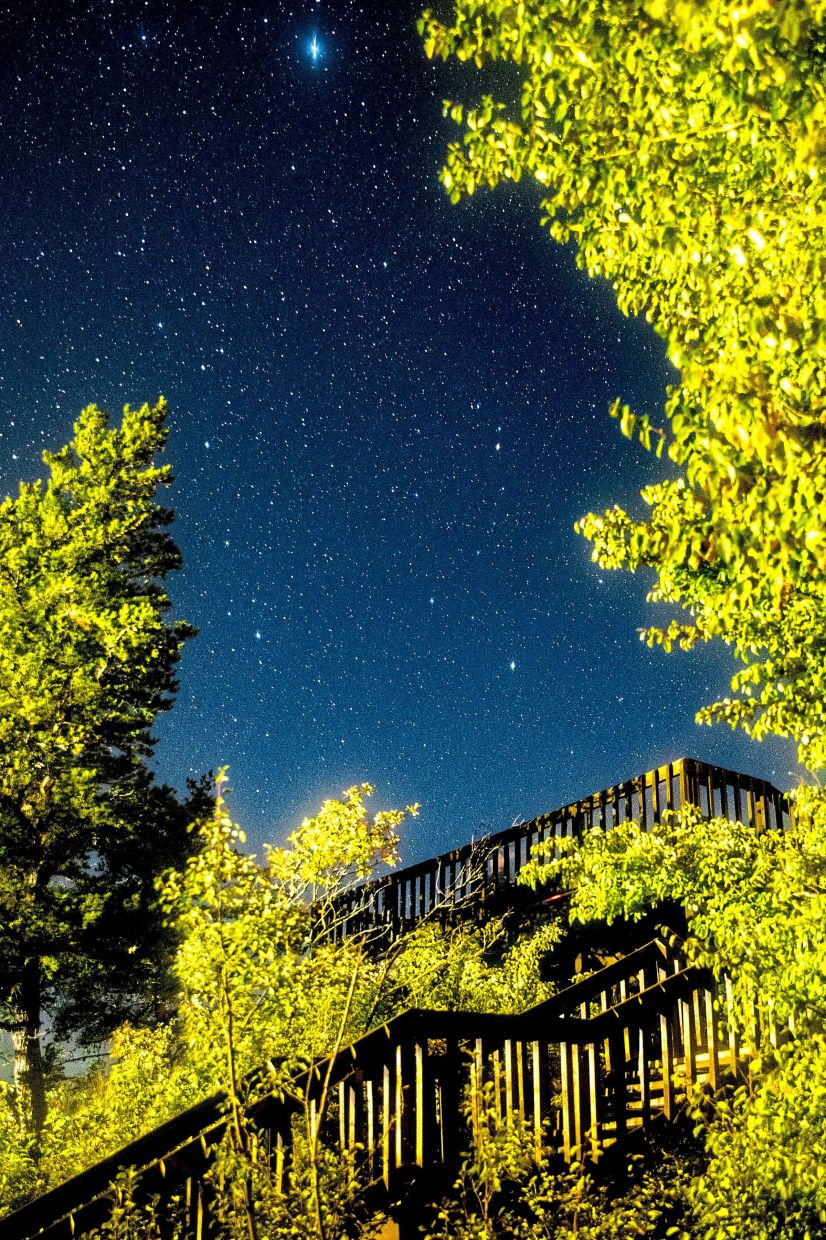
Above, a wash of stars stretched across the blue-black sky, cut in half by the Milky Way.
Photographers set up cameras and tripods, the coarse dark sand – a relic of the region’s mining boom – crunching underfoot. In the early 20th century, a stamp mill dumped millions of tonnes of metal-rich grains into the water.
“It was maybe one of the greatest ecological disasters in the Great Lakes region,” said Tom Oliver, a wildlife ecologist and night sky photographer leading the excursion. “The beach is pretty desolate, but it has sweeping views of the sky.”
Today the western UP may face another mining boom, as companies explore the region for minerals vital to the clean energy transition.
Lawmakers and some locals say a revival would boost an economy still struggling since the last boom. Others fear mining could further pollute the land, water – and skies.
In February last year, a local environmental group launched the Right to Night campaign to challenge a Michigan law banning dark sky preserves on state land in the UP, which includes 18 state parks.
“That just struck me as ludicrous,” said Tom Grotewohl, who founded Protect the Porkies in 2023 to oppose a mine near Porcupine Mountains State Park. “Why would you not have dark sky preserves where the skies are darkest?”
The campaign is part of a conversation on whether natural darkness can coexist with industrial growth.
Initially, concern focused on astronomers, whose view of stars is washed out by artificial light.
Now research shows artificial illumination at night affects animals – from migrating birds to pollinating insects – and even plant cycles, increasing carbon release.
“There’s a growing realisation that natural darkness is as essential to the environment as clean air, clean water and green space,” said Ruskin Hartley, executive director of DarkSky International, a non-profit founded by astronomers in 1987.
Even in rural UP, light from small towns – and at least one mine – is visible from space. Thunder Bay, Canada, over 130km across Lake Superior, glows in the night for some residents.
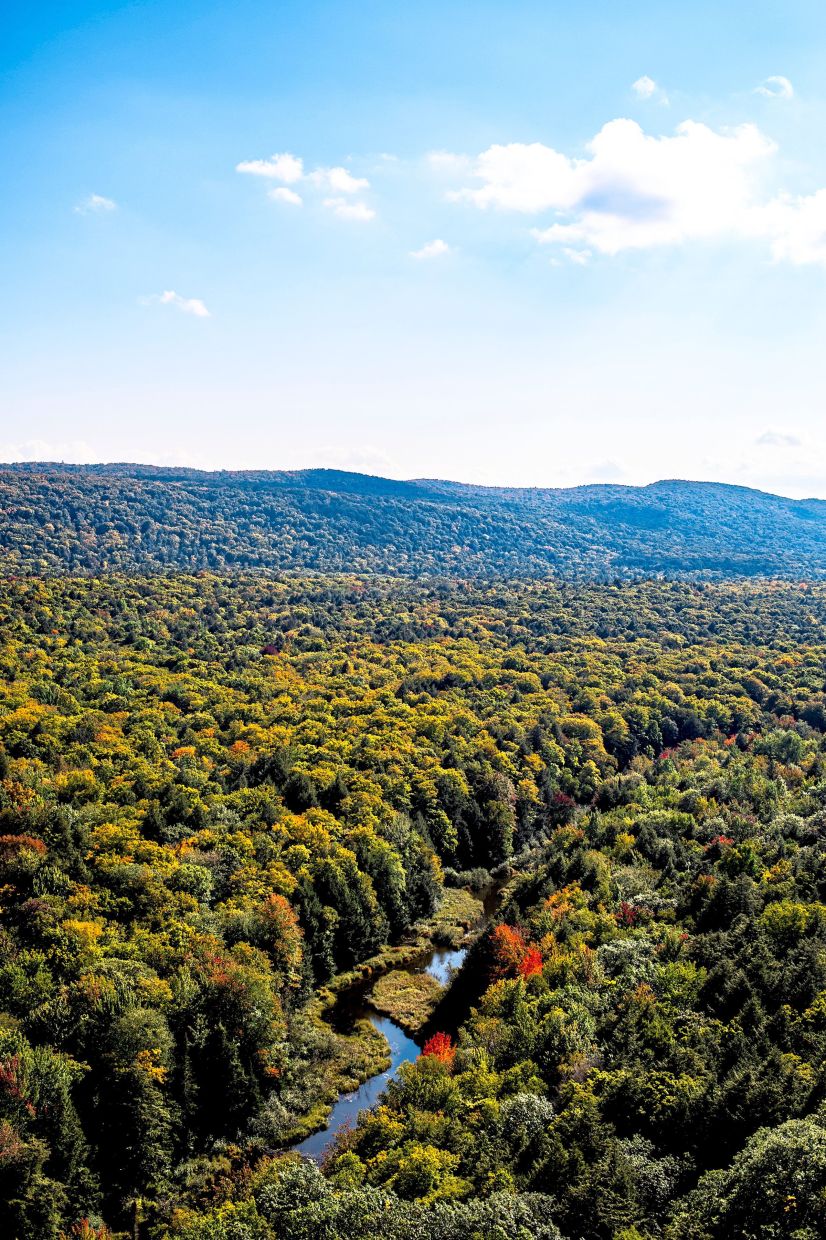
The Right to Night campaign emerged from opposition to the Copperwood Project, a proposed mine near the Porcupine Mountains.
Grotewohl discovered the UP dark sky ban while researching ways to protect the park. Official recognition of the sky’s darkness, he reasoned, could help conserve the land below and signal that night itself is a resource.
“If the mine moves forward, we want a best-case scenario,” he said. “Once we start recognising that darkness is worth protecting, a larger conversation will open.”
Highland Copper, the company behind Copperwood, said it adheres to DarkSky International principles for responsible lighting.
“Any outdoor lighting will be directed toward the ground,” the company said. “We are exploring additional steps, such as berms and tree plantings, to reduce impact while maintaining safety.”
The ban originated in 2012, when Michigan lawmakers designated nearly 8,500ha downstate as dark sky preserves. The law required downward-facing, shielded, and motion-sensor lighting – but prohibited preserves on state land in the UP.
State senator Ed McBroom, representing most of the UP, said the ban was meant to prevent restrictions that could stymie industrial growth.
Mining discussions had already begun; one project, Back Forty Mine, stalled after being placed on the National Register of Historic Places.
“It is still the foundation of our economic success,” he said.
Nevertheless, the petition by Protect the Porkies, the environmental group Grotewohl founded to oppose the Copperwood Project, has amassed thousands of signatures.
State representative Julie Brixie introduced a Bill in June to repeal the prohibition, but has been unable to secure UP co-sponsors despite over 4,800 letters urging support.
Industrial encroachment on natural darkness is not unique to Michigan.
Light from Alligator Alcatraz, an immigrant detention centre in Florida, trespassed into Big Cypress National Preserve this summer.
Mining threatens the darkness of Minnesota’s Boundary Waters; oil and gas extraction affect the Arctic; and Chile’s Atacama Desert suffers light pollution from industrial facilities.
“It’s not about banning all light, but promoting responsible outdoor lighting,” said Hartley, whose organisation works with sports fields, marine ports and other facilities to minimise light pollution.
“At a large scale, they can coexist,” he stressed.
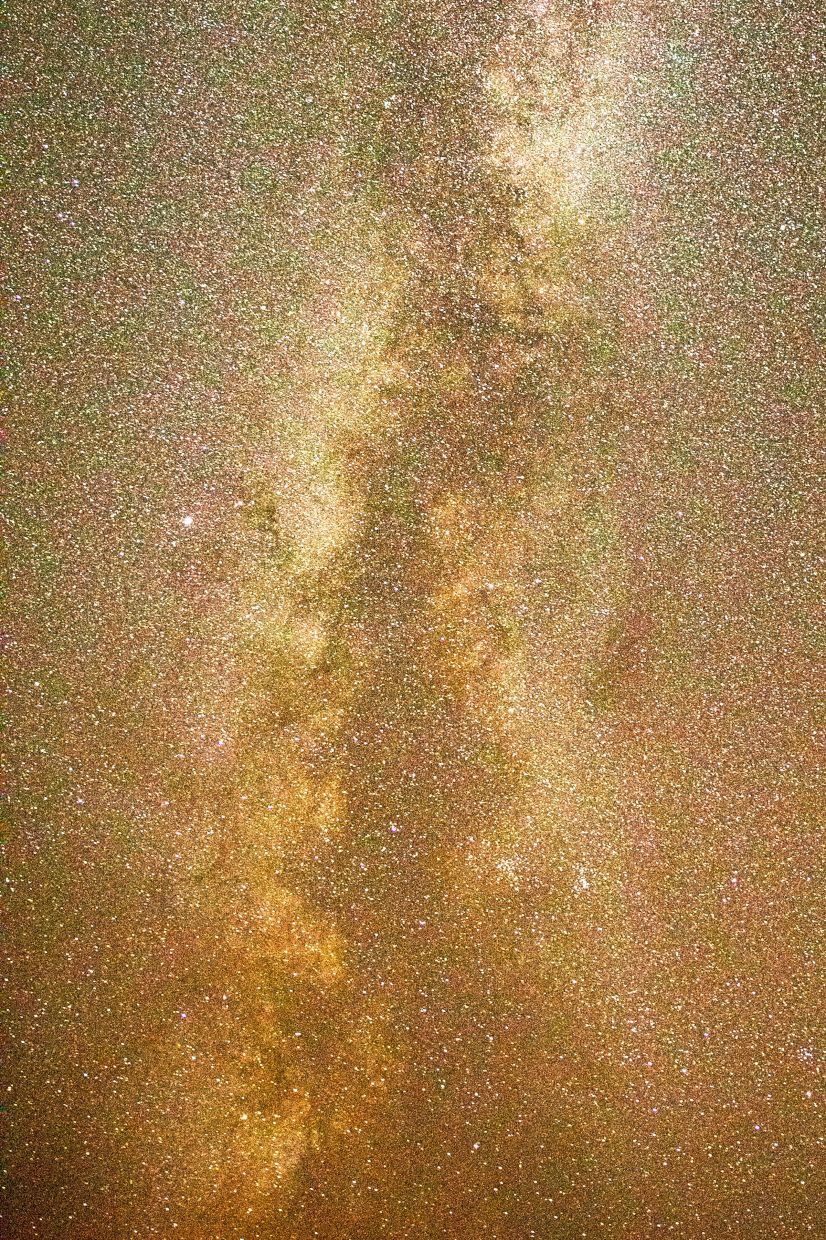
Michigan has 10 dark sky places, many along lake coasts, where the night sky reflects in the waters.
Only one – a golf course at Keweenaw Mountain Lodge – is in the UP. Privately owned, it gained certification through DarkSky International rather than the state. The designation offers no legal protections, but it has enabled public access, star-gazing events and telescope lending.
“The UP clearly has a lot of opportunity in dark sky tourism,” said Brad Barnett, executive director of the Keweenaw County tourism office. “We’re a little dumbfounded by the restriction.”
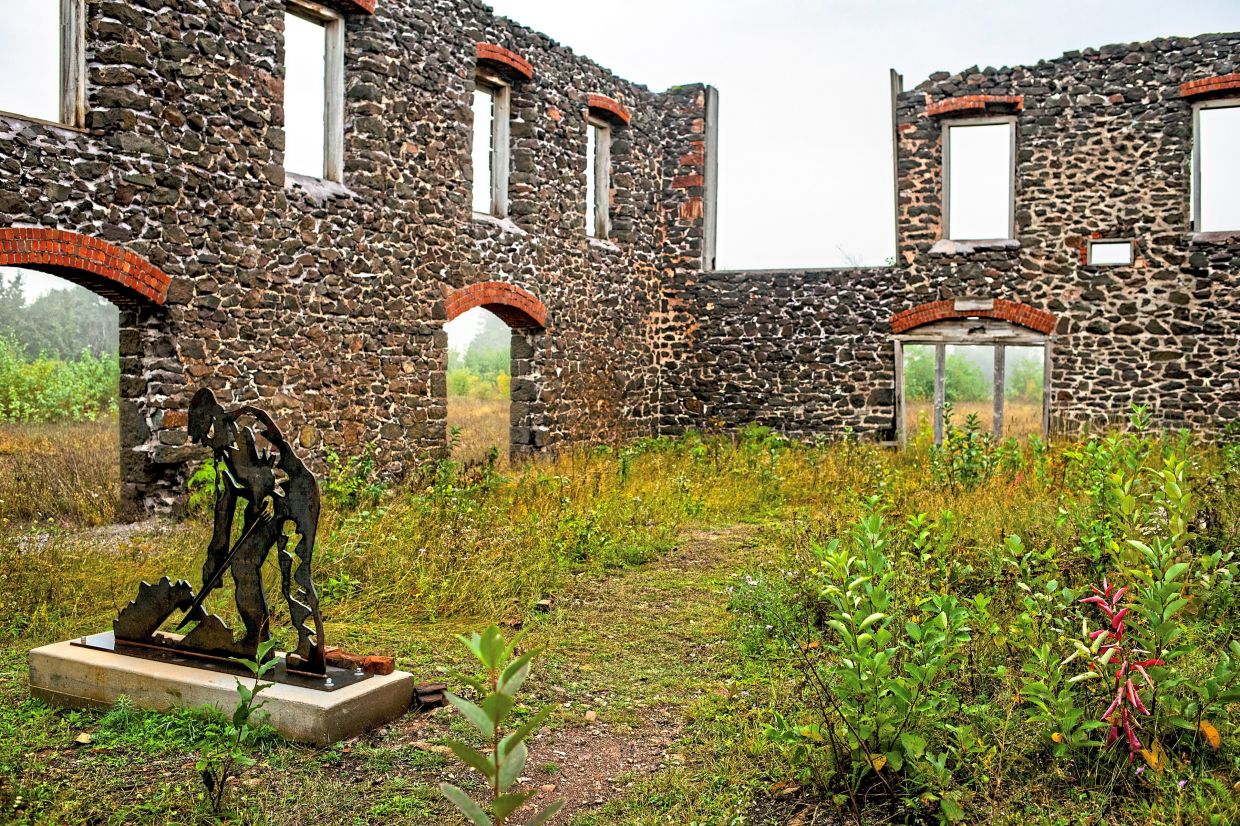
In September, Barnett hosted the first Great Lakes Aurora Dark Sky Jamboree, drawing Midwesterners for a weekend of science, astrophotography and celestial wonder.
“We’re really here to celebrate our dark skies, and the way to celebrate them best is to preserve them, to try to keep them dark,” said Melissa Kaelin, founder of the Michigan Aurora Chasers. — ©2026 The New York Times Company
This article originally appeared in The New York Times
Already a subscriber? Log in
Get 20% OFF The Star Digital Access
Cancel anytime. Ad-free. Unlimited access with perks.