ON a Saturday morning in Helsinki, Lassi Kurkijarvi and his four-year-old daughter stepped into an elevator near Hakaniemi market square.
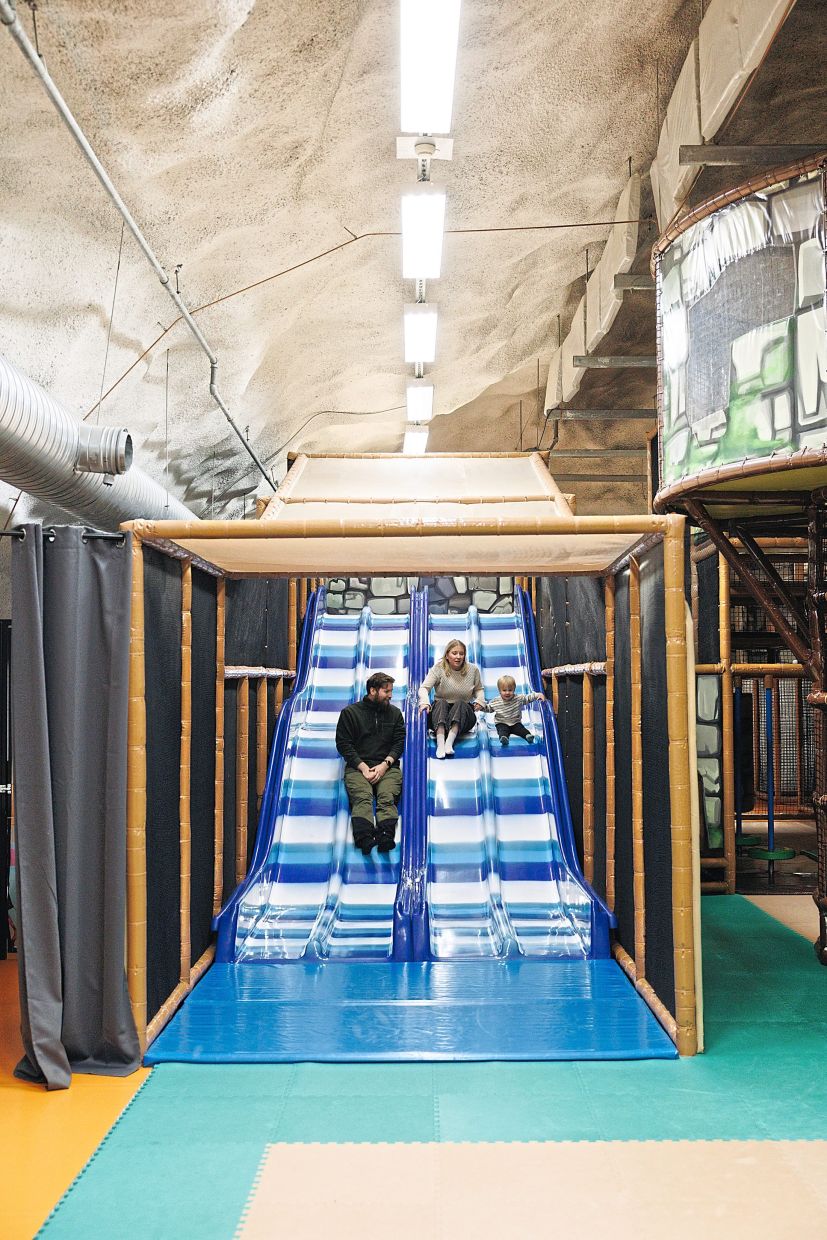
After a 20m descent through the city’s granite bedrock, the girl darted down a tunnel into the cavernous Leikkiluola (Play Cave), disappearing into a palm tree-themed adventure maze.
Kurkijarvi, 45, a father of four, also enjoys the Play Cave. It’s ideal for last- minute play dates, and the activities, from rope ladders to trampolines, challenge his children.
“There’s safety,” he said. “With a little risk.”
As for the cave’s other purpose – a fortified shelter to protect Finns in case of military invasion or nuclear attack – he said he never thought about it much until Russia’s 2022 invasion of Ukraine.
“OK, this is also a civil defence shelter,” he recalled thinking. His oldest daughter got upset. “She said, ‘Dad, you told me there’s going to be no more wars!’”
Kurkijarvi scanned the brightly coloured maze. “That time is over, I guess.”
As the war in Ukraine rages on and Finland’s president warns of renewed Russian aggression, many Finns are reacquainting themselves with the country’s vast network of vaestonsuoja, or civil defence shelters.
After the Cold War, most European countries abandoned civilian shelters. Finland, sharing a 1,343km border with Russia and having ceded a tenth of its territory to the Soviets in World War II, never did.
Today, Finland trails only Switzerland in shelters per capita.
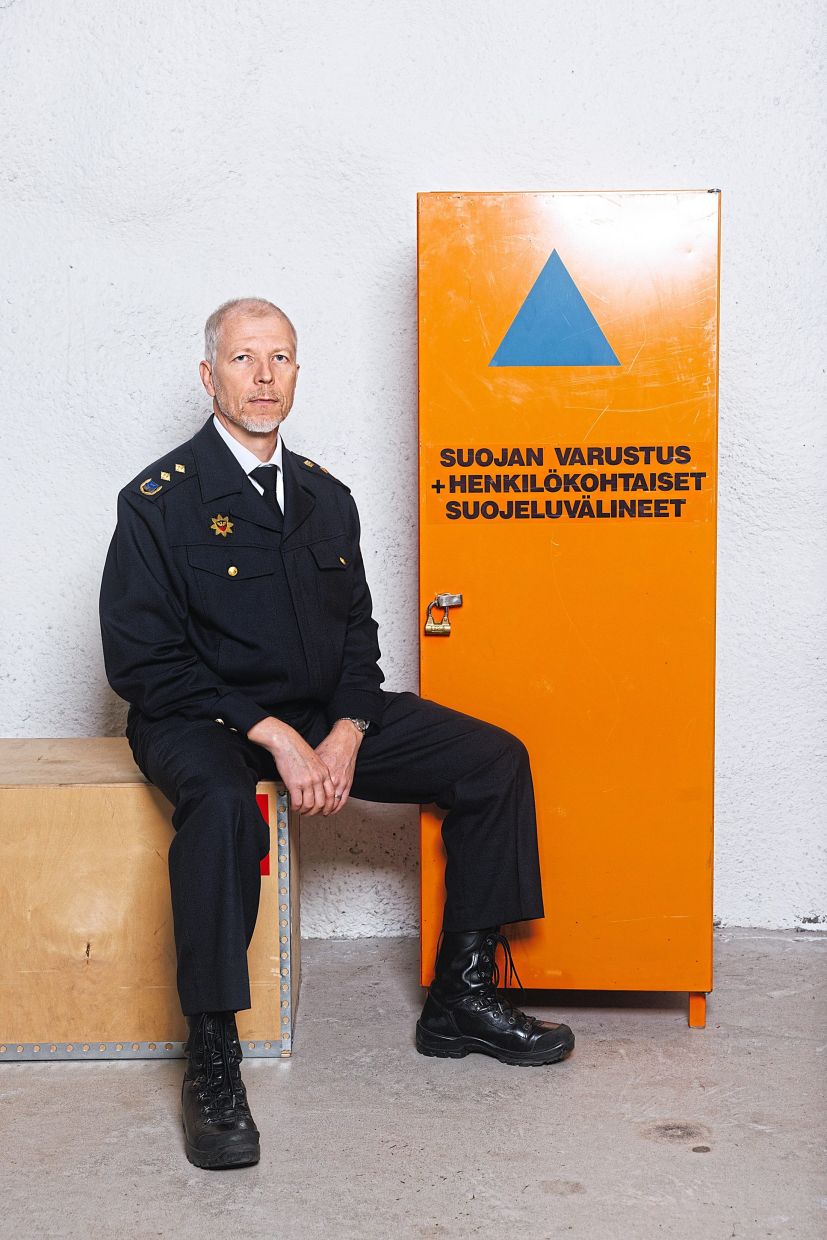
In Helsinki, a city of about 700,000, roughly 5,500 civil defence shelters can house every resident, with room to spare. About 50 are in massive subterranean spaces, marked with blue triangles on orange backgrounds.
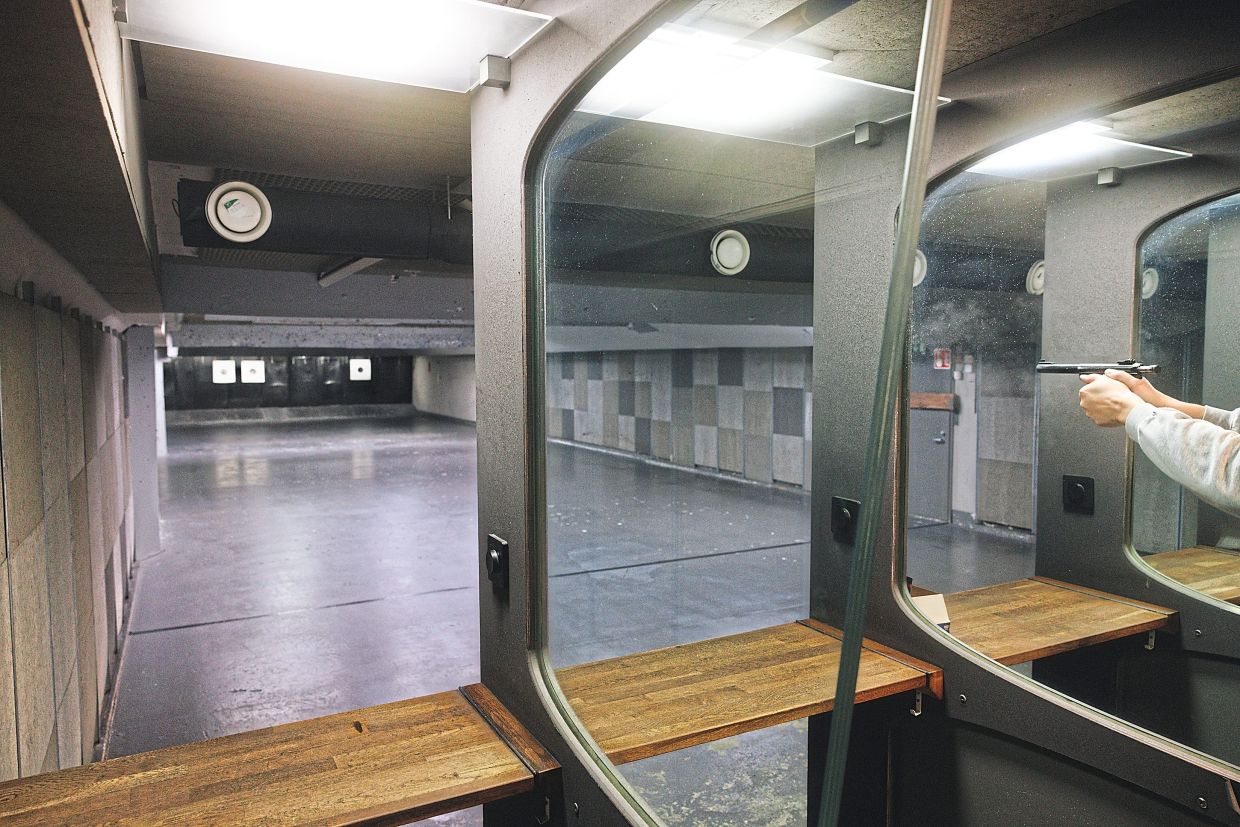
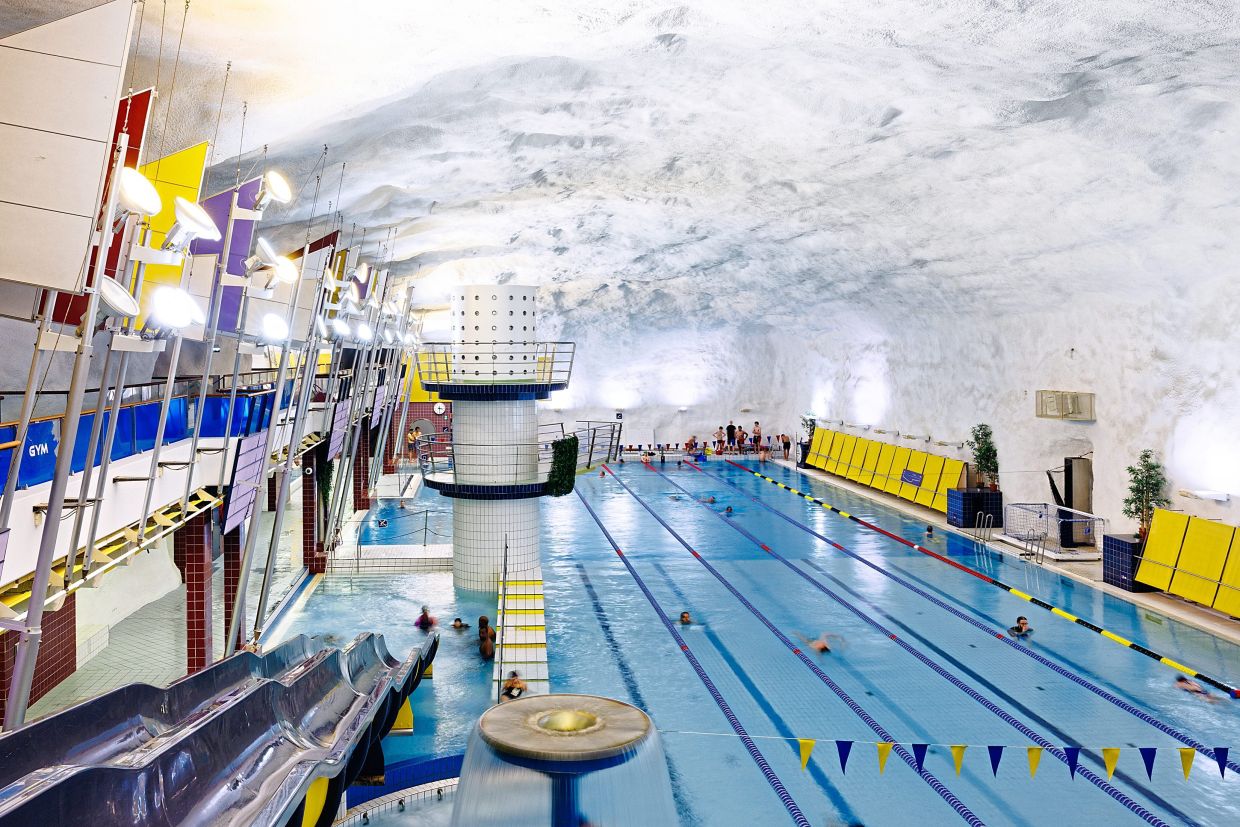
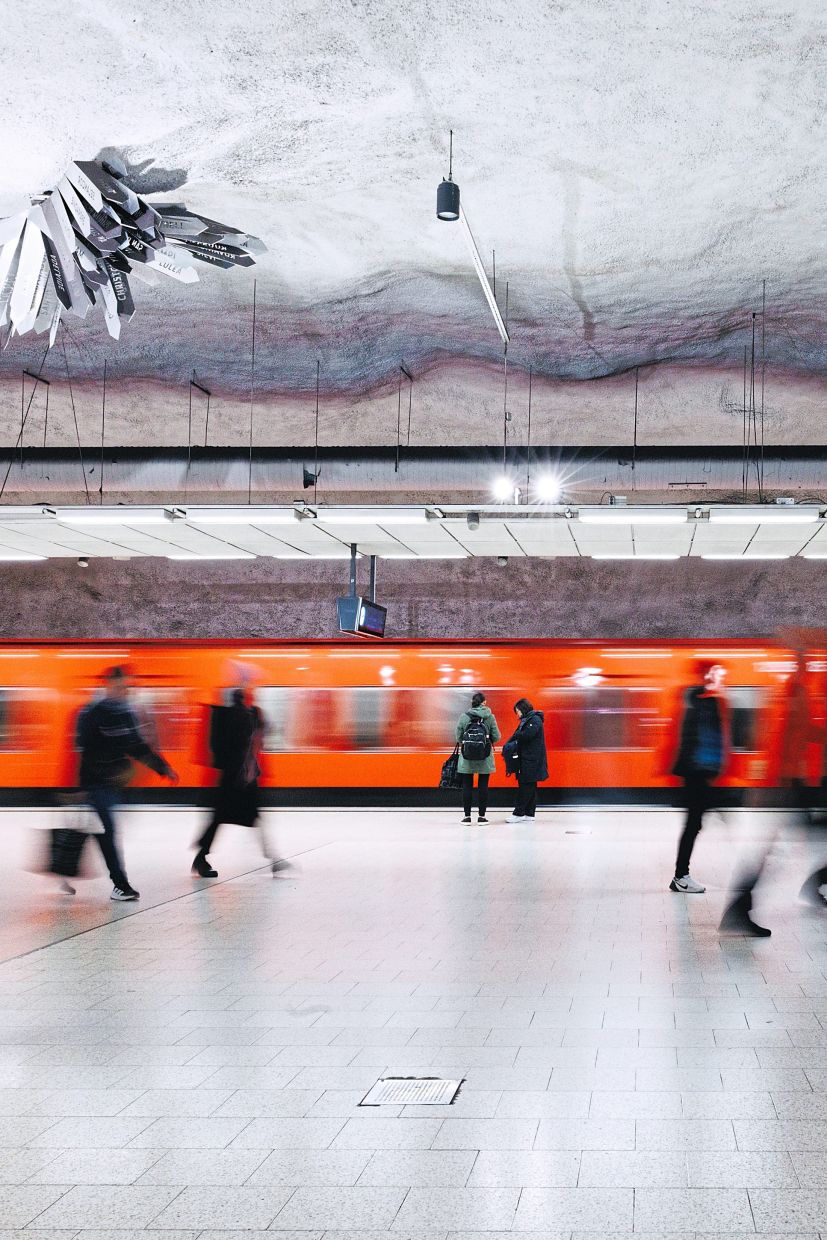
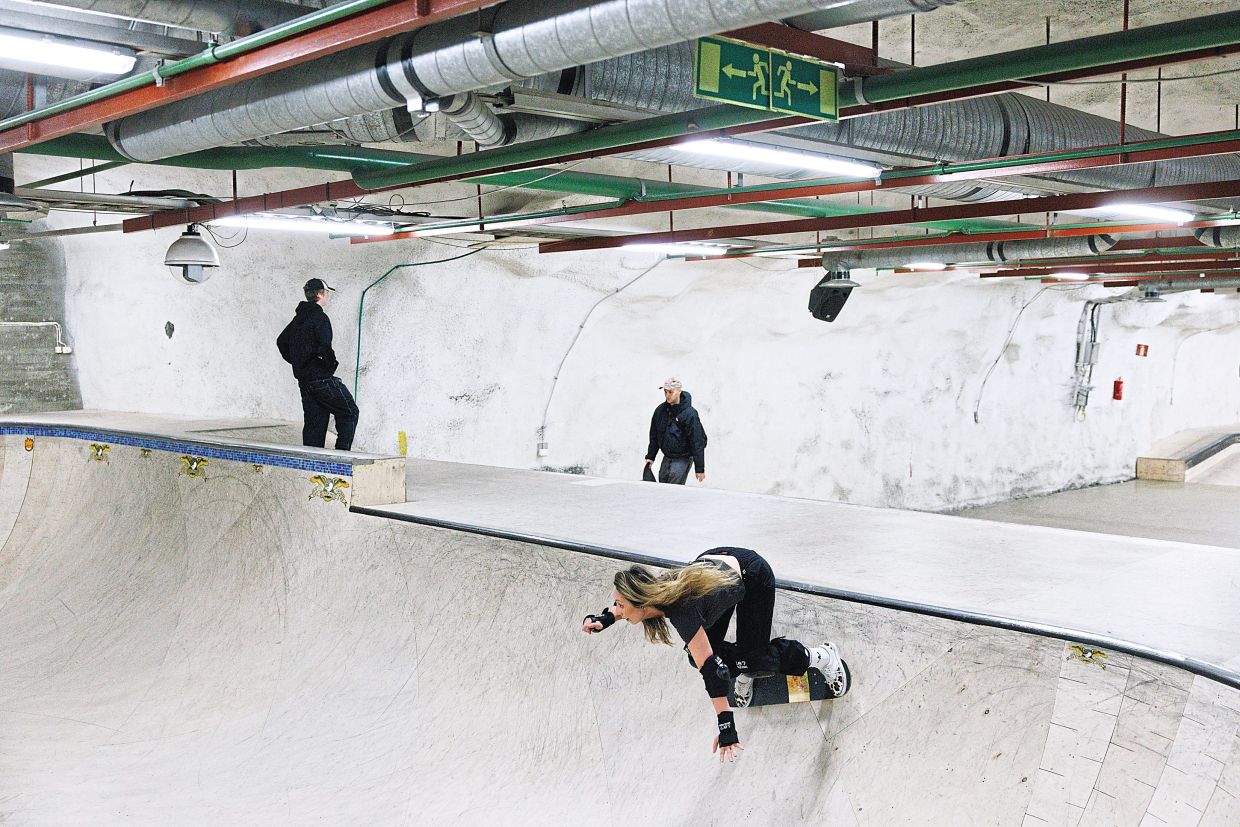
Day to day, they serve as parking lots, metro stations, skate parks, go-kart tracks, archery ranges, and even the Itakeskus swimming hall.
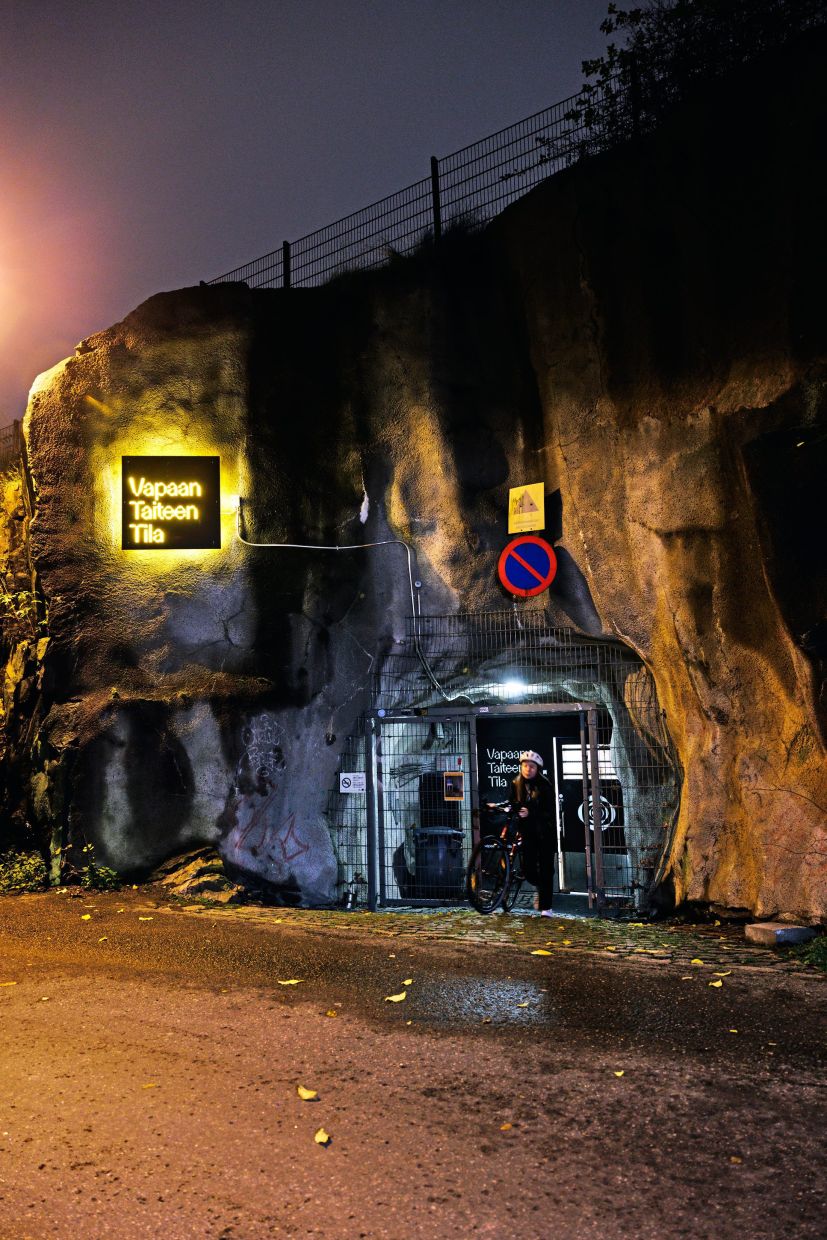
One, the Vapaan Taiteen Tila performance space, hosts stage productions and art exhibitions near the University of the Arts Helsinki.
But all are designed to withstand building collapses, blast waves and radiation.
Russia’s full-scale attack on Ukraine “changed a lot,” said Pasi Raatikainen, senior civil defence planner with Helsinki City Rescue.
“In ’22, there was a humongous increase in calls: ‘Where’s my shelter? Where’s my shelter? Where’s my shelter?’”
The city rents cave spaces on the condition they can be cleared and converted back to shelter use within 72 hours. The same requirement applies to shelters in residential and commercial buildings, schools, and museums, usually in cellars or on the ground floor.
Finns too young to remember the Cold War often think of these rooms as storage areas.
“I was asking people, and they didn’t even know if they had one,” said Eriz Moreno, a Spanish photographer documenting apartment shelters since moving to Finland in 2020.
“Now, because of the international situation, people are rediscovering them.”
Finnish architects are taking note too.
“In recent decades, we thought with modern warfare, you don’t need to hide anymore,” said Teemu Kurkela, founder of JKMM Architects. “But Russia showed us, they don’t do modern warfare. Even with drones, shelters are useful.”
Some real estate listings now highlight civil defence shelters as a standard feature.
Residents in older or smaller buildings without one can use communal caverns dug deep into the bedrock.
The city provides maps, a hotline, and tours for journalists, diplomats, heads of state and Nato delegations.
“We build, and we let people know we build,” said Raatikainen, 57. “We also let possible enemies know: we have the capability and means to protect. Your terror will not succeed.”
For Isto Okonhovi, 37, a downtown garage doubling as a war bunker is just part of life. He grew up playing floorball underground and hearing war stories from his grandfather, injured twice by Russian bombs.
“We have this history; it’s just part of who we are,” he said. “I mean, everybody here knows how to use a gun.”
Finland’s geology makes underground construction ideal.
“All the grey, polished rock you see in Helsinki, even the archipelago islands shaped like whales, was formed by ice ages,” said Tuomas Toivonen, architect and operator of Kulttuurisauna public bath.
“The glaciers produced this exposed bedrock. And it’s great for excavation.”
Excavation methods vary, from explosives to hydraulic digging. Spaces are reinforced with sprayed concrete and steel.
Caverns built in World War II began with hand-held drills and wheelbarrows; later shelters grew larger. By 1993, the Itakeskus shelter could house an Olympic-size pool, water slides, a gym, saunas, or 3,800 refugees.
Helsinki now has so many caves and tunnels it created one of the world’s first underground master plans in 2011.
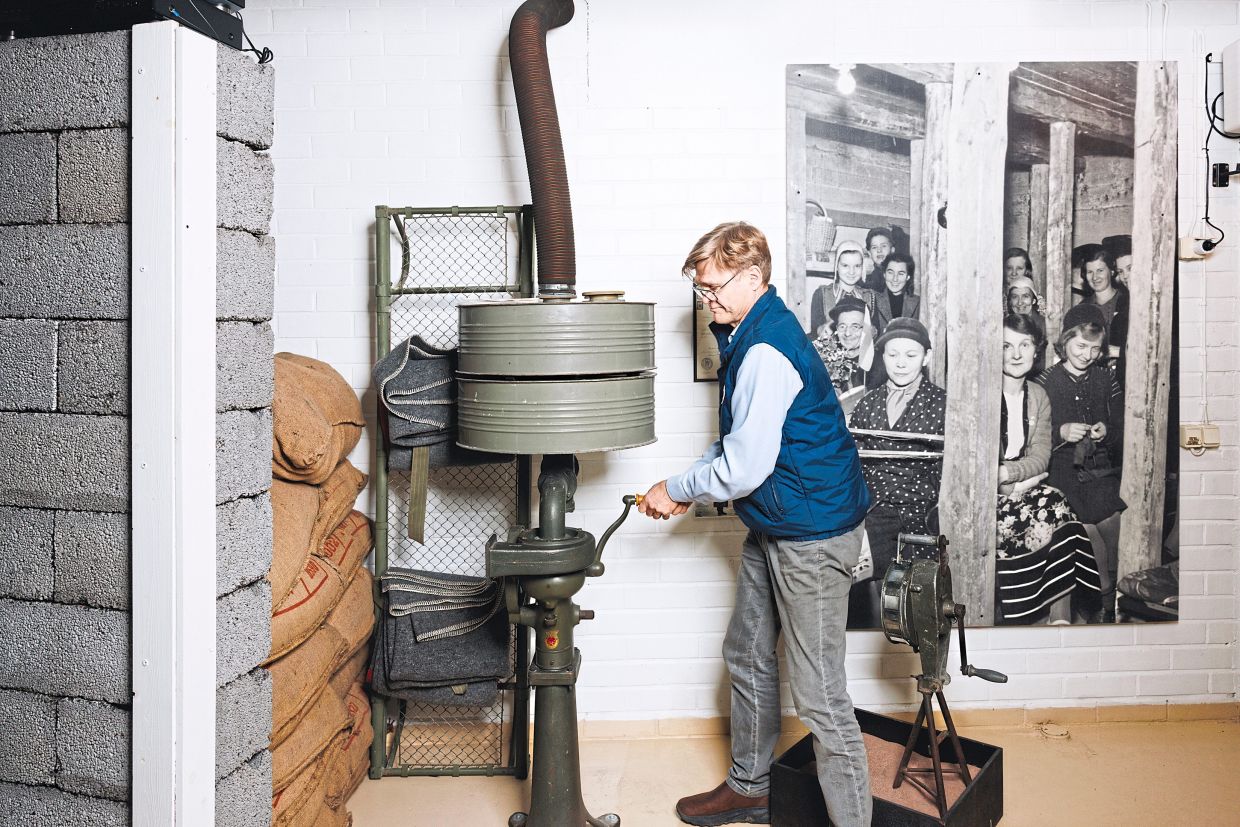
One cave houses the Museum of Civil Defence, training volunteers to operate shelters if needed.
“We need them if war breaks out, and demand is high,” said Jukka Lehtiranta, 69, chair of the defence association.
On a recent tour, he showed metal doors, showers for nuclear decontamination, a control room, 1940s gas masks and an early air filter adapted from a milk separator. The need for shelters “is a little bit current, unfortunately”, said Miika Hamalainen, 35, an entrepreneur.
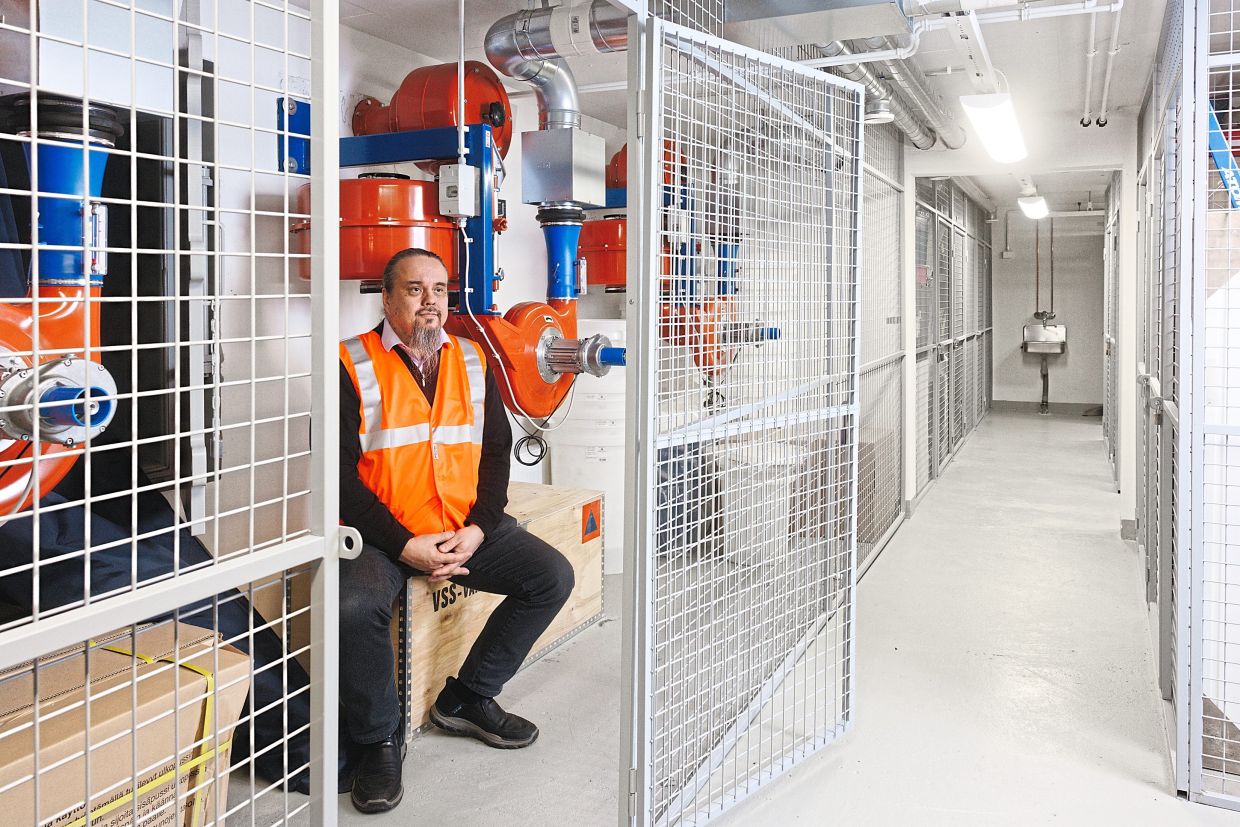
Also on the tour was Ari Korhonen, 56, a computer science lecturer who serves as a security manager in his building.
“The courses were full,” he said. “You couldn’t get a place.” — ©2026 The New York Times Company
This article originally appeared in The New York Times.
The Play Caves
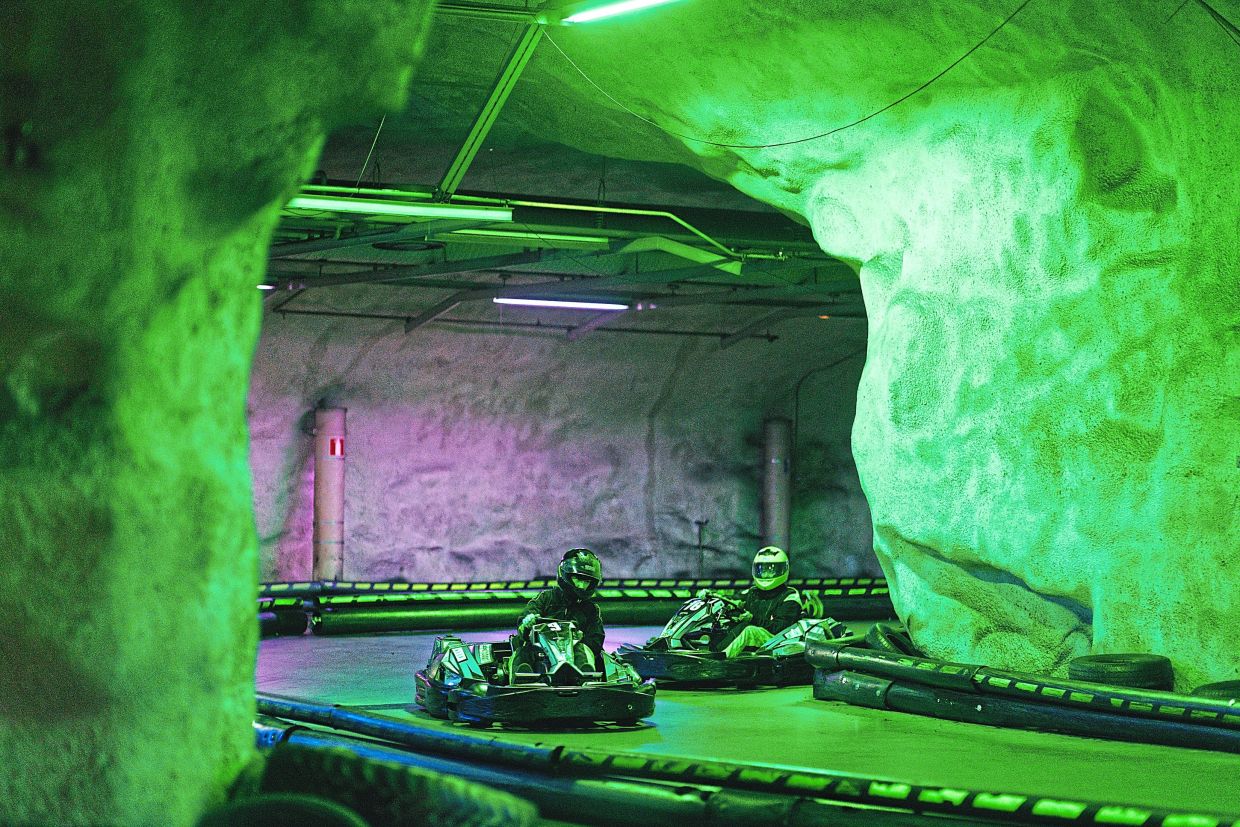
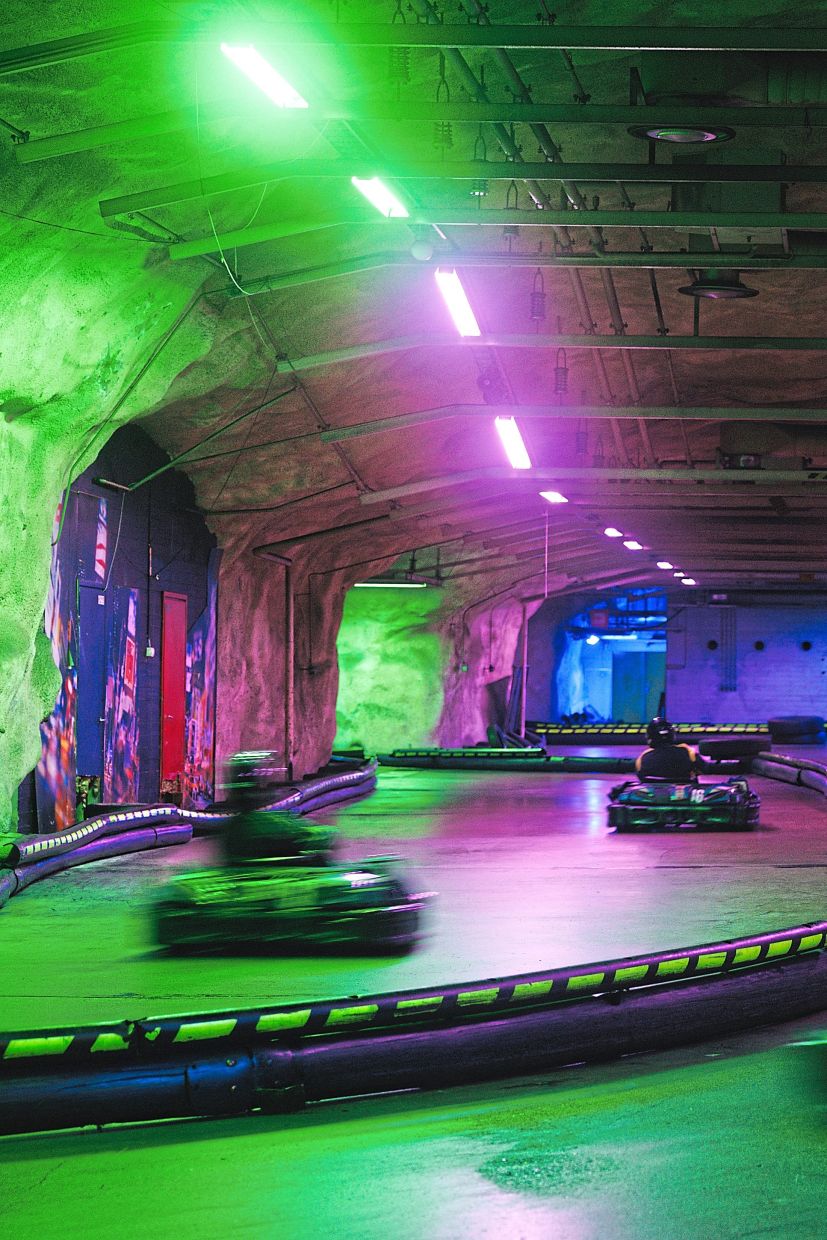
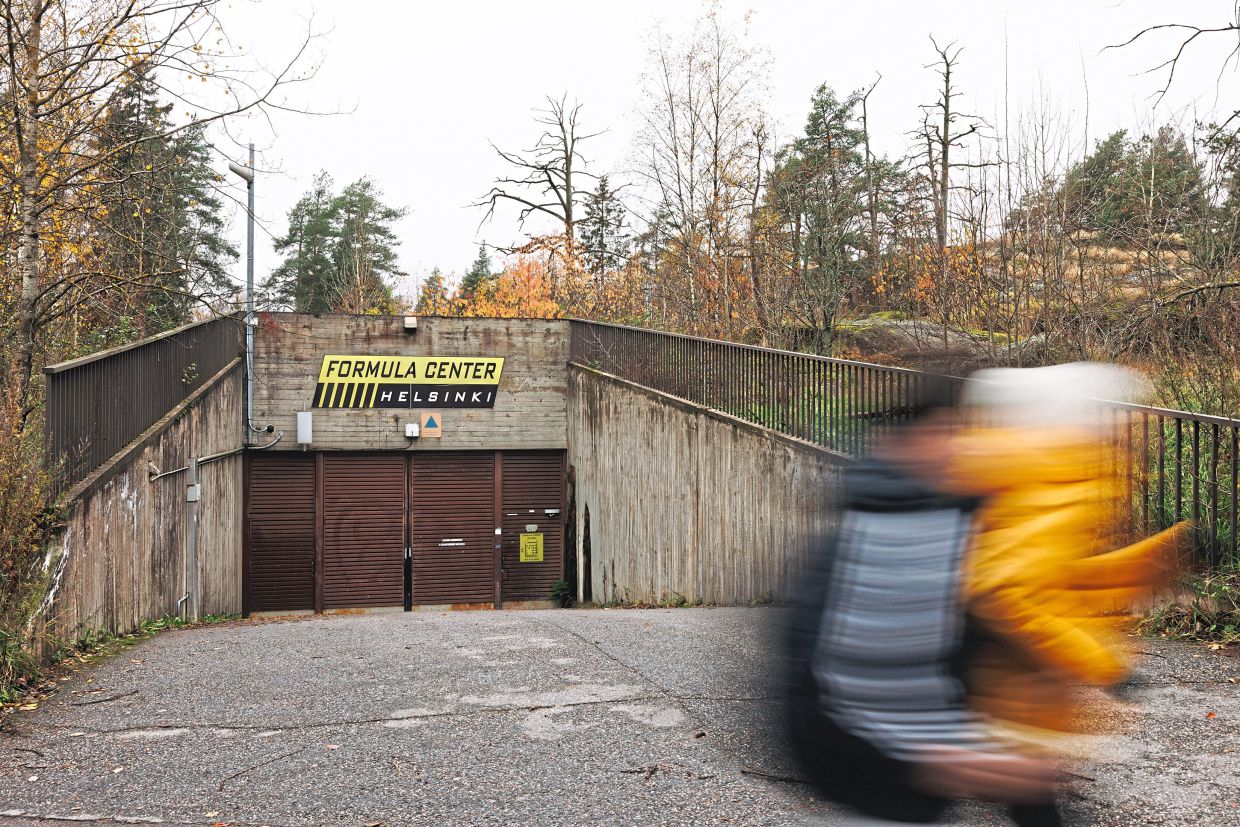
The underground Formula Center go-kart track in Helsinki. — Photos: Vesa Laitinen/The New York Times
The underground Formula Center go-kart track in Helsinki.
Osuva, an underground shooting range, in Helsinki.
Jukka Lehtiranta, head of the city’s Civil Defense Association, demonstrating an early hand-cranked air filter that was made with a modified milk separator, at the Museum of Civil Defense in Helsinki.
Ari Korhonen sitting in the civil defense bunker that he volunteers to maintain under his apartment building in Helsinki.
Raatikainen at an underground shelters. — Vesa Laitinen/The New York Times
Slides at an underground children’s playground in Helsinki.
Itakeskus, a popular underground swimming hall, in Helsinki. — Vesa Laitinen/The New York Times
Commuters at the underground Kamppi metro station in Helsinki.
Luuppi, an underground skatepark in Helsinki. — Vesa Laitinen/The New York Times
The entrance to Vapaan Taiteen Tila, an underground event space that hosts music performances, techno parties, theatre productions and art exhibitions, in Helsinki. — Vesa Laitinen/The New York Times
An entrance to the Formula Center, which houses an underground go-kart track in Helsinki.