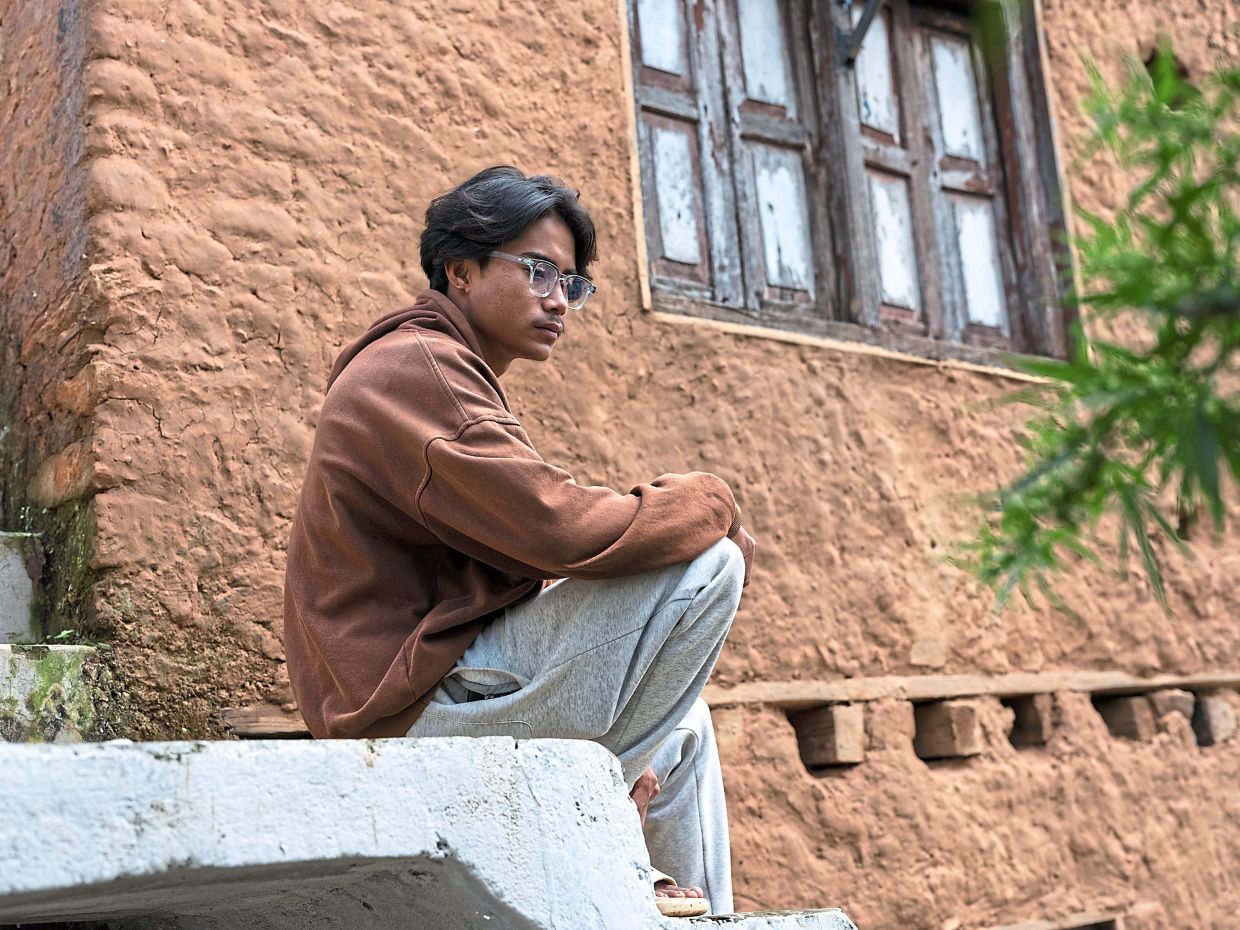
IN his hometown of Chamkhar, a tiny village of breathtaking beauty nestled into the hillside about an hour from Nepal’s capital, Kathmandu, 22-year-old Rajendra Tamang sits plotting his future.
The golden fields of corn, verdant slopes and imposing Himalayan peaks offer little in the way of opportunity. Neither does the rest of Nepal, he says.
“Jobs are scarce and competition is fierce, even for low-paying work,” Tamang explains.
“Wealth disparity is high and corruption is endemic.”
Two years ago, he moved to Dubai, working 16-hour days, six days a week, switching between roles as an office peon, a cleaner and a warehouse labourer.
The salary was four times what he could expect back home, but the gruelling shifts wore him down.
As he browsed Dubai’s shopping malls on his days off, he noticed that baristas and secretaries were in demand.
If he added those skills to his resume, he reasoned, he might improve his employability. So he returned home and enrolled in a two-month barista training course in Nepal.
He learned how to operate a coffee machine, the difference between cold brew and iced coffee, and how to draw patterns in cappuccino foam.
He hopes those skills will make him stand out among the tens of thousands of Nepalis also hunting jobs overseas.
“I just don’t want to work in Nepal,” Tamang says. “You have to get out.”
Sick of corruption
In tiny hamlets and long passport queues alike, many young Nepalis – whether college graduates or school drop-outs – say they feel hopeless and frustrated.
Persistently high unemployment and inadequate investment in skills training have stunted growth.
The country relies heavily on remittances sent home by migrant workers, which now make up roughly a quarter of Nepal’s gross domestic product.
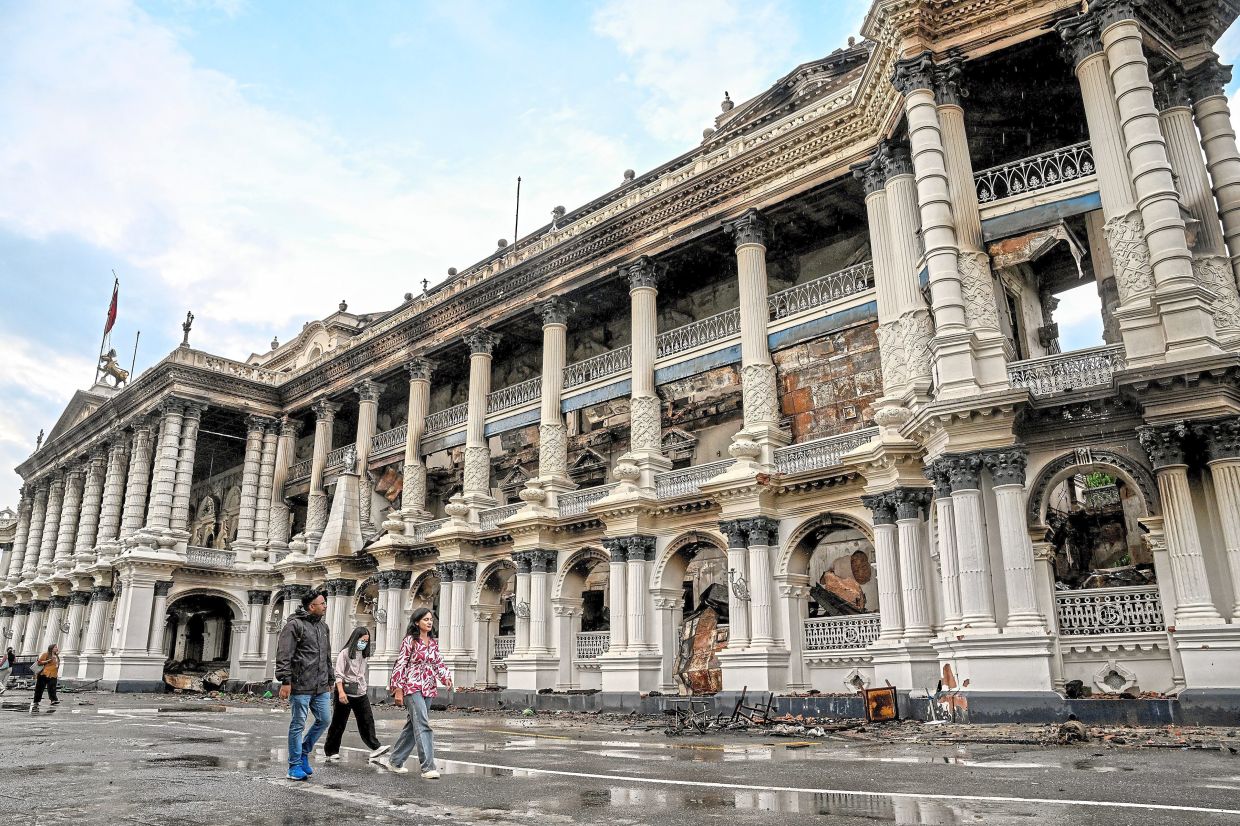
At the same time, many Nepalis report everyday corruption in dealings with bureaucracy, and point to an entrenched elite seen to profit from government contracts and land deals.
“The Gen Z protest was a necessary movement for change,” says 32-year-old cab driver Lal Bahadur Ghising, who spent two years working in Malaysia and used his savings to buy a taxi in Kathmandu. “Bribery is rampant.”
The protests were about more than corruption – they highlighted the plight of a large, young population facing an uncertain future.
Nepal’s unemployment rate among those aged 15 to 24 is almost double the national average.
Pressure to leave
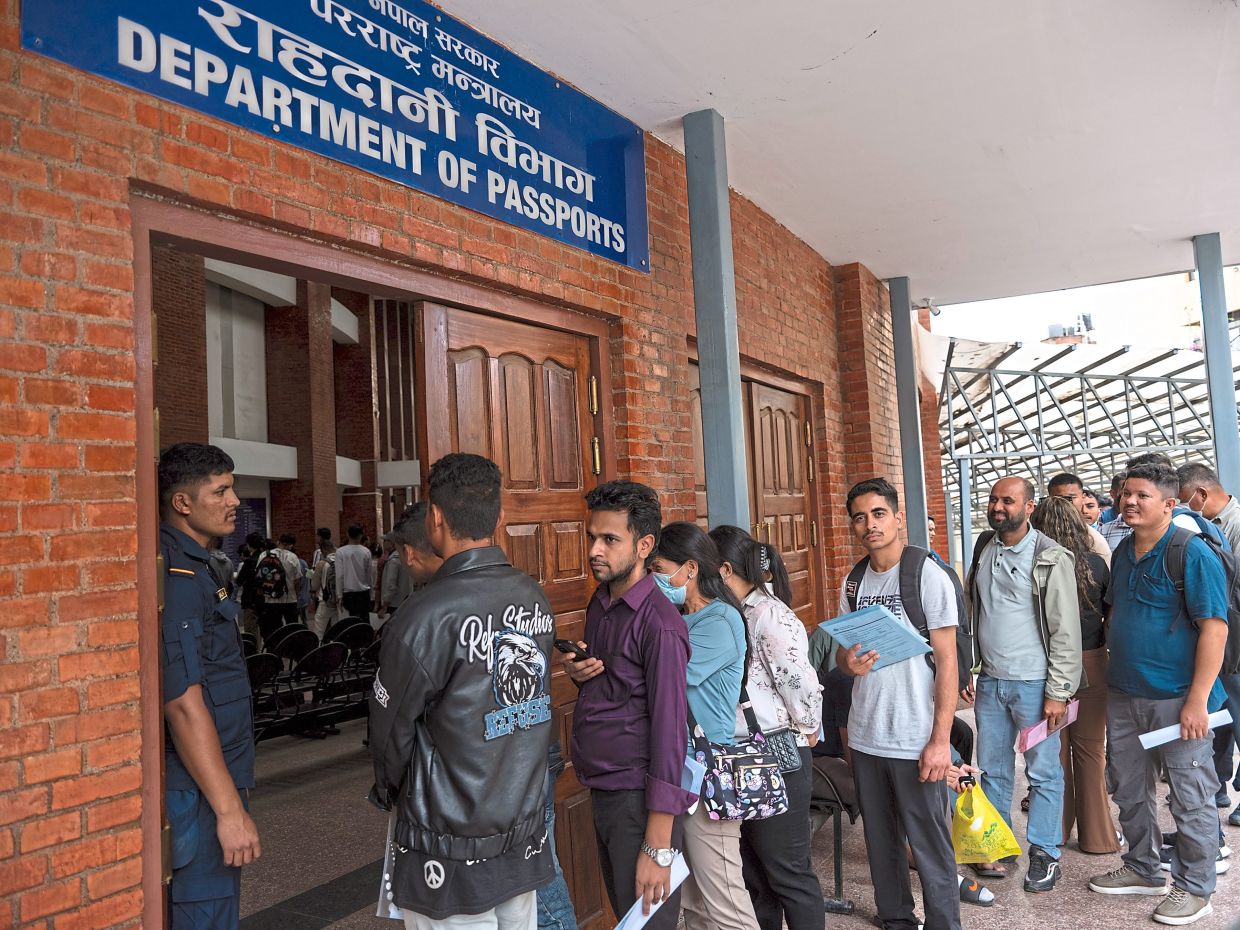
Five days after the student protests, as Kathmandu returned to calm, the Department of Passports returned to its usual humming.
Hundreds of young people queued for documents and many were applying for their first passports.
Among them was 29-year-old Sunita Bishwakarma, who turned up at 9am – an hour before the office opened.
Unemployed and with three boys to raise, she had received a message from her brother in Kuwait urging her to apply.
“If you go abroad, at least it’s a better place,” he told her.
Bishwakarma said she would rather raise her boys in Nepal, but the economic reality gave her little hope.
“It forces us to leave,” she said.
Agriculture remains the backbone of Nepal’s economy, but in towns and cities, the internet has opened up new possibilities – ride-hailing apps for drivers, digital marketing jobs and small online businesses.
However, as business-school graduate Roji Lama puts it, “Nepal doesn’t have the infrastructure to support entrepreneurship. For any country to develop, there has to be development of technology, transportation, food and water, facilities.”
He now drives a cab and hopes one day to build his own business.
A labour mill
With a population of about 30 million, Nepal provides a steady supply of unskilled labour to Gulf countries – and increasingly to parts of Europe such as Portugal and Greece.
Young Nepalis haul boxes in warehouses, chop vegetables in kitchens and drive trucks on construction sites abroad.
Roughly one in four households has a family member working overseas.
For many families, the trade-off is harsh: years of separation, but the money enables school tuition, medical bills and rebuilding after floods or earthquakes.
“To save, or even live properly, someone from the family has to go out,” says college student Tenzin Dolker in Kathmandu.
“It’s almost like an unsaid tradition.”
Her mother left Nepal when Dolker was six to work in Israel. She stayed abroad for 15 years, visiting only three times.
“She earned money in Israel and built her house here,” Dolker says.
“Her income at home could never have achieved that.”
Recruiters offer two-year “free visa, free ticket” contracts that are popular despite harsh conditions and the risk of exploitation.
Tamang says he was promised eight-hour days in Dubai – but ended up working 16-hour shifts.
“You have to get out,” he repeats.

The ‘nepo kids’
With over a million Instagram followers, Shrinkhala Khatiwada – a former Miss Nepal and Harvard graduate – was a role model for many young Nepalis.
Yet, in the lead-up to the youth protests she was targeted as a “nepo kid”, her father is a former health minister and her husband’s father was head of Nepal’s biggest media group.
Homes belonging to her relatives were among those burnt during the unrest.
Khatiwada said she had wanted to support the protesters but was shocked “at being painted as their enemy”.
“My silence was not born of privilege or indifference; it came from trauma and shock,” she said.
Asked whether she had benefited from tainted money, she replied, “I never gained from ill-gotten gains.”
Some young people now dismiss the demonstrations as a brief flash of anger – educated, middle-class frustration aimed at a closed elite.
“For teenagers, it hasn’t changed much,” Dolker says.
“Now they’re like, ‘I have to leave even sooner.’” — ©2025 The New York Times Company
This article originally appeared in The New York Times