THE global economy has been good to Poland. After the Berlin Wall fell in 1989, Poland’s economy was crawling along the bottom of lower-middle-income countries, with 900% inflation.
Today, Poland is the newest member of a trillionaires’ club of nations with economic output exceeding US$1 trillion.
But the global economic system that set the stage for what’s known as the Polish miracle is crumbling.
US President Donald Trump’s enmity towards once-close allies has led to tariffs and restrictions that are rewiring trade and unsettling industries from autos to agriculture.
Military build-up rather than economic cooperation is being relied on to maintain security. And China, once viewed as a source of cheap imports and market opportunities, is perceived as a rival.
The question now is whether Poland – and other European countries that benefited from an era of international collaboration – can sustain momentum in the new order taking shape, particularly when Russian aggression shows no sign of waning, global growth is slowing, energy prices are rising and White House policies can change between breakfast and dinner.
“People are wondering if it is the end of the golden age or not,” said Pawel Pustelnik, chief operating officer of the tech firm Future Processing and vice-president of the Software Development Association in Poland. “It is a difficult moment for us.”
Future Processing was founded in 2000 as Poland was transforming its economy. The company, started in the home of an entrepreneur, Jaroslaw Czaja, has grown into a US$70mil-a-year enterprise with 800 employees.
Its sleek headquarters in Gliwice in southern Poland are, fittingly, built on an abandoned coal mine that has been converted into a business and educational centre.
Instead of blackened coal slag and excavators, the site features a preschool for employees’ children and padel ball courts.
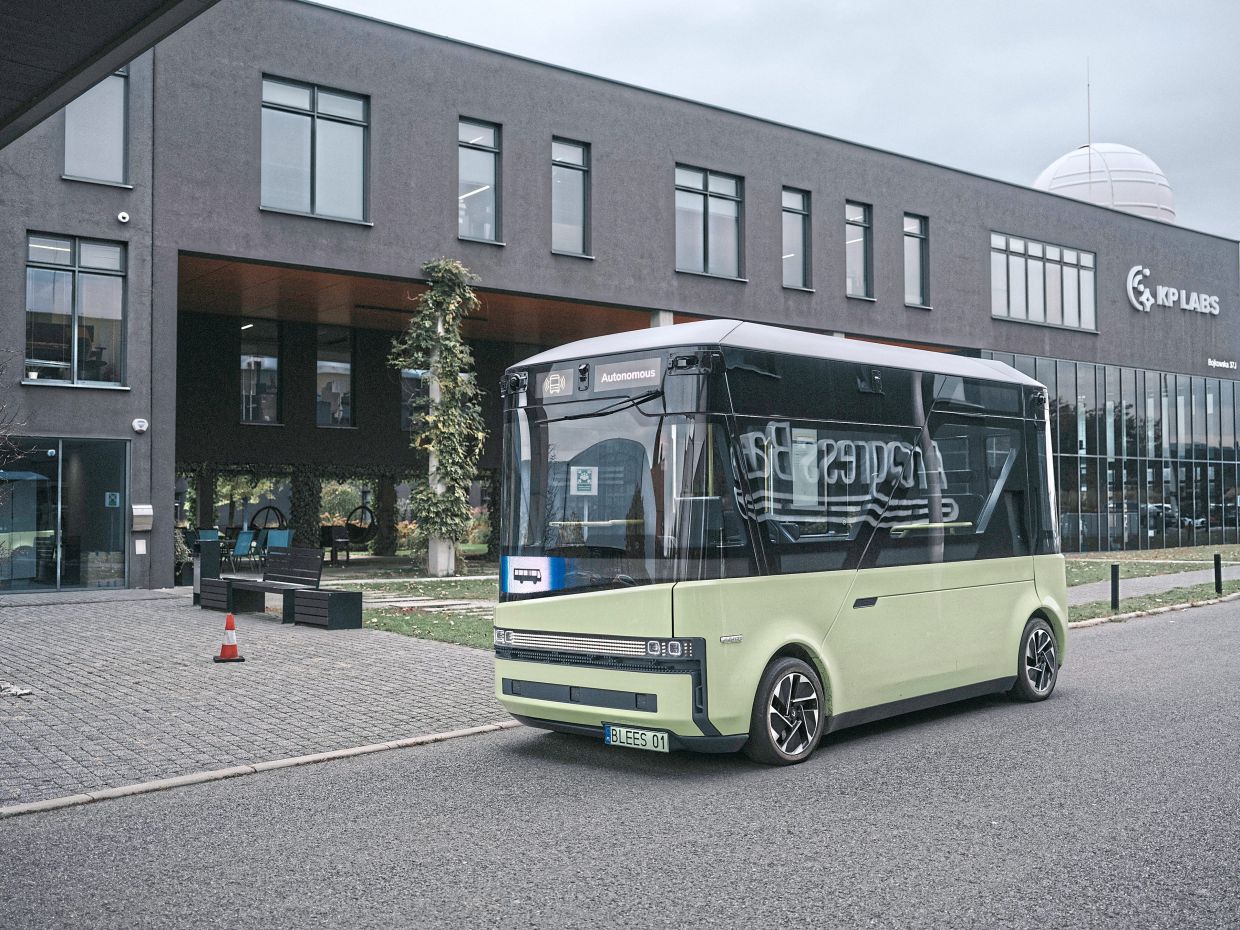
The centre’s roadways and parking lots are being used to test self-driving buses being developed by another of Czaja’s start-ups, Autonomous Systems.
Brutal shock therapy reforms, masterminded by a former finance minister, Leszek Balcerowicz, and administered throughout the 1990s, began the transformation to a capitalist economy.
Poland’s admission to the European Union in 2004 was a turning point, supercharging growth and providing enormous amounts of money to rebuild highways, railways, sewage lines, airports, museums and concert halls.
Membership also required the adoption of legal and regulatory standards that strengthened the nation’s institutional backbone. And Poland was given access to Europe’s single market, which caused a surge in foreign investment, industrial development and an exchange of knowledge and talent.
Over the years, Poland developed a diversified economy with vibrant agricultural, health, automobile, technology and financial services sectors.
A central European location, well-educated labour force and large consumer market of 38 million people also contributed to its success.
“The Polish domestic market is big enough for us,” Szymon Janota, CEO and a co-owner of Graylight Imaging, which is developing artificial intelligence systems to analyse medical scans and detect coronary artery disease.
From 1995 to 2024, Poland’s economy tripled in size and is still one of the fastest growing in Europe.
The outlook, of course, darkened after Russia attacked Ukraine in 2022. The invasion delivered a gut punch to the continent’s economy as the flow of cheap Russian energy dried up as well as to the larger economic system that had paved the way for shared growth.
Like the rest of Europe, Poland has been struggling with high energy costs, burdensome European Union regulations and increasing competition and pressure from both the United States and China.
The unravelling of the international order has sped up since Trump imposed punishing tariffs on Europe and weakened America’s once-unquestioned security guarantees. Poland doesn’t export much to the United States, but its automotive sector and broader economy are closely tied to Germany, which does.
“We don’t know how this will play out in the long term,” Pawel Cygan, managing director of Kirchhoff Polska, a car parts manufacturer, said of the tariffs. “In the short term, however, the risks haven’t really materialised yet.”
A pending trade agreement with Latin American countries – part of an EU push to develop other global markets – could also have negative effects for Poland.
Cheaper imports of poultry and grains from those countries will compete with Poland’s agricultural producers both at home and in Europe.
For Poland, the war next door has been particularly traumatic, which was underlined recently when Nato had to shoot down a swarm of drones presumably from Russia.
Warsaw has built up its military to counter the Russian threat. Its armed forces are larger than Germany’s, France’s or Britain’s. By next year, Poland will be the first country in the Atlantic alliance to spend 5% of its total income on defence.
There are costs.
The budget leaves less money for social or economic programmes and raises the national debt. And because most of the spending will go to purchasing weapons and equipment from other countries, particularly the United States, the economic impact will be limited.
Anxiety about the war has also caused some foreign investors to delay or abandon projects, said Michal Boleslawski, the CEO of ING Bank Poland.
More important are the more than a million Ukrainian refugees who have settled in Poland, an enormous influx of workers and taxpayers, said the former finance minister, Balcerowicz, now a professor at the Warsaw School of Economics.
The challenge for Poland and Europe is how to adapt to and perhaps take advantage of a global system that is shifting in threatening and unpredictable ways.
The push to build more secure and resilient supply chains is one opportunity.
Pawel Gierynski, managing partner at Abris Capital, a private equity firm in Warsaw, said a reassessment of supply chains had been gathering force since the pandemic.
“We see a lot of nearshoring of manufacturing into Central and Eastern Europe,” he said.
For many Poles, the shifts are just another in the country’s long experience of adversity and reversals of fortune.
Poland has been forced to adapt to changes quickly, said Marta Kepa, CEO of the software association: “History makes us flexible.” — ©2025 The New York Times Company
This article originally appeared in The New York Times
A challenging new order
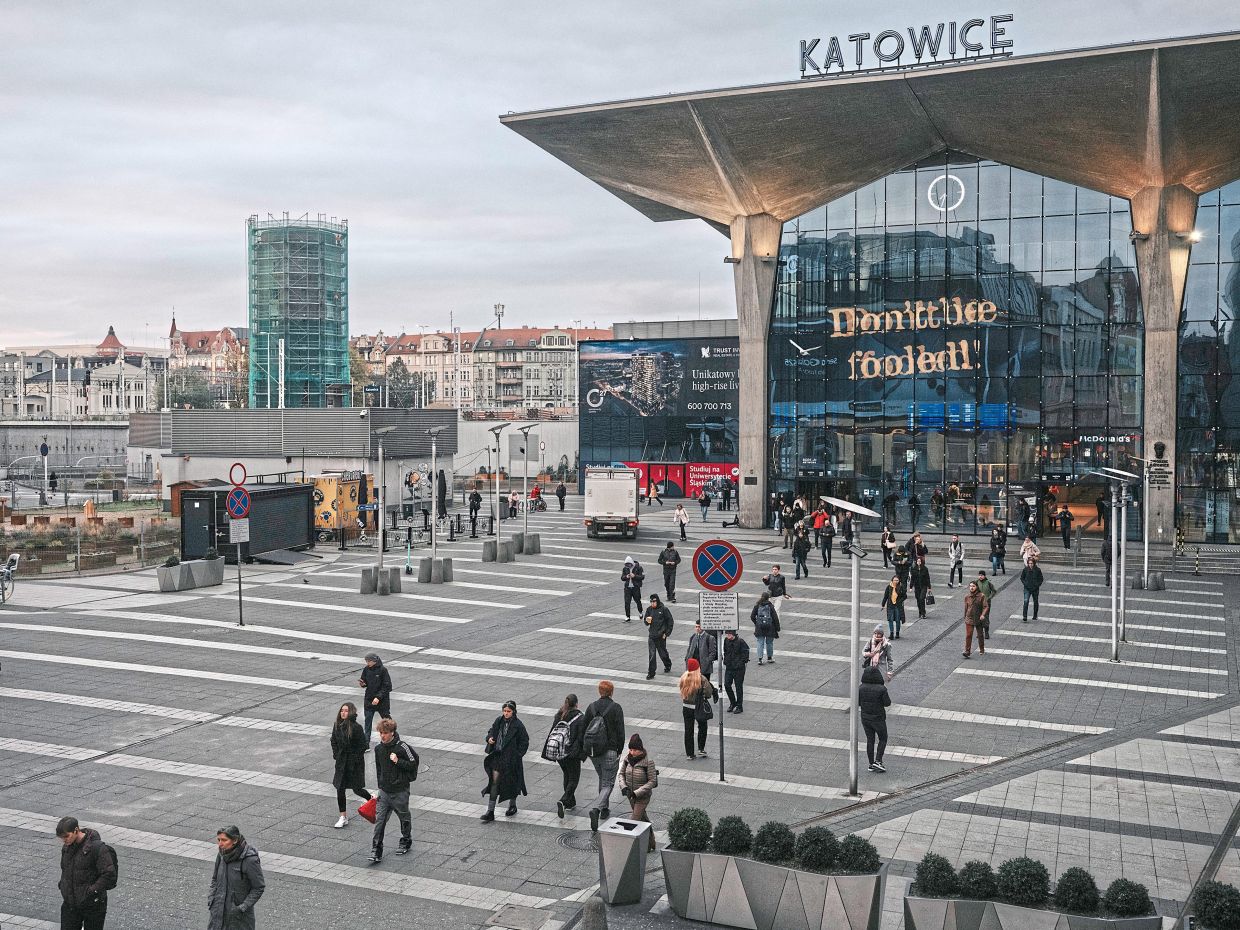
Katowice, a former coal-mining hub in southern Poland that has been transformed into a business and tech center. — Photos: Maciek Nabrdalik/The New York Times
A self-driving minibus developed by Autonomous Systems is tested in Gliwice, Poland. Poland and other countries across Europe that found economic success in an era of collaboration are now facing a crumbling of international alliances. — Maciek Nabrdalik/The New York Times
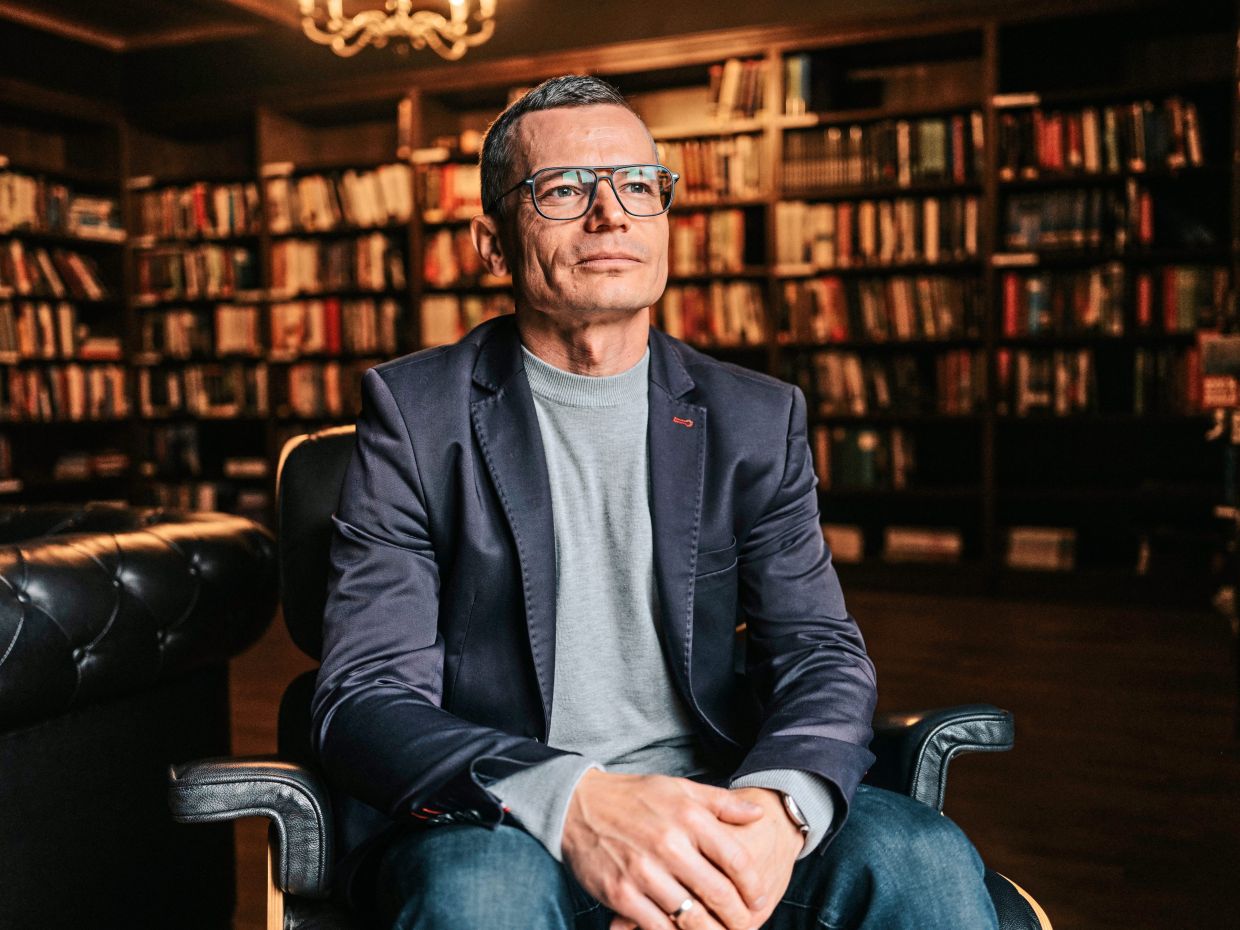
Pustelnik: 'It is a difficult moment for us.'
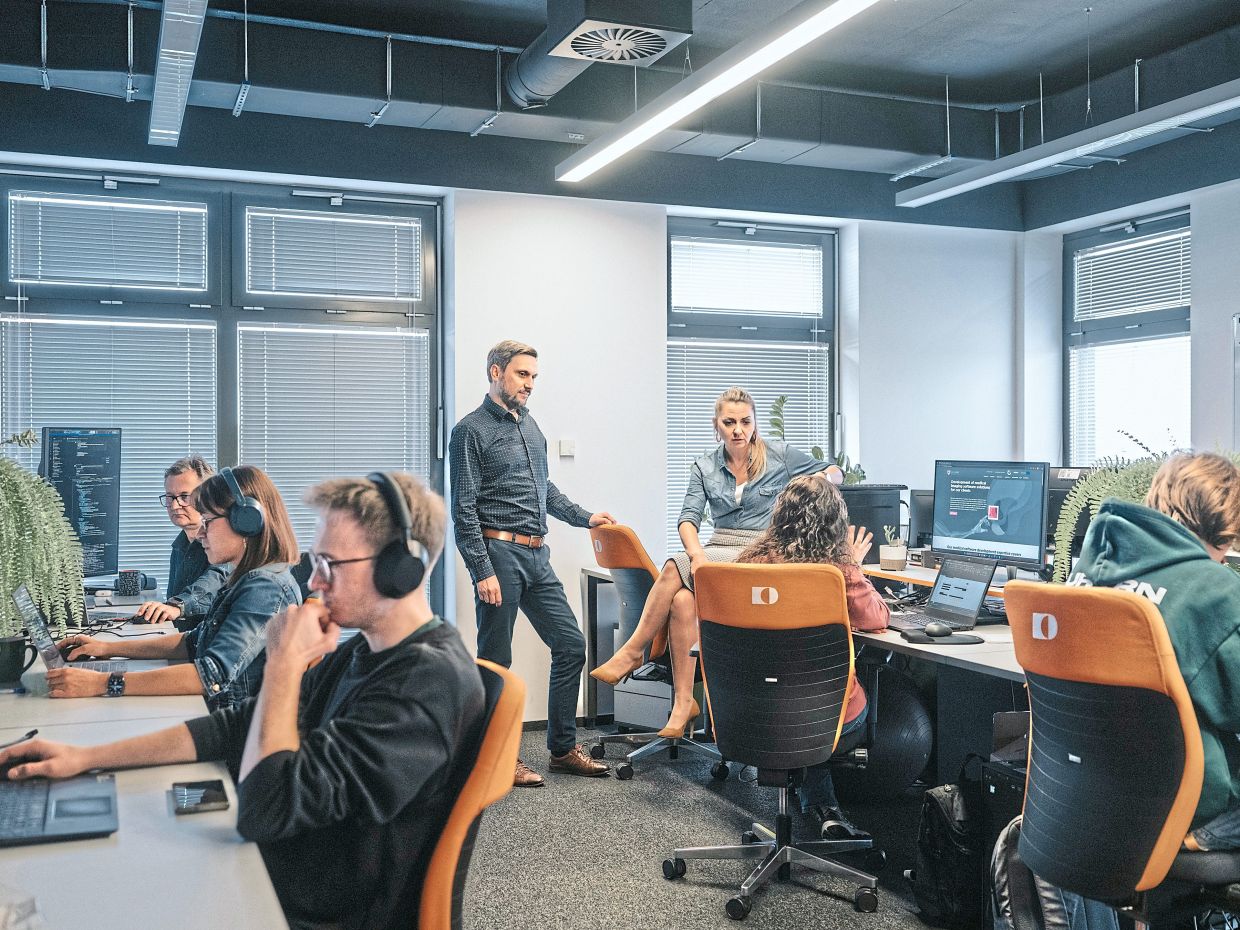
Szymon Janota and Ewa Sieczka, co-owners of Graylight Imaging, in their company’s office in Gliwice.
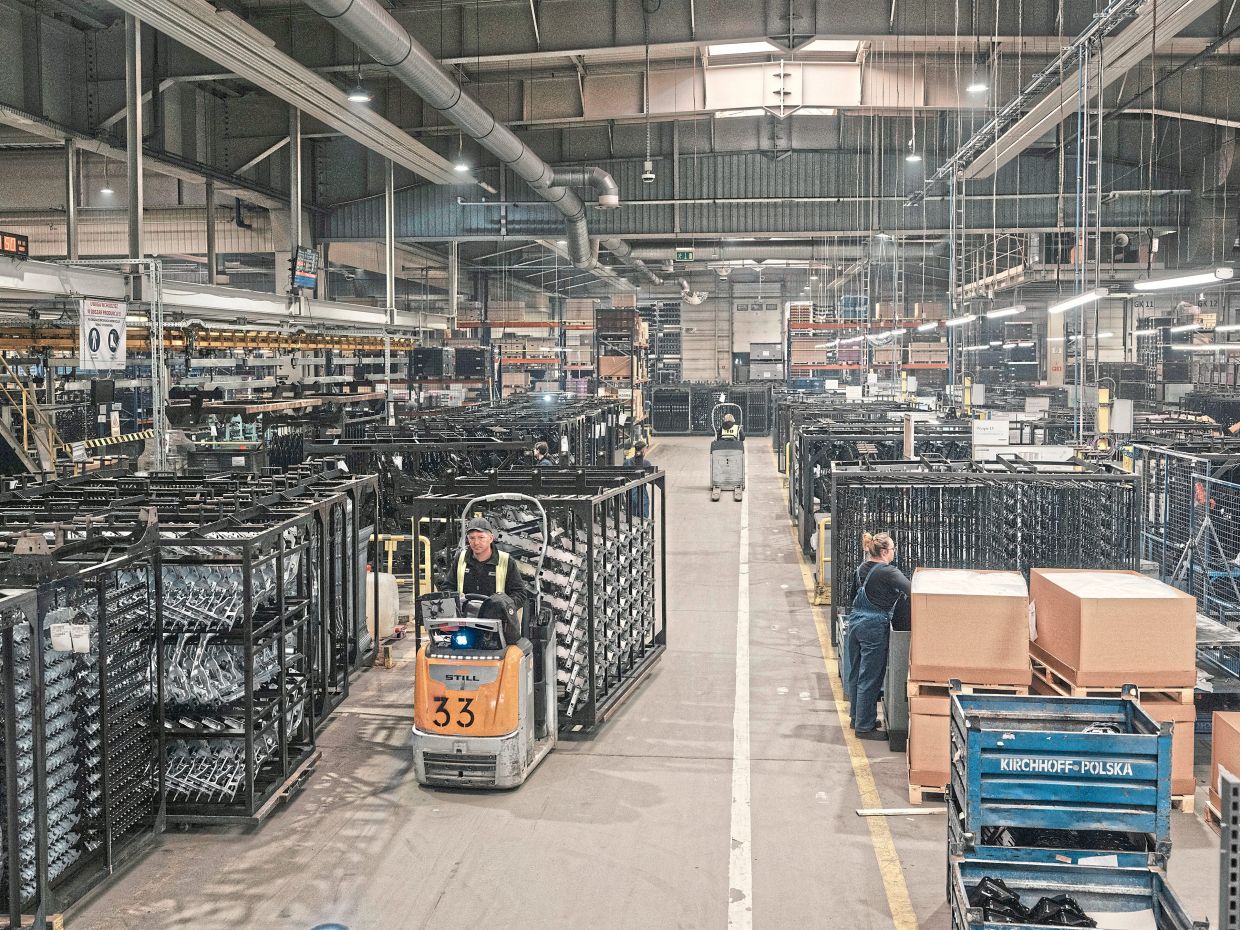
Workers at Kirchhoff Polska.
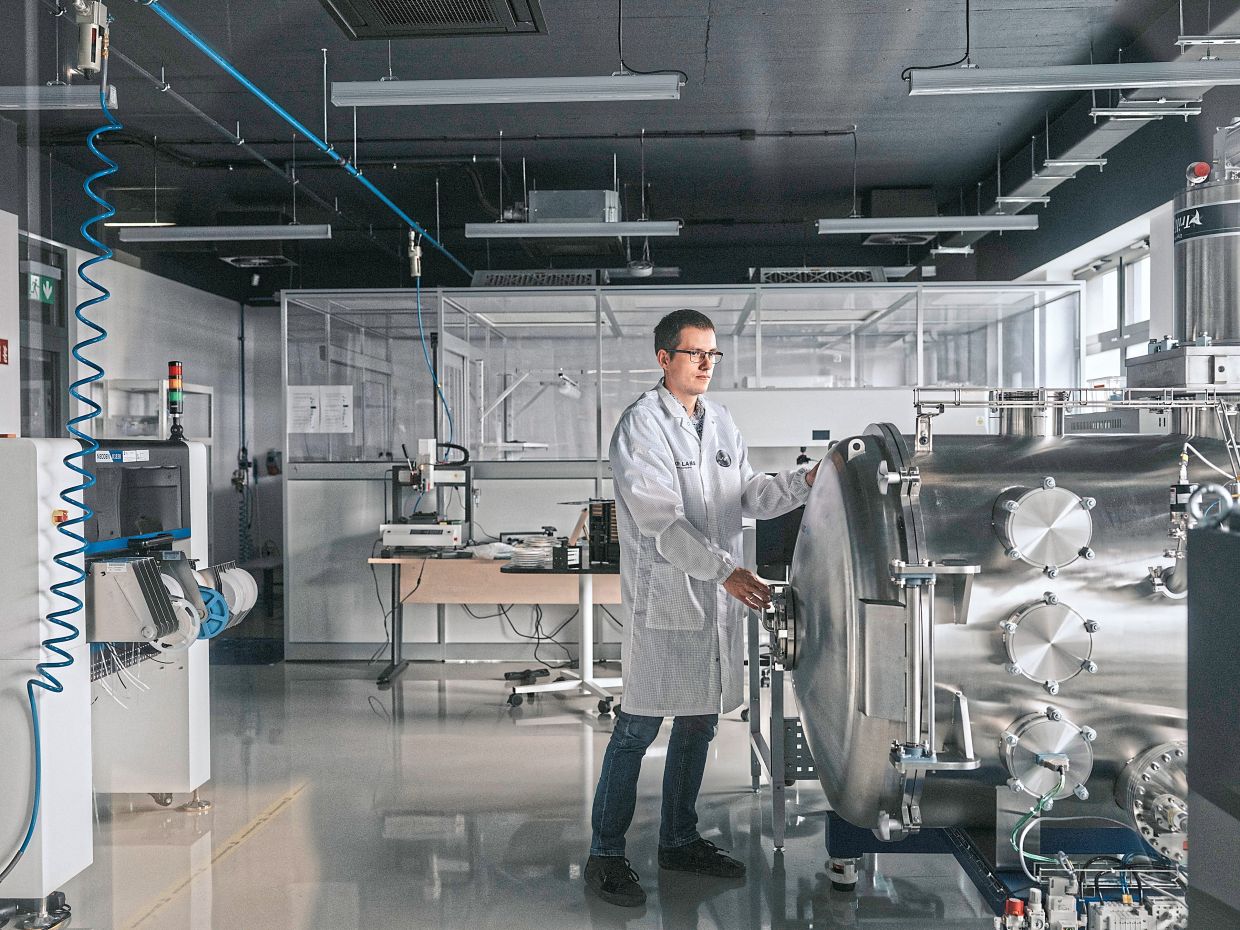
The laboratory of KP Labs, an aerospace company in the business and education center in Gliwice.
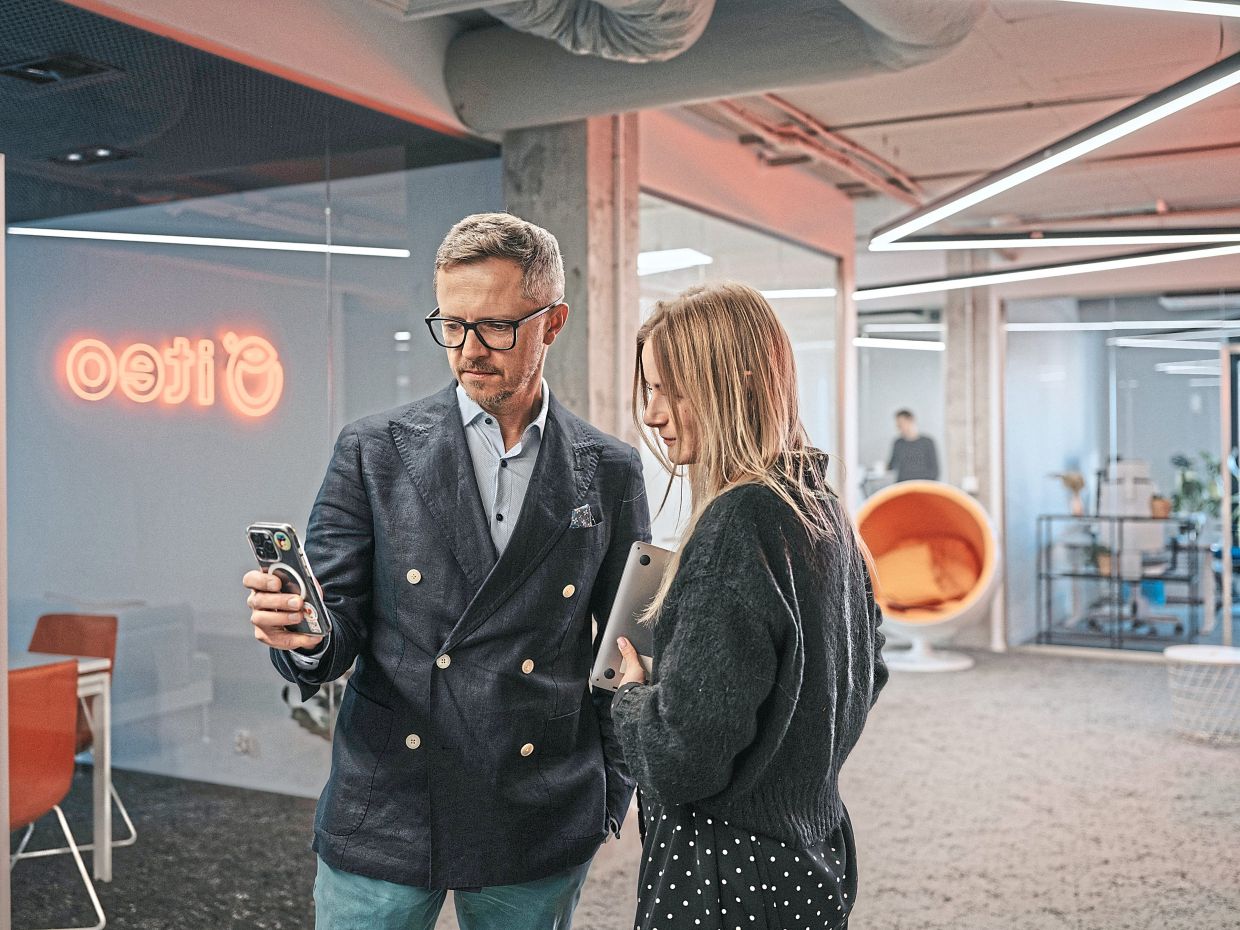
Jerzy Kufel, chief executive of Iteo, with Monika Fliegel, the chief financial officer, in Katowice.