
THREE years ago, Hannah McGrath felt stuck: unemployed, scraping by in Los Angeles and staying in a relationship mainly to manage the rent.
“I felt very, very lost,” she said.
Today, she lives hundreds of kilometres from home and insists she has finally come into her own.
“For me and many others, Mexico City is where dreams come true,” said McGrath, 35. “There’s nothing but possibility.”
She is part of a wave of foreign women – many of them American – who have streamed into Mexico City since the pandemic, chasing cheaper living, remote-work freedom and a clean slate.
Their paths often echo each other: burnout, a personal shake-up, a one-way plane ticket and a reinvention they felt wasn’t possible back home.
“It’s like a modern, hipster version of Eat, Pray, Love,” said Jonathan Kalan, an American who co-founded Unsettled, a company that organises retreats for mid-career workers.
The newcomers say they have largely felt welcomed. But their presence has also heightened long-simmering resentment over rising rents and rapid gentrification.
Nowhere is the tension sharper than in the central districts of Roma and Condesa, where English fills cafes and the brunch queues look more Brooklyn than Mexico City.
As rents climbed – in some cases nearly doubling within a few years – locals found themselves priced out.
The anger first surfaced through pointed stickers declaring “Imagine there’s no gringos”. By this summer, it had escalated into protests: smashed windows, ransacked shops and graffiti reading “Gentrification is colonisation!” and “Learn Spanish”.
Yet, the same expats raising tempers are also boosting the economy.
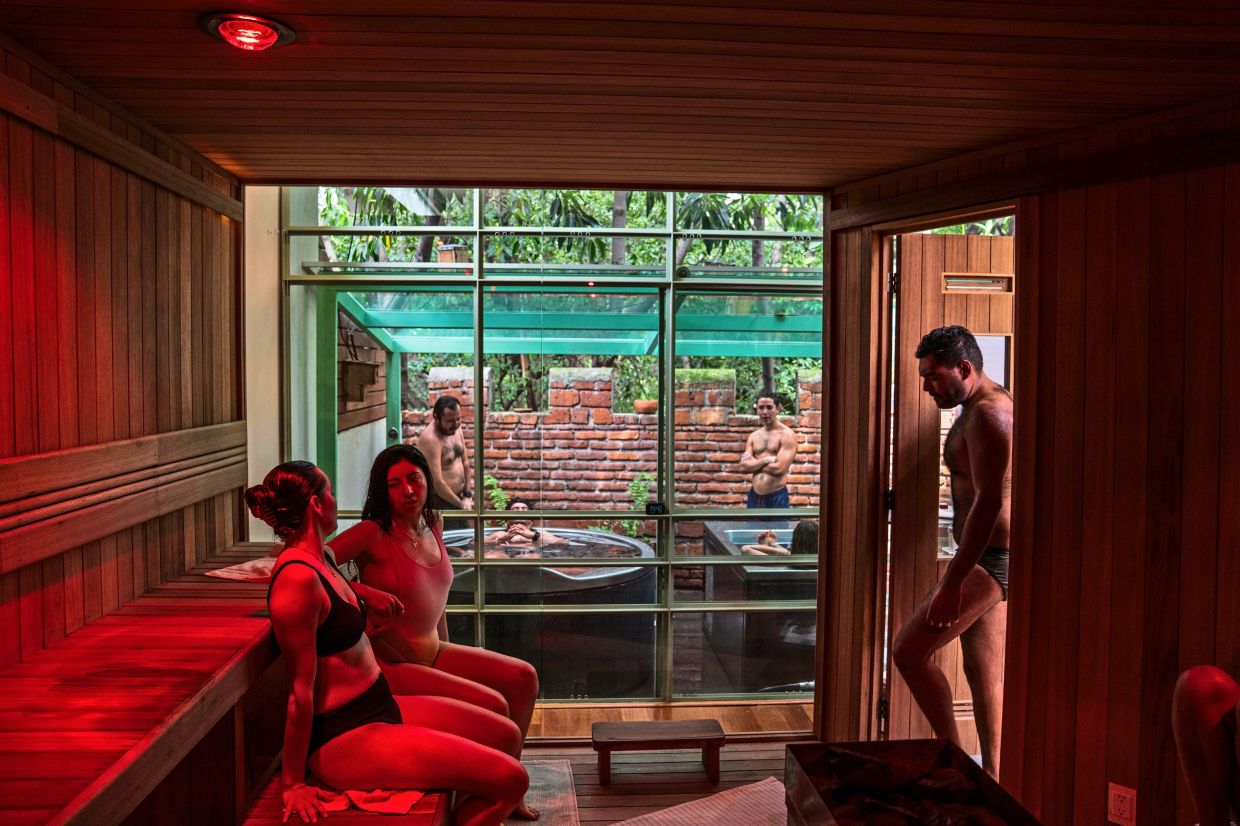
Their appetite for wellness culture – cacao ceremonies, crystal healing, breathwork, sound baths – has spawned a teasing nickname: the “Tuluminati”, riffing on Tulum’s spiritual-tourist vibe.
No one knows exactly how many expats now live in the capital, partly because many stay on renewable tourist visas. But the trend is clear: in 2024, the city issued 56% more temporary-residency permits to Americans than in 2019.
Women are particularly driving the influx. In the first seven months of this year, 3.7 million American women flew to Mexico – half a million more than men.
For many, affordability is the hook. So is a sense of safety – a sensitive point in a country where violence against women remains high.
“They feel safe here, and that’s good,” said Pamela Lopez, a 35-year-old landscape architect.
“But it’s ironic, because we Mexicanas don’t feel like it’s the safest place on the planet.”
Foreigners, she added, tend to stay within one comfortable pocket of town.
Despite the city’s downsides – traffic, smog, questionable tap water – many expats describe it as healing.
Even before remote work took off, “Mexico was attracting women in their 30s and 40s who were in transition,” Kalan said.
“They quit their jobs, ended relationships, were dealing with burnout.”
After the pandemic, he said, “it exploded.”
Men come and go; women tend to stay.
“Slowmads,” joked one arrival, 30-year-old Briton Tash Doherty.
Doherty was working in business analytics in New York when she first visited Mexico City in 2022 with tech friends. She noticed how many expat women had built full lives – flats, dogs, careers cobbled together or completely remade.
“They were in some sort of life reset,” she said. Soon, she followed suit, quitting her job to write a novel.
Local businesses are cashing in.
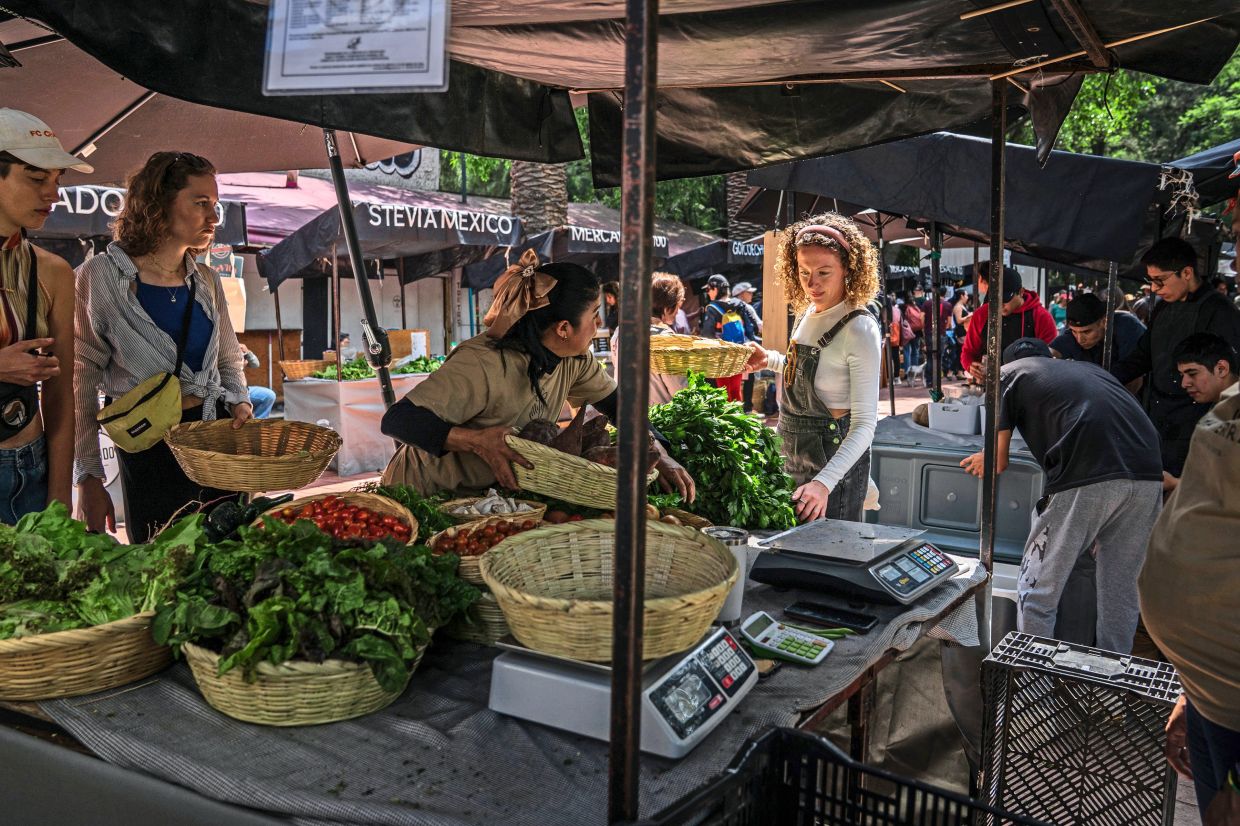
At an outdoor market, organic avocado vendor Jorge Ayala shrugged at the gripes about gentrification.
“I understand the issue,” he said, “but it’s good for us.”
Some expat women are opening their own ventures too: a physical therapy clinic run by an American, a spa run by a Canadian, a line of natural sex products created by a Hungarian and a bagel shop launched by a Scot.
Londoner Anna-Rose Lim, 33, landed in the city “emotionally drained” after pandemic teaching. She found herself surrounded by friends starting businesses.
“They took that leap,” she said. “Why not I?”
Last year, she opened Amorcita – a gelato shop and wine bar in Roma named after her cat.
The strong exchange rate and lower start-up costs certainly help – though so does a willingness to brave Mexico’s unpredictable red tape.
Women-only networks have played a huge role as well.
One, Hermanas, began as a tiny WhatsApp group in Mexico City and is now an international community offering everything from sublets to wellness advice.
For entrepreneurs, the expats’ enthusiasm for spirituality is a marketing goldmine.
Lim once hosted a “womb circle” – meditation, intention-setting and gelato – to draw new customers.
But the bubble is real, and many say so openly.
“We’re very bubbled here,” said 43-year-old American Mary Haberski, who left environmental non-profit work in Los Angeles for coaching and wellness entrepreneurship. “I’m in the bubble, and I barely leave it.”
Sometimes the gap between expats and locals sparks friction.
Last year, model Breanna Claye, 32, drew a firestorm after posting a video cringing at the out-of-tune organ grinder performing outside her flat.
She said she understood the backlash – but also noted people made assumptions.
Her glamorous life wasn’t inherited privilege; she had saved for years, lived with family and worked full-time before moving.
Mexico, she said, was where she was discovered as a model, not the United States.
While the protests have subsided, many expats say the mood has shifted.
“In the beginning, I thought we would stay here forever,” Claye said. “Everyone was excited to have us.”
Now, she added, “things are shifting, shifting – the sentiments about us being here.”
Some friends have already left, she said – some called back to the office, others simply ready to move on. She’s considering leaving too.
McGrath, whose time in Mexico allowed her to afford somatic-therapy training from the United States, is also preparing to return to California for the next step in her career.
But for every expat rolling her suitcase out, another seems to roll in – hopeful, hungry and looking for a fresh start. — ©2025 The New York Times Company
This article originally appeared in The New York Times