ADRIAN Chee used to buy medicines online because they were cheaper.
From pills for headaches to ointments for minor cuts and even remedies for stomach discomfort, the father of three thought these medicines were simply affordable, generic alternatives.
“I could get any of them cheaper by up to RM10. My family, including my parents, did the same. I thought the medicines were generally safe, even for my children,” says the 44-year-old trader.
But last year, Chee became more cautious about purchasing medicines online.
“One of the medicines I bought for my parents to ease their rheumatism was found to contain mercury. It was listed as a banned product. The same goes for some pills I bought for my children who had runny noses – I found out about it through news reports.
“From then on, I’ve been checking the government’s official list of banned products regularly. I now prefer to consult a doctor or a pharmacist and get proper prescriptions,” he says.
Chee is among many Malay-sians who have benefited from the Health Ministry’s ongoing efforts to educate consumers about medicine safety. These initiatives intensified after the Covid-19 pandemic through social media campaigns, published lists of banned or suspicious products, and public outreach programmes.
The results have been encouraging. There has been a noticeable rise in patient enquiries about prescribed medicines and reports of adverse effects.
“Before 2020, about 20,000 adverse drug reaction (ADR) reports were received annually from patients. But last year alone, we had 34,000.
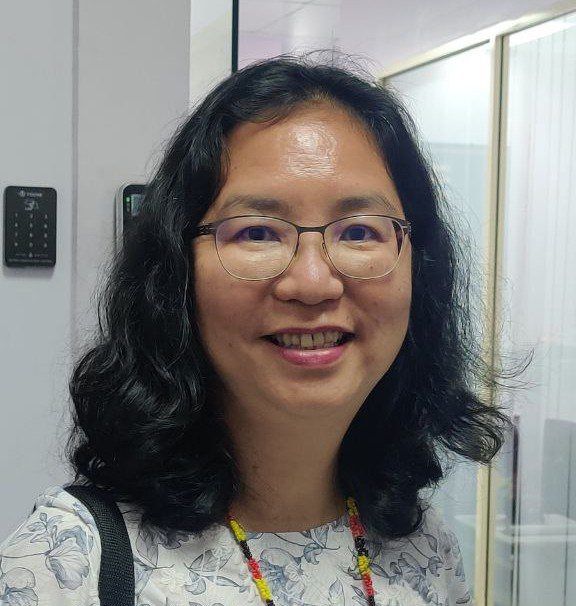
“This shows that people are now more aware of their conditions and the medicines they take, which helps improve both study and treatment outcomes,” says National Pharmaceutical Regulatory Agency (NPRA) pharmaceutical officer Norleen Mohamed Ali, when met during a seminar organised by the Pharmaceutical Association of Malaysia (PhAMA) on paediatric medication safety, held in conjunction with the #MedSafetyWeek 2025 campaign, at Selayang Hospital.
Importance of being informed
Norleen’s explanation centres on pharmacovigilance – the practice of monitoring medicine safety and taking action to reduce risks.
“It involves collecting and analysing data on side effects from the time a drug is developed and through its entire lifespan, to ensure its benefits outweigh its risks. The starting point, or the basic foundation, is awareness. Without it, it’s difficult to make any effective changes,” she says.
Norleen stresses that medicine registration is vital for consumer safety, especially when it concerns products of dubious origin.
“If a medicine is not registered, it’s difficult for the authorities to determine its contents. Some people have come to us to complain about medicines they took, but we later discovered those medicines were unregistered,” she says.
She adds that patients must be transparent about any unregistered medicines they consume, often sold as “traditional remedies” that may secretly contain steroids or painkillers.
“But such cases – involving supposed traditional medicines – make up less than 1% according to annual data.
“However, the low number could also be because patients feel embarrassed to admit they’ve taken traditional medicines, or they assume the reaction was caused by something else rather than the natural ingredients – which, in reality, are often adulterated,” she says.
This growing vigilance is not just a local concern – globally, weak regulation has sometimes had deadly consequences. In India last month, at least 22 children died after consuming contaminated cough syrup found to contain nearly 45% diethylene glycol, a toxic industrial solvent used in brake fluid and antifreeze.
That same awareness is now shaping how Malaysians approach preventive healthcare. A good example is the Selangor government’s initiative to provide free influenza vaccinations for schoolchildren in four districts with the highest number of cases – Petaling, Klang, Gombak and Hulu Langat – starting this month.
When asked, Selayang Hospital paediatrics head Dr Tang Swee Ping suggests the state’s initiative reflects a growing informed population.
“People are now well-informed about vaccines, for instance. Every medicine and vaccine registered in Malaysia undergoes rigorous screening by the Drug Control Authority to ensure safety and effectiveness. And the safety of these registered medicines and vaccines continues to be monitored,” she says.
Dr Tang adds that many parents have also taken the initiative to provide influenza jabs for their children.
“Previously, influenza jabs were mostly for those with comorbidities or the elderly. But with increased awareness, more parents are now vaccinating their children.
“This is good because influenza can be dangerous.”
For the kids
The Health Ministry, through the NPRA, is continuously strengthening pharmacovigilance efforts – including for children.
“The NPRA conducts awareness campaigns for healthcare practitioners and the public, while the ministry carries out similar efforts in schools. This helps paediatric patients learn to recognise and report any ADRs they experience,” says Norleen.
Based on NPRA data, which recorded more than 30,000 ADRs post-pandemic, between 15% and 20% involved paediatric patients aged below 18, and 12% to 15% were among those under 12.
“This figure is actually not too bad. However, when it comes to ADR reporting, there is always room for improvement,” says Norleen.
At the same time, the NPRA is strengthening its “signal detection” process – analysing the ADR database to identify safety trends for further assessment.
“Our team keeps an eye out for safety signals specifically involving the paediatric population. When required, we send out safety alerts or infographics to healthcare providers or consumers on signs to watch out for and steps to reduce risks,” Norleen says.
She adds that continuous training for healthcare professionals is also key.
“We point out specific requirements for ADR reports involving paediatric patients, such as including details of the patient’s weight, dosing, dosage form and a clear narrative of the case.
“The encouraging part is that we are definitely seeing an increase in awareness and better-quality ADR reports.”
Cause and effect
Dr Tang says people must understand that the effects of medicines or vaccines can vary among individuals, depending on their age, health condition, allergies or other medications being taken.
“Every medicine has side effects, but they differ depending on those factors,” she says.
She adds that some medicines can only be taken after meals, while others should not be combined.
“There isn’t a general rule for taking medicines – it must always be based on specific conditions.”
Norleen says patients can report adverse drug reactions through the NPRA website or to the hospital where they received treatment.
“We don’t take immediate action based on a single report. What we do first is refer to our data and consult our expert panel on rare or previously unseen reactions.
“They will review the case. We then request clinical data and, with the patient’s permission, check with the hospital or clinic that prescribed the medication.
“We carry out stringent checks based on the complaint. However, most of the time, the reaction is not caused by the medication,” she says.