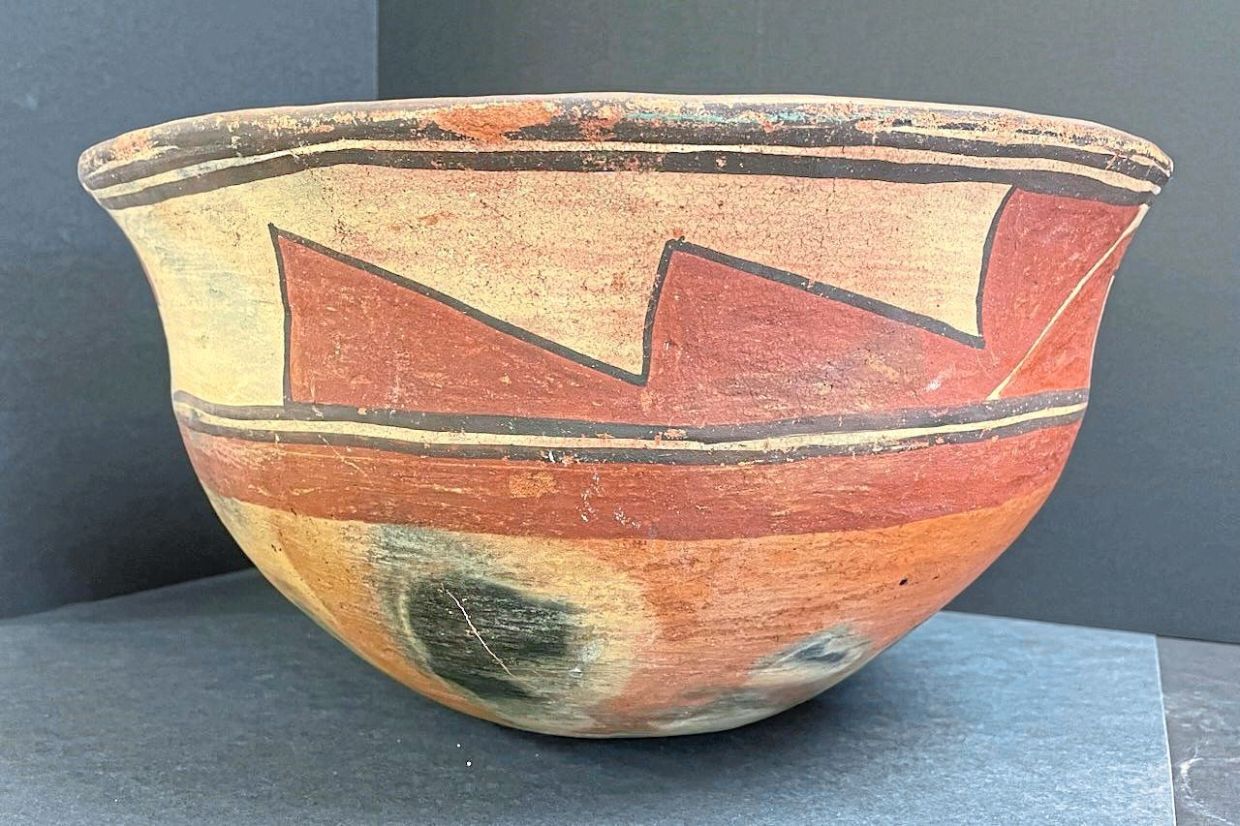
THE decades-old case file describes a medium-sized bowl crafted at Santa Ana Pueblo more than a century ago.
Handed down through generations, the pottery piece adorned with dark red triangles was used for making bread.
The bowl is one of nearly 150 antiquities stolen from the pueblo’s ceremonial village during a string of burglaries that began in the summer of 1984.
War shields, traditional clothing, moccasins, willow baskets and woven rugs were taken – all items that would fetch high prices because of their rarity.
Federal authorities and tribal police eventually caught the thieves. Punishments were handed down, and the case was closed.
Yet, inexplicably, officials never pursued recovery of the stolen items.
Now, four decades on, the pueblo’s historic preservation and repatriation experts are partnering with a tribal conservation officer who once served as the top cop for the federal Bureau of Land Management to reopen the cold case – one irreplaceable item at a time.
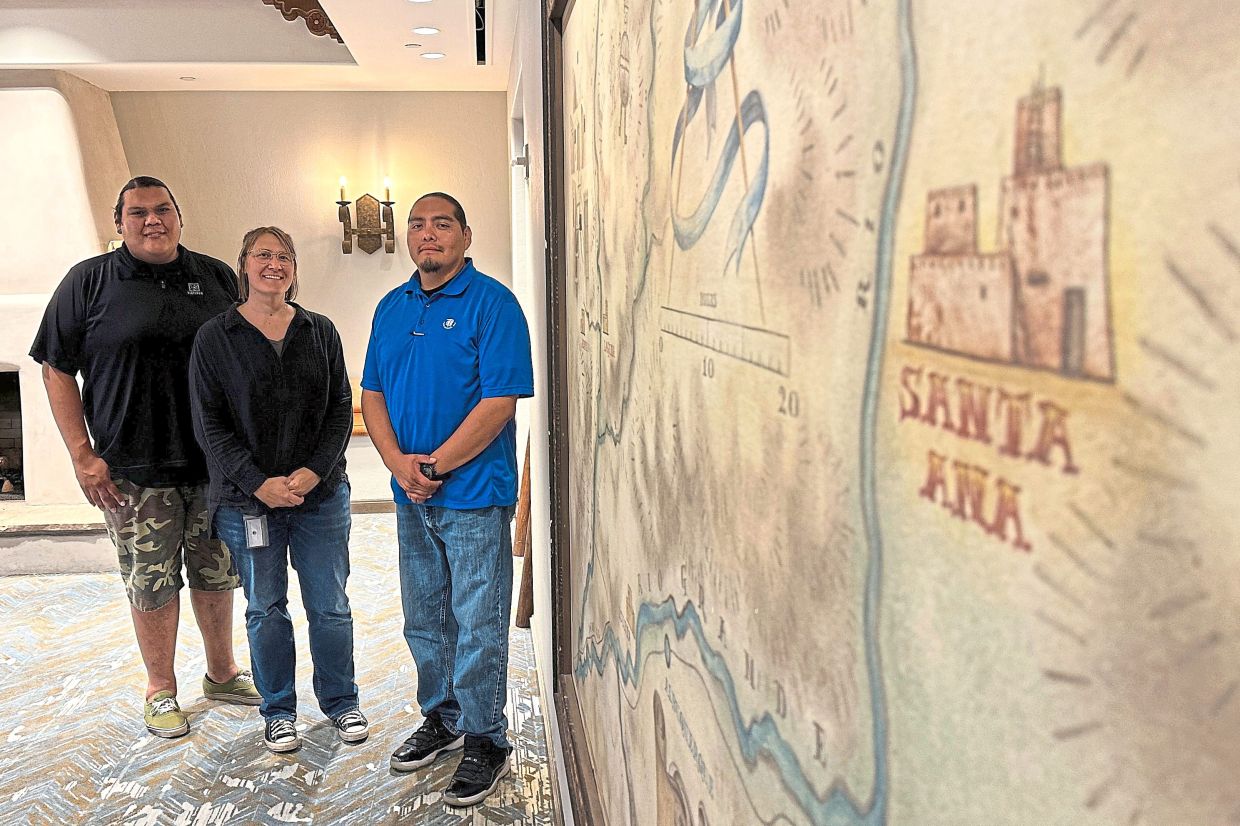
Picking up the trail has been far from easy. Memories fade, documents vanish, and many original files are missing key evidence – including Polaroids found in a suspect’s home.
Case files provided by the FBI and the US Bureau of Indian Affairs offered only limited descriptions of the stolen objects.
Investigators resorted to combing auction catalogues, gallery websites and even Pinterest and Instagram posts.
A breakthrough came when the family of a northern New Mexico antiquities dealer – who had unknowingly purchased stolen items decades earlier – opened his ledgers.
The records helped connect dots, tracing the journey of the bowl across four decades. Eventually, the latest owners returned it after learning its story.
This summer, family members gathered in the tribal council room to be reunited with the heirloom. The bowl sat on the table, disbelief giving way to tears.
“It was wonderful but emotional,” said Pueblo Governor Myron Armijo, whose own family home had been burglarised 40 years ago.
“They were taking war shields, drums, pottery and many other items that meant so much to our community. You can’t put a dollar amount on what was taken. It just really hurt the pueblo.”
For pueblo people, he added, a sacred item is not just an object but a living being – breathing, intertwined with their identity.
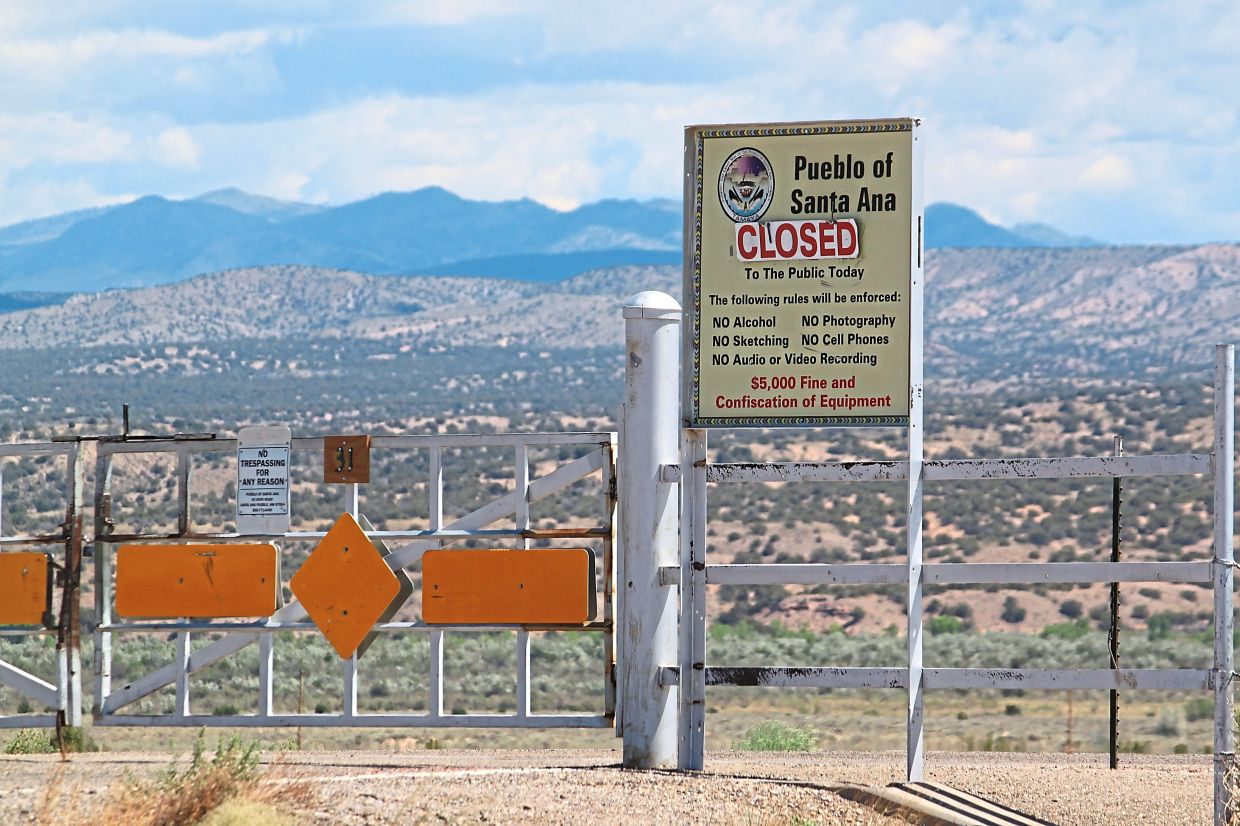
The first burglary happened in early August 1984, just a week after Santa Ana, northwest of Albuquerque, celebrated a feast day – a rare occasion when outsiders are welcomed to witness traditional dances and share food.
According to case files, thieves crept through desert scrub and sandy washes at night to reach the secluded pueblo at the edge of the Jemez Mountains.
Over 10 months, they targeted homes and ceremonial society houses in the historic village, which had been added to the US national register a decade earlier.
“Picture these guys stealing blankets, filling them up with pots – everything they could carry,” said William Woody, the conservation officer now helping lead the investigation.
As the thieves fled, they dropped items along the road. A rancher later found other artefacts stashed in the desert.
A nighttime sting ended the spree in May 1985.
Court records identified an Albuquerque antiquities dealer as the ringleader, with some accomplices from Laguna Pueblo, another Native American community west of Albuquerque.
Federal investigators later concluded that other pueblos had also been targeted.
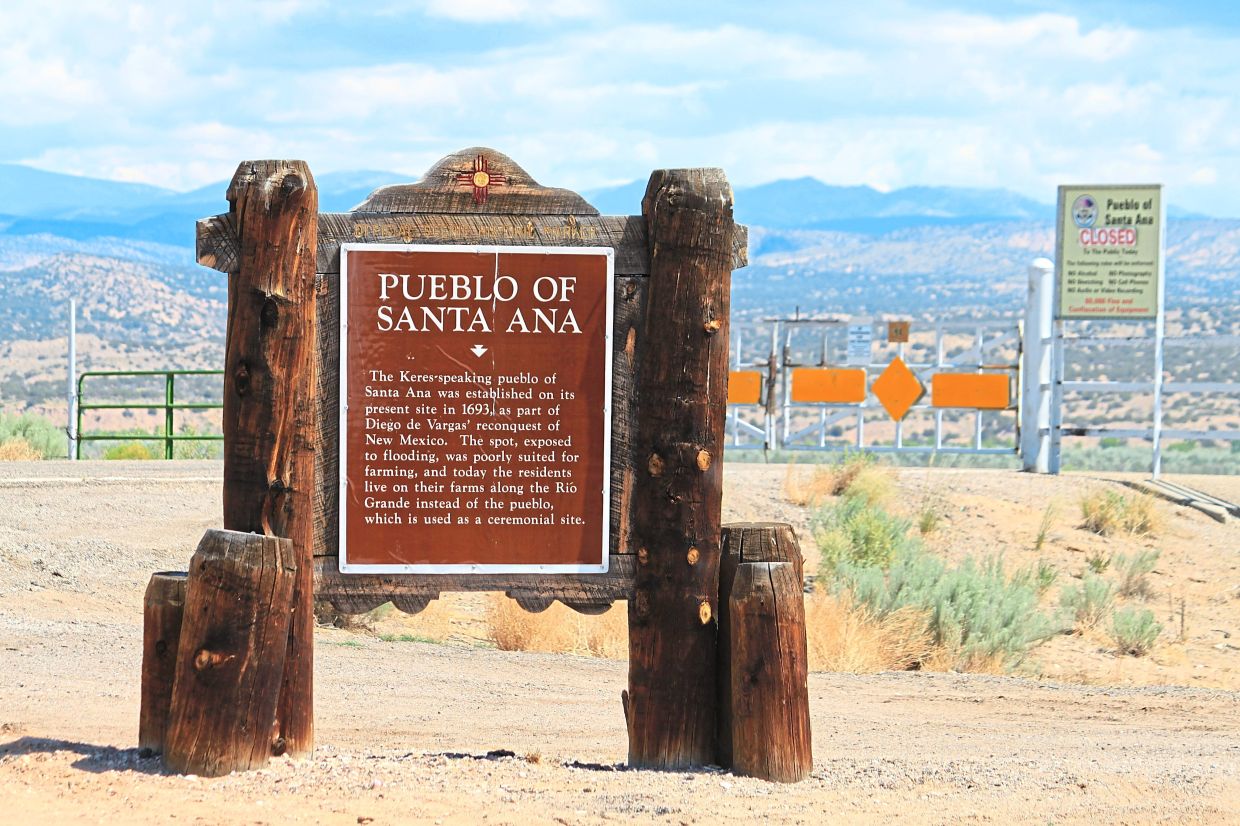
Santa Ana, known as Tamaya in the Keresan language, is one of 19 pueblos in New Mexico.
Unlike some other communities, it never sold its pottery to outsiders. This rarity drove up its value on the market in the 1980s.
Many stolen objects are tied to traditional practices and qualify as sacred items under the Native American Graves Protection and Repatriation Act.
Those more than a century old are also protected under the Archaeological Resources Protection Act.
Recent changes have made it easier for tribes to reclaim sacred items from museums and universities, and in 2022 Congress passed a law banning the export of such objects.
But implementation has been slow, and auction houses often list items with misleading descriptions.
“These are part of another culture’s religion, lifeways and relationships,” said Shannon O’Loughlin, CEO of the Association on American Indian Affairs and a citizen of the Choctaw Nation of Oklahoma. Her organisation has tracked more than 200 auctions selling nearly 14,000 sensitive items tied to indigenous nations.
At Santa Ana, the mission remains clear.
“We know they’re out there,” said Armijo. “We’re not giving up.”
High on the list is a buffalo hide war shield decorated with horns and rays of alternating colours, a symbol still revered today.
Ledgers from author and Native American art expert Larry Frank showed the shield had once been listed for sale in New York.
A gallery posted a picture online in 2021, misidentifying it as from Jemez Pueblo, and said it was sold to a Canadian collector. Its current whereabouts remain unknown.
Donald Ellis, the gallery owner, insisted his acquisitions were made in good faith, noting gaps in provenance are common with older Native American works.
For younger pueblo members, the fight is about more than objects.
“My grandfathers taught me about passing along traditions,” said Jarrett Lujan, cultural resources coordinator at Santa Ana.
“That means I must bring back these pieces of Tamaya culture for my daughter and others. That’s all we’re looking for – to empower them and encourage them to keep the culture alive.” — AP