
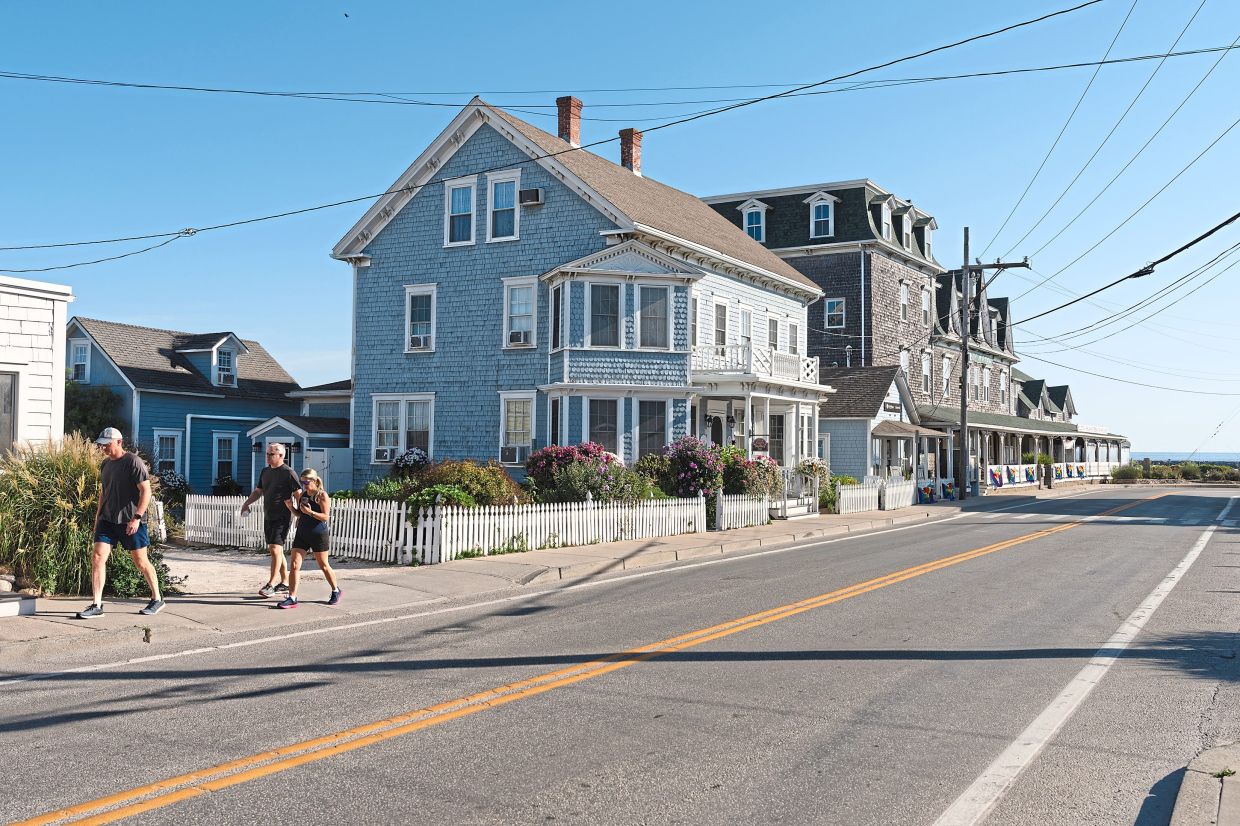
BLOCK Island, a beloved summer destination off the coast of Rhode Island that is home to about 1,000 year-round residents, is known for unspoiled beaches, dramatic bluffs and charming Victorian inns.
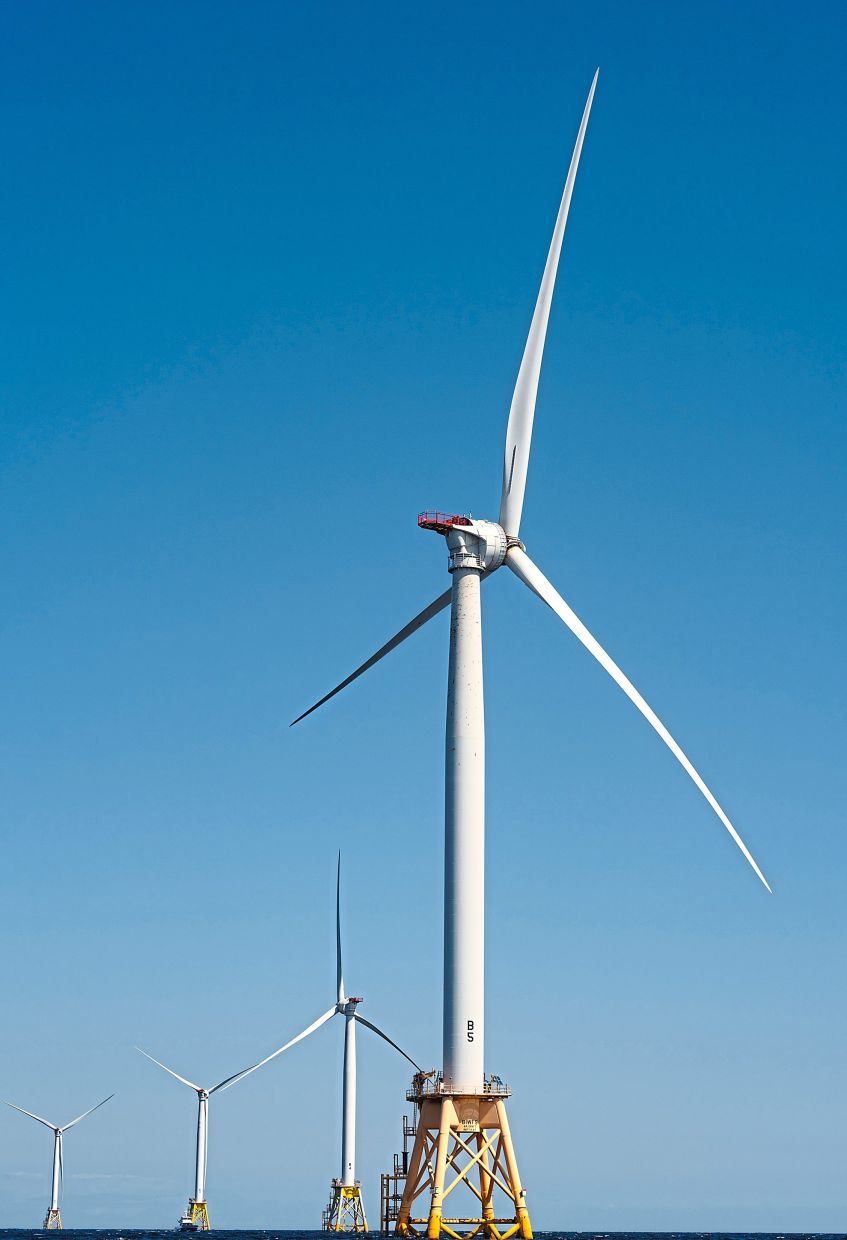
And, more recently, for the nation’s first commercial offshore wind farm.
The turbines started delivering electricity in 2016, the year Donald Trump was first elected president.
Since his reelection, offshore wind has come under siege in the United States, his administration attacking several projects under construction, including one that’s almost completed off the coast of Rhode Island, saying wind farms have no place in American waters.
But the Block Islanders have a different story to tell. Wind power has changed their lives in welcome and sometimes surprising ways.
“The benefits have been extraordinary,” said Keith Stover, head of the island’s town council.
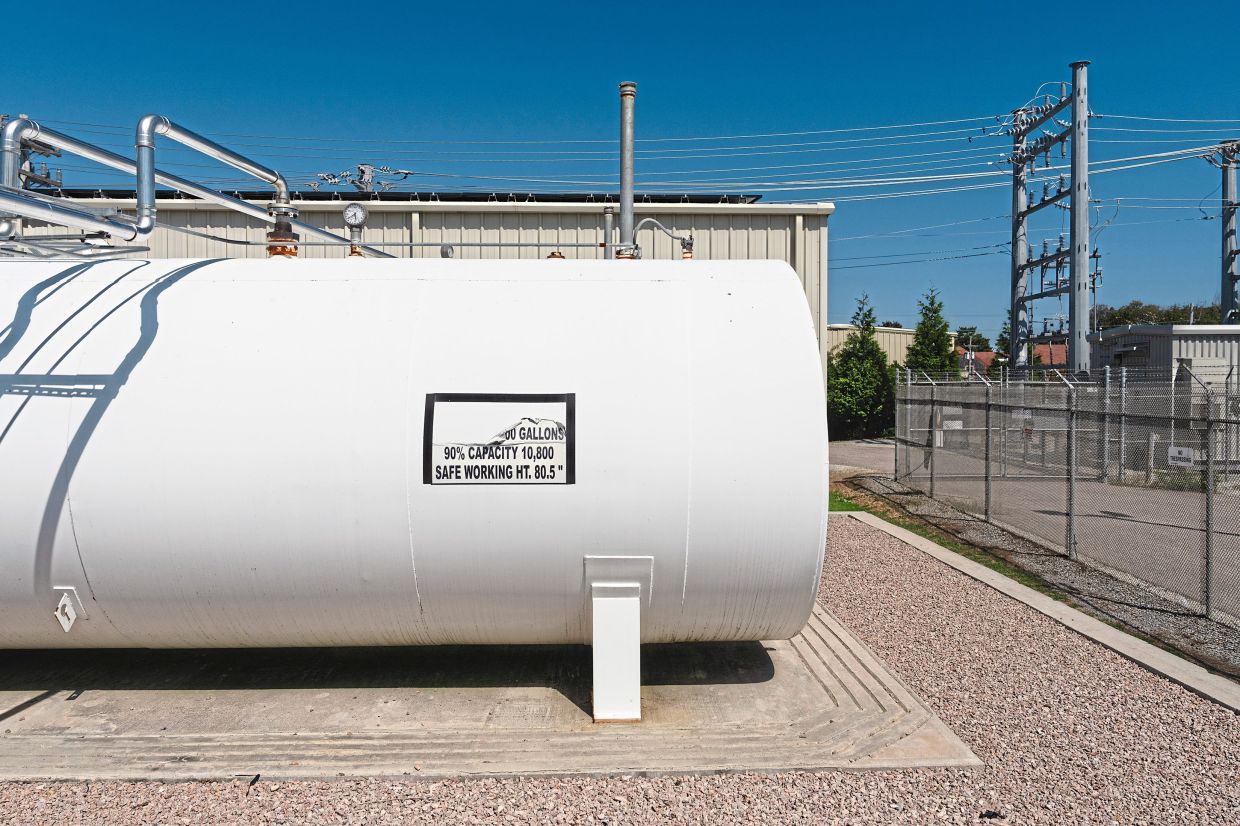
Before the five turbines started spinning a few kilometres off the coast, this island ran on five big generators. Soot-spewing and ear-splitting, the machines burned 3.8 million litres of diesel a year, ferried in from the mainland on tanker trucks and stored underground.
Energy costs, tied to the volatile oil market, see-sawed so much that local businesses struggled to manage their budgets, residents said.
Power surges and dips fried household appliances. Clocks wouldn’t keep time.
Those who lived near the power company described scraping soot off their windows and having to wash their curtains every month.
Then, at 5.30am on May 1, 2017, with the offshore turbines up and running, the island’s utility company turned off the generators.
As the motors whirred down, a new sound could be heard, bright and strangely loud in the sudden quiet: birdsong.
“I still get chills when I think about it,” said Barbara MacMullan, a resident of 30 years who heads the board of the local non-profit power company.
Thanks to the wind farm, which was initiated by the state and developed to demonstrate the feasibility of such projects, Block Island is now connected to the mainland grid by a US$120mil undersea cable. The diesel generators sit silent, kept only for emergency use.
In a big step forward for the island, the cable also delivers broadband internet.
Before the wind farm, internet service was so glacial that locals would sometimes travel by boat to the mainland just for a reliable connection.
The school barely had the bandwidth to participate in state testing.
Now local residents can stream the shows that everyone on the mainland is talking about.
People with vacation homes and the friends and family of all residents can visit longer because they can work remotely.
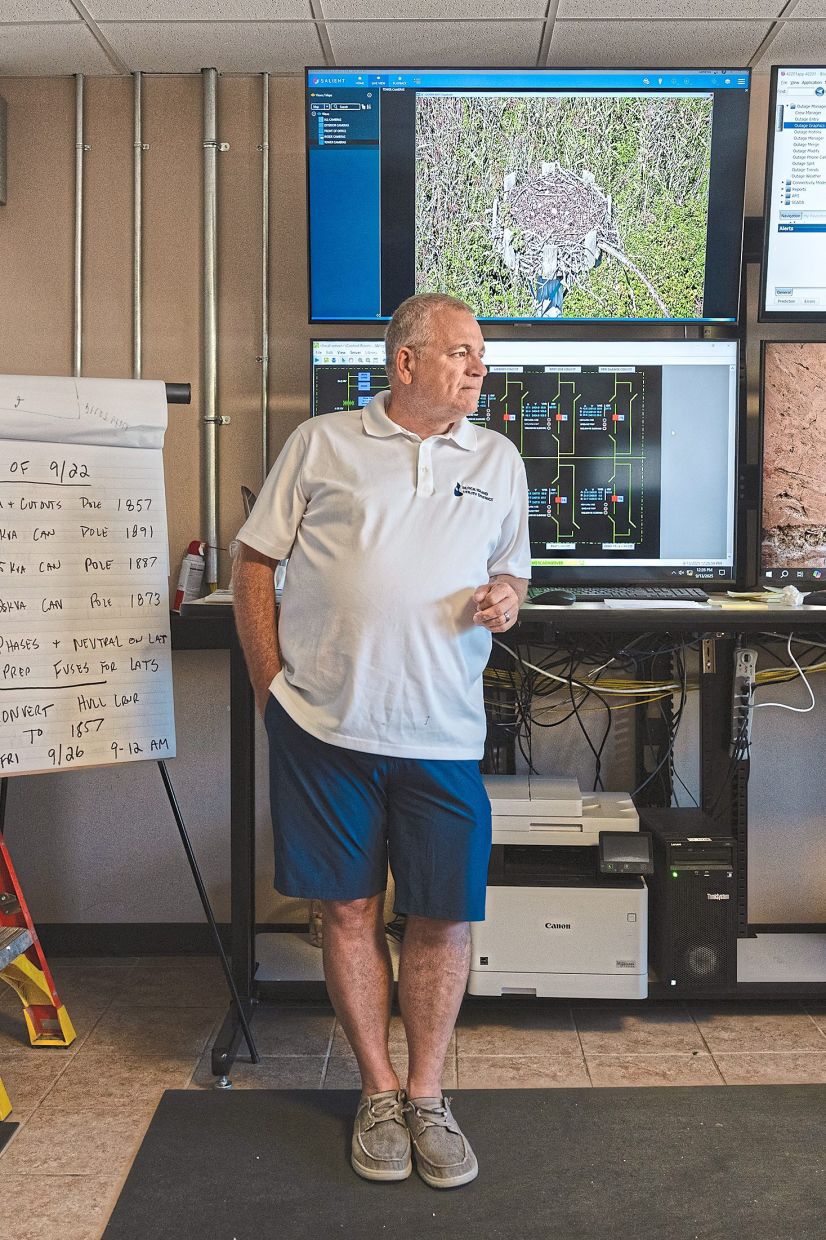
All that, and the cost of electricity is less than a third of what it would be if the island were still running on diesel, according to Jeffrey Wright, the president of the Block Island Utility District. (He is not related to Chris Wright, the energy secretary, who argues that wind energy is expensive and unreliable.)
The turbines don’t seem to have hurt tourism, according to Jessica Willi, executive director of the Block Island Tourism Council.
On the contrary, she said, the improved electricity and internet are critical to continuing to attract visitors.
For a while, boat operators were taking tourists out to see the turbines up close and stores were selling turbine T-shirts, but that has petered out. Chartered fishing trips around the turbines are still on.
Of course, not everyone on Block Island is a fan of offshore wind, especially now that you can see larger wind projects under construction in the distance.
That includes Revolution Wind, a 65-turbine site that was 80% completed in August when the Trump administration abruptly ordered work to stop.
A judge has since ruled that construction could restart while the developer and the states of Rhode Island and Connecticut pursue legal action to keep the project alive.
By day, those turbines look like minuscule white toothpicks on the horizon, but they are much more noticeable at night, when they blink red.
Some Block Islanders lament the change in the view.
Many commercial fishermen are unhappy about the turbines. Another critique questions the economic feasibility of offshore wind power, which is among the most expensive forms of electricity.
But many here strongly support the expansion of offshore wind as a necessary path to tackle climate change.
Two years ago, at a public meeting about wind farms, a team of lawyers gave a presentation on the visual impact, urging residents to pursue legal action against Orsted, the Danish wind developer of Revolution Wind and another project nearby, South Fork Wind.
Instead, residents defended the projects, saying they were better than increased oil and gas drilling. The town decided to stop working with the attorneys.
“Do we want offshore wind, or do we want more offshore oil drills in the Gulf of Mexico?” MacMullan said. “Everything’s a trade-off in this world.”
Trump has assailed offshore wind for hurting birds and whales, but locals at a popular restaurant and at a gift shop readily cited aspects of modern life that are known to be far more harmful to wildlife.
For instance, outdoor cats and large windows are estimated to kill billions of birds each year in the United States alone, and fishing entanglements and boat collisions are lethal for whales.
Wind’s biggest supporters on the island include MacMullan, who volunteers rescuing sick or injured seals, and Kim Gaffett, who has participated in bird conservation for more than 40 years.
“I am a bird person, but I’m also an environmentalist and I’m really concerned about the Earth and our use of fossil fuels,” said Gaffett, who also served as head of the town council when planning for the wind farm was under way.
“So I’m really into alternatives and I think wind is a really positive one.”
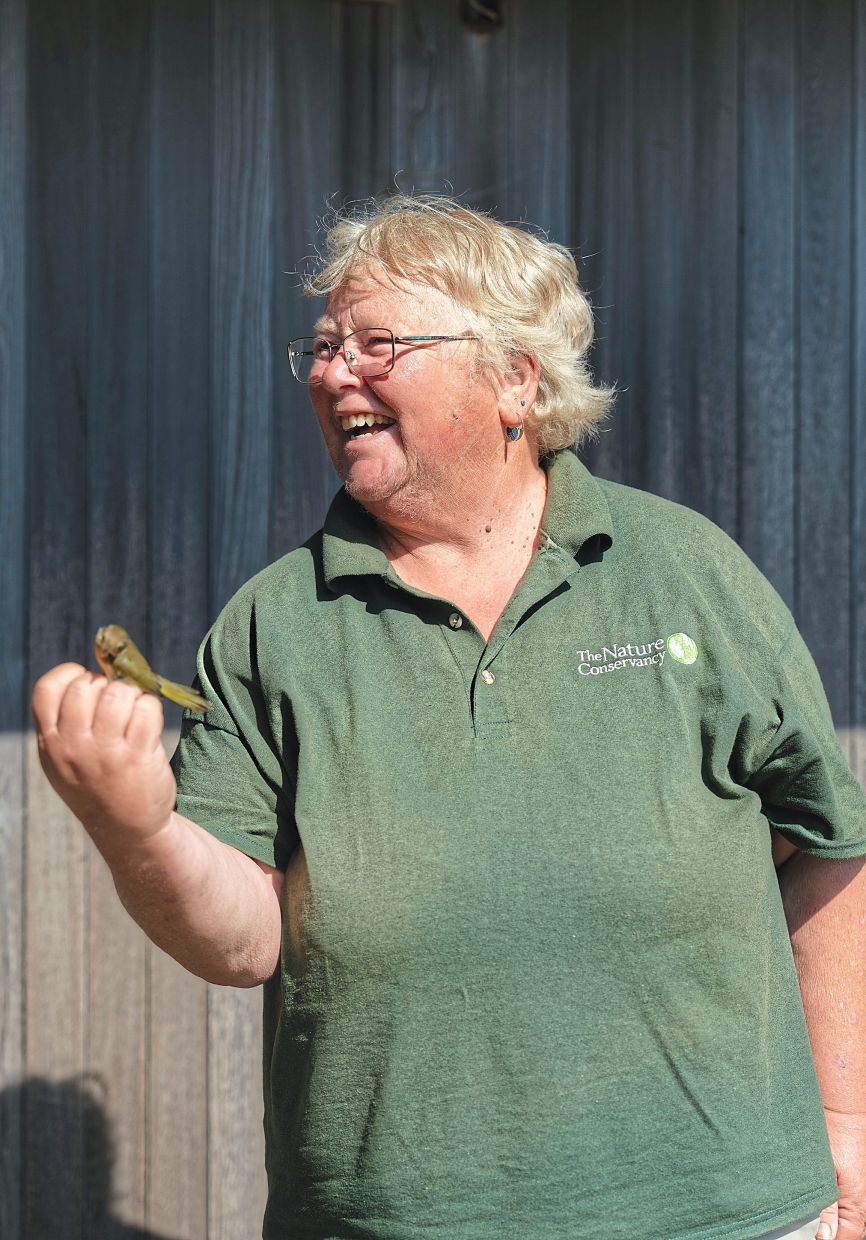
Choosing the right location was critical, she noted, saying that the area off Block Island worked well because migrating songbirds typically stay closer to the mainland and ducks appear to fly lower than the blades spin.
Recreational anglers say the fishing is good around the turbines, where the underwater structures are creating artificial reefs.
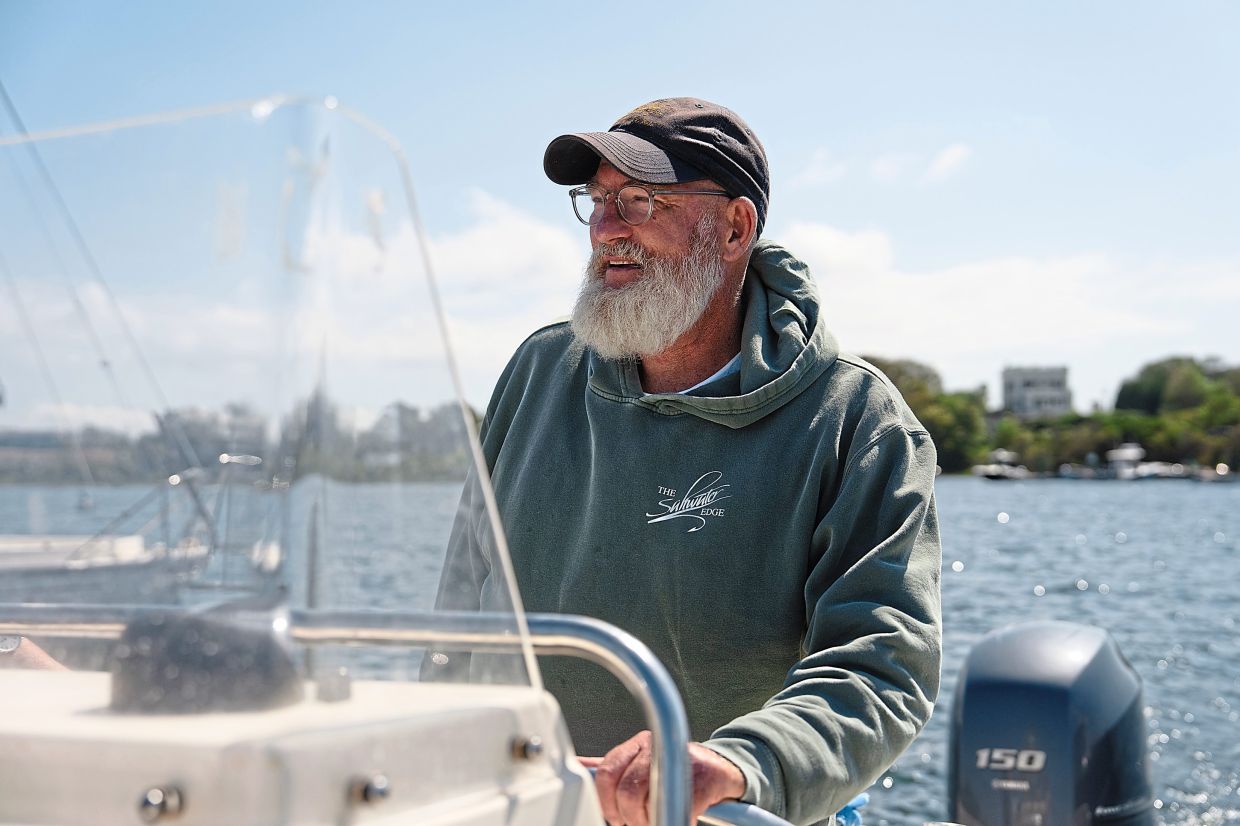
And not just around the turbines. On a fishing trip a few kilometres away recently, Stover hooked a good-sized bonito, he said, only to have a huge grey seal grab it as he pulled it out of the water. A few minutes later, the same thing happened again. — ©2025 The New York Times Company
This article originally appeared in The New York Times.
Renewed lease on life
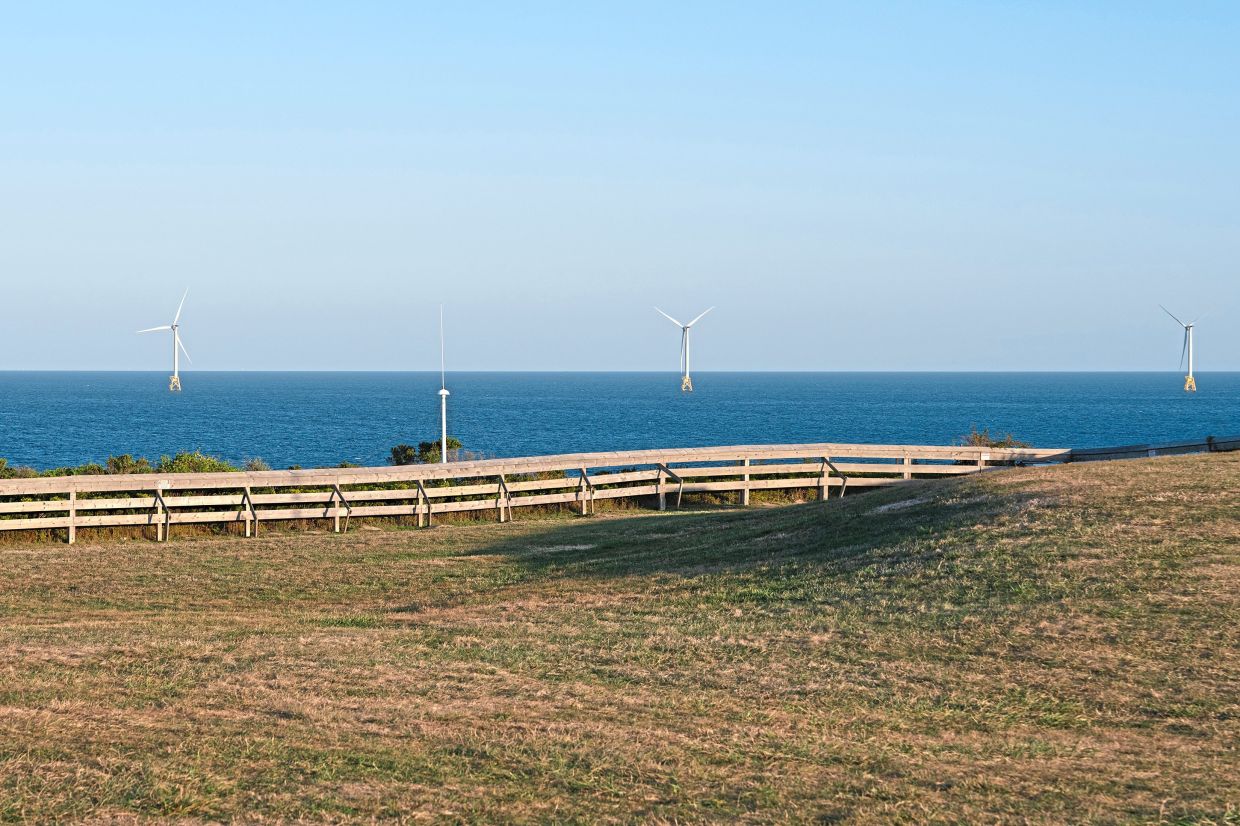
A view of the Block Island Wind Farm from the Southeast Lighthouse on Block Island. — Lucy Lu/The New York Times
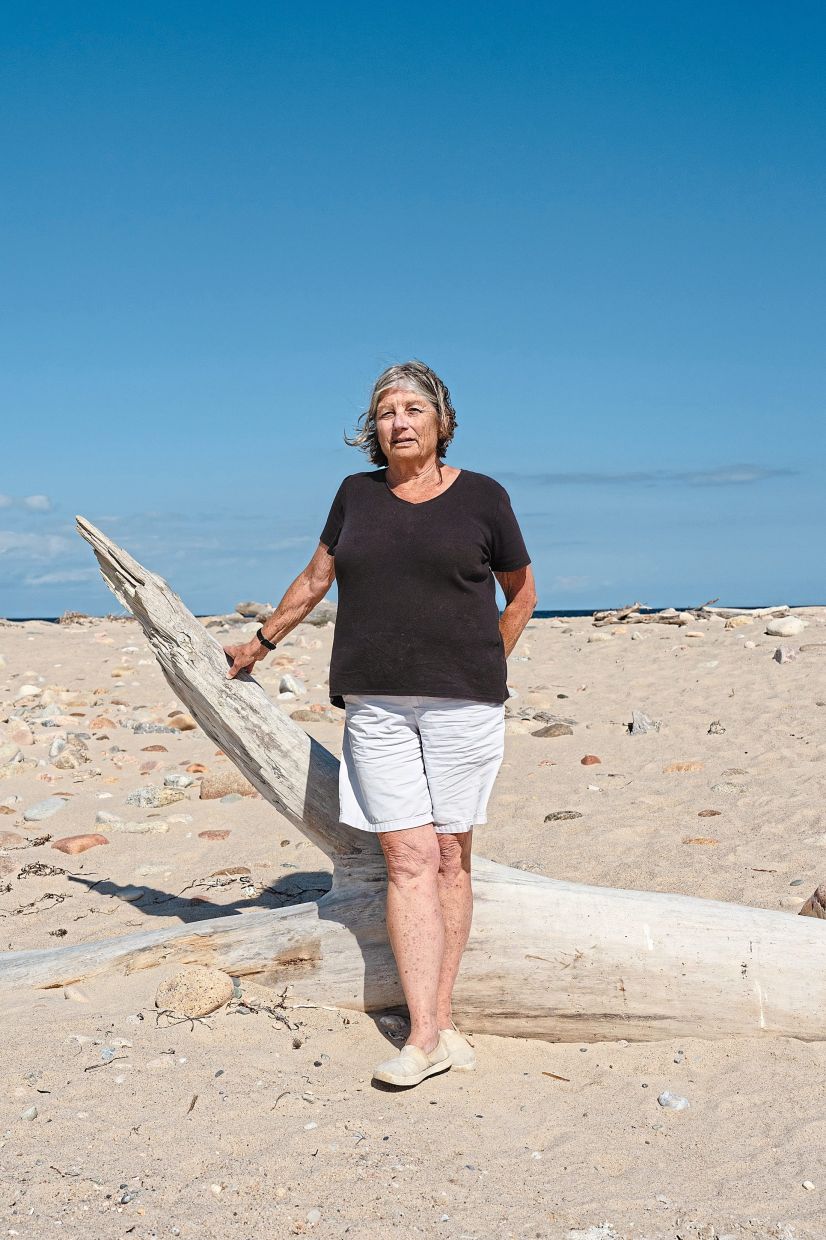
Gaffett says choosing the right location to build the wind turbines was critical. Its position off the coast worked well because migrating songbirds typically stayed closer to the mainland and ducks appear to fly lower than the blades. — Lucy Lu/The New York Times
Stover says contrary to what some people are saying, fishing around the turbines is excellent. In fact, he says he recently hooked a good-sized bonito only to lose it to a huge seal. — Lucy Lu/The New York Times
MacMullan, a big supporter of the wind turbines, said when the island’s big generators shut down, there was another deafening sound: birdsong. — Lucy Lu/The New York Times
New Shoreham, the only town on Block Island, is a favourite with tourists who swarm the beaches and town almost all-year round. — Lucy Lu/The New York Times
Diesel tanks at the Block Island Power Company on Block Island. — Lucy Lu/The New York Times
Wright says the cost of electricity is less than a third of what it would be if the island were still running on diesel. — Lucy Lu/The New York Times
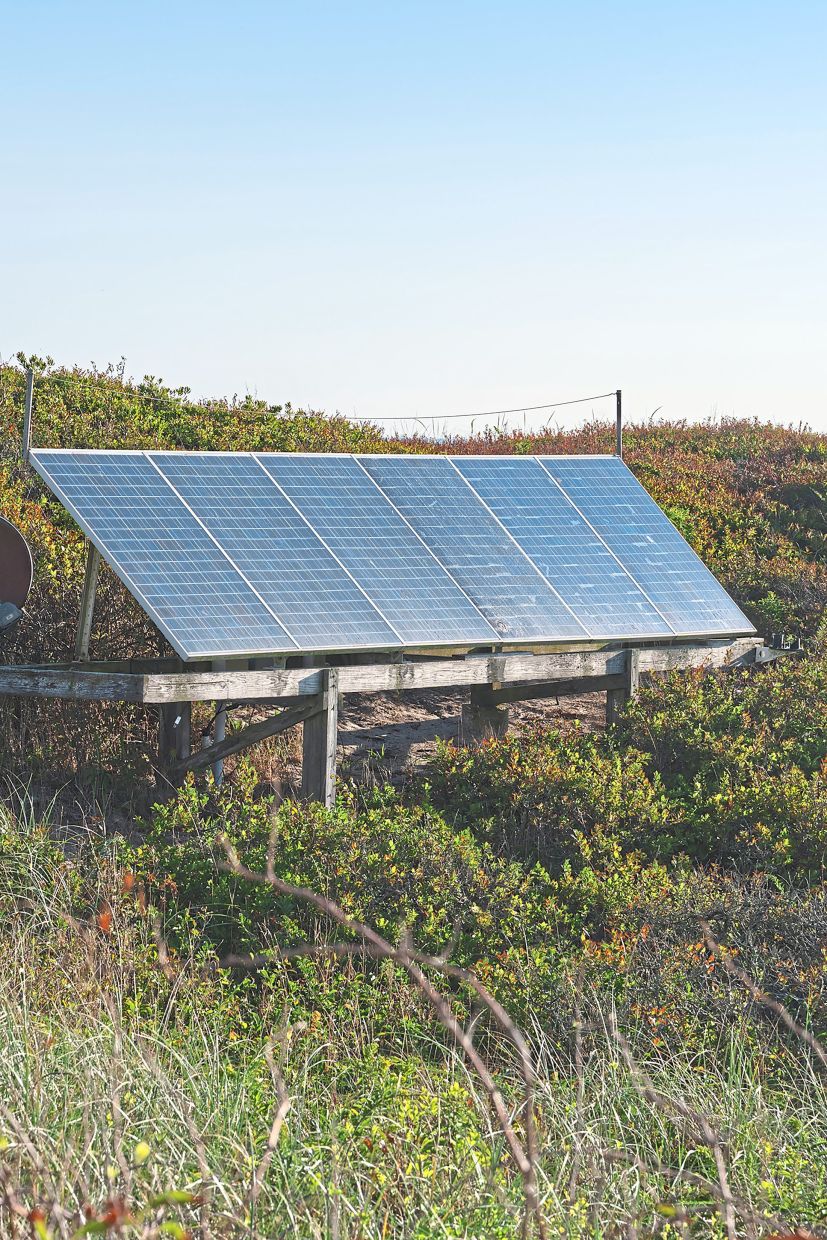
Solar panels by a lighthouse on Block Island has not only helped the environment but also the 1,000 residents who now live in a much quieter community. — Lucy Lu/The New York Times