
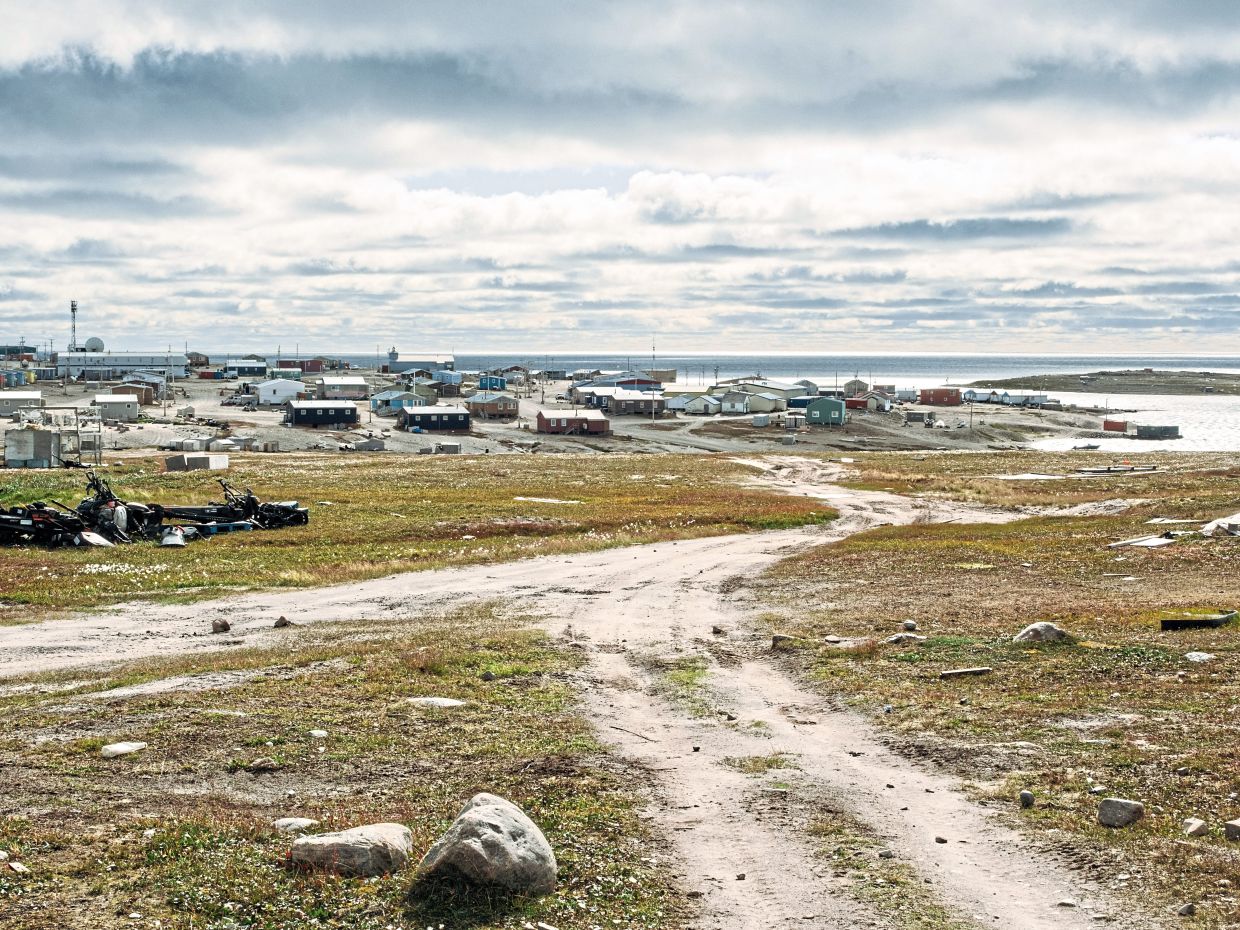
LIKE many others in Gjoa Haven – a hamlet perched high in Canada’s Arctic, isolated on a large, flat, wind-swept island – Betty Kogvik never had much interest in plants.
This community lives through weeks of total darkness during its long winters.
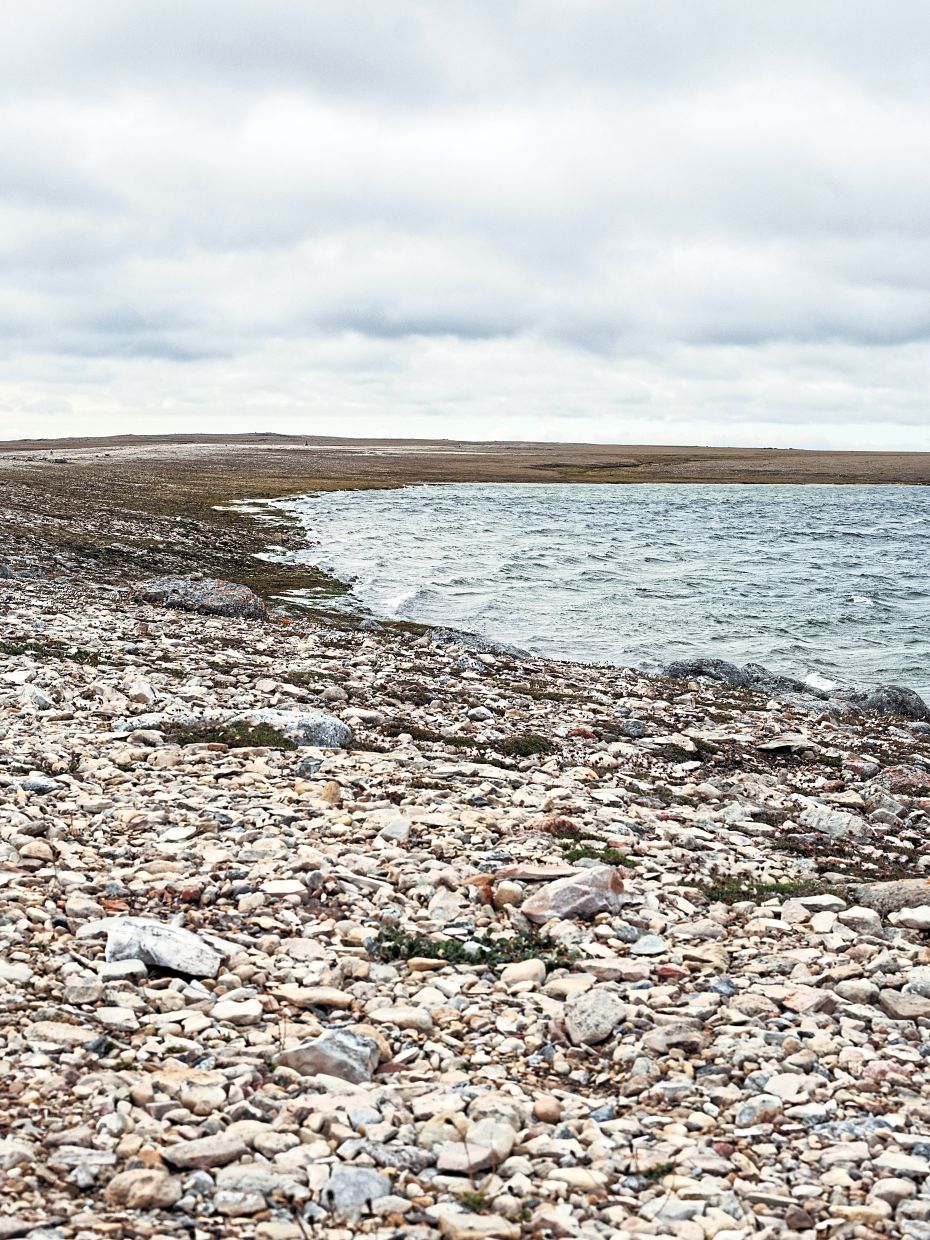
When the ice and snow finally recede, hardy shrubs stir to life but cling low to the tundra floor during the short, cool summers.
The nearest trees lie hundreds of kilometres south on the Canadian mainland, thin and stunted spruces that hardly resemble the forests of the south.
Yet today, Kogvik grows strawberries, carrots, broccoli, bell peppers, microgreens, tomatoes and more – all year round.
“I didn’t know anything about plants before,” said Kogvik, who is Inuit like most residents of the Canadian Arctic.
“Now I’m a green thumb.”
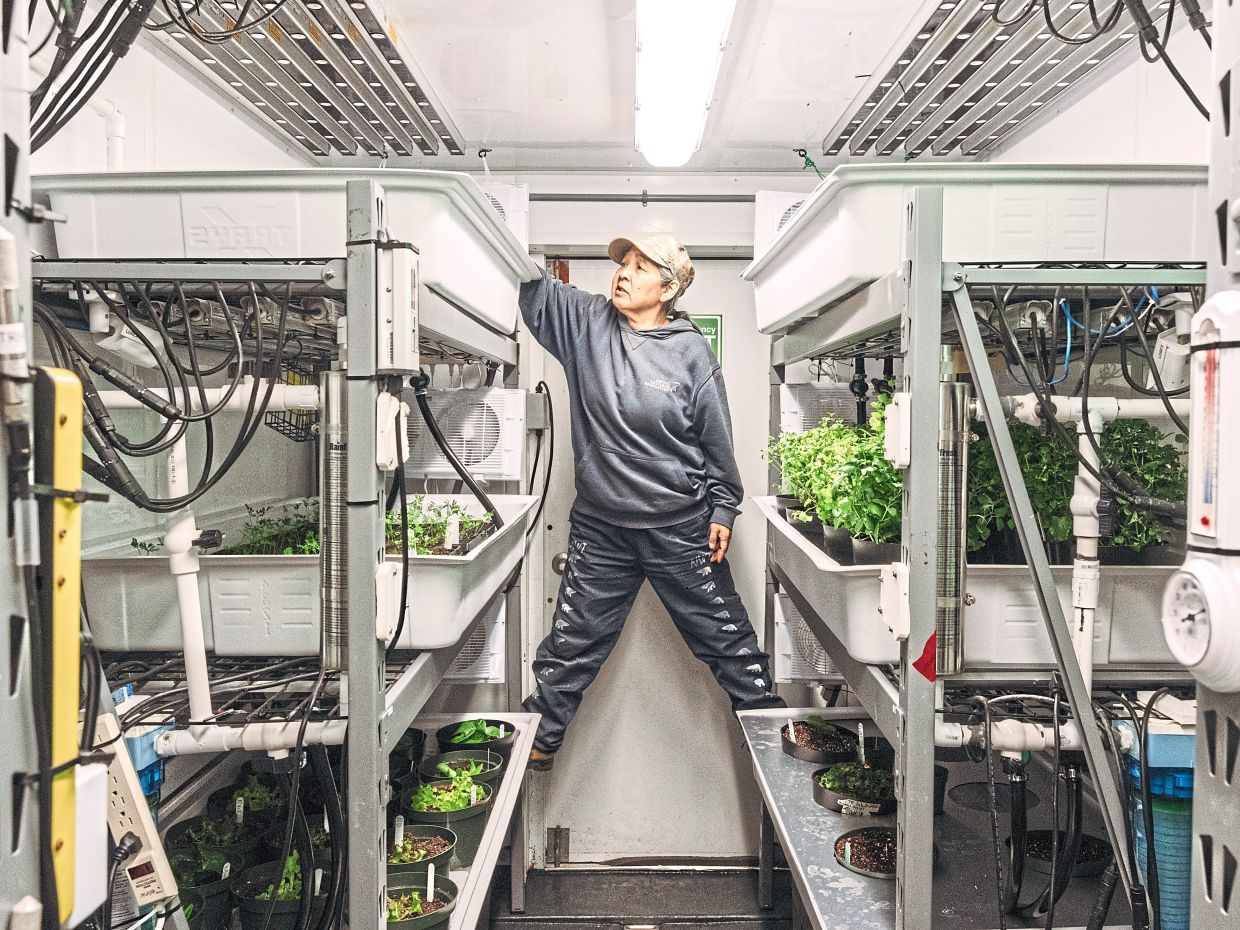
Kogvik works inside a high-tech greenhouse that is yielding locally grown produce for the first time in living memory.
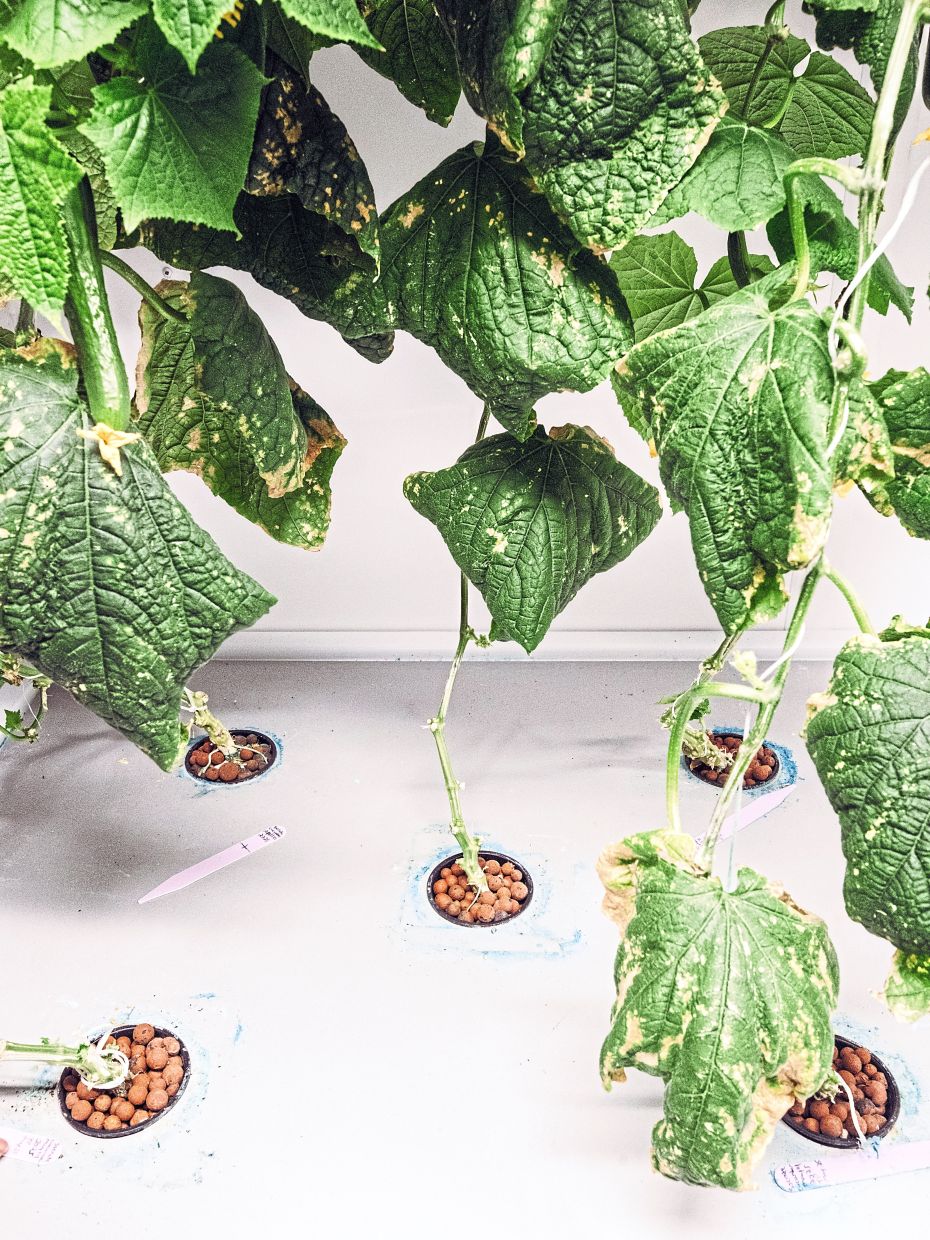
Inside insulated shipping containers, plants grow in soil and water under artificial lights, cocooned by constant heating through much of the year.
The hope is that this experiment will one day reduce reliance on perishable goods flown in from southern Canada at enormous cost – and provide a healthier diet for the Inuit, the only people to have lived in the Arctic for centuries.
Tradition meets modern diets
For generations, Inuit survived by drawing nutrients from raw meat and fish, compensating for the absence of fruits, vegetables and sunlight.
European explorers were less fortunate: a lack of vitamins is thought to have contributed to the deaths of many, including members of the doomed Franklin expedition, who perished near Gjoa Haven in their quest for the Northwest Passage.
Today, Inuit communities across the Arctic are caught between tradition and modernity.
Forced by the Canadian government into hamlets like Gjoa Haven during the 1960s, the Inuit have shifted from nomadic hunting and fishing to largely sedentary lives reliant on supermarkets.
The consequences have been stark: higher rates of obesity and the worst food insecurity in Canada.
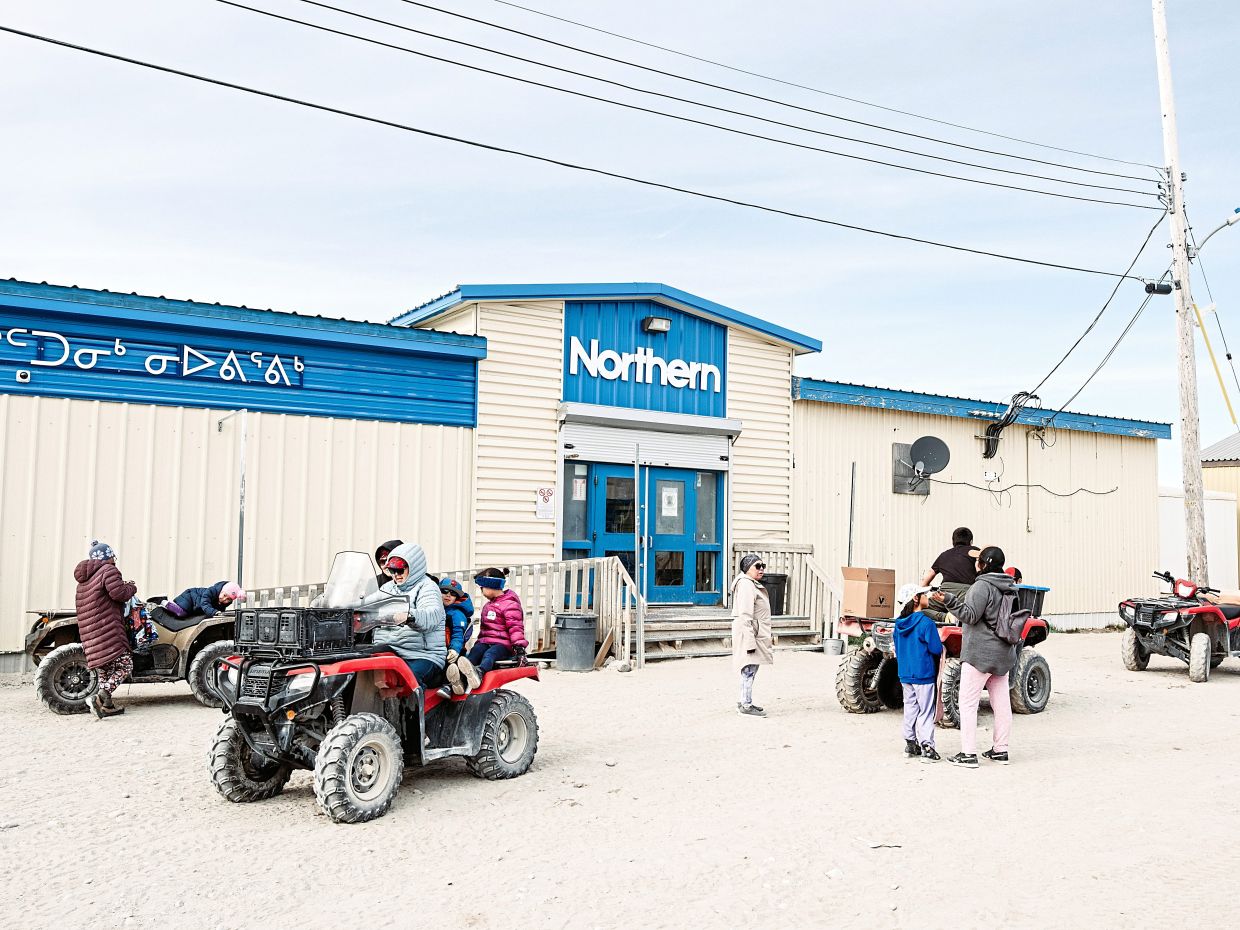
In Gjoa Haven, a settlement of about 1,500 people, the high cost and poor quality of supermarket produce had long fuelled discontent.
So when hamlet elders told researchers from the Arctic Research Foundation (ARF) that they wanted a greenhouse, the idea struck a chord.
The foundation – a private Canadian organisation that helped locate one of the Franklin ships in 2016 with local assistance – was seeking a way to continue working with the community.
Building ‘the growing place’
In 2019, two shipping containers were installed on a hill at the edge of the village.
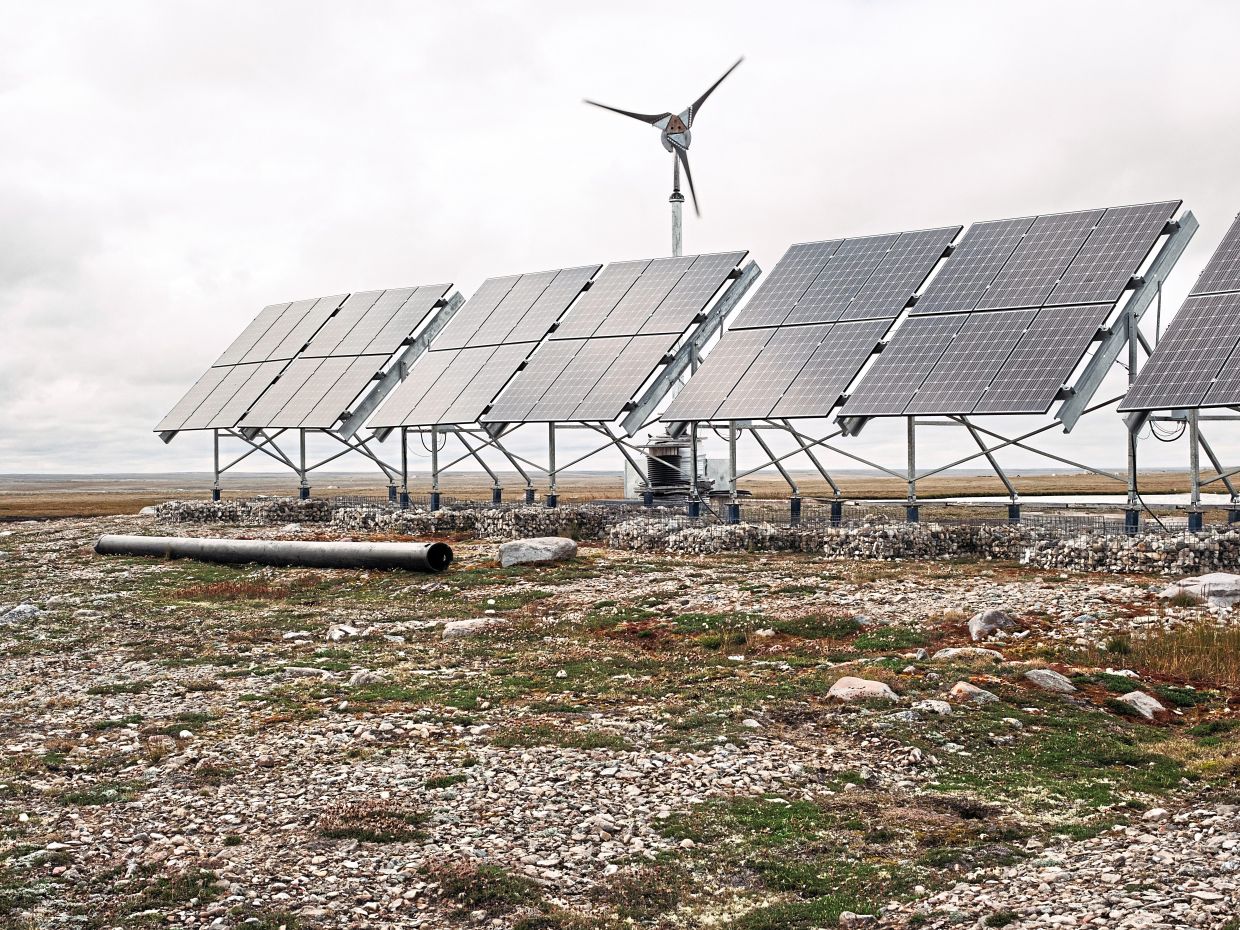
Outfitted with solar panels, wind turbines and a backup diesel generator, the containers were retrofitted as a greenhouse and christened Naurvik – “the growing place” in Inuktitut.
At first, the idea of farming intimidated those who had never grown plants.
Kogvik recalled panicking when ARF researchers left after the initial set-up.
“I told them, ‘In the next couple of days, you’re going to hear me screaming and shouting because all the plants are going to be dead,’” she said.
“But two weeks later I harvested them.”
Now, Kogvik trains others, including 35-year-old Kyle Aglukkaq.
As a child, he was fascinated by a television episode about plants but, with no greenery around him, assumed they were impossibly fragile.
“But actually you don’t have to be really careful with them,” he said.
“You can rough them up,” Kogvik joked, as the two tended shelves of vegetables and fruit.
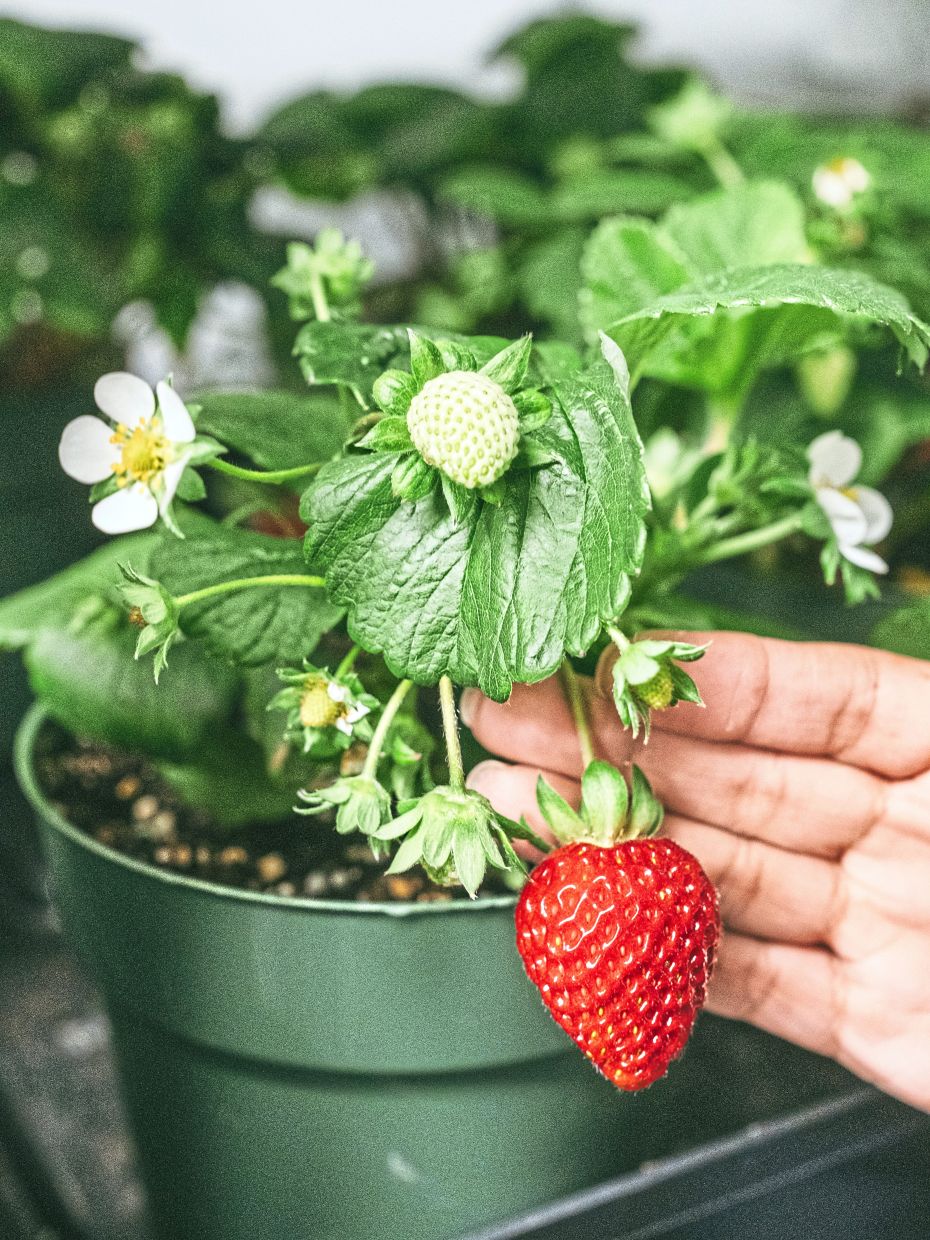
Holding up a strawberry, Kogvik beamed: “These are a bit sweeter and tastier than those in the stores, which taste old.”
After work, she bagged greens to deliver to the hamlet’s community centre.
Produce from the greenhouse is also donated to elders and the local search-and-rescue team.
Costs and challenges
For now, yields are modest and the greenhouse functions as much as a research project as a food supplier, financed in part by the Canadian Space Agency.
Since 2019, it has cost about C$5mil to build and operate, said ARF chief executive Tom Henheffer.
The foundation expects production to scale up in the next three years, making it economically sustainable in Gjoa Haven and potentially in other Inuit communities. It also plans to add a processing facility for local products such as Arctic char.
Henheffer hopes to tap into a federal subsidy programme that offsets the costs of flying perishables north.
“Instead of giving money to grocers in the south, you’d be paying it to people in the community growing food,” he said.
The need is urgent.
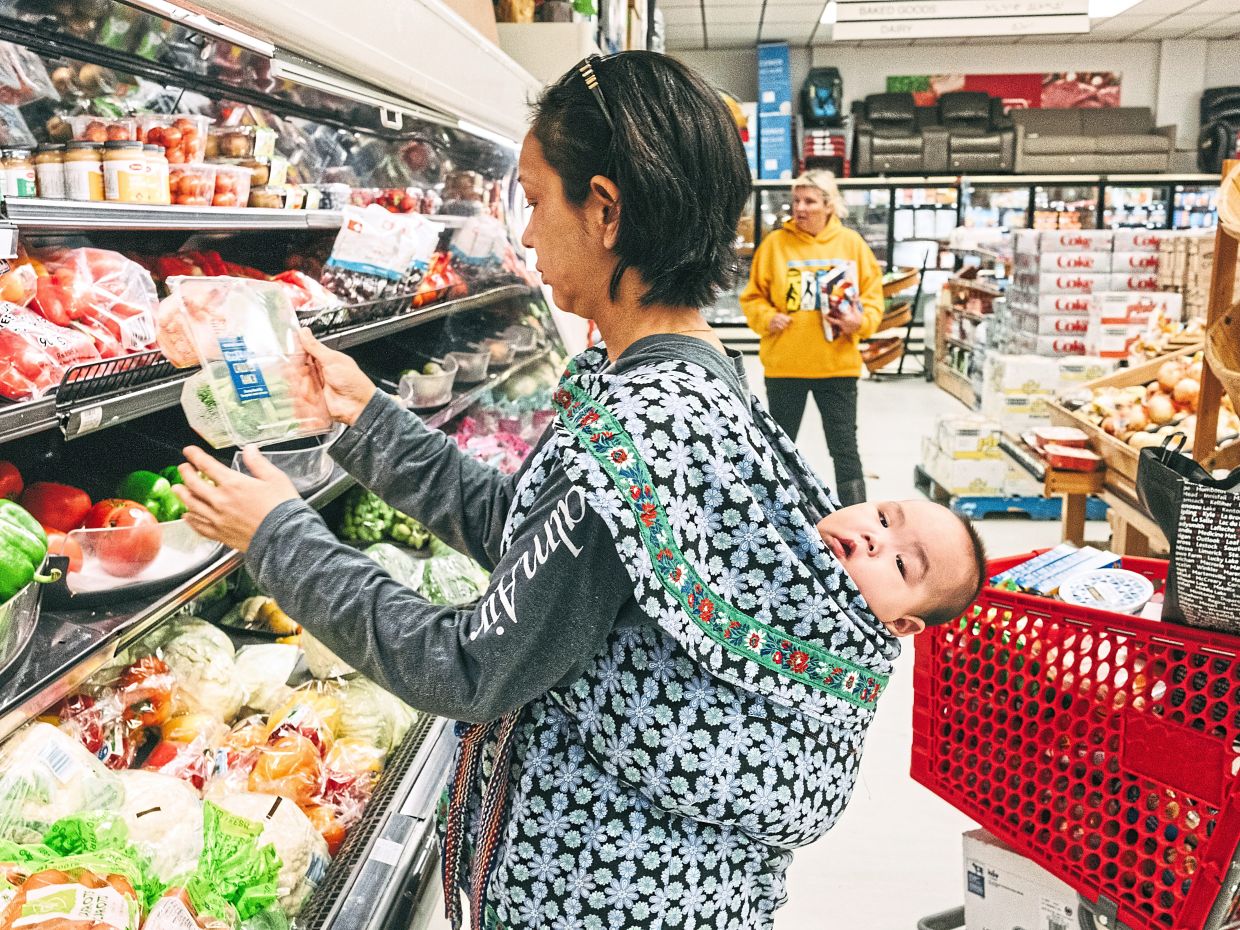
At the Co-op, one of Gjoa Haven’s two supermarkets, 28-year-old Hailey Okpik was shopping with her baby strapped to her back.
A week’s worth of groceries for her family of six – milk, fruit, vegetables and prepared meals – came to C$914.
“The prices are the same at both supermarkets,” she said, though she preferred the community-owned Co-op.
Most goods arrive once a year by sealift, but fresh produce is flown in weekly from northern Manitoba.
In winter, when temperatures plunge to –40°C, fruit and vegetables can spoil within minutes of leaving the plane.
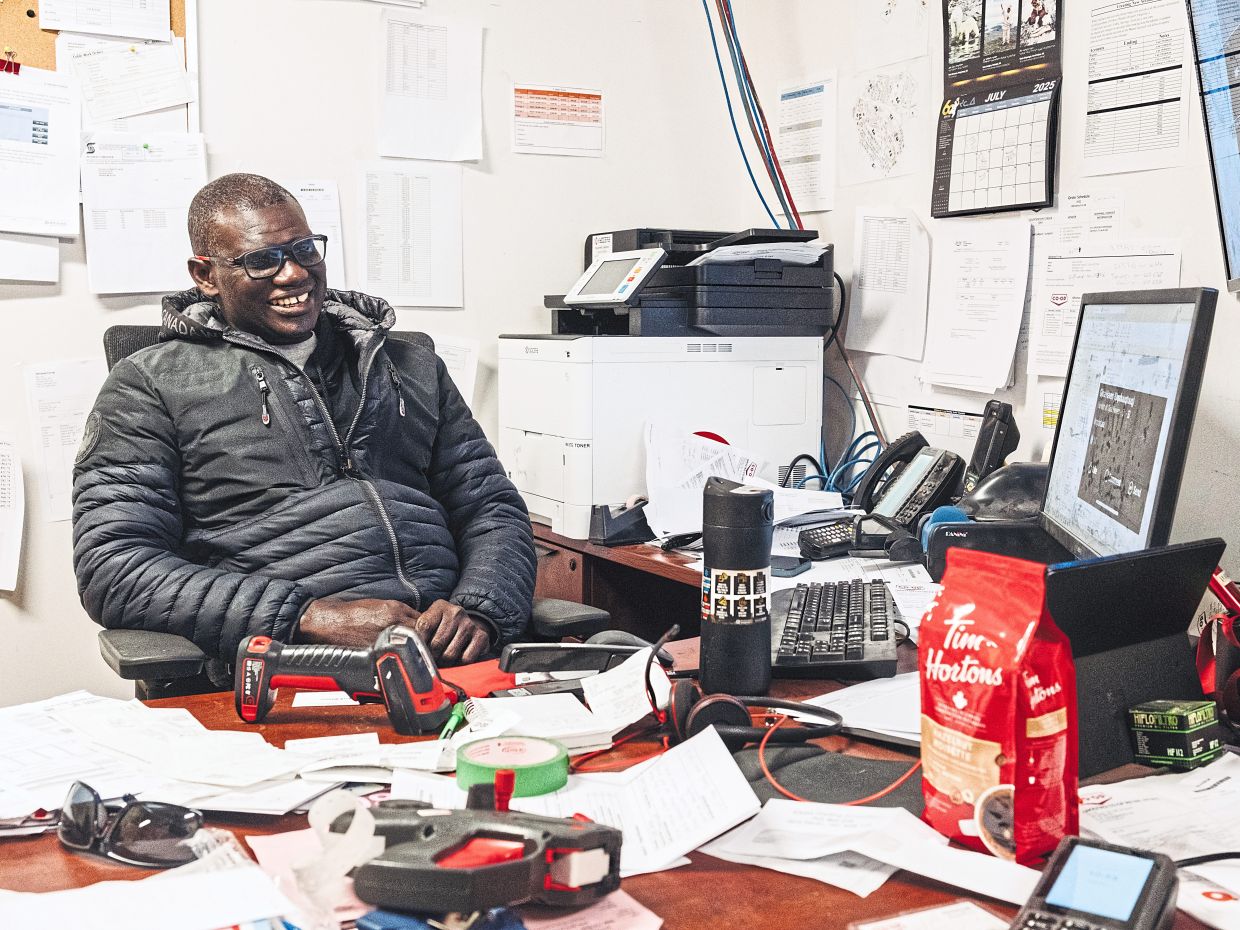
“Bananas freeze very quickly, and sometimes you have watermelons that arrive completely frozen,” said Co-op manager Moussa Ndiaye, who immigrated from Senegal.
“We have to discard them right away.”
The long supply chain, combined with the limited scale of retailing in the Arctic, pushes up prices.
Critics accuse supermarkets of overcharging, but whatever the cause, the result is the same: nearly 60% of Nunavut residents cannot afford enough food of sufficient quality.
That is more than double the national average, according to government data.
A shift away from hunting
Like many indigenous communities, Gjoa Haven gave up its nomadic lifestyle only a few generations ago. Elders recall hunting caribou, seal and fish for sustenance.
“I grew up eating animals and fish that my father harvested,” said Tony Akoak, 67, who represents Gjoa Haven in Nunavut’s legislature. But he admitted he never learnt those skills himself.
“They’re just going to the store and getting junk food,” he said of the younger generation.
Still, Akoak sees hope in Naurvik. With government support, he believes the greenhouse could expand to supply fresh produce more widely.
“So anything can grow here,” he said, “if you look after it properly.” — ©2025 The New York Times Company
This article originally appeared in The New York Times.
No more barren winters
Strawberries grown in converted shipping containers in Gjoa Haven. — Renaud Philippe/The New York Times
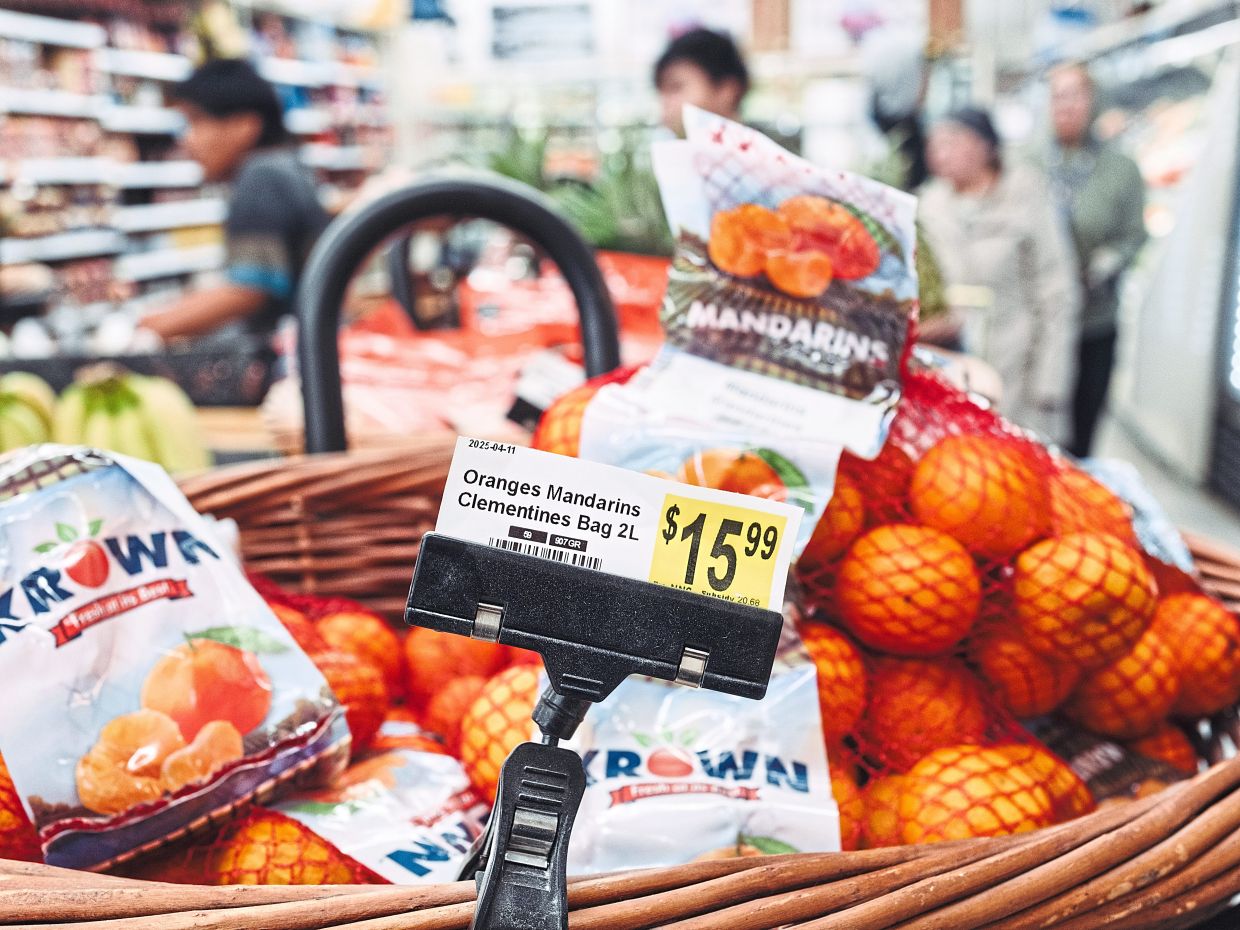
The Northern, one of two grocery stores in Gjoa Haven. — Renaud Philippe/The New York Times
Bags of oranges are displayed for sale at the Northern, one of two grocery stores in Gjoa Haven. — Renaud Philippe/The New York Times
Moussa Ndiaye, manager of the Co-op grocery store. — Renaud Philippe/The New York Times
With her six-month-old daughter on her back, Hailey Okpik shops at the Co-op, one of two grocery stores in Gjoa Haven. — Renaud Philippe/The New York Times
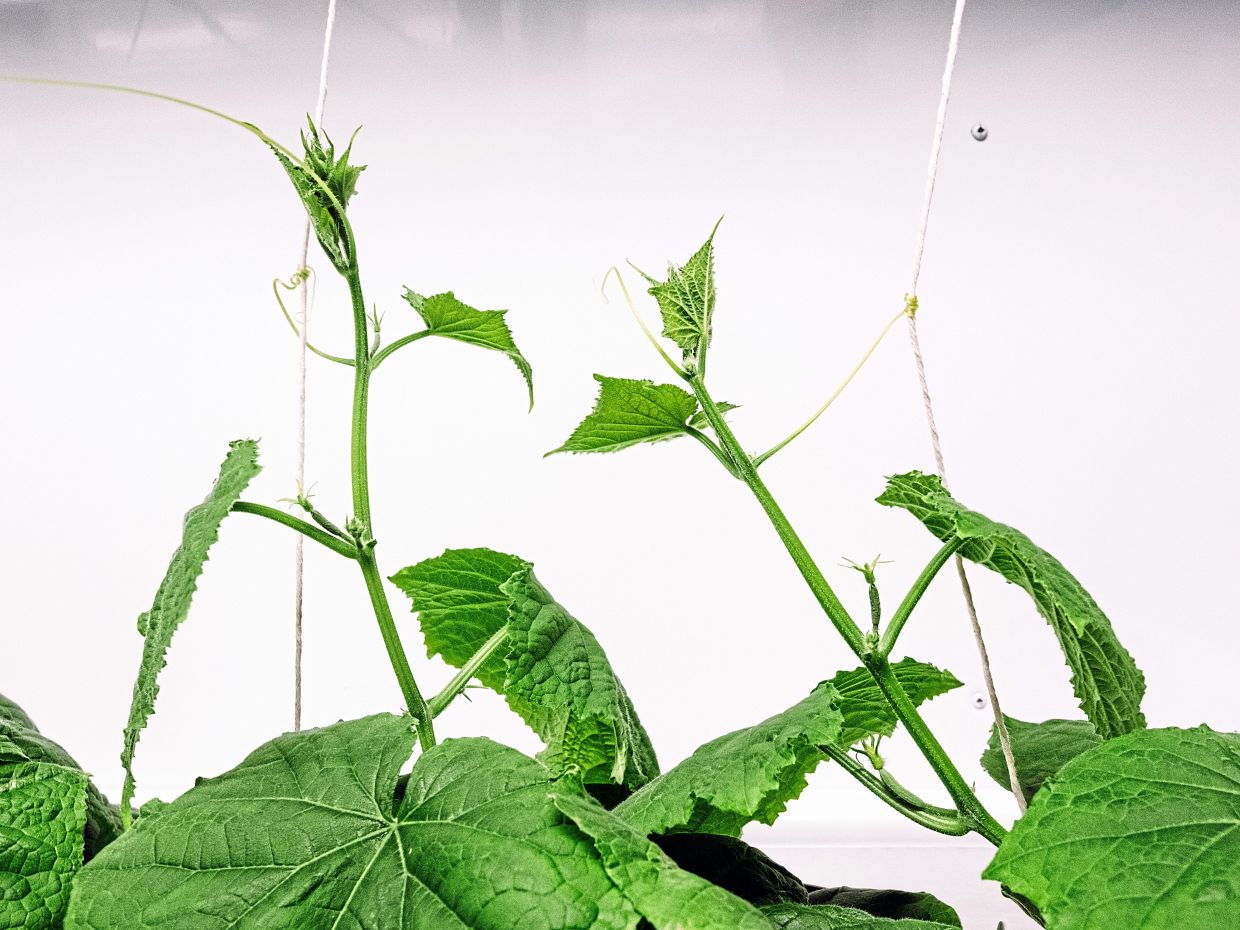
Plants are grown under artificial lights inside insulated shipping containers with no view of the outside in Gjoa Haven. — Renaud Philippe/The New York Times
Gjoa Haven is an Inuit hamlet in the Canadian Arctic. — Renaud Philippe/The New York Times
Betty Kogvik at work in the high-tech greenhouse. The greenhouse is bringing fresh produce to Gjoa Haven, where residents have little experience growing plants and live through weeks of total darkness during the long winters. — Renaud Philippe/The New York Times
Plants are grown under artificial lights inside insulated shipping containers with no view of the outside in Gjoa Haven. — Renaud Philippe/The New York Times
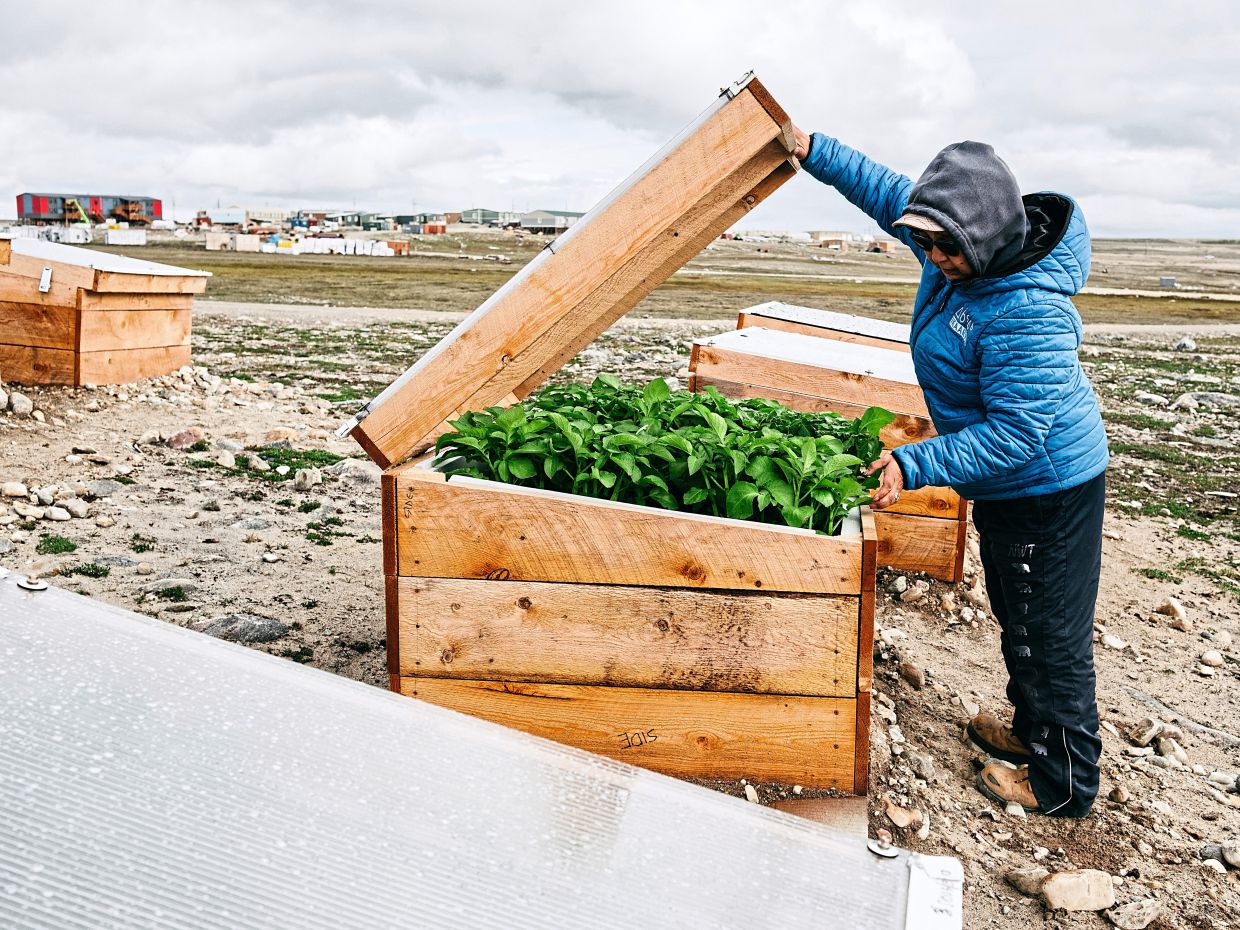
Kogvik outside the high-tech greenhouse where she works in Gjoa Haven. — Renaud Philippe/The New York Times
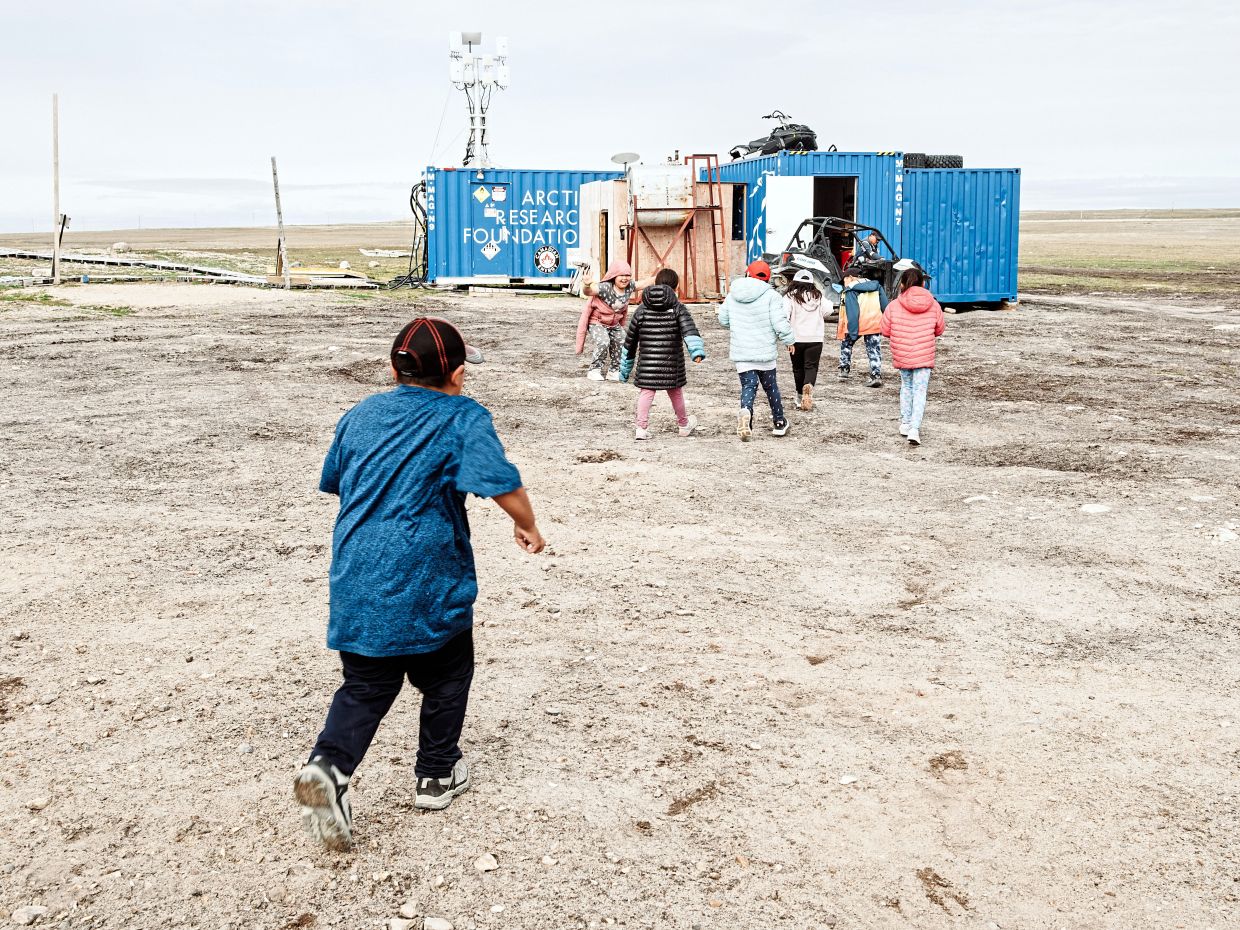
Children visit the high-tech greenhouse in their community of Gjoa Haven.
Solar panels used by the high-tech greenhouse in Gjoa Haven.— Renaud Philippe/The New York Times
Part of the tundra landscape surrounding Gjoa Haven, an Inuit hamlet in the Canadian Arctic. — Renaud Philippe/The New York Times