



THE passing of celebrities rarely shook me deeply. But there are exceptions; in 2002, when Allahyarhamah Rafeah Buang left us, it felt personal – her voice, her grace, and her songs were my late mother’s favourites, and in her, I caught fleeting echoes of the woman I lost when I was only three. Now, years later, it is Robert Redford’s departure that resonates deeply with me. He was my all-time favourite actor, a man whose screen presence once made me even toy with the idea of going into acting myself, though of course, in those days, acting was never seen as a “proper” career.
Still, in the quiet of my childhood, he gave me permission to dream.
When I think of Robert Redford, I remember not just an actor, but a guardian of my childhood – and especially of the way I believed in kindness, courage, and quiet strength.
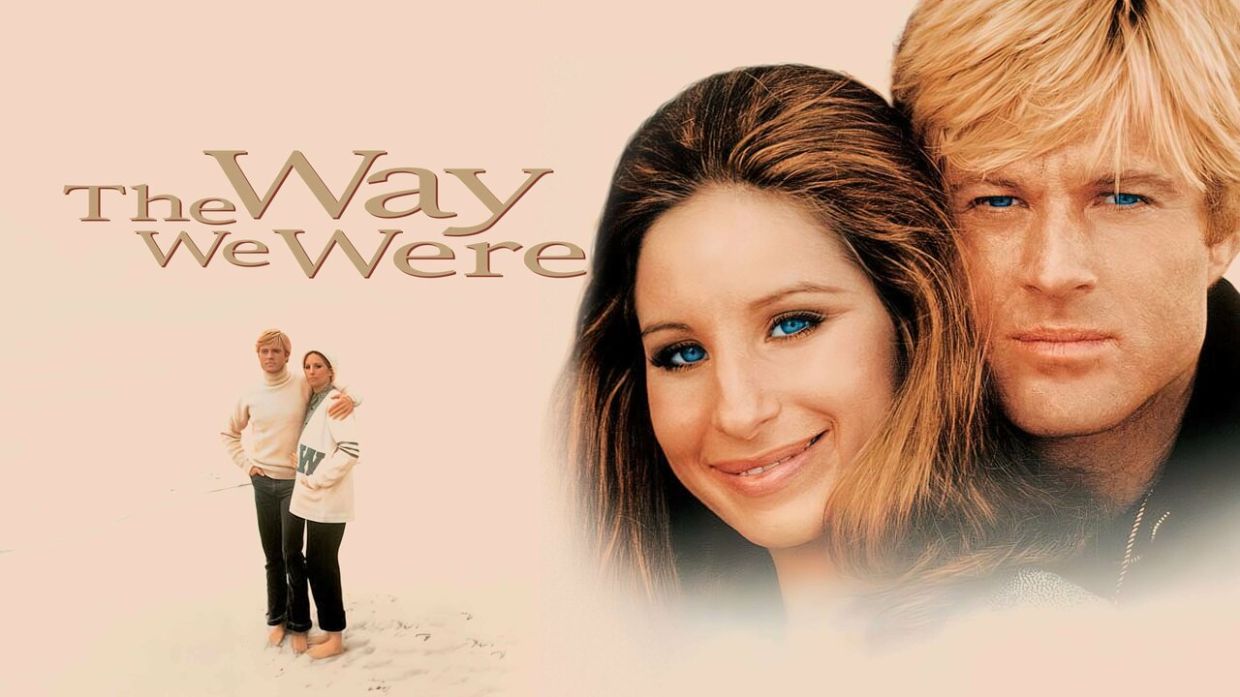
In The Way We Were, he was more than a romantic lead; he was the embodiment of hope, of someone who saw beyond the immediate heartache, who carried convictions even in broken moments. As a child, when things got bad, I would close my eyes and imagine him there, his voice guiding, his eyes in that soft kindness saying, you will be alright.
He played so many roles – sometimes the hero, sometimes flawed and lost, sometimes responsible for lessons that hurt, but always with a gentle honesty. And many of those characters ended in loss, or in death, or in departures that a young heart can barely comprehend. Yet in those endings I found solace. Because even when his character died, or someone he loved died, or the love couldn’t last, there was something enduring: the courage of trying, the integrity of feeling, the beauty of vulnerability.
Robert Redford wasn’t just in the movies I loved – he lived in them. He became part of the soundtrack of my growing up: my fears, my hopes, the nights I stayed awake imagining a better world. And that voice – his voice, his presence – was always a reminder that even when endings are inevitable, the journey matters.
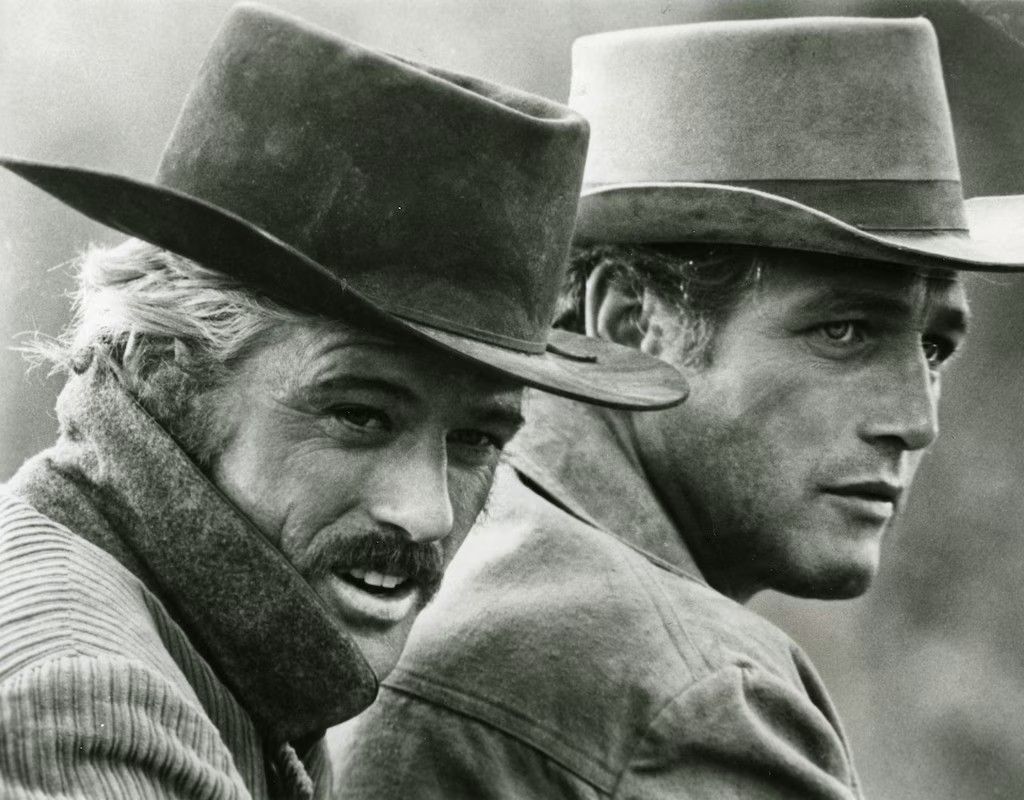
Robert Redford’s journey on screen began humbly in War Hunt (1962), before his charm lit up This Property Is Condemned (1966) and the playful Barefoot in the Park (1967). By the late sixties, he was already carving his place as Hollywood’s golden boy, whether racing slopes in Downhill Racer or riding into legend as the Sundance Kid in Butch Cassidy and the Sundance Kid (both 1969). Even then, there was a quiet gravity in his performances, a sincerity that drew audiences in.
The early seventies brought roles that touched me most. In The Candidate (1972), he showed the disillusionment of politics with a subtle weariness, while in Jeremiah Johnson (1972) he embodied the rugged solitude of a man searching for peace.
And then came The Way We Were (1973) – the film that etched him permanently into my heart. As Hubbell, Redford was not just a romantic figure; he was the man whose kindness, strength, and quiet vulnerability spoke to me as a child when I needed someone to imagine guiding me. It was more than a film, it was a mirror of longing, of what love and loss might mean.
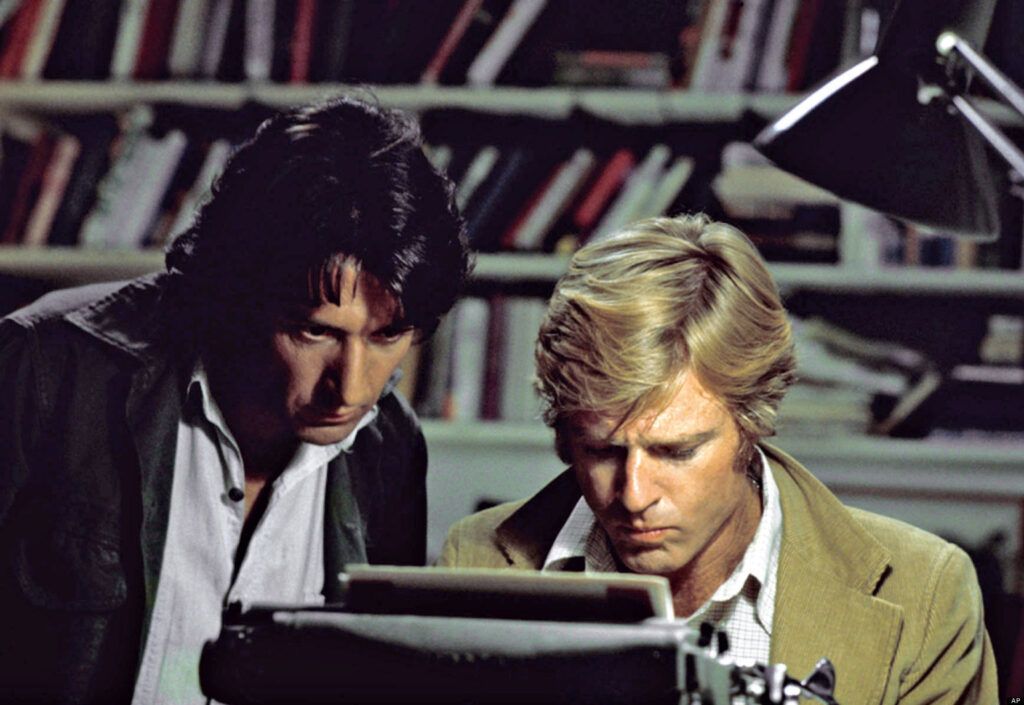
That same year, he dazzled the world in The Sting, and the following year he gave us a haunting Jay Gatsby in The Great Gatsby (1974). Redford’s intensity deepened in thrillers like Three Days of the Condor (1975) and in the soaring tale of The Great Waldo Pepper (1975), before he forever sealed his reputation as both actor and cultural conscience in All the President’s Men (1976).
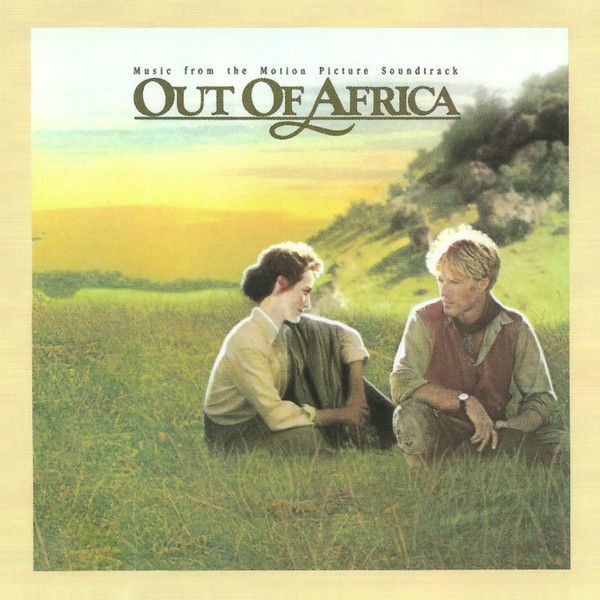
I remember being swept away by the glow of The Electric Horseman (1979), where he danced with country lights, and later by The Natural (1984), which wrapped baseball in myth and destiny. But perhaps one of the most unforgettable was Out of Africa (1985). Watching Redford there, alongside Meryl Streep, I felt transported into a world of sweeping romance and impossible beauty. His presence was magnetic, yet tender, making me believe in the grandeur of love, even when I knew it would break.
The nineties brought new shades: his wit in Sneakers (1992), the moral gamble of Indecent Proposal (1993), and the soulful healing of The Horse Whisperer (1998), which he also directed. These films often ended with loss or heartbreak, but to me, they were never about despair – they were about the beauty of trying, of living fully despite the inevitable.
Even in later years, his work carried the same poignancy. In An Unfinished Life (2005), he wrestled with grief and forgiveness. In All Is Lost (2013), he stood utterly alone at sea – silent, stripped of words, but somehow speaking volumes. In A Walk in the Woods (2015), there was humour and nostalgia; in Pete’s Dragon (2016), warmth and wonder; and in The Discovery (2017), a searching look at the mysteries of life beyond life. Finally, in The Old Man & the Gun (2018), he bowed out with one last twinkle of charm, a gentle outlaw who felt like Redford tipping his hat to us all before stepping off the screen for good.
Through these films and many more, Robert Redford gave me not just characters, but companions. His roles carried me through childhood and into adulthood, teaching me that even when endings are inevitable, grace, courage, and love leave their mark forever.
On Sept 16, I said farewell to my childhood hero. Thank you, Robert Redford, for every whisper of kindness, every flicker of hope in your gaze, and every story that let me imagine I was not alone.
Thank you for being there in the dark, for showing me that even when endings come, love, courage, and grace remain. I will carry you in my heart, as the boy who paired you with my dreams, as the adult who still finds solace in your presence. Rest now. You were more than a star: you were a lighthouse in my world.
Goodbye, Robert Redford… and so, just as Rafeah Buang’s voice once gave me the warmth of a mother I barely knew, your presence gave me the comfort, a guide I always longed for. Both of you are gone now, but in different ways, you will live on forever in me.
“Memories, may be beautiful and yet…What's too painful to remember, we simply choose to forget… So, it’s the laughter, we will remember…The way we were….”
Prof Mohd Said Bani C.M. Din, who is president of PRCA Malaysia, remembering the way we were in a Robert Redford retrospective. The views expressed here are solely the writer’s own.
