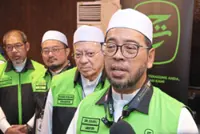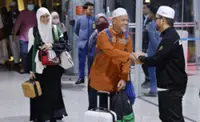
“MALAYZIYA? Welcome! Welcome!” These words still ring in my ears – words I heard not just from eager shopkeepers in Mecca but also from the fierce-looking Saudi Arabian police guarding the holy city.
For Muslims worldwide, travelling to Mecca for the Haj is an important journey that many save up for for years and that many more yearn for.
The Haj is the fifth pillar of Islam and is compulsory for those who are able-bodied and can afford it. There are key rituals that must be followed, emulating the traditions of Prophet Muhammad and Prophet Abraham, and they can only be performed during the first 10 days of Zulhijjah of the Muslim calendar, culminating in Hari Raya Aidiladha.
The festival, also known as Hari Raya Haji or Hari Raya Korban in Malaysia, is when Muslims sacrifice livestock such as goats, sheep, and cows, and share the meat with the poor.
While the pilgrimage is a spiritual one, it is also a very physical one – one has to have the stamina to walk long distances, not to mention the patience to deal with the massive crowds of people from all over the world, all heading in the same direction.
And yet the tenacity of the elderly and the sickly in completing the pilgrimage is unbelievable, showing how much our minds control our bodies.
Tabung Haji chairman Tan Sri Rashid Hussain kindly invited The Star to join the Malaysian Haj authority’s media team this year, and I’m grateful my bosses chose me. The journey is over and the whole experience still seems surreal – but also unforgettable.
Having been to Mecca for my Umrah (small pilgrimage) 24 years ago did not help me once I got there, as everything has changed.
Heavenly architecture
The much-expanded Holy Mosque has astounding architecture – from gigantic intricately- patterned doors to (speaker- and aircon-embedded) pillars which take your breath away.
The square black Kaabah (the focal point of Muslims when they pray), known as the first home, still stands majestically with its gold and black Kiswah coverings, but wearing a white band around it to signify that the Haj season is here.
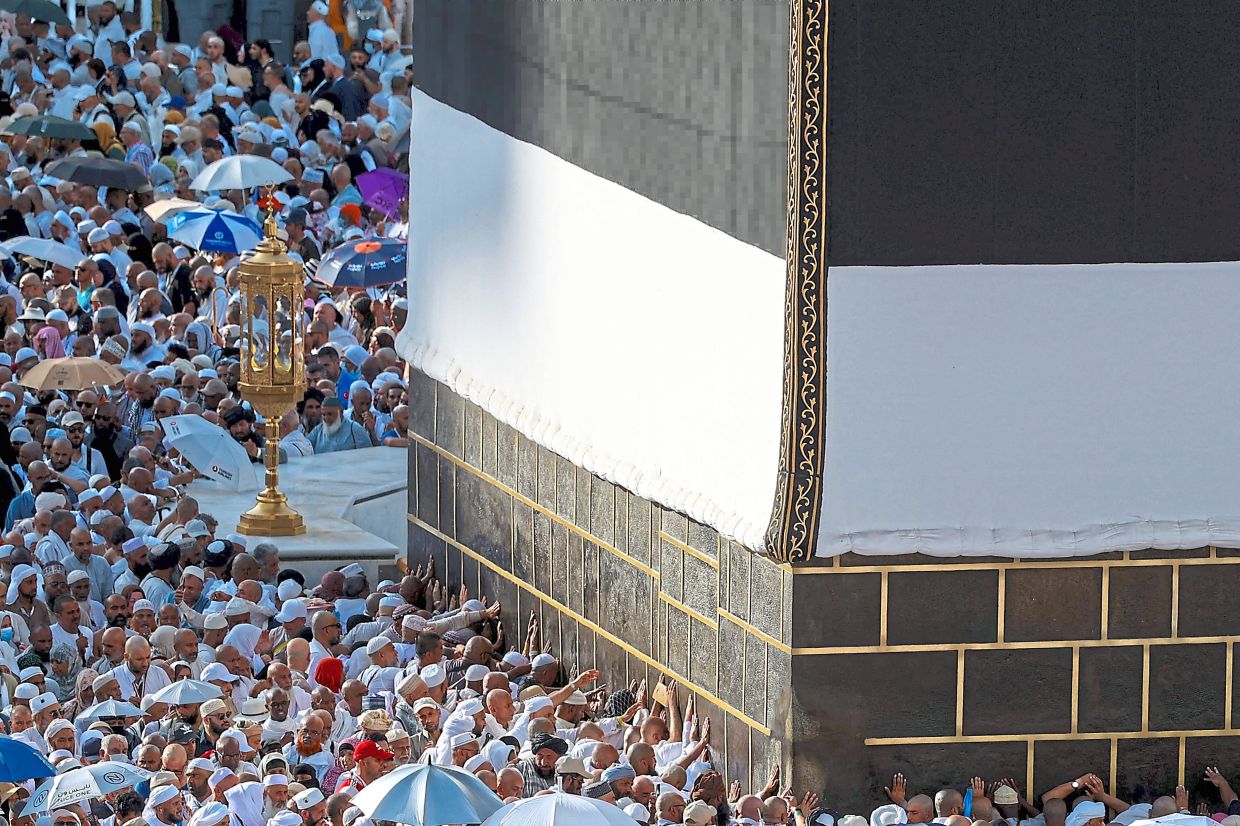
Mohd Saufi Lim Abdullah, 71, who converted to Islam 36 years ago, said that one should not wait to go on the Haj.
“The feeling of seeing the Kaabah in real life, something we can only envisage when we pray, cannot be described. For me, it is during Haj that I see humanity of all colours and races of the world,” says Mohd Saufi, who works in the oil and gas industry.
High-end malls – truly a shopping paradise – and glitzy five-star hotels surround the Grand Holy Mosque that encases the Kaabah.
Malaysian pilgrims are the most-sought after shoppers in the Holy Land. They are known as the most generous of pilgrims, as they hand out dates to other pilgrims and cash to cleaners and rubbish collectors.
The Big Ben-like Mecca Clock Royal Tower stands proudly at 601m with its shadow on the Holy Mosque – the tallest clock tower in the world.
The clock face is the largest in the world, and the top four floors of the clock tower house the Clock Tower Museum – from which one can get an amazing bird eye’s view of the Holy Mosque of Mecca and the Kaabah.
The Saudi Haj authorities this year further feted the international media with tours to many places of interests, such as the new expansion phases of the Holy Mosque, museums of Prophet Muhammad and the Clock Tower, the Quran Museum, and the Kiswa (cloth which covers the Kaabah) factory, all interspersed by international lunch spreads.
This was part of the Saudi government’s efforts to showcase other wonders of Mecca as a land with many other places of interest to enhance the pilgrimage.
Reputation to uphold
Malaysian pilgrims here are much respected as Tabung Haji, the only Haj fund of its kind in the world – has to date been awarded the best haj manager with the Labbaytum award for three years in a row.
Exclamations of “Malayziya? I like Malayziya!” at the checkpoints drew jealous stares from the other pilgrims as we were breezily allowed through.
For a couple from Kedah – teacher Masni Malim, 43, and lecturer Ahmad Sharani Abdul Seliban, 44 – this pilgrimage is a result of her salary deductions for 17 years.
The Haj costs for Muassasah Pilgrims (first-timers) include flights, transportation, accommodations in Saudi Arabia, food, Haj courses, medical expenses, and payments to the Saudi Arabian government.
“I felt so anxious when my husband and I were chosen to be guests of God this year in Mecca.
“When we first got news that we were shortlisted last September, we were very excited. We went all out for the preparations for Haj – I would wear sports shoes to school and walk and climb stairs to keep fit.
“I also had to prepare my children – including my three-year-old – and my mother, who would be looking after my four children, for the fact that I would be away for more than a month,” says Masni.
Husband Ahmad says they prepared mentally and physically for months, with everything else going by in a blur.
Being at home in Mecca
Malaysian pilgrims are among the first to arrive for the Haj season. This enables them to easily acclimatise to the weather, food, and surroundings.
By the time the Haj season actually starts, Malaysian pilgrims under Tabung Haji would have been in the city for 20 days or so.
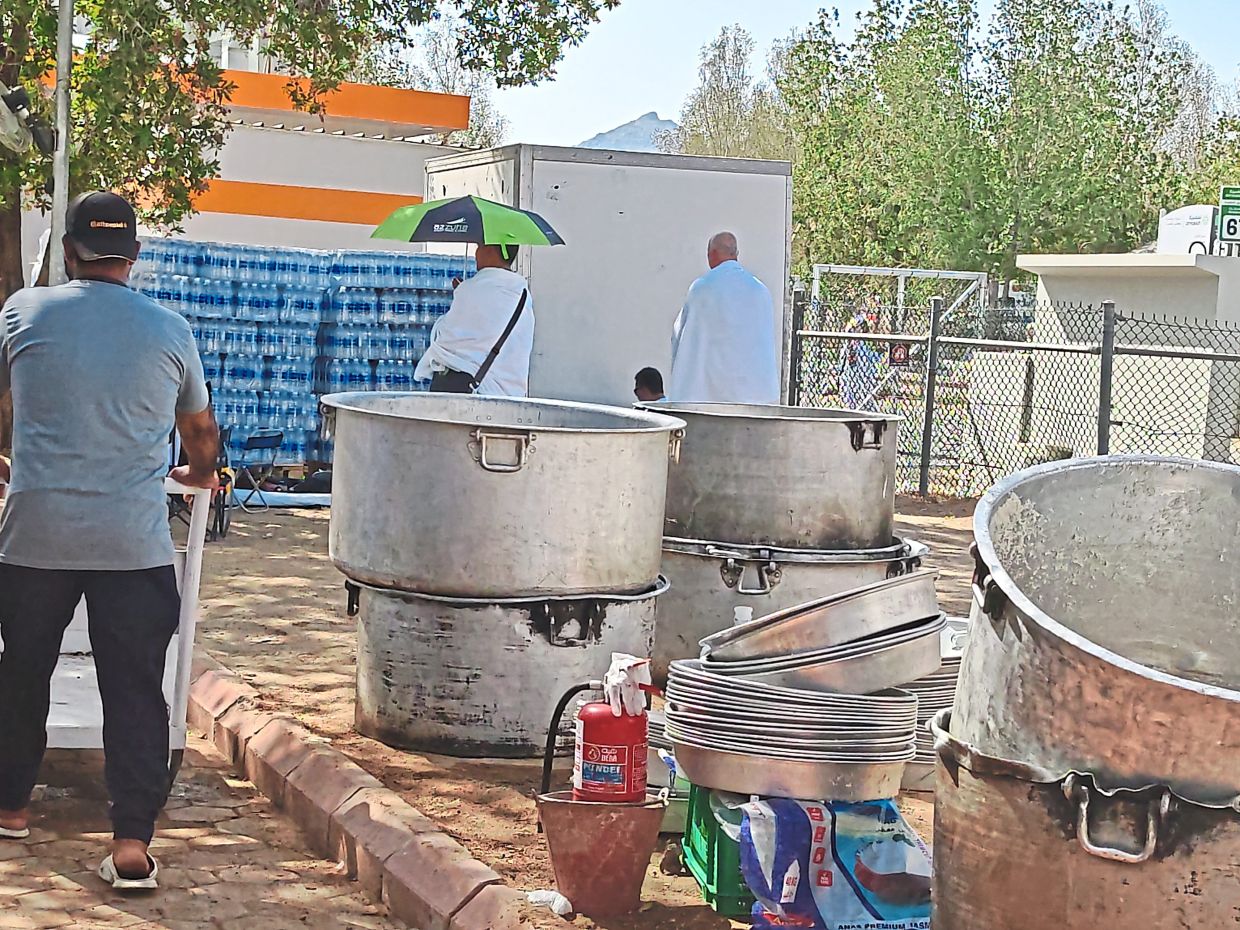
Kelantanese keropok trader Norhayati Yusof says her roommates, whom she has only come to know in Mecca, are her family here.
“We look out for each other when we go to pray and we do everything together,” says the chirpy Norhayati.
Having known the place for a couple of weeks before Haj also lessens the fear of being lost during the gruelling days of Arafah, Muzdalifah and Mina during the key rituals of wukuf (standing in prayer), mabit (spending the night) and jamrat (stoning the devil). Pilgrims have to perform the key rituals within a certain period to ensure that their Haj is complete.
Key rituals in comfort
On June 4, one day before the Day of Arafah, the pinnacle of the Haj, we were ferried by buses to air-conditioned tents on the plains of Mount Arafat, then to Muzdalifah, and the next day to Mina for the stone-the-devil ritual.
These facilities were set up by a local company, Al-Masiah, which liaises with the Saudi authorities on behalf of Tabung Haji.
From meals akin to in-flight meals, a free flow of cold, bottled drinking water to modern toilets and comfy mattresses, nothing was spared to ensure pilgrims were comfortable.
Teacher Zurina Mat Hussin, 60, from Terengganu, accidentally made history this season: She suffered heart issues and was saved by the Saudi Arabian medical team after going through an immediate life-saving cardiac catherisation.
“I cannot thank Tabung Haji and the Saudi health experts enough for what they have done for me,” says Zurina, who continued with her Haj rituals using the invalid initiative.
About 38 other pilgrims who were invalids too were provided “companions” to take care of them throughout the Haj. There were also 11 vision-impaired pilgrims this year.
Sarifah Hassan, 57, whose husband Abdullah Mat, 59, passed away during this Haj, was all praises for Tabung Haji on the way they handled the emergency.
Ten deaths have occurred among Malaysian pilgrims this season.
It has to be mentioned that among the most hardworking of the Tabung Haji personnel are the local-born Malays and Thais in Mecca – they speak excellent Arabic, Malay, and English.
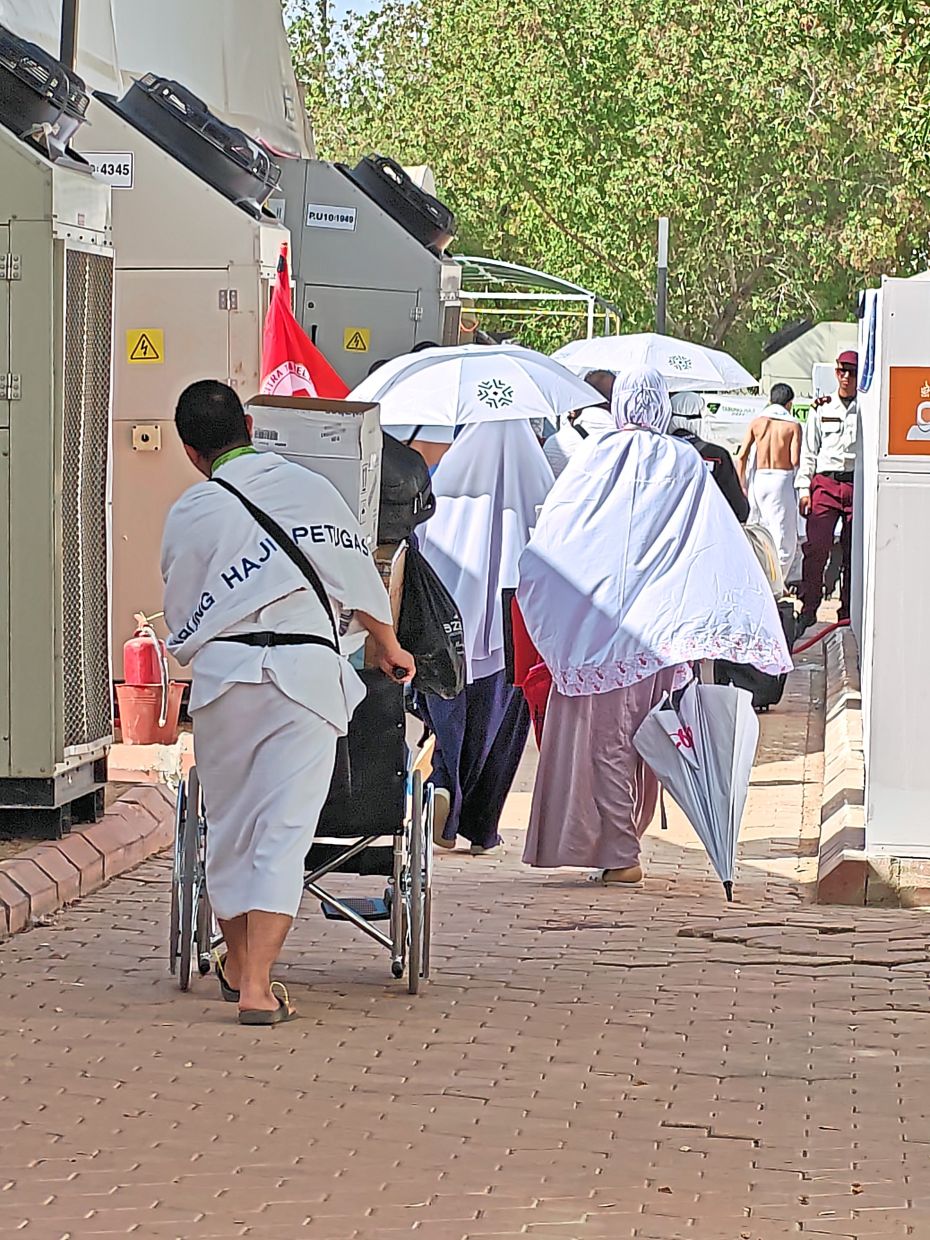
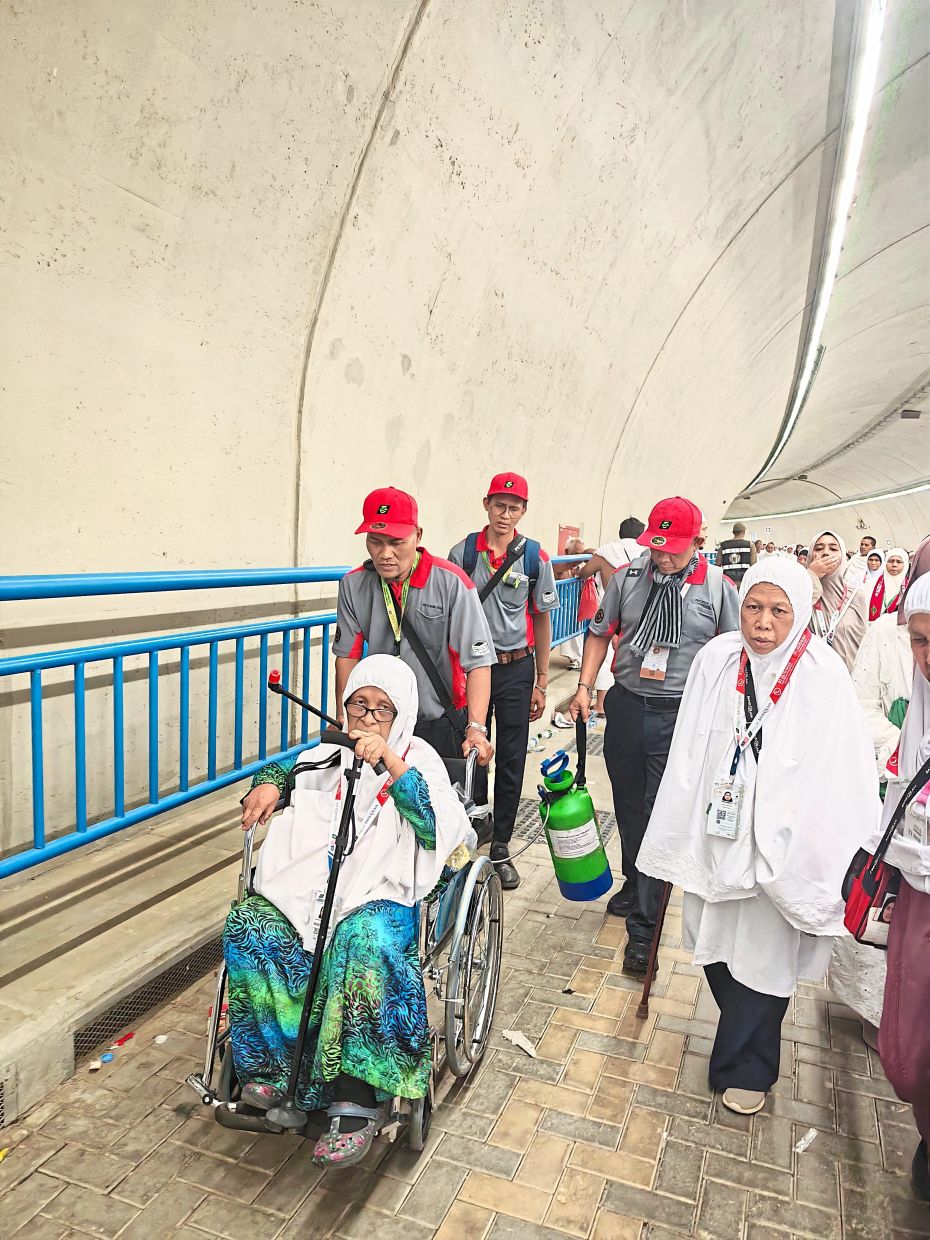
From pushing wheelchairs to being drivers, the service they provide to Malaysian pilgrims is top-notch – and without ever missing a smile.
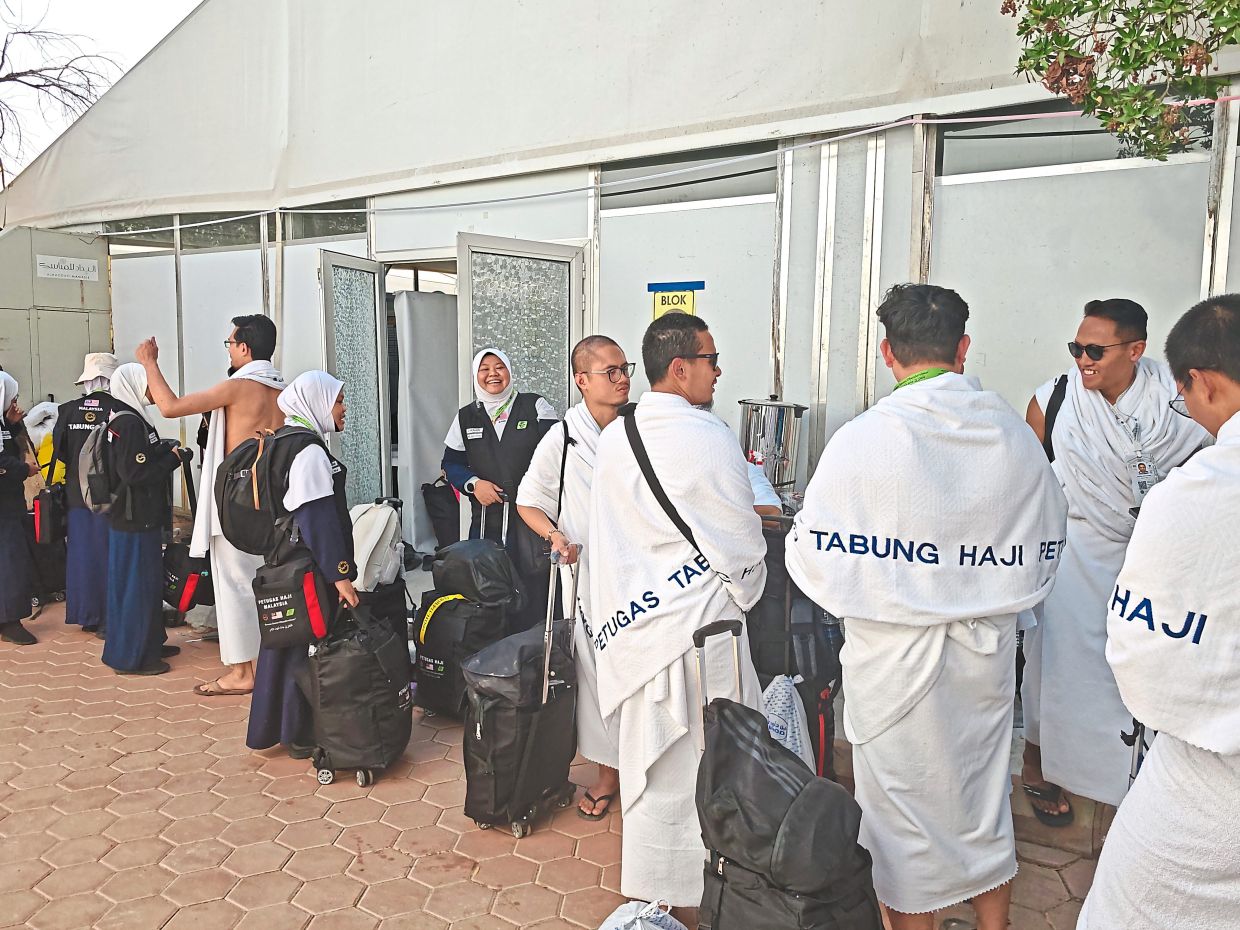
As everyone tends to be in humble mode here, wearing simple clothing, all the men in their white double-towel wraps, there are no class distinctions during the Haj.
Chief Secretary to the Government Tan Sri Shamsul Azri Abu Bakar, who was part of the Malaysian entourage, smiled sheepishly when another pilgrim Googled him and asked him if he was indeed who he was. And the wife of Datuk Mohd Na’im Mokhtar, Minister in the Prime Minister’s Department (Religious Affairs), Datin Nik Roslini Raja Ismail was spotted carrying pilgrims’ bags into the buses and taking photos for those who handed her their phones, not knowing who she was.
Friendship of strangers
At the end of it all, it is the camaraderie among the pilgrims of all races from all over the world – be they Malaysians, Indonesians, Pakistanis, Chinese, or the loud French-speaking African pilgrims, seated side by side in the Grand Holy Mosque that I remember the most.
For those sorts of short friendships struck up between strangers who can only communicate through gestures and smiles is a beautiful thing to witness as pilgrims share their food. Even lovelier in my eyes were the “conversations” among women pilgrims who chat not knowing each other’s languages.
As for Malaysian pilgrims, the Haj brings out the best in them, for back home we have already long practiced unity in diversity.
A pilgrimage of piety
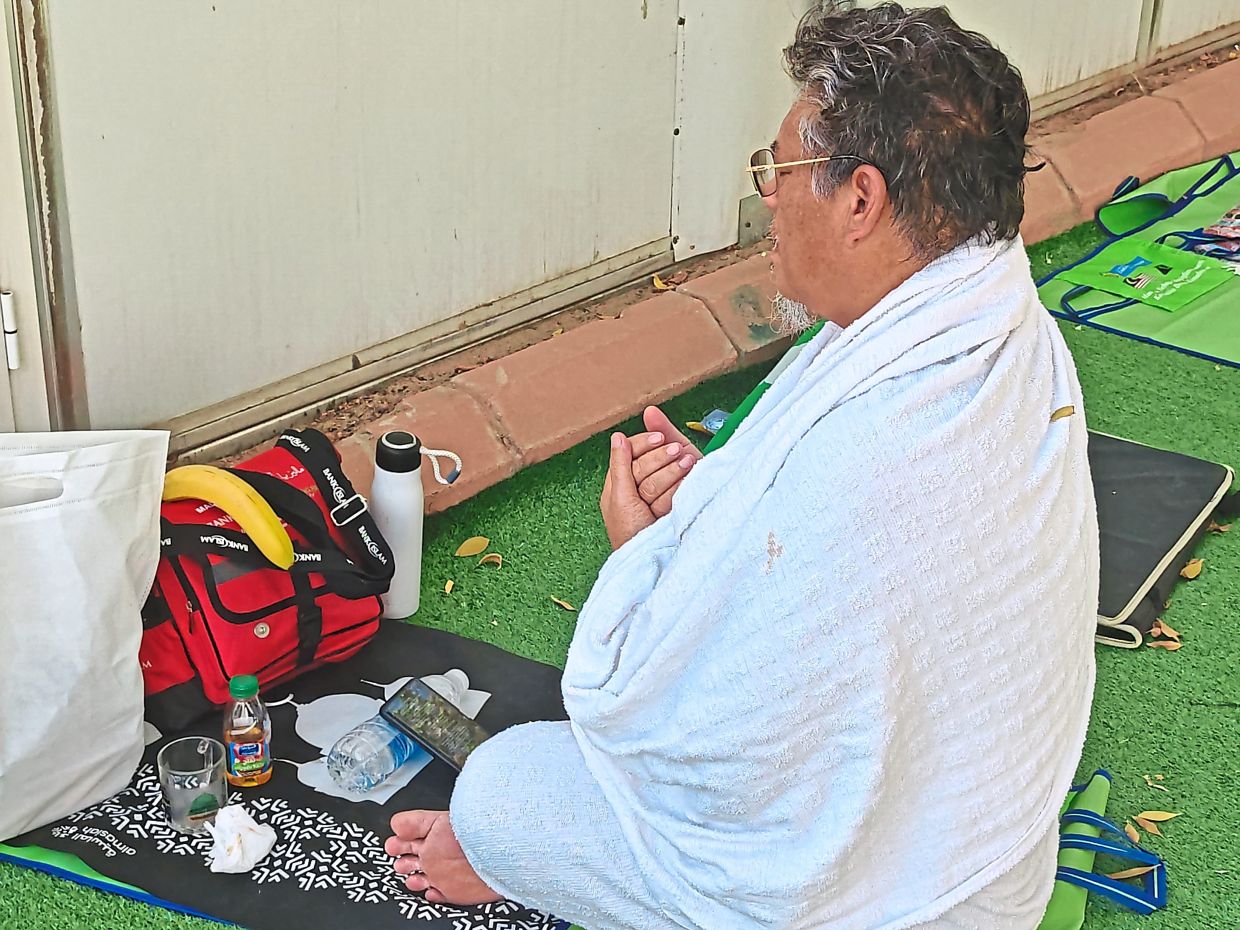
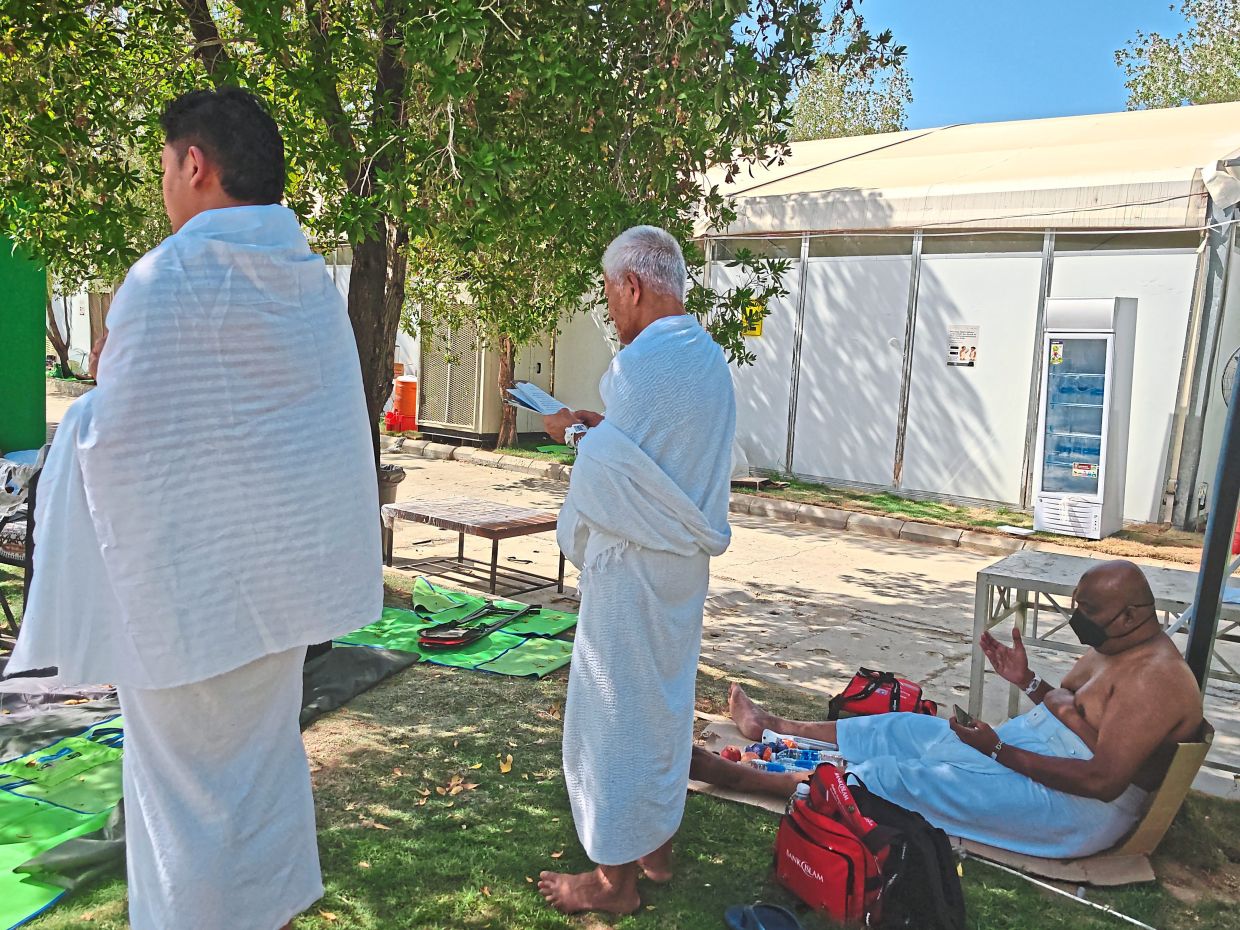
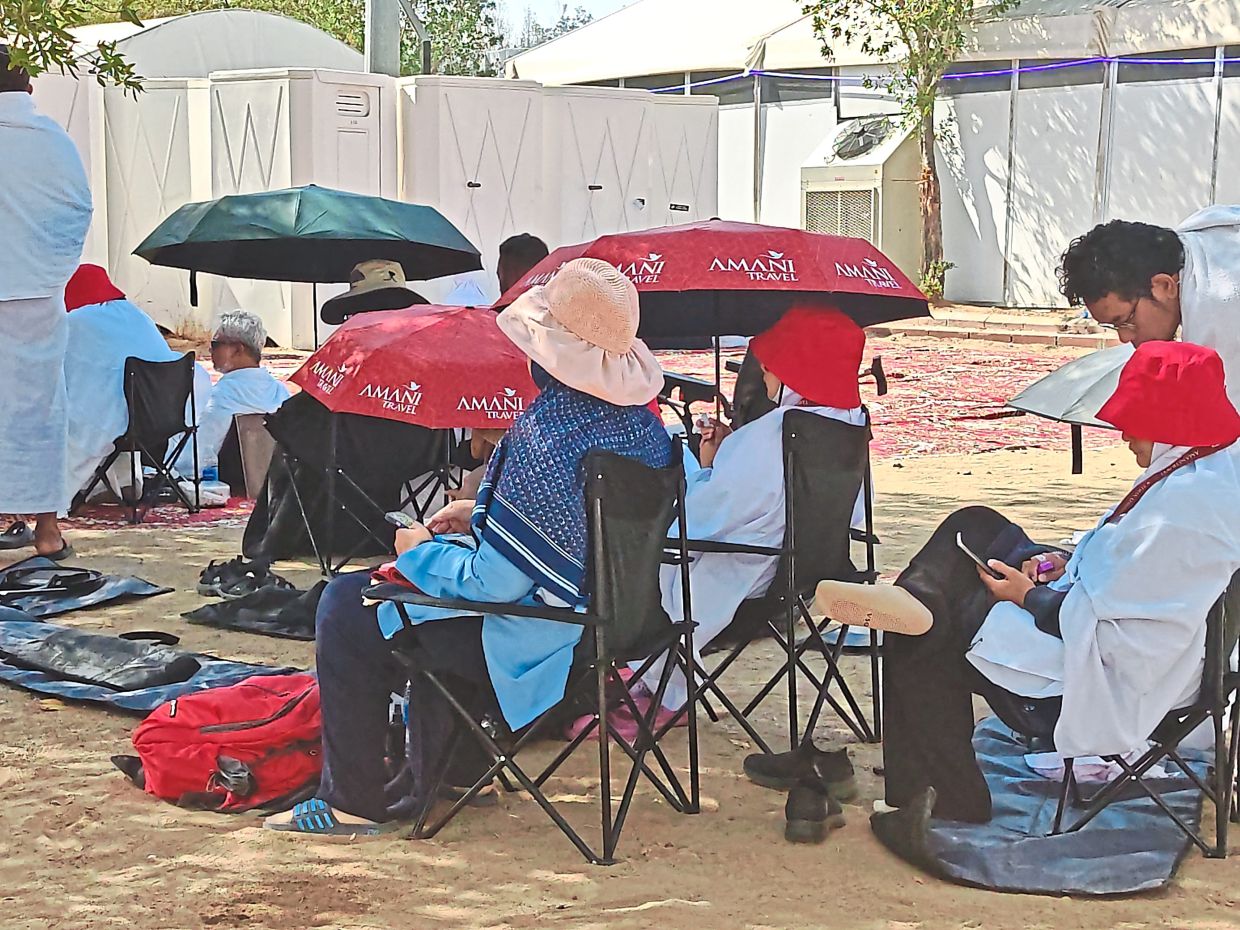
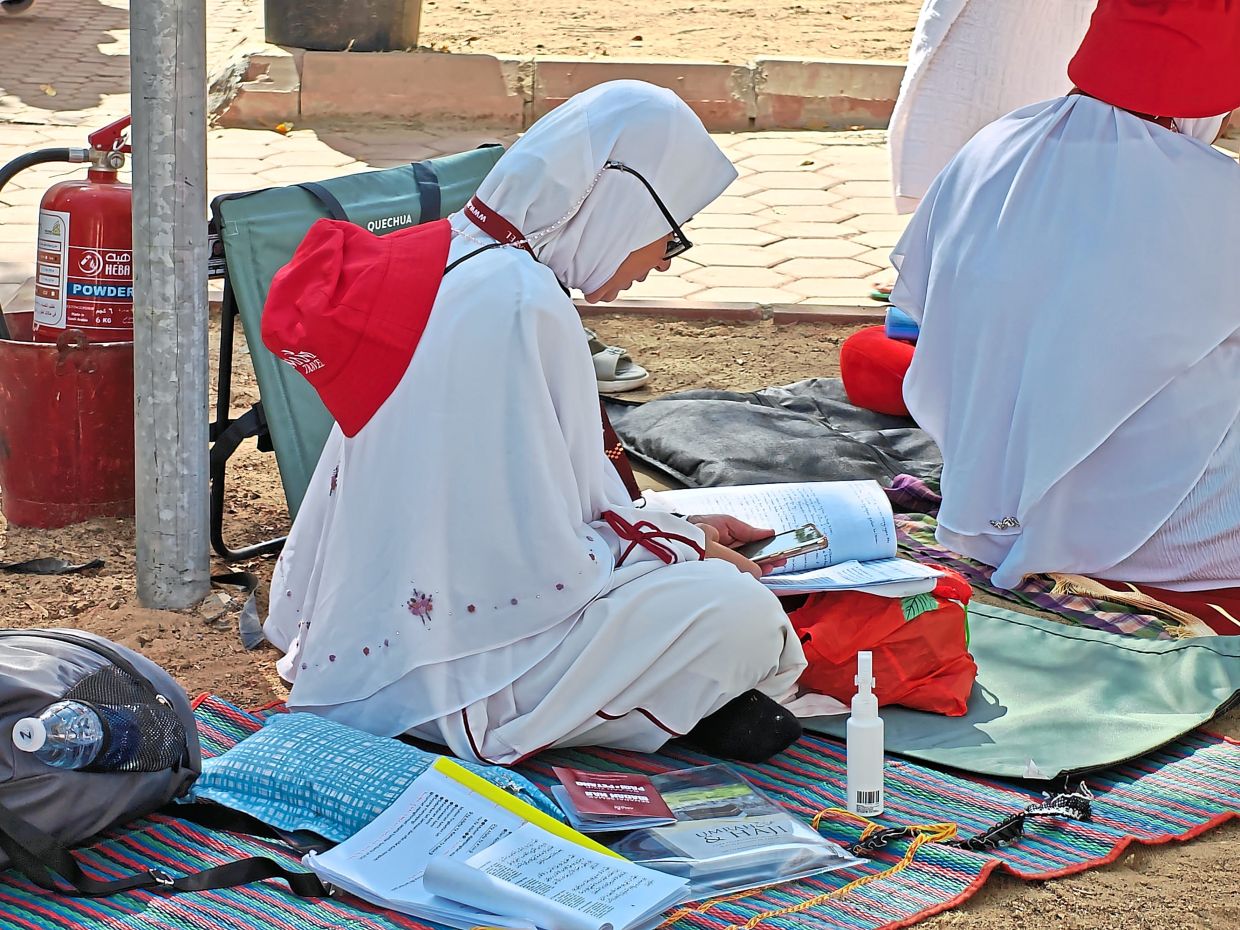


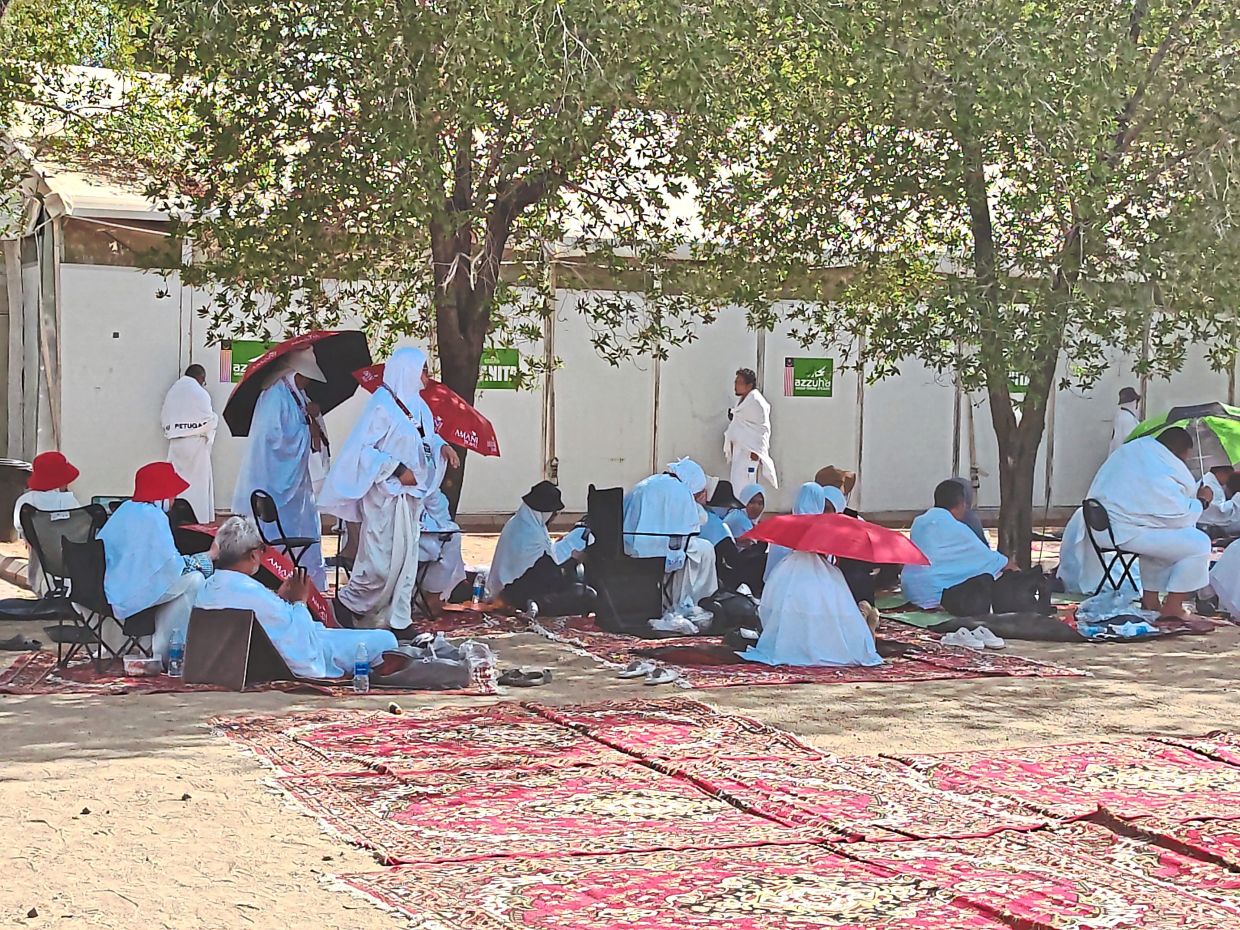
Pilgrims praying during the Day of Arafah under lockdown in their tents. — Photos: ZAKIAH KOYA/The Star
There was a lockdown at midday when temperatures were the highest on the Day of Arafah, and pilgrims spent it praying in their spaces.
Pilgrims spend hours supplicating and praying during the Day of Arafah under lockdown in their tents. — ZAKIAH KOYA/The Star
Pilgrims spend hours supplicating and praying during the Day of Arafah under lockdown in their tents. — ZAKIAH KOYA/The Star
With everyone dressed simply, there are no class distinctions among the pilgrims. — ZAKIAH KOYA/The Star
Malaysian pilgrims are among the first to arrive for the Haj season, enabling them to easily acclimatise themselves to the weather, food, and surroundings. — ZAKIAH KOYA/The Star
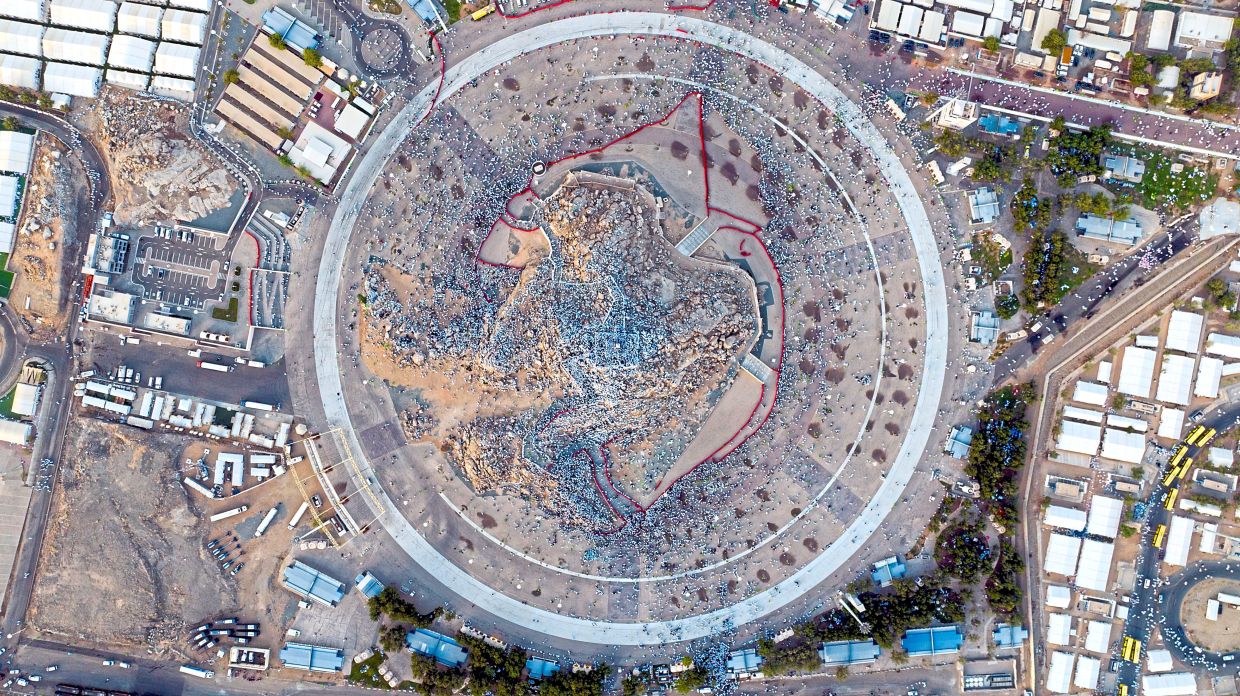
Pilgrims assembling on the Arafat Plain at dawn to observe wuquf on the Day of Arafah, the pinnacle of the Haj pilgrimage. — Bernama
Thousands of pilgrims gathering at Jabal Rahmah on the Arafat Plain to offer prayers and supplications. — Bernama
A drone image by the Saudi Press Agency (SPA) capturing thousands of pilgrims from around the world gathered at Jabal al-Rahmah during the wukuf in Arafah. The wukuf ritual on Arafah Day marks the pinnacle of the Haj pilgrimage and is considered one of the most blessed times for Muslims to offer prayers to the Almighty. — Bernama
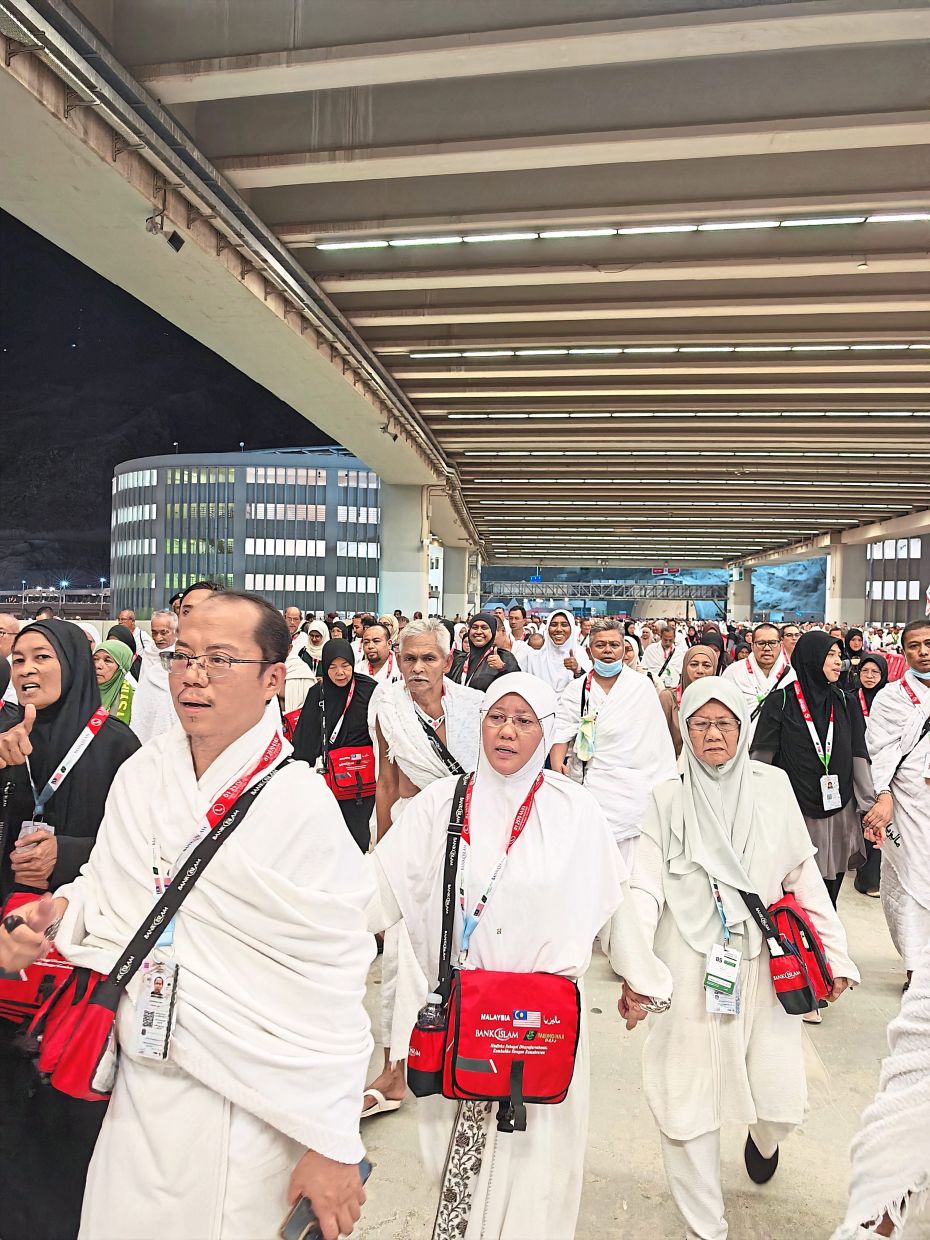
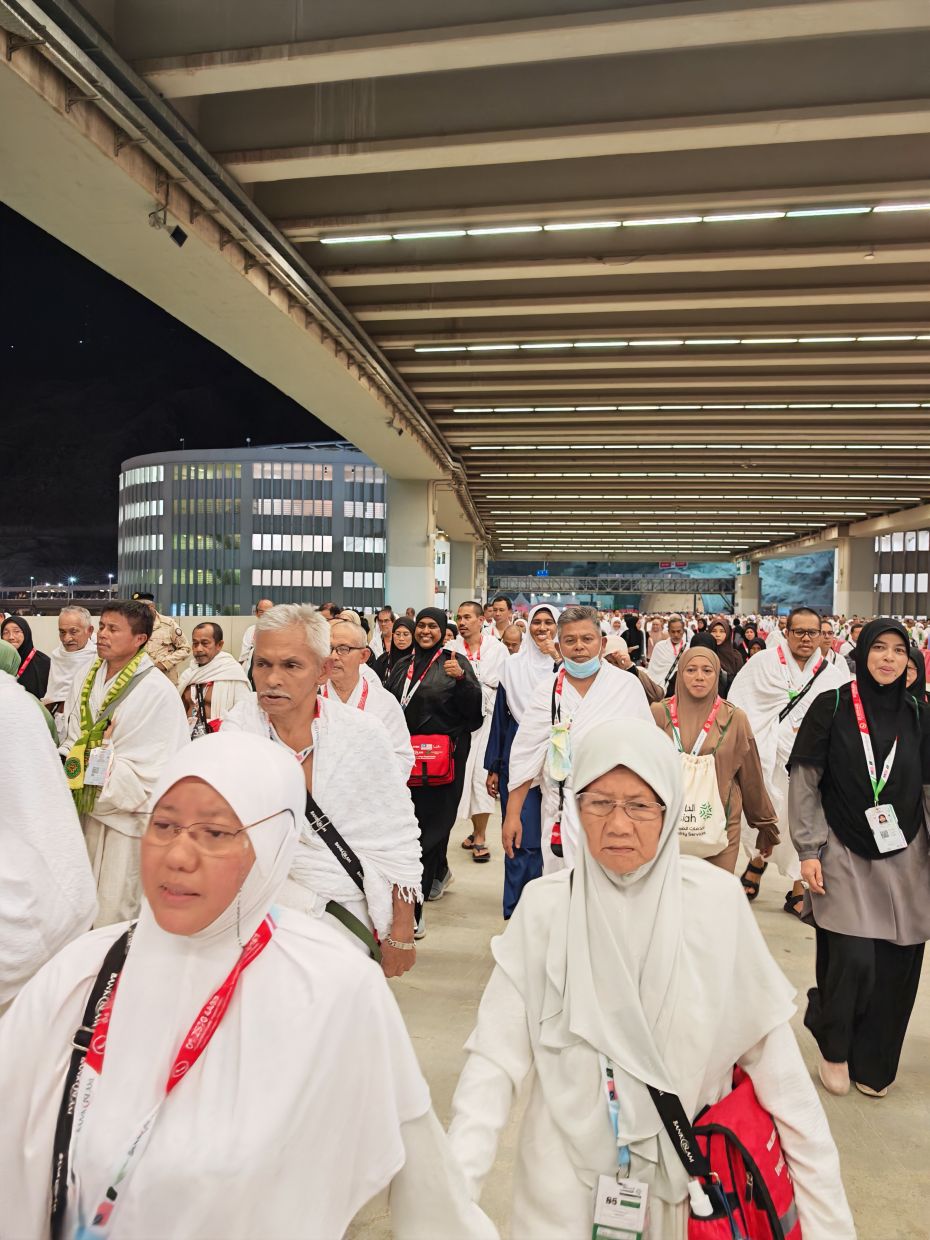
Malaysian pilgrims making their way to Mina for the stoning ritual. — ZAKIAH KOYA/The Star
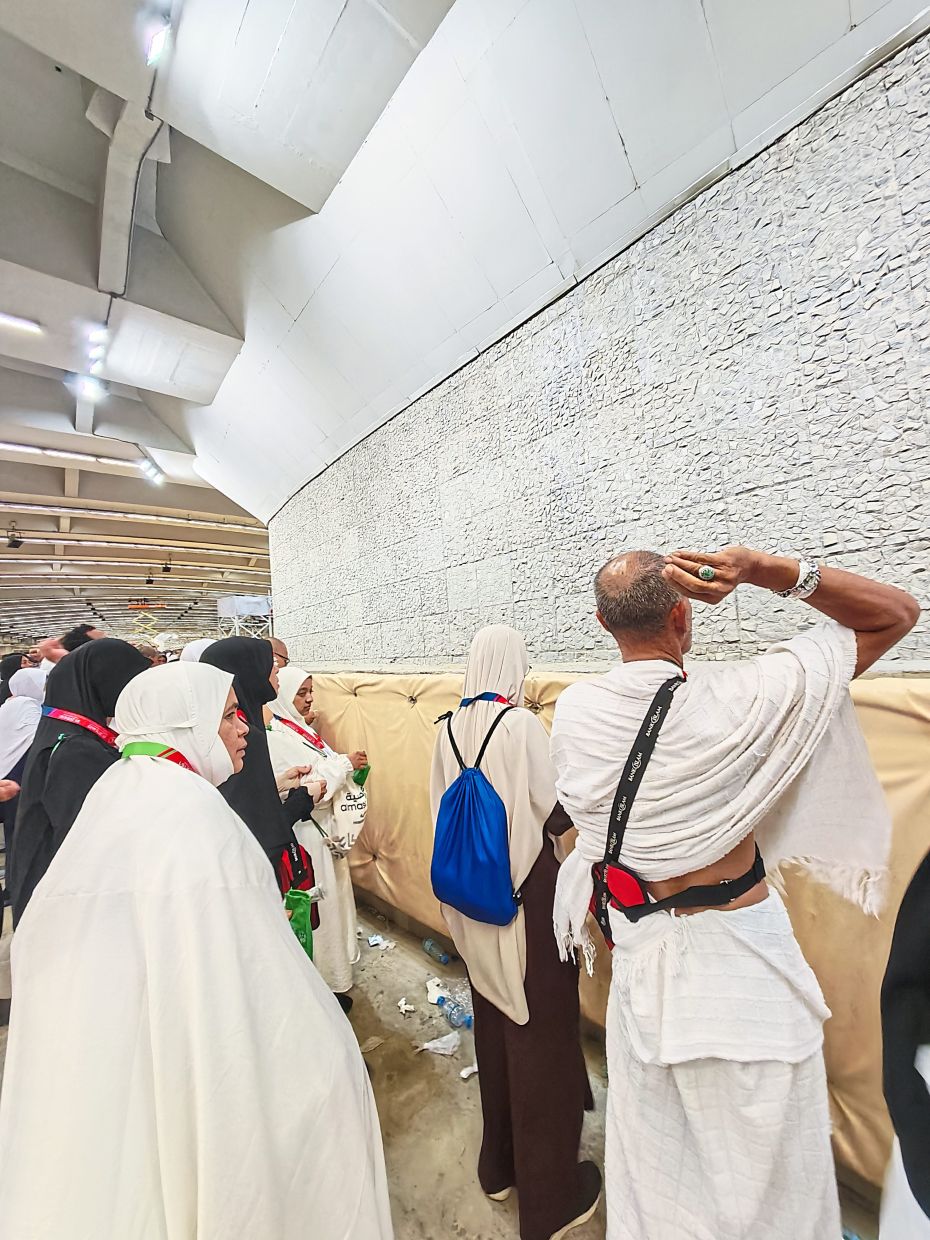
Malaysian pilgrims taking part in the ritual of stoning the devil at Mina. — ZAKIAH KOYA/The Star
Malaysian pilgrims making their way through the Mina tunnel after the key ritual of stoning. — ZAKIAH KOYA/The Star
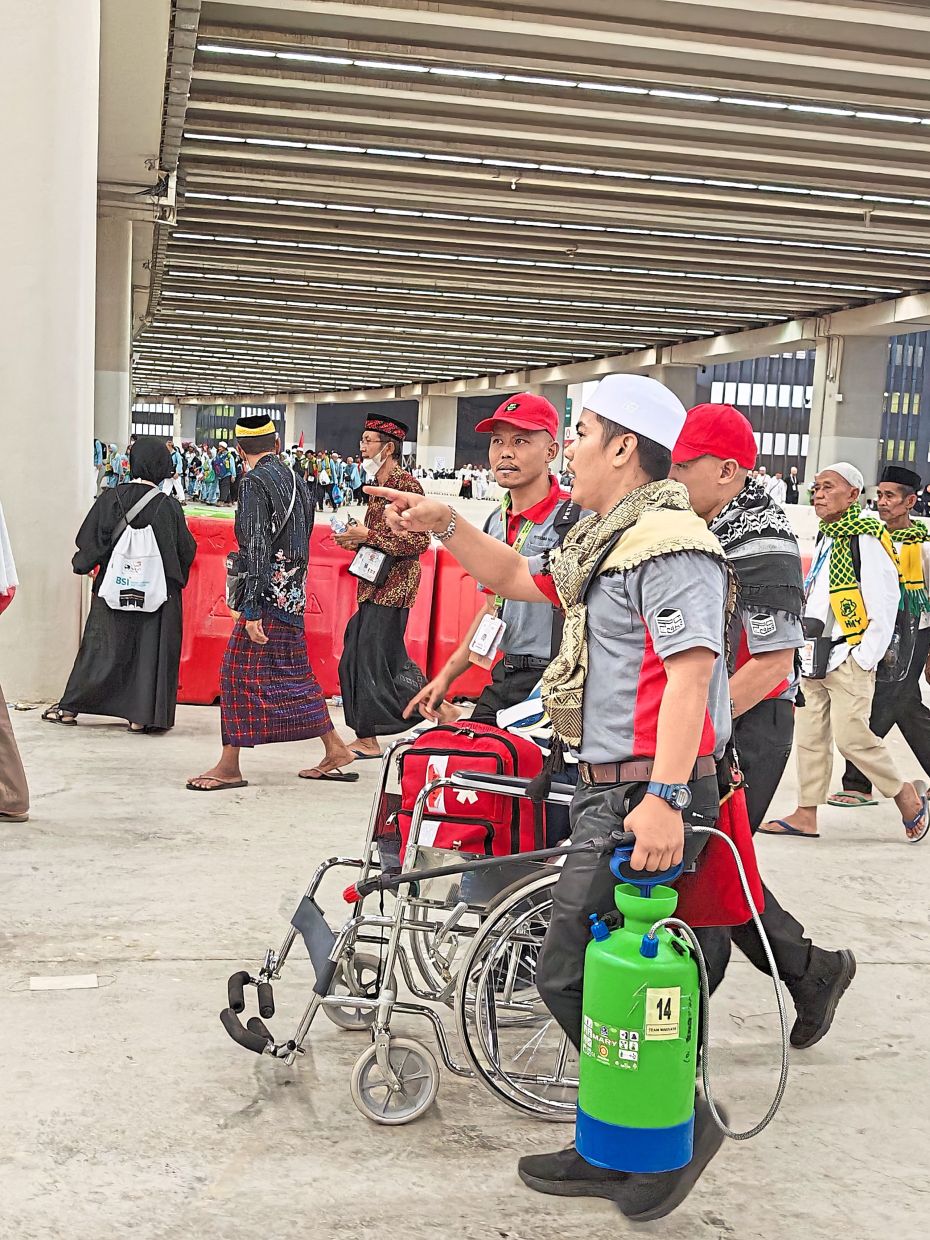
A team known as lipan bara to assist Malaysian pilgrims patrol the stoning ritual place in Mina. — ZAKIAH KOYA/The Star
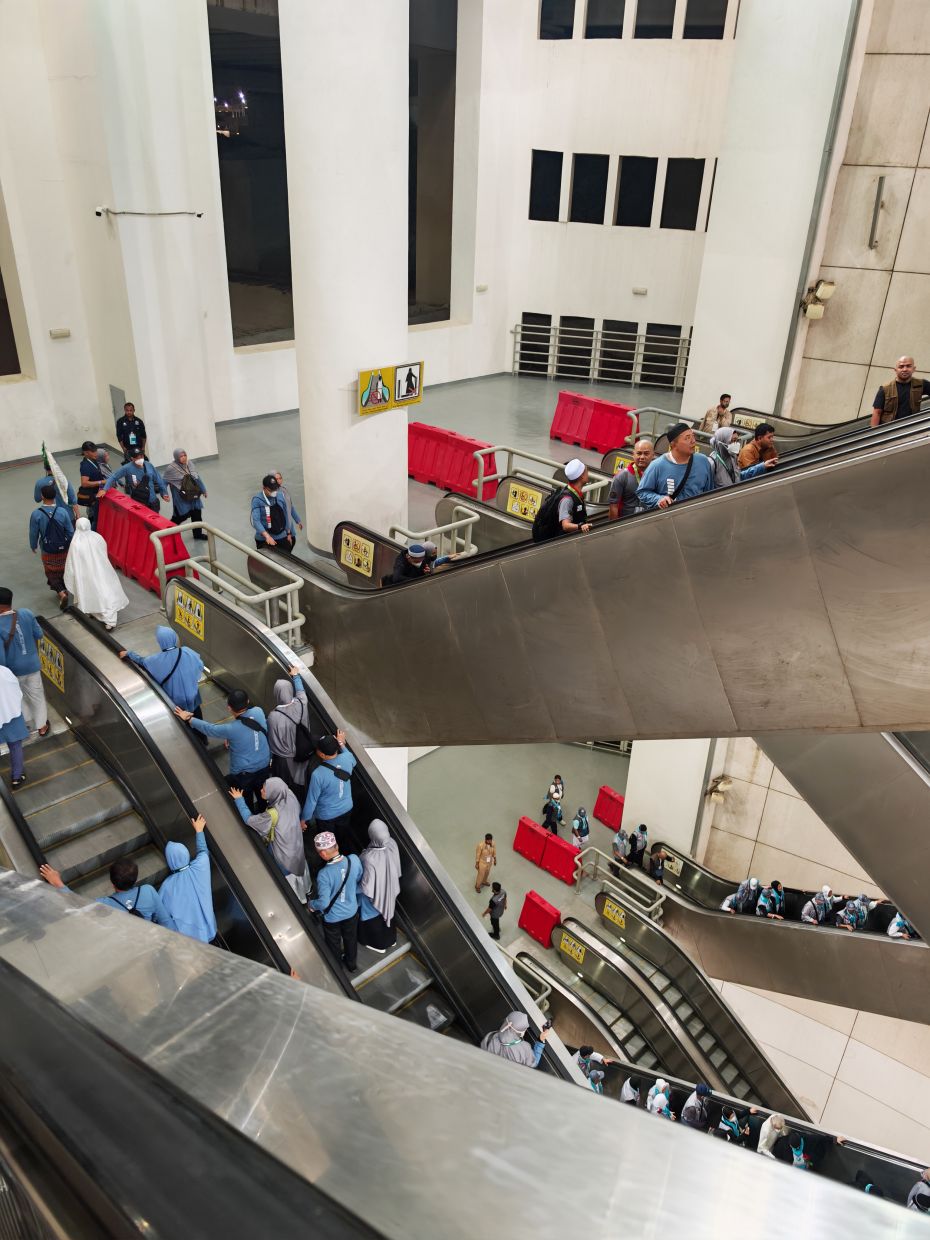
Infrastructure to make it easy for worship.
Malaysian pilgrims making their way to Mina.