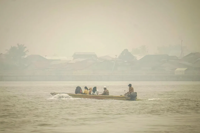
IF you are old enough you will most likely remember the 1997-1998 El Niño event.
One of the strongest El Niños on record, it brought severe droughts, haze, crop failures, and water rationing. As global temperatures rise, such intense El Niño events are likely to become more frequent.
But what is an El Niño event?
It’s a climate pattern that occurs when the surface waters of the Pacific Ocean near the equator become warmer than usual, often causing drought and heatwaves in South-East Asia.
During El Niño, prolonged dry spells deplete reservoirs, stress agriculture, contribute to haze via fires, and exacerbate heatwaves, increasing the risks of heat-related illnesses. With higher baseline temperatures today, future events may, like other weather-related phenomena, prove even more devastating.
La Niña, on the other hand, cools these waters, bringing heavy rainfall to our part of the world, raising the likelihood of floods and landslides. With climate change, such disasters are expected to increase in frequency and severity, destroying homes, infrastructure, and livelihoods – particularly in rural areas. And floods also create waterlogged conditions that spread diseases like dengue and leptospirosis.
Both are part of a natural irregular cycle, happening every two to seven years and lasting for anywhere between a few months and year. This cycle is called the El Niño Southern Oscillation (Enso).
However, impacts of Enso, including extreme weather events, are being affected by global warming. And here it’s worth reminding ourselves that earlier this month the World Meteorological Organisation announced that 2024 was the hottest year on record!
The Enso cycle is becoming more erratic, with shorter intervals projected between El Niño and La Niña events, leaving less time for recovery. Droughts during El Niño reduce crop yields and strain water resources, while La Niña disrupts planting cycles and damages harvests. Combined with the effects of climate change, these challenges threaten food security and rural livelihoods.
What is less well known is that El Niño-driven heatwaves and La Niña’s heavy rains also stretch public health systems. Heatwaves increase cases of dehydration and heat stress, while excessive rainfall leads to outbreaks of waterborne and vector-borne diseases. Drowning and landslides too have caused deaths, with young children and the elderly being the most vulnerable.
Malaysia’s biodiversity is similarly vulnerable: El Niño increases the risk of forest fires, damaging habitats and releasing carbon into the atmosphere, while La Niña causes soil erosion, deforestation, and habitat loss through flooding and landslides.The economic costs of Enso-related disasters are rising. Prolonged droughts affect water-dependent industries like agriculture and hydropower, while floods disrupt transportation and trade. Recovery costs often strain national budgets, diverting resources from long-term development goals.
Looking ahead, Malaysia faces worrying trends as impacts of climate change and Enso amplify each other. More frequent disasters could overwhelm our disaster response systems, leaving vulnerable communities more exposed. Rising displacement due to floods, droughts, and related impacts will pose long-term social and economic challenges.
So, what can we do? As climate change compounds the impacts of El Niño and La Niña, we need to adopt adaptive strategies and prioritise risk reduction. Key measures include:
> Improve climate monitoring: Building on the excellent work of the Malaysian Meteorological Department and Asean’s specialised meteorological centres, we must invest further in advanced weather prediction systems. Better forecasts will allow authorities to anticipate Enso-related disasters and respond effectively. Regional collaboration with Asean is essential for sharing climate and early warning data.
> Build resilient infrastructure: As scientific predictions become clearer, Malaysia needs to strengthen flood defences, upgrade water storage systems, and invest in drought-resistant crops. Climate-resilient infrastructure will reduce the long-term costs of disaster recovery.
> Integrate disaster management: While we’ve made significant progress in building disaster management capacity and institutions, more is needed, both to address Enso-specific risks and to ensure that we are prepared for, able to respond to, and can recover from large-scale disasters that may be wrought upon us.
Disaster management efforts must be better integrated across sectors and ministries and among federal, state, and local levels, instead of relying solely on the National Disaster Management Agency to “fix it” when disasters happen. Expanding community-based preparedness programmes and improving post-disaster recovery mechanisms are critical.
> Climate action: Mitigation is as vital as adaptation. Accelerating the reduction of greenhouse gas emissions, transitioning to renewable energy, and protecting our precious and highly vulnerable ecosystems are essential to address the root causes of climate change.
The changing El Niño and La Niña patterns are no longer just natural events but signals of humanity’s growing impact on the planet. By working now to put into place proactive strategies, Malaysia can safeguard its communities and ecosystems against the escalating risks of extreme weather events.
In doing so, the nation can serve as a model of resilience for other vulnerable parts of our region. Such actions are central to the development of the National Planetary Health Action Plan – its finalisation and implementation are becoming more urgent by the day.
Dr Jemilah Mahmood, a physician and experienced crisis leader, is the executive director of the Sunway Centre for Planetary Health at Sunway University. She is the founder of Mercy Malaysia and has served in leadership roles internationally with the United Nations and Red Cross for the last decade. She writes on Planetary Health Matters once a month in Ecowatch. The views expressed here are entirely the writer’s own.
Already a subscriber? Log in
Get 20% OFF The Star Digital Access
Cancel anytime. Ad-free. Unlimited access with perks.