WHILE technical skills build a foundation, it is curiosity, respect and real-world exposure that shape job-ready graduates, say culinary industry experts.

Success in the culinary world goes far beyond mastering recipes; it lies in passion, attitude, and a willingness to keep learning, he said.
“Attitude is just as important as skill. Success isn’t measured solely by the taste or presentation of a dish.
“Students who show promise are those who are respectful, punctual, and eager to learn.
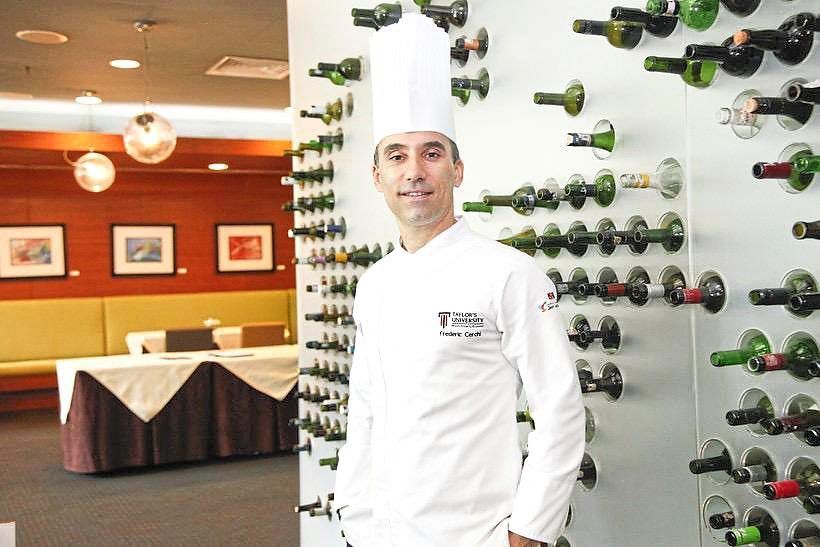
“Even if their skills aren’t perfect, a chef will love to teach someone with the right mindset,” Cerchi, who brings more than 20 years of international culinary experience, including stints in Michelin‑star environments, said.
He was speaking at a dinner event where TCI Advanced Diploma in Patisserie and Gastronomic Cuisine students Grace Ong and Herman Wong, who represented Malaysia and clinched gold in the Cooking and Bakery categories at the WorldSkills Asean 2025 competition in the Philippines, were given the opportunity to work alongside top chefs in a live restaurant setting at SOL, Level 40@The MET in Kuala Lumpur on Oct 30.
Through TCI’s partnership with Académie de Toulouse and GRETA Toulouse-Pyrénées, they were guided by Les Sales Gosses-Toulouse executive chef and owner Chef Bruno Barthe; Toulouse Culinary School and Disciple of Escoffier senior lecturer Chef Pascal Bonnafous; and renowned Wine Sommelier from Bordeaux, France, Matthias Seignette.
The dinner was hosted by The Olive Tree Group, a TCI industry partner.
“Learning institutions must expose students to the industry by keeping in close contact with professionals, exchanging best practices, and receiving feedback on their students’ performance.
“It’s about bridging the industry and academics together,” Cerchi said, while stressing the importance of classroom learning in preparing students before they enter a professional setting.
“In the classroom, they can make mistakes and learn from them without pressure. I tell my students, the more mistakes you make, the more we can learn,” he shared, adding that while classroom learning builds a technical foundation, real-world experience is important for cultivating confidence, professionalism and social skills.

“When students go out to serve guests, they learn to be polite, presentable and assured. It’s one thing to cook with friends at school, another to face others.”
Sustainability, he noted, is a crucial area for students to focus on, as sourcing ingredients locally and ethically has become increasingly important post-Covid-19.
“Simply throwing leftover vegetables into a bin isn’t enough. True sustainability comes from sourcing ingredients locally.
“This not only supports the local economy but also allows us to bring suppliers and their expertise into the classroom, so students learn about the products and the techniques behind them,” he said, adding that many Malaysian restaurants are already doing this exceptionally well, and it’s a practice he wants to pass on to students.