
READINESS for the future goes beyond academic knowledge, experts warn, highlighting the need for strong communication skills, supported by self-management and digital literacy, in psychologically safe learning environments.
This follows the release of the Cambridge International Education Navigating the future: Preparing learners to thrive in a changing world report in September, which finds that 61% of teachers see students’ fear of judgement as a barrier to developing better communication skills, with 25% citing it as the single greatest challenge.
Universiti Utara Malaysia School of Education senior lecturer Dr Muhammad Noor Abdul Aziz said peer-to-peer learning can play an important supporting role in developing social and communication skills among students who may be hesitant to speak up in traditional classroom settings.
“Peer-to-peer learning is the social gym of education, where it builds confidence, empathy and perspective-taking.
“A few innovative ways to harness it include peer coaching pods, where groups of three to four students rotate roles such as leader, note-taker, questioner and summariser to practise constructive dialogue.

“Mentorship chains can also be effective, with older students guiding younger ones through learning challenges, reinforcing responsibility and social cohesion,” he said.
The report draws on responses from nearly 7,000 teachers and students (aged 14 to 19) across 150 countries, along with insights from experts in education, social science, psychology, technology, government and policy.
It offers a window into how students experience education today, and the skills and attributes they believe are essential for a future shaped by rapid technological change, climate pressures and shifting global dynamics.
It also examines how students and teachers perceive students’ readiness for the future, the skills they value, and the challenges they face in developing them.
To develop genuine communication skills, Parent Action Group for Education Malaysia (PAGE) chairman Datin Noor Azimah Abdul Rahim said students need spaces where ideas are welcomed, mistakes are treated as learning opportunities, and teachers show curiosity rather than criticism.
“When students feel psychologically safe, they speak up, and that is when true learning happens,” she said, adding that while classroom environments are improving, many students still fear being wrong or judged.
Noor Azimah noted that Malaysia focuses far more on grades and rote learning than on skills like resilience, communication, or emotional awareness.
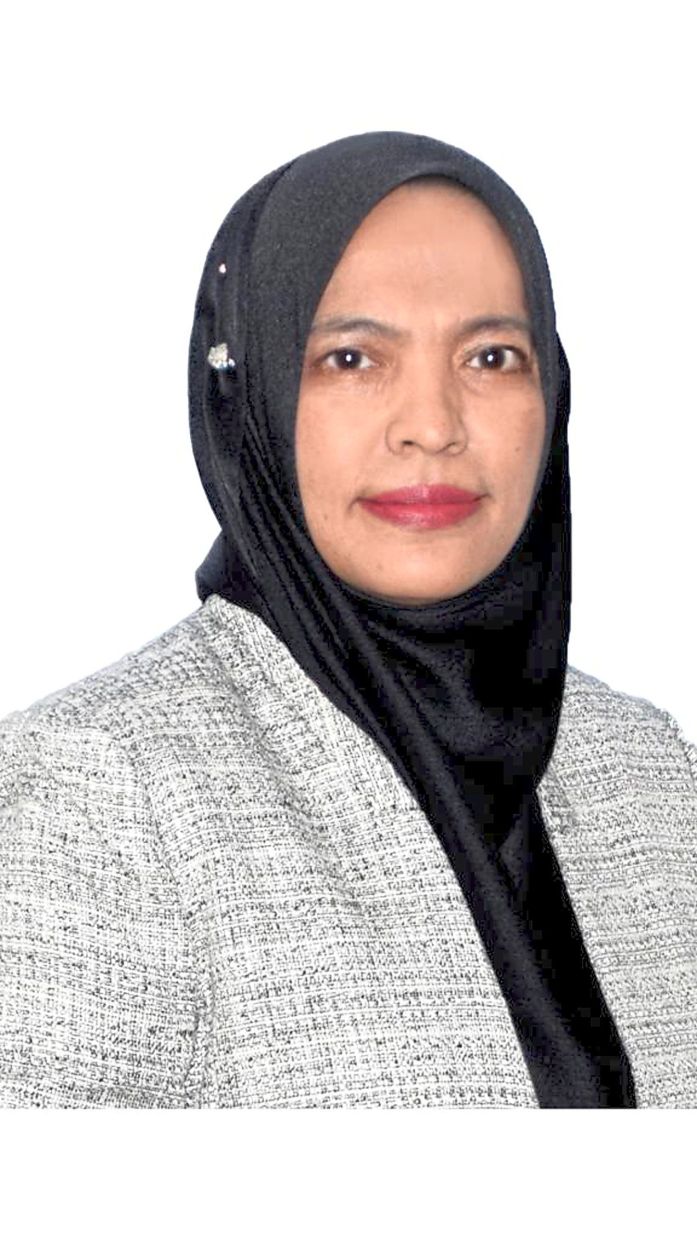
“But these are the skills that help children succeed in life.
“When parents and schools start praising effort, responsibility, teamwork, and how a child handles challenges – not just marks – we gradually reshape what ‘achievement’ really means,” she said.
Weighing in, Universiti Malaya Faculty of Education senior lecturer and teacher-trainer Assoc Prof Dr Zuwati Hasim said respect and trust are key to creating psychologically safe environments where students feel comfortable expressing themselves.
“Establish learning rules with students, and these rules can be negotiated with them.
“This negotiation process helps both parties understand the needs within the classroom or learning context.
“In fact, classroom interaction is crucial. It allows students to participate and contribute ideas towards achieving their learning goals, rather than relying on a teacher-centred approach,” she said, adding that such a collaborative environment encourages students to express themselves freely and feel more accepted and safe.
Shaping tech habits
According to the Cambridge report, 88% of teachers believe their students’ attention spans are getting shorter, and 72% feel students struggle to sustain focus on complex topics as a consequence.
Muhammad Noor said this is a natural outcome of how digital habits have reshaped how young people consume information.
“Students are used to fast, fragmented content. When learning requires deep focus, reflection or grappling with complexity, many struggle.
“This is why schools can design learning ecosystems that blend structure and autonomy. For instance, integrate ‘meta moments’ after each lesson where learners pause, reflect and self-evaluate their focus, motivation and mindset,” he said.
This, he stressed, must be a daily teaching and learning habit.
“Teachers can model vulnerability by sharing their own learning routines or moments of distraction, normalising self-management as a lifelong skill rather than a fixed trait,” he said.
Another key finding shows that when students were asked about concerns regarding technology’s impact on their future, their top worries were getting distracted easily (66%), spending too much time on screens (59%), and becoming overly reliant on technology (58%).
Muhammad Noor said technology should act as a thinking partner, not a passive content machine.
He suggested innovative approaches, including using platforms that encourage active co-creation rather than passive consumption.
“Artificial intelligence (AI)-assisted research tools can be used to enhance, rather than replace, critical thinking.
“Schools could introduce AI literacy labs, where students learn to question, verify and critique AI-generated outputs,” he said.
Meanwhile, Noor Azimah emphasised that children today aren’t struggling due to laziness, but because they are overloaded.
“In a tech-saturated world, they need adults to guide them in building healthy routines to avoid distraction.
“Schools can teach planning and task-breaking; parents can model balanced screen use at home.
“When we treat self-management as a skill to be taught – not a flaw to be scolded – kids become far more motivated and independent,” she said.
Stressing that technology use must be guided, Zuwati said strong digital literacy is essential to ensure students use it appropriately and with a clear purpose.
This is why careful lesson planning is crucial to prevent students from drifting off-task or becoming overly dependent on digital tools, she noted.
“We must remind students that technology is just a tool; humans do the thinking.
“Setting time limits for tech-based tasks can help. Structuring lessons with varied approaches also reduces distraction,” she said, adding that exposure to media and information literacy (MIL) skills can build students’ awareness of ethical and responsible technology use.
She suggested that teacher training institutions incorporate MIL skills into pre-service programmes so future educators understand the ethical use of digital tools and can pass that knowledge on to their learners.
“Communication skills beyond classroom language should also be emphasised to build relational safety and strengthen communication competence. This helps teachers deliver lessons professionally and engage effectively with parents.
“Pre-service teachers must also develop self-management and intercultural competence to create supportive, safe learning environments,” she said, adding that upskilling teachers is equally important, which is why ample allocations should be provided for ongoing professional development.
Aligning perspectives
The report also finds that while only 48% of students feel prepared for their next step in education and 45% for life beyond it, teachers are more confident: 67% say students are ready for the next stage in education, and 59% for life after school.
Regular skill signposting and co-reflection, the report emphasises, can bridge this perception gap.
Agreeing, Muhammad Noor said this gap can be narrowed by making learning visible and co-owned.
He suggested introducing student-led learning conferences, where students present evidence of their skills development to teachers and parents, reversing the traditional feedback flow.
“Reflection journals or short exercises, such as prompts asking ‘I used to think... now I think...,’ can help students recognise how their experiences translate into real-world readiness.
“Encourage teacher-student dialogue circles about what ‘being future-ready’ really means, as it helps both sides co-construct a shared language of success,” he said.
Adding to the discourse, Zuwati said consistent sharing of teaching and learning information with parents helps build engagement and deepen their understanding of their children’s progress.
“When reporting students’ performance, highlight both strengths and areas for improvement.
“Shared responsibility is crucial – teachers guide learning in school, while parents must follow up and ensure that learning continues at home,” she said.
Noting that confidence grows when children are trusted to try, Noor Azimah said empathy grows when adults help them understand their own feelings and those of others.
“Both parents and teachers play a huge role by listening more, judging less, modelling respect, and guiding conflict resolution,” she said.
These everyday interactions shape who children become, she concluded.
‘Lessons we need for life’
If I had the chance to add a subject to the Malaysian curriculum, it would be Emotional Regulation. As the world grows faster and louder, filled with chaos and unpredictability, the ability to manage one’s emotions has never been more crucial. It is alarming to see the rise in violent cases reported in our nation, from domestic abuse to school bullying, some of which have led to tragedy or even murder. The ability to stay calm, think clearly, and respond with empathy in moments of stress or conflict could have saved many life-and-death situations.
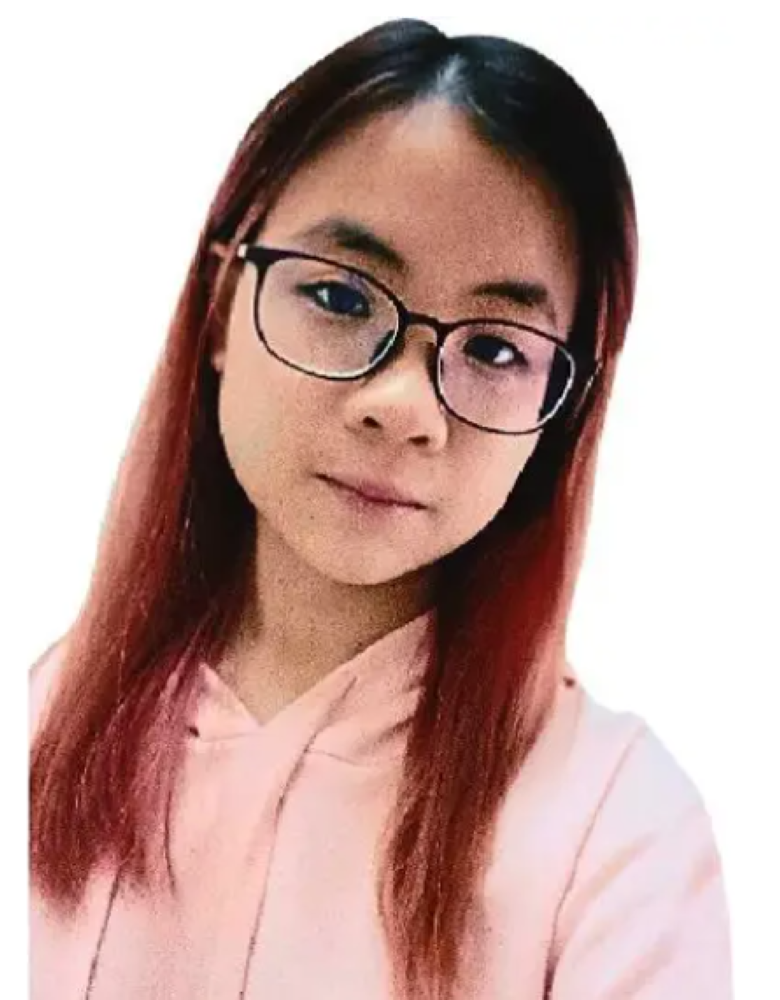
Charis Chiang En-Hui, 22
If I could add a new subject, it would be called The Human Algorithm. It would focus on understanding people as deeply as we try to understand technology. We are growing up in a time where everyone is more connected than ever, yet many of us feel more misunderstood and isolated than before. We know how to code and automate, but not always how to communicate or listen without judgement. This subject would teach us to recognise the patterns behind emotions, decisions and relationships. It would explore how messages can be easily misinterpreted through screens, how empathy weakens when conversations are replaced by comments, and how silence can mean more than words. Part of it would also cover basic psychology – not complex theories, but the simple understanding of why people think, react and feel the way they do. Students would learn how to express themselves with both honesty and gentleness, how to resolve conflicts without humiliation, and how to stay kind in a world that rewards speed over sensitivity.

Isabel Lim, 14
If school subjects were redesigned, I would add Personal Development as a new subject. Personal development is the process of intentionally improving your mindset, skills, habits, emotional intelligence, and overall ability to navigate life. It goes beyond academics; it’s about redesigning yourself, and becoming a capable, self-aware, resilient human. Personal development teaches students to understand their strengths, weaknesses and personal values. It pushes them to set long-term goals, build valuable habits and manage their time effectively. This builds discipline, confidence and a growth mindset. In doing so, they are able to master their minds and hence, their future.
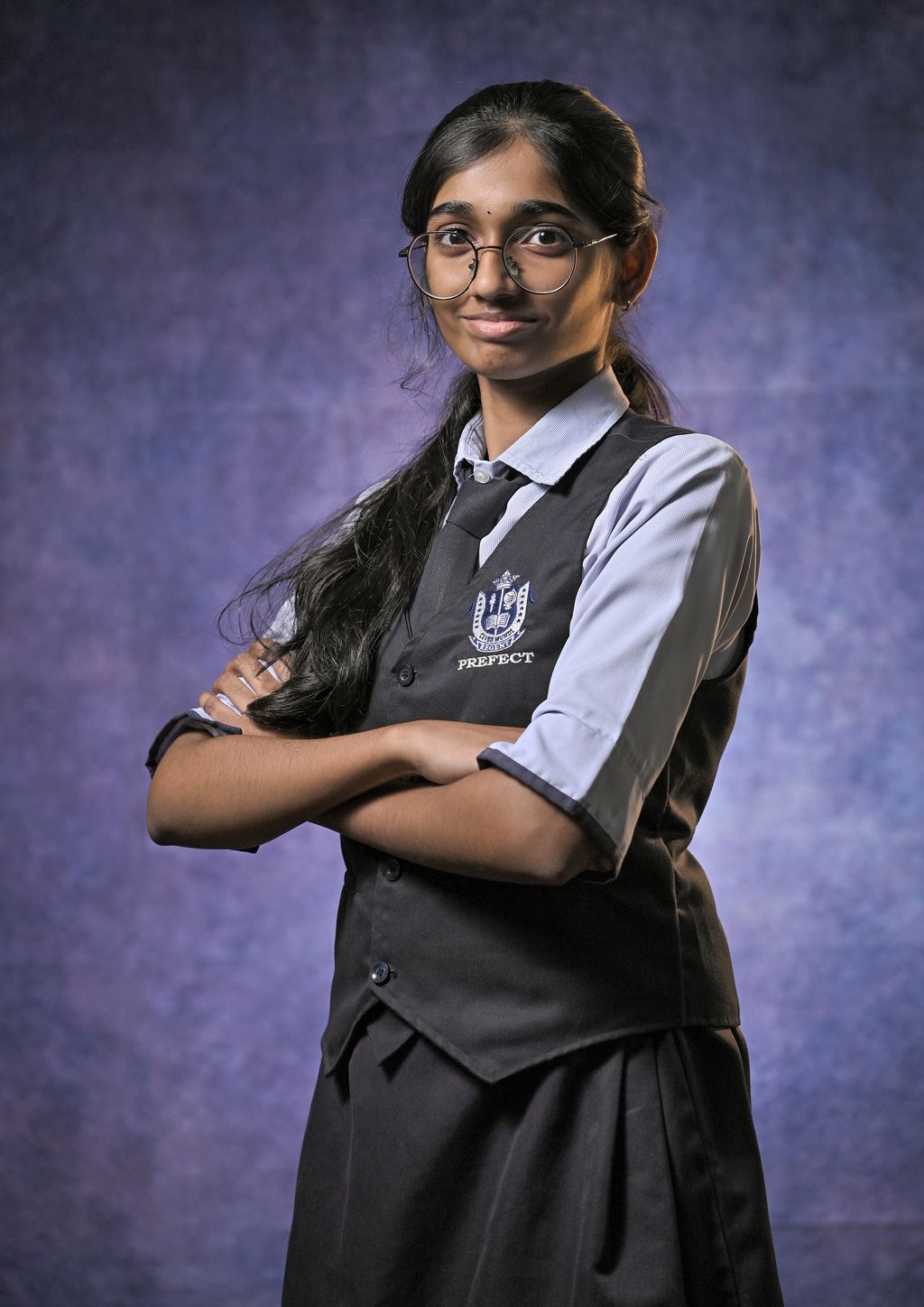
Navena Srie, 17