With schools still focused on exam scores, rigid career pathways, and “safe” jobs, students are missing the chance to develop creativity, resilience, and entrepreneurial thinking, stakeholders warn.
Commenting on the findings of the Schola study (see sidebar and infographic) Parent Action Group for Education (PAGE) chairman Datin Noor Azimah Abdul Rahim and Taylor’s University career services head Raja Edriana Baizura are stressing on the importance of teaching entrepreneurship to expose youth to career options beyond traditional jobs.
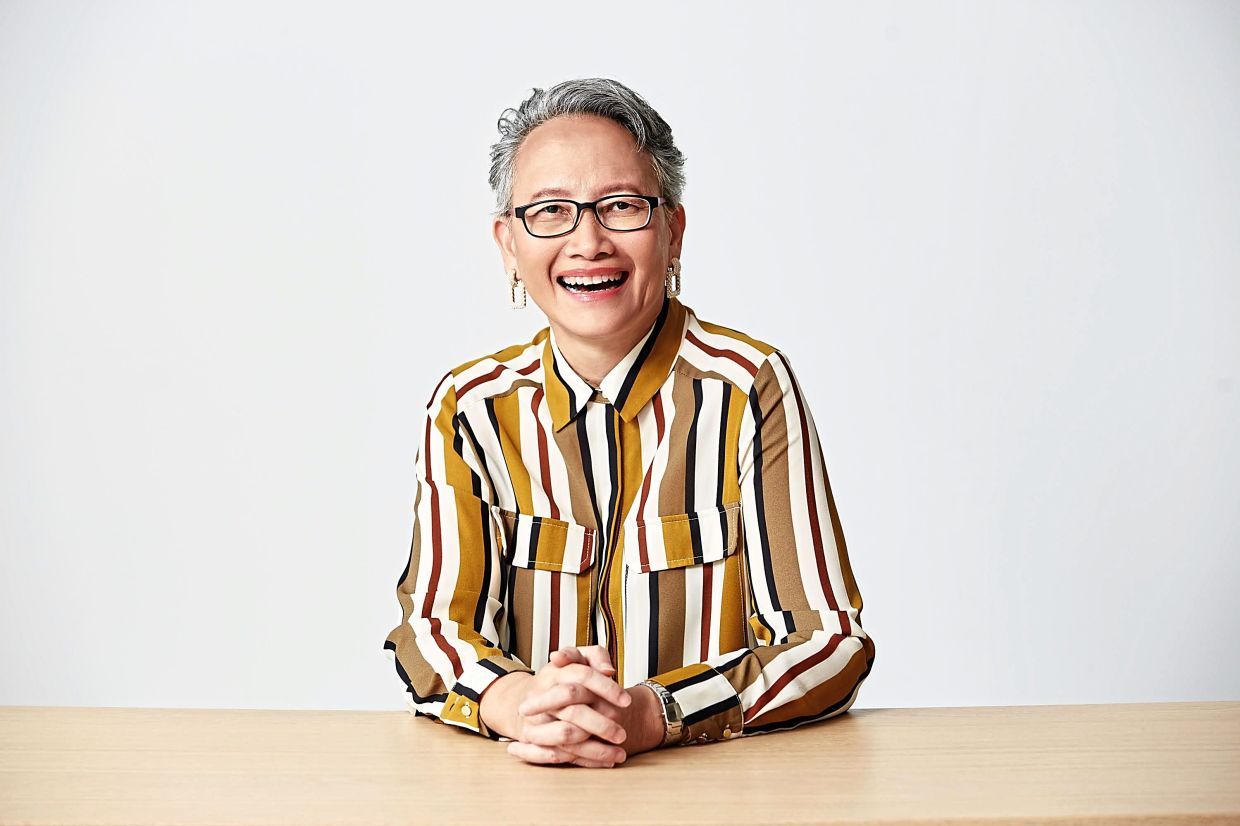
Azimah believes Malaysia’s education system still struggles to create an environment that tolerates failure — one that encourages students to experiment, make mistakes, and learn from them. As a result, students are limiting their career aspirations to what they know and think is “safe”.
“Our system still prioritises rote learning, leaving creativity, design thinking, and problem-solving underdeveloped.
“Meanwhile, soft skills such as leadership, resilience, financial literacy, and adaptability are under-emphasised,” she said, suggesting that entrepreneurship be weaved into the school curriculum as a skill-building pathway, to encourage students to expand their horizon.
Early exposure to entrepreneurship, added Azimah, can help parents reframe their idea of what constitutes a “safe” career.
“Incremental exposure is key. Students can start side hustles or small projects while studying —showing parents that entrepreneurship doesn’t mean abandoning stability entirely,” she suggested.
An interdisciplinary approach, she proposed, could further enhance learning if entrepreneurship is embedded across subjects.

“For instance, science students can commercialise a simple prototype while arts students could monetise creative works,” she said.
Entrepreneurship, said Raja Edriana, is often overlooked, as students and parents still lean toward the perceived stability of traditional employment.
“As a result, entrepreneurship is sometimes seen as unstable or uncertain, despite the many opportunities it offers for growth and innovation,” she said.
Rather than as a rigid subject that students are tested on, entrepreneurship could be introduced as electives or modules to cover different tracks, including tech start-ups, social enterprises, and the creative economy.
“Students would benefit from project-based learning to truly grasp the concept of entrepreneurship.
“They could form mini enterprises or cooperatives, sell products and services while managing budgets to cultivate an entrepreneurial mindset,” Azimah offered.
She recommends exposing children as early as Year Four, to entrepreneurship through games, storytelling, and project-based learning.
“At lower secondary level, students can undergo aptitude testing and explore broad career clusters. By the time they get into Form Four, they can be exposed to job-shadowing, structured career counselling, or internships.
“By post-SPM, every student should have experienced at least one real-world workplace,” she said.
Career conversations
But preparing students for the future goes beyond entrepreneurship — the process must also encourage them to think about careers at a much earlier age.
Creador Foundation vice president Mahalatchmi Subramaniam, who spearheaded Schola — Malaysia’s free online career planning platform, said many students only begin thinking seriously about their careers after enrolling in a degree programme.
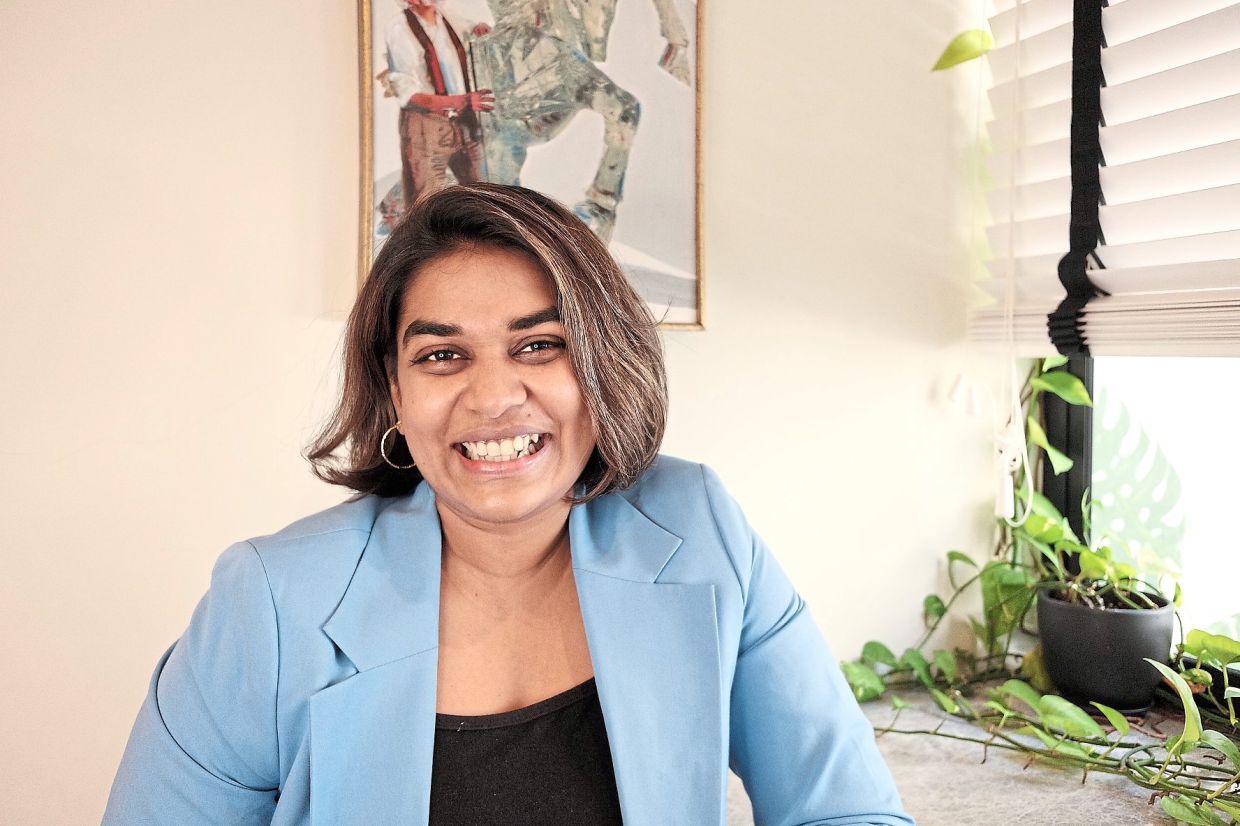
Mahalatchmi said this insight came from an in-depth interview with 50 students, mapping their journeys from age 15 through to university, college, and early career.
“The first issue is that students aged 15 to 17 often don’t even realise this is the stage when they should be thinking about careers. That awareness simply isn’t there yet,” she told StarEdu.
Even when students do begin considering their future careers, she observed that they tend to gravitate toward conventional careers such as doctors, teachers, and pharmacists — a trend reflected in Schola’s data on students’ most-searched careers.
“I’ve spoken to people from different age groups — 20, even 30 years ago— and the list of popular careers hasn’t changed over the years,” she added.
While these are admirable professions, Mahalatchmi emphasised that such preferences mean students are overlooking many of Malaysia’s emerging and fast-growing sectors.
Limited horizons
This lack of awareness, she noted, is not just a matter of timing but also of exposure.
Findings from Schola’s interviews show that students’ career aspirations are often shaped by what they see in their immediate environment or by recommendations from teachers, friends, and family.
“We’ve come to realise that career choices are deeply personal and often start at home.
“For the average student, the people they encounter most are their parents, their teachers, and maybe a lawyer or doctor they see on screen.
“Those then become the only careers they can imagine for themselves,” Mahalatchmi said.
Students like Marcus Khoo Chun Sheng and Nur Izzati Amni Mohd Alias agreed, adding that the lack of resources and exposure in school limits their understanding of career options.
“The school syllabus has always followed the traditional paths such as doctors and engineers,” Khoo, 16, said, adding that he often learns more about unconventional careers on the Internet.
Similarly, Izzati, now 18, recalled that during her secondary school years, career guidance was rarely discussed in detail.
“Most of the time, the main focus was on preparing students for SPM academically, while career awareness was often overlooked,” she said.
This limited exposure creates a narrow view of what is possible, unintentionally confining students to conventional career choices rather than opening their eyes to the full spectrum of opportunities available today.
“It sounds overly simple, but it really comes down to this: you cannot be what you don’t know.
“Exposing students to the full range of careers that actually exists in their world is the first step to addressing this,” Mahalatchmi opined.
She also raised concerns about the growing trend of students choosing quick-income options over long-term career growth.
“More students are choosing short-term earning opportunities, not necessarily out of financial need, but simply because they think, ‘I can earn now, so why wait?’,” she said.
The real problem, she added, is that many students lack an understanding of career trajectory and future planning.
“Whenever we probe further and ask, ‘Where do you see yourself in five or ten years?’, most students can’t answer.
“Another thing is they often can’t distinguish what ‘high income’ actually means. For many, RM3,000 and RM5,000 feel the same,” she explained.
Shared responsibility
While students’ limited awareness and exposure often restrict their choices, Mahalatchmi stressed that shaping future pathways cannot fall on students alone — it requires active involvement from the adults around them.
“The responsibility doesn’t just fall on the education system, but also on the wider circle of influence, including parents and teachers, who are well positioned to ensure students start thinking about their career paths early on,” she said, while acknowledging that parents’ concerns —such as salary, stability, and security — are valid and should not be dismissed.
Instead, Mahalatchmi encourages a balanced approach — reassuring parents that their expectations matter while also showing them that today’s job market offers far more pathways than ever before.
“Parents naturally have their own criteria for what success looks like, and that perspective is valid. There are, however, hundreds of jobs today that can meet both practical expectations and personal interests,” she explained.
She encouraged parents to break away from what’s “safe”, even if exploring different career options feels overwhelming.
“There are tools like Schola and professionals eager to share their experiences — to help bridge that gap. A conversation, or even a little bit of research, can open new doors before you decide to rule something out,” she advised.
Broadening perspectives
Building on the call for parents to play a supportive role, Raja Edriana stressed that professional guidance is equally vital in shaping how students see their future.
“Open conversations with career counsellors can help challenge long-held notions and broaden perspectives, often leading students to re-evaluate and realign their career goals,” she added.
Azimah also stressed the importance of equipping teachers and counsellors with updated knowledge of emerging sectors such as artificial intelligence (AI), renewable energy, and the creative economy.
“When educators are informed about future-ready careers, they can better guide students toward opportunities that align with tomorrow’s job market,” she added.
To help students make informed decisions, Azimah recommended greater transparency around lifetime earnings.
“Show students the difference between immediate income and the earning potential of a long-term career. This perspective can help them plan strategically rather than just focusing on short-term gains,” she offered.
Bringing careers to life
While guidance and information lay the foundation, both Azimah and Raja Edriana agreed that nothing compares to the impact of real-world exposure in shaping aspirations and entrepreneurial thinking.
Azimah emphasised the need for stronger, long-term partnerships between schools, industry players, and non-governmental organisations (NGOs).
“Invite small and medium-sized enterprises (SMEs), start-ups, and corporate innovation hubs to run workshops and ongoing mentorship. They can also rotate entrepreneurs into schools to share practical journeys,” Azimah suggested.
Such efforts, she said, could reframe entrepreneurship as a respected career choice.
“It’s about positioning hybrid careers in a way where entrepreneurship isn’t seen as replacing stability, but enhancing it so graduates can work, build savings, and then transition into ventures with a financial cushion,” said Azimah.
Raja Edriana said seeing entrepreneurs share their experiences can be transformational.
“When students see individuals who have successfully built fulfilling careers in unconventional fields, it gives them the confidence to imagine similar possibilities for themselves,” she said, adding that these real-world encounters help students connect classroom learning with future possibilities, turning abstract career advice into something tangible.
“Internships, industry visits and career events allow students to see beyond assumptions and gain a more practical understanding of what the work truly involves,” Raja Edriana pointed out.
This sentiment resonated with 18-year-old student Maya Devi (sic), who credited her school’s initiatives for widening her perspective.
“My school organised a career fair for Form Five students, inviting universities from across Malaysia to showcase their programmes and to conduct annual psychometric tests to help us identify suitable career paths and offer guidance based on the results.
“This really opened my eyes to more career options,” she shared.
Investing in tomorrow’s talent
Azimah and Raja Edriana emphasised the need for career exploration to start at a much earlier age.
The process, they said, should not be put off to when students are preparing for university.
“Fostering a mindset of design thinking from a young age is equally important. Students should be encouraged to identify problems around them and experiment with creative solutions,” Raja Edriana said.
Beyond the curriculum, Azimah suggested that the government offer youth-focused grants, micro-financing schemes, or tax incentives for student-run businesses to create a supportive ecosystem.
“Provide financial support that incentivises students to pursue long-term career pathways instead of settling for quick-income options.
“Offer micro-scholarships or stipends for students pursuing longer-term pathways such as engineering, healthcare, science, technology, engineering, and mathematics (STEM).
“It would be great if we could highlight and support ‘earn and learn’ models including apprenticeships, part-time work and study too,” she concluded.
Choosing purpose, not just a paycheck

“It is not always just about a good salary or a ‘safe’ job — passion and strengths play a crucial role in career choices as well. A career isn’t just about surviving in the real world but more on living life to the fullest. Adults should trust and give students the opportunity to express their interest as well as show their commitment to their dream careers.”
Marcus Khoo, 16

“Passion is just as important as financial security. To prioritise one means ignoring the other, which is not right. Passion is needed to get you through life and the career you choose will influence how you live. Financial security is important as you can’t live without money. It is about balancing these two elements.”
Maya Devi, 18

“Working towards a long-term career pathway is more important for me. Getting RM3,000 immediately sounds good, but the money will not last long. It will only be enough for my basic needs, and after that, I will still struggle. On the other hand, if I take longer to finish my studies or start my career with a lower pay, I know that my effort and experience will help me grow. In the end, the pathway to earn RM10,000 will give me better financial security, freedom, and a chance to achieve my goals.”
Nur Izzati Amni, 18