Wearing a rugged protective glove, young craftsman Lim Jun Hao skilfully carves the edges of a wooden block.
He moves with deliberate grace, using a chisel to carefully shape a cubic block into a charming little horse.
Once the carving is complete, he paints a dark mane and adds two large white eyes, each accented with a tiny black dot.
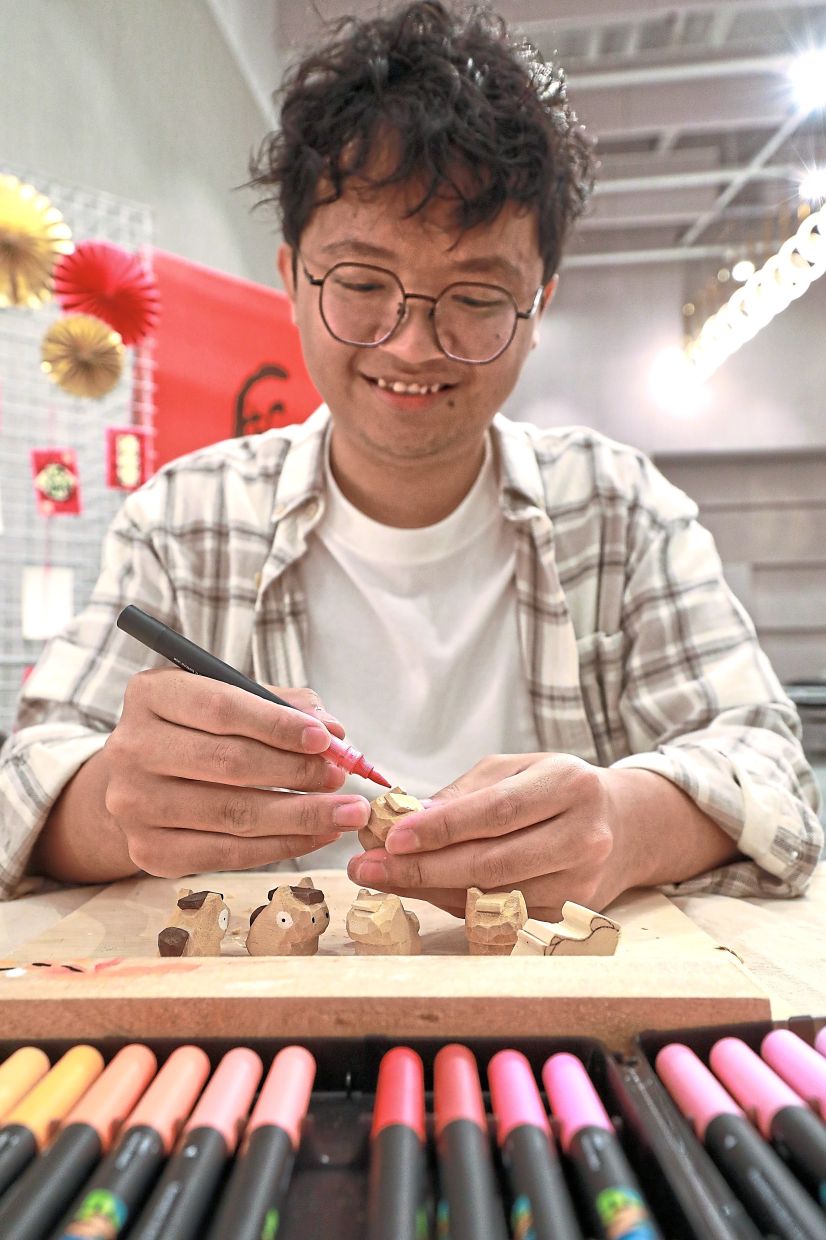
The result is an irresistible figure that captivates passers-by.
“I made my sculpture look a bit silly because I find such styles adorable,” he said.
“This is my new creation to welcome the Year of the Horse.”
His unique horses were among other cute creations featured at Year of the Horse “Horse-Seh-Liao” 2026 bazaar at GMBB mall in Kuala Lumpur.
The event drew craft entrepreneurs and hobbyists selling artisanal Chinese New Year-themed arts and crafts, as well as past “Kampung Good” competition winners with their food stalls.
The bazaar, jointly organised by non-governmental organisation Kampung-ing and the Kampung and Co social enterprise, aimed to showcase local food products from Chinese new villages across Malaysia.
Introduced in 2022, the contest highlights and supports the market growth of products from new villages.
At Lim’s booth, visitors were invited to colour miniature wooden horses, their distinctive chisel marks lending a tactile texture.
“I do not sand the figure or smooth the edges on purpose, leaving more realistic wood-carving traits.
“I want people to see the work that went into it because a mini horse figure takes about half a day to complete from start to finish,” he said.
The 27-year-old interior design graduate found his passion for wood carving inspired by his furniture-maker father.
Although he grew up around furniture-making, Lim is largely self-taught.
He spent two to three years quietly honing his skills, experimenting with different wooden forms until he gained confidence in his craft.
“I realised that I did not actually like interior design after completing an internship.
“I decided to take a leap of faith and try out wood carving full-time,” Lim said.
“Now, I spend my time setting up booths at events and bazaars.
“Sometimes I hold workshops to share the joy of the craft.”
His brand, the “Hao Hao Do” workshop, features a logo of a whimsical-looking chicken, which has become a mascot for his teaching sessions.
“The logo is inspired by my love for fried chicken.
“It is the main character of my workshop as chickens are easy to carve, and I just love making them” Lim said.
“It also keeps the atmosphere light and fun for my students.”
Noodling a living
At another part of the bustling bazaar, Lynette Wong, 16, shows a different kind of precision.
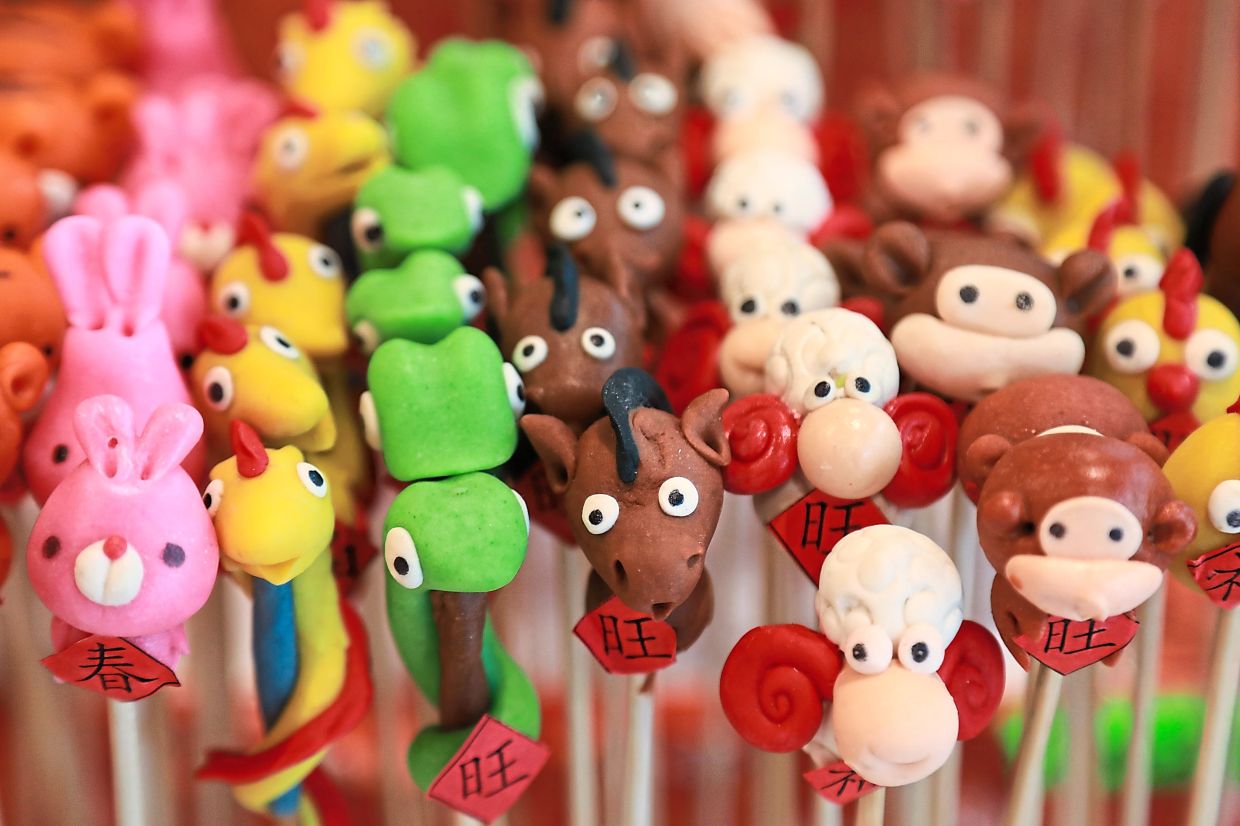
She skilfully models air-dry clay into round, horse faces incorporating the Mandarin character “fu” meaning prosperity.
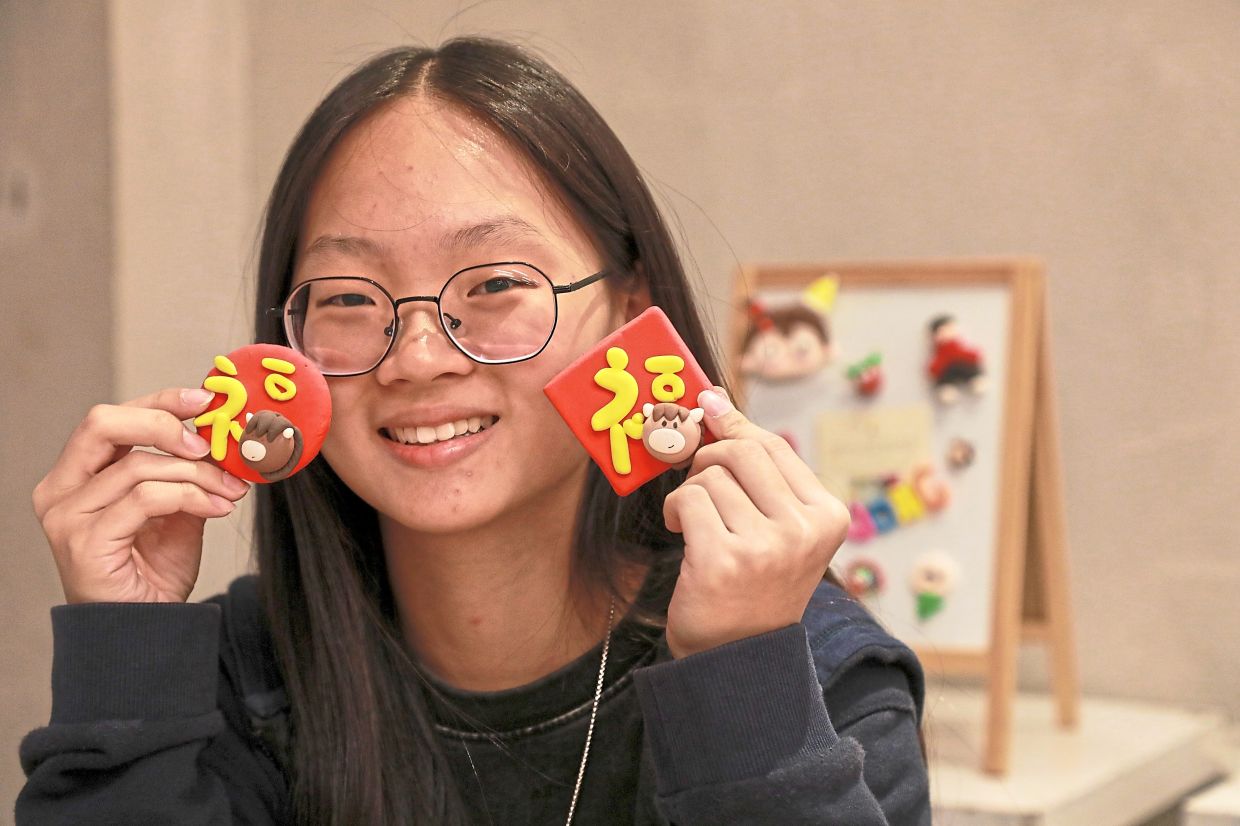
The clay is shaped into long, tiny rods to form the intricate characters before pasting on a base equipped with a magnet.
Once dry, these pieces become colourful fridge magnets ready to brighten up a home.
“It takes me three hours to create one piece,” she said.
“Unlike traditional clay which must be baked in a kiln, air-dry clay can be left out to dry.
“It is incredibly lightweight, making it perfect for children to play with.
“Young ones can let their imagination run wild without the need for heavy equipment.”
Wong’s journey into the world of sculpting began in the kitchen.
She recalled how her grandmother would make noodles from flour and always set aside a small batch for her to play with.
“I liked squeezing things and just playing with the dough.
“When I was eight, I started attending art classes and discovered air-dry clay.
“I have been crafting with it ever since,” she added.
By the age of 14, Wong was already an entrepreneur, setting up booths at weekend bazaars.
She still remembers the thrill of her first sale – a few stalks of clay tulips that sold for RM78.
“I was ecstatic. It was then that I realised I could monetise my art and turn my hobby into a small business,” she said.
Juggling creative interests with her secondary school studies in Puchong is a challenge.
“Usually, I set up booths at weekend markets which can stretch from 10am to 10pm.
“Sometimes I stayed up late at night working on projects even after my parents told me to sleep earlier.
“They eventually let me have my way once they saw how dedicated I was,” she said.
Currently, she is collaborating with Malaysia-based creative brand Nekojin Workshop to develop seven unique characters, each featuring a funky and colourful personality.
Hooked on joy
At another booth, 50-year-old Jovie Lee found a different kind of peace – one woven through yarn and quiet focus.
For her, crocheting is more than a hobby, it brings her joy.
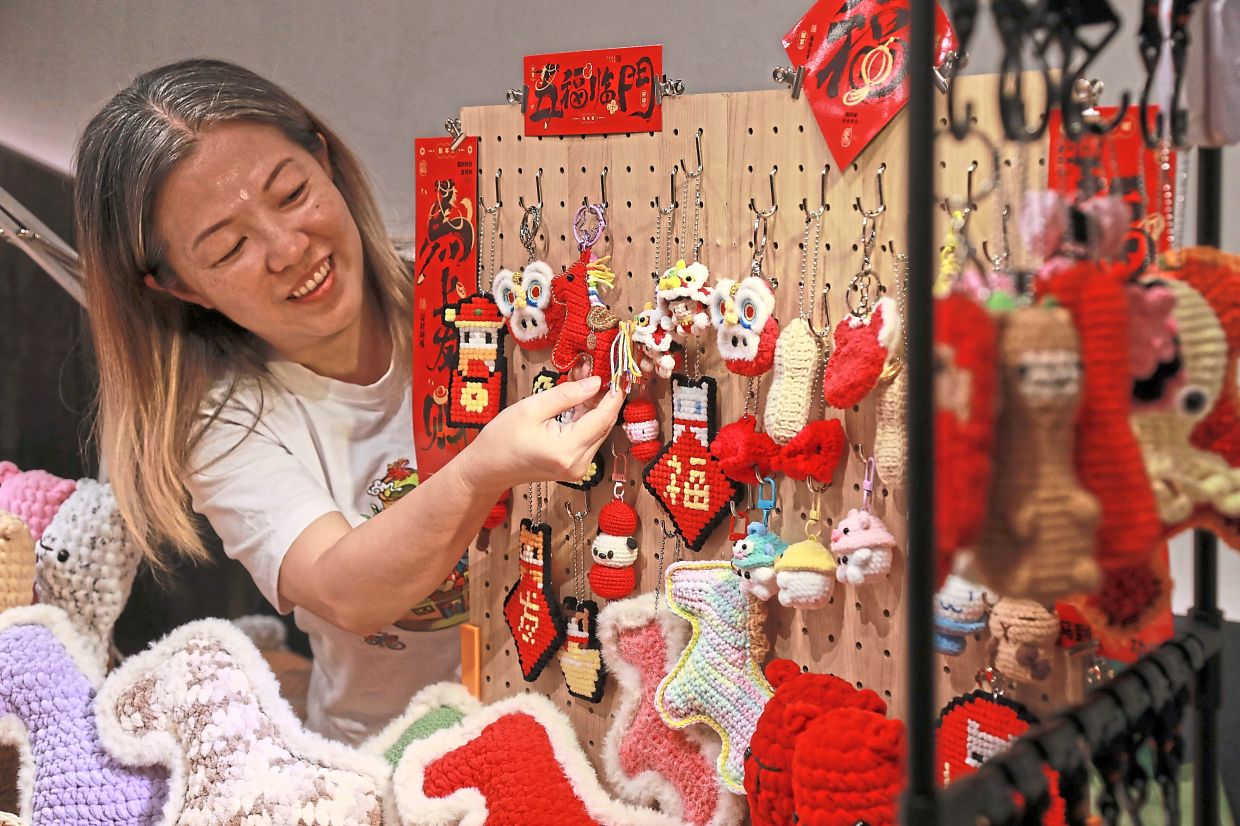
To celebrate the Year of the Fire Horse, she has designed several themed accessories, including horse-shaped trinkets that catch the eye of collectors.
Lee made the bold decision to leave her full-time career as a construction purchaser in 2023 to learn the art of crochet.
“Somehow, crocheting makes me happy.
“It is incredibly therapeutic,” said Lee who is an artisan from Kampung Baru Serdang.
She taught herself the tricks of the trade by watching tutorials on online video sharing platforms and browsing through social media.
She runs a stall at Bazaar Rakyat in Seri Kembangan, Selangor, while travelling to market her wares at special events.
Her collection includes local favourites such as a crocheted durian with a detachable centre.
“The durian was inspired by my hometown Segamat (Johor).
“There are many durian growers there. People love the King of Fruits.
“To keep up with modern trends, I often ask people what they would like to see next and incorporate their suggestions into my work,” she said.
Lee even helps her craft students sell their products created during her workshops.
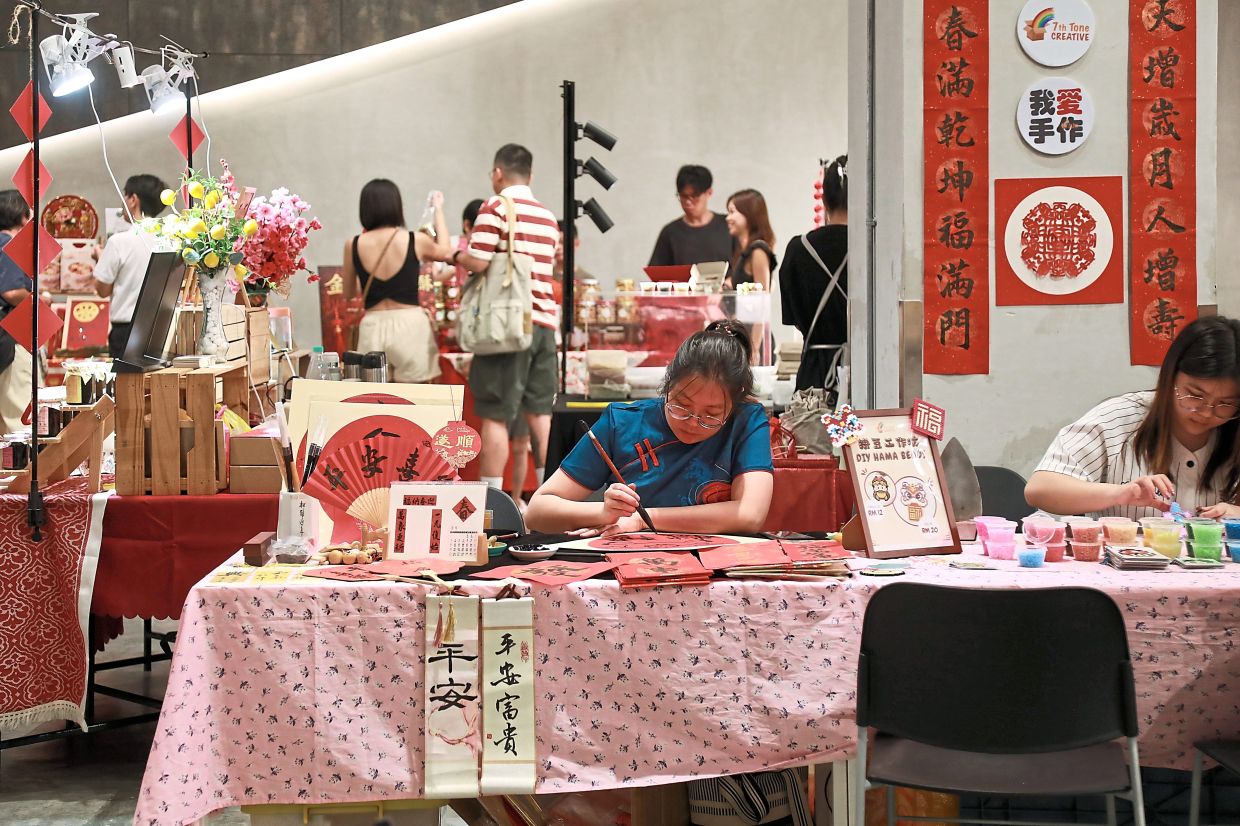
The “Horse-Seh-Liao” bazaar at The Grey Box in GMBB drew strong interest from exhibitors, with stalls extending out onto the building’s facade.
Visitors could be seen wandering through the fare, stopping to admire new village products manned by multi-generational families.
Aside from shopping, visitors also participated in various workshops, taking home pieces of their own handiwork.
Other highlights included customised ang pow with names written in elegant Chinese calligraphy, hydro-printed fans and handmade clay art.
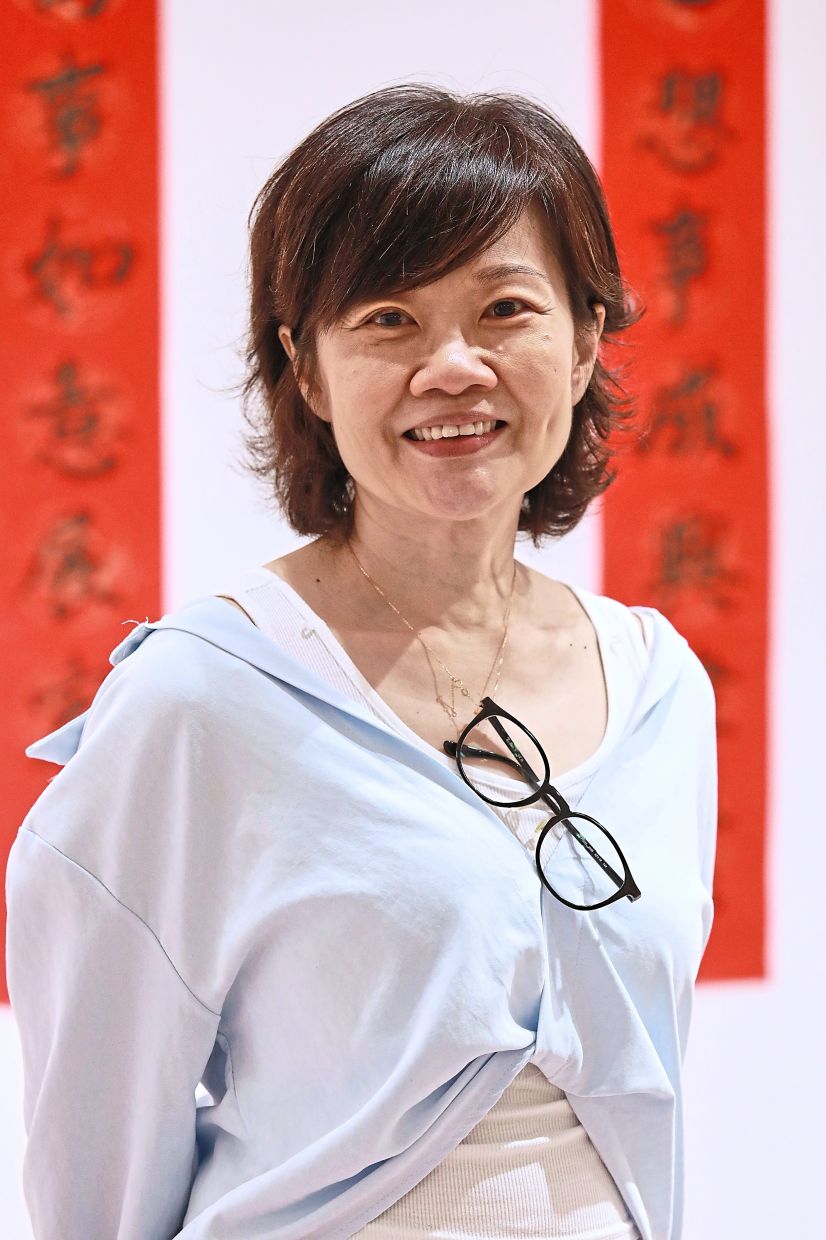
“Kampung and Co was set up to help cottage industry entrepreneurs better market and position their products.
“By bringing artisans and entrepreneurs together, we created an incubator for these players to expand.
“It allows creative works and traditional food products to cross paths, creating opportunities for future collaboration,” she said.
Chen believed such local efforts had a much larger reach.
“The more localised a product, the more potential it has for a global audience,” she said.
“Think of how people travel to Japan specifically for matcha. We can do the same here in Malaysia.
“When people learn about the origins of these products, they visit the villages, which in turn drives social and economic growth for those communities.”