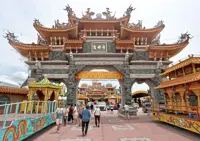
THIS weekend, Penang will be awakened by the sound of an ensemble of drums – urumi melam – the scent of incense, camphor and sight of devotees in yellow chanting “Vel, Vel”.
Once a year, the island transforms into a living, breathing spectacle of faith as devotees converge for the three-day Thaipusam — one of the most electrifying Hindu festivals in South-East Asia.
The festival, which has been observed for more than a century in Penang, falls on Feb 1 this year.
With the festivities centred around two temples in Jalan Kebun Bunga – the Arulmigu Balathandayuthapani Temple (also known as Waterfall Hilltop Temple) and Nagarathar Nattukottai Chettiar Temple, Thaipusam here stands apart from celebrations elsewhere.
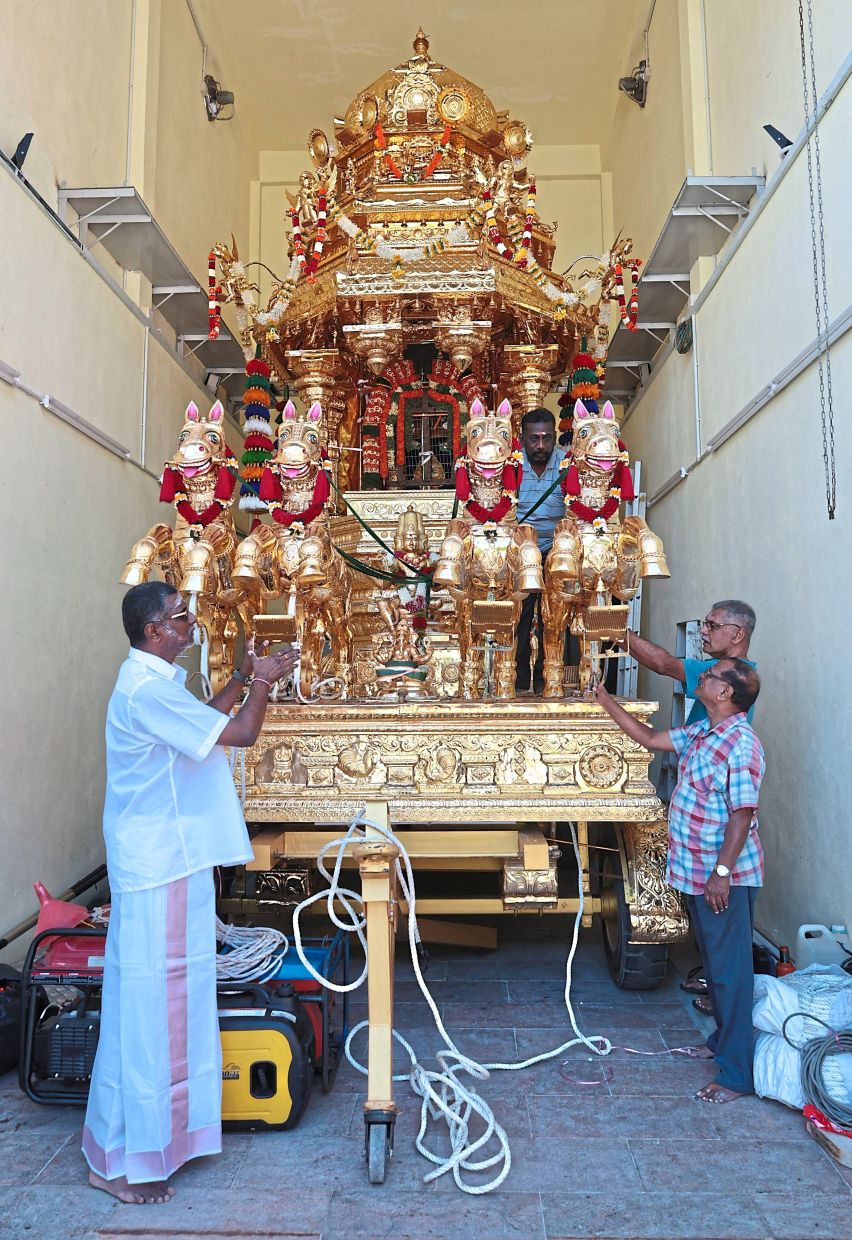
Unlike in other states, the celebration begins on the eve of Thaipusam, which is Saturday, featuring not one, but two processional chariots — the silver chariot carrying the statue of Lord Murugan and the golden chariot bearing the divine spear, Vel.
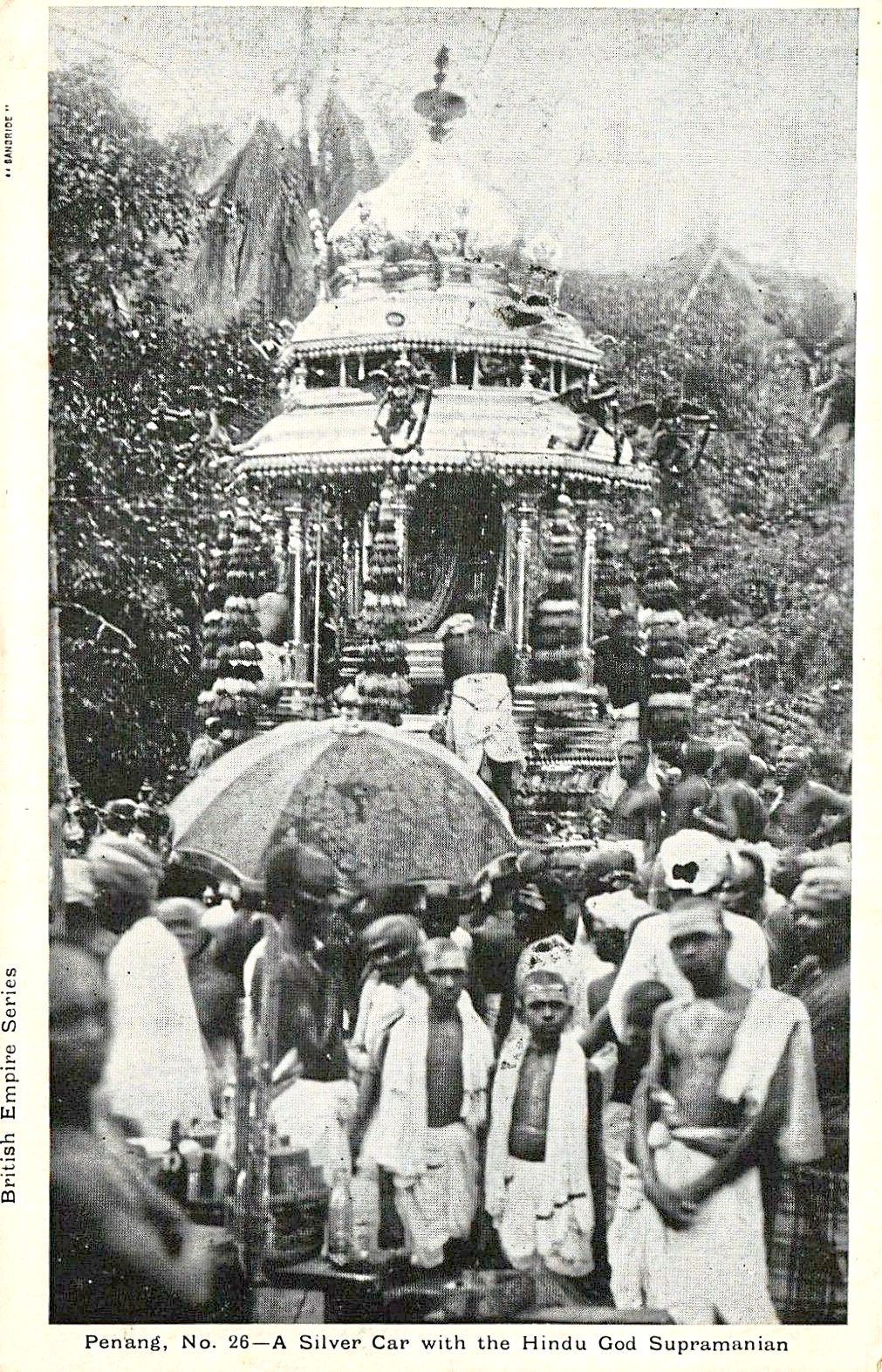
The silver chariot procession started in 1894, while the golden chariot was rolled out by the Penang Hindu Endowment Board (PHEB) in 2017.
Although the chariots start and end at different temples, they share the 9km-long procession route.
The 6.71m-tall golden chariot, which will depart from the Sri Mahamariamman Temple in Lebuh Queen, is expected to reach the Waterfall Hilltop Temple at night.
As for the 7.07m-high silver chariot, it will leave from the Nagarathar Kovil Veedu Temple in Lebuh Penang for the Nattukottai Chettiar Temple.
On Sunday, devotees take part in acts of devotion, penance and thanksgiving dedicated to Lord Murugan.
The third day will see both the golden and silver chariots return to their respective temples, marking the culmination of a spiritual journey.
Another unique aspect of the festival in Penang is the celebration of the “Chetti Pusam” on the eve of Thaipusam, which is mainly carried out by members of the Chettiar community who carry peacock feather kavadis from the Nagarathar Kovil Veedu Temple to the Nattukottai Chettiar Temple.
The Chettiar community’s enduring influence on Thaipusam celebrations has been instrumental in shaping the festival’s character on the island.
The celebration was only cancelled during the Covid-19 pandemic in 2021, marking the first break in decades.
Golden chariot
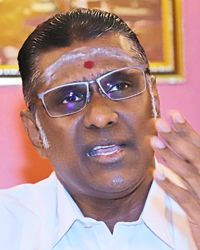
PHEB chairman RSN Rayer said Lord Murugan, also known as Muruga, Subramaniam or Kartikeya, was associated with youth, valour and spiritual progress.
“Records show that Thaipusam was first introduced to Penang by South Indian migrants, especially Indian sepoys (soldiers) and workers in 1782 when they discovered a Vel at the Penang Botanic Gardens waterfall site.
“The Vel was worshipped as ‘Thaneermalaian’ (He who dwells by the waterfall) with a shrine built and this site eventually became associated with the start of Thaipusam celebrations here.
“This shrine was then moved uphill due to water supply concerns and a proper temple structure was built in 1850,” he said.
Rayer added that the need for a new, bigger temple arose due to the growing number of devotees and visitors over the years.
In 2012, a new, larger temple complex was completed at the Waterfall Hilltop Temple featuring a seven-storey 21.6m tall rajagopuram (main tower).
“This structure, which requires devotees to climb 513 steps, is regarded as one of the largest Lord Murugan temples outside India.
“This, together with the uniqueness of the festival, could be the reason why Thaipusam in Penang is popular and attracts devotees from all over the world,” Rayer explained.
In 2017, PHEB rolled out its golden chariot with the procession usually starting its journey at about 6am from the Arulmigu Sri Mahamariamman Temple in Lebuh Queen, passing through Lebuh Chulia, Lebuh Victoria, Jalan Maxwell, Jalan Datuk Keramat and Jalan Utama (Western Road) before arriving at the Waterfall Hilltop Temple in Jalan Kebun Bunga.
Silver chariot
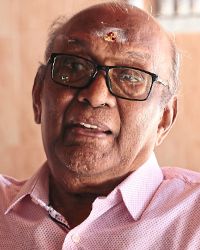
“A wooden chariot made of Burma teak wood led the first recorded Thaipusam procession and it was used for 35 years before the five-tonne silver chariot arrived here from Karaikudi in Tamil Nadu, India in 1894.
“The wooden chariot was then presented to a temple in Medan, Indonesia and is still in use today,” he said.
Dr Narayanan added that at that time, two silver chariots were commissioned — a smaller one for Penang and the bigger chariot for Singapore.
“By some divine twist of fate, the parts of the bigger chariot meant for Singapore, which were packed in wooden crates, arrived here after a five-day sea journey as Penang was the first port of call for the steamer SS Ronna.
“When the mistake was discovered, the Chettiars even offered to pay the difference to the management of the temple in Singapore, but they politely declined, saying it was divine will.”
He said in the early years of the procession in Penang, some 150 to 200 devotees attended the festival.
The silver chariot was commissioned when Thaipusam started getting popular and crowds began growing, he said.
Dr Narayanan added that the silver chariot procession uses bulls in honour of “Nandi”, the sacred bull considered to be the protector of Lord Shiva’s family in Hindu tradition.
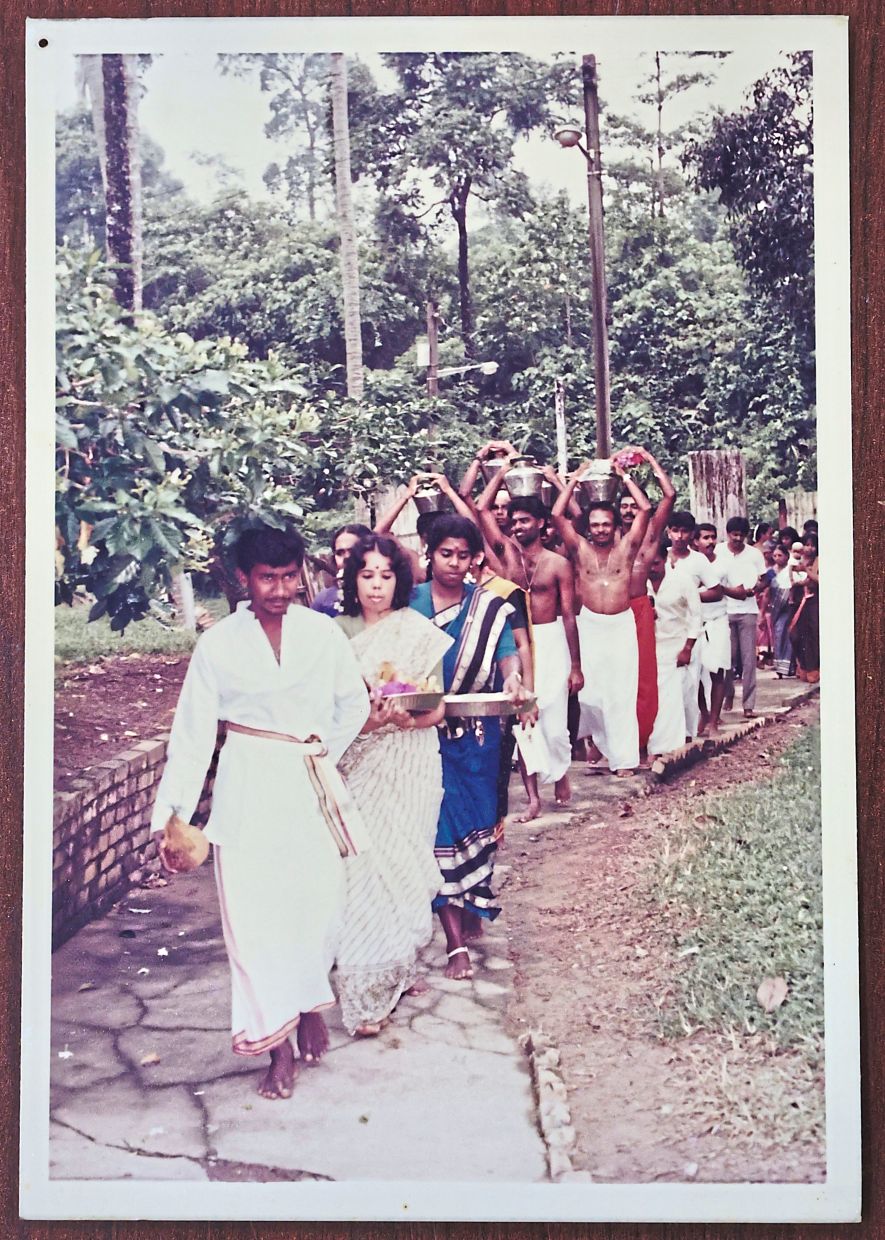
The silver chariot will leave the Nagarathar Kovil Veedu Temple in Lebuh Penang and pass through a similar route as the golden chariot before ending at the Nattukottai Chettiar Temple.
Dr Narayanan explained that the temple, built using teak wood pillars, was designed by the head of an ashram in Koviloor, Tamil Nadu.
“Over the years, we have made some minor renovations and added some structures to the original temple building but without affecting the aesthetics.”
He said in the early days, there used to be a funfair at the empty grounds beside the temple during the festival.
“We also used to serve anadhanam or free food for some 4,000 devotees during the three days but for the past few years, we have increased the volume and serve 7,000 devotees.”
Dr Narayanan noted that the 170-year-old Nattukottai Chettiar Temple features some 150 original works of Indian artist Ravi Varma and Tanjore paintings, also known as Thanjavur paintings.
Ravi Varma is best known for his depictions of figures from the Ramayana, Mahabharata and Puranic traditions.
Tanjore paintings which originated in Tamil Nadu during the 16th century, are made using gold foil, vibrant colours and embossed detailing.