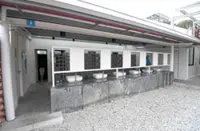
Move beyond standard OKU toilets to meet Selangor’s age-friendly mandate for public loos, say stakeholders.
SELANGOR’s mandate to require age-friendly designs for public washrooms is crucial with Malaysia projected to become an aged nation by 2048.
Healthcare and urban planning experts warn that more needs to be done fast to improve infrastructure to handle this demographic shift.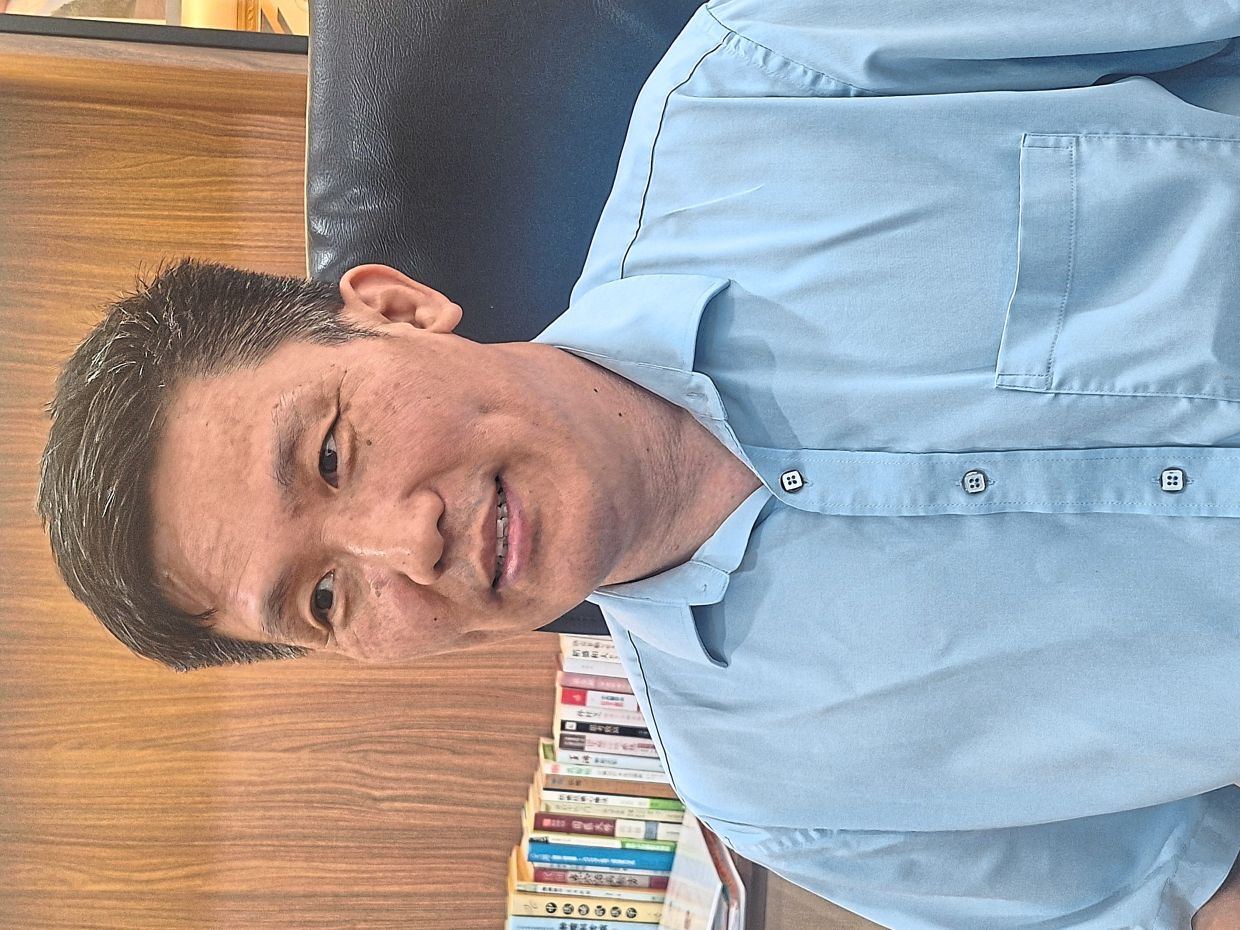
Dr Kong Why Hong, founder of AIM Healthcare Group, and urban planner Nik Mohd Ruiz Razy view the move as essential to future-proofing the nation.
Forethought in design
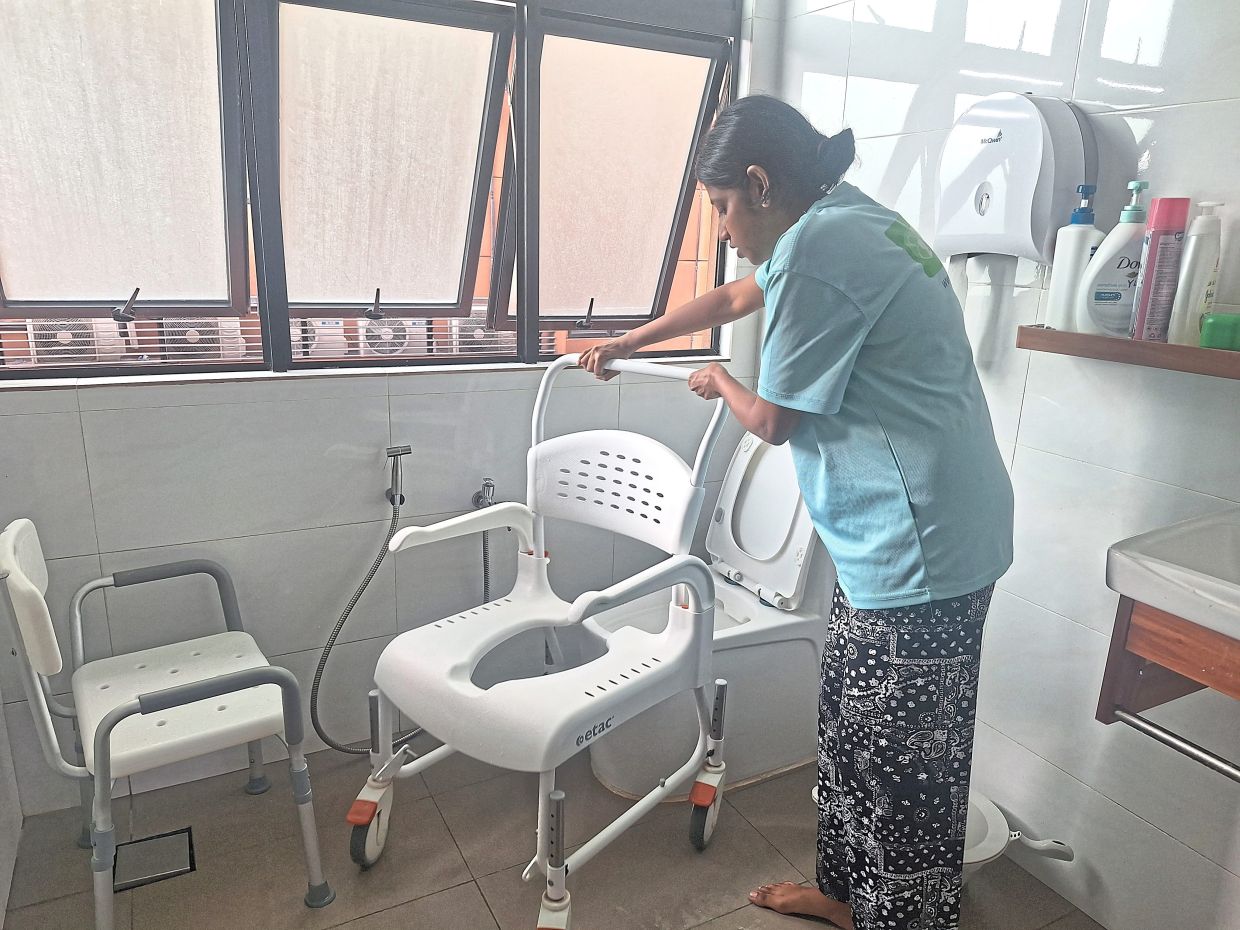
Dr Kong pointed out standard toilets for persons with disabilities (OKU) often fail to meet the specific needs of the elderly.
“Ageing involves physiological changes such as muscle loss (sarcopenia), joint pain, and deteriorating vision.
“It is not merely about toilets for the elderly, but about forethought in design,” he said.
Dr Kong noted that standard toilet seats often require a 90-degree knee bend, which can be painful or difficult for seniors.
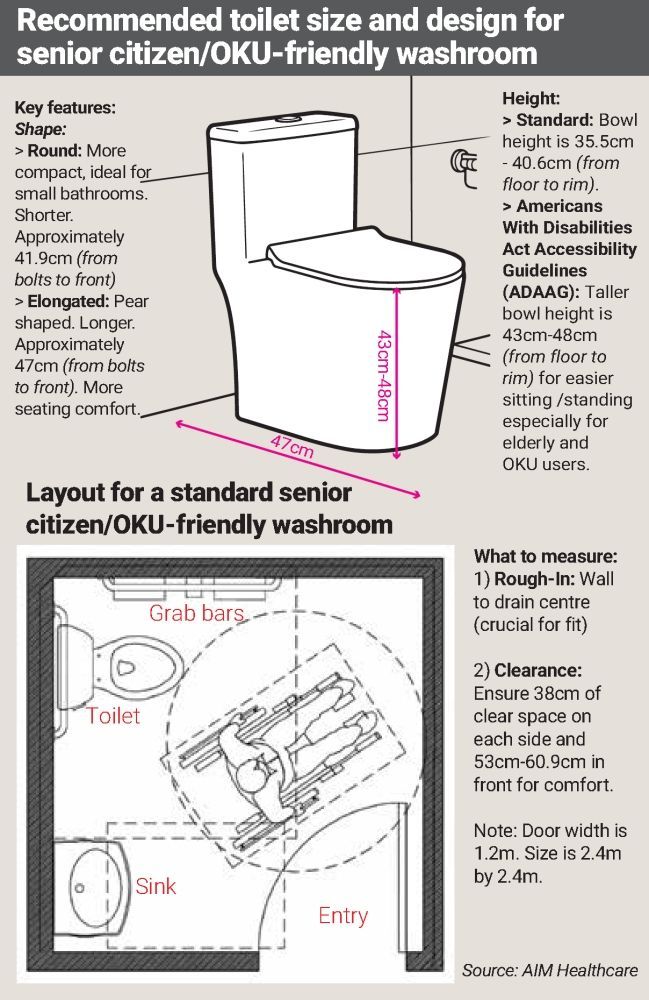
At his facilities, seats are set at a height of 41cm to ensure a more manageable 110-degree knee angle.
Nik Mohd Ruiz, who has run his consultancy for over 20 years, views Universal Design (UD) – creating environments usable by everyone without adaptation – as a fundamental requirement rather than a luxury.
“In the 1980s, we built walk-up flats where a person in a wheelchair couldn’t go up four levels. That contradicted the original intention of housing,” he said.
“Now, we must look at the entire urban fabric.”
The experts were responding to an announcement by Selangor local government committee chairman Datuk Ng Suee Lim in August last year that the state government wanted all local councils to adopt age-friendly designs at public washrooms, to better accommodate senior citizens.
Ng had said improvements for public washrooms through better design included hand rails, grab bars, non-slip flooring and a panic button.
He also revealed that the Statistics Department’s data showed the number of people aged 60 and above in Selangor last year stood at 853,760.
Ng specifically focused on Selangor’s city, municipal and district councils to make their public toilets elderly-friendly by applying universal design principles.
Visual contrast for safety
Both Dr Kong and Nik Mohd Ruiz highlighted the “invisible” challenge of cognitive impairment.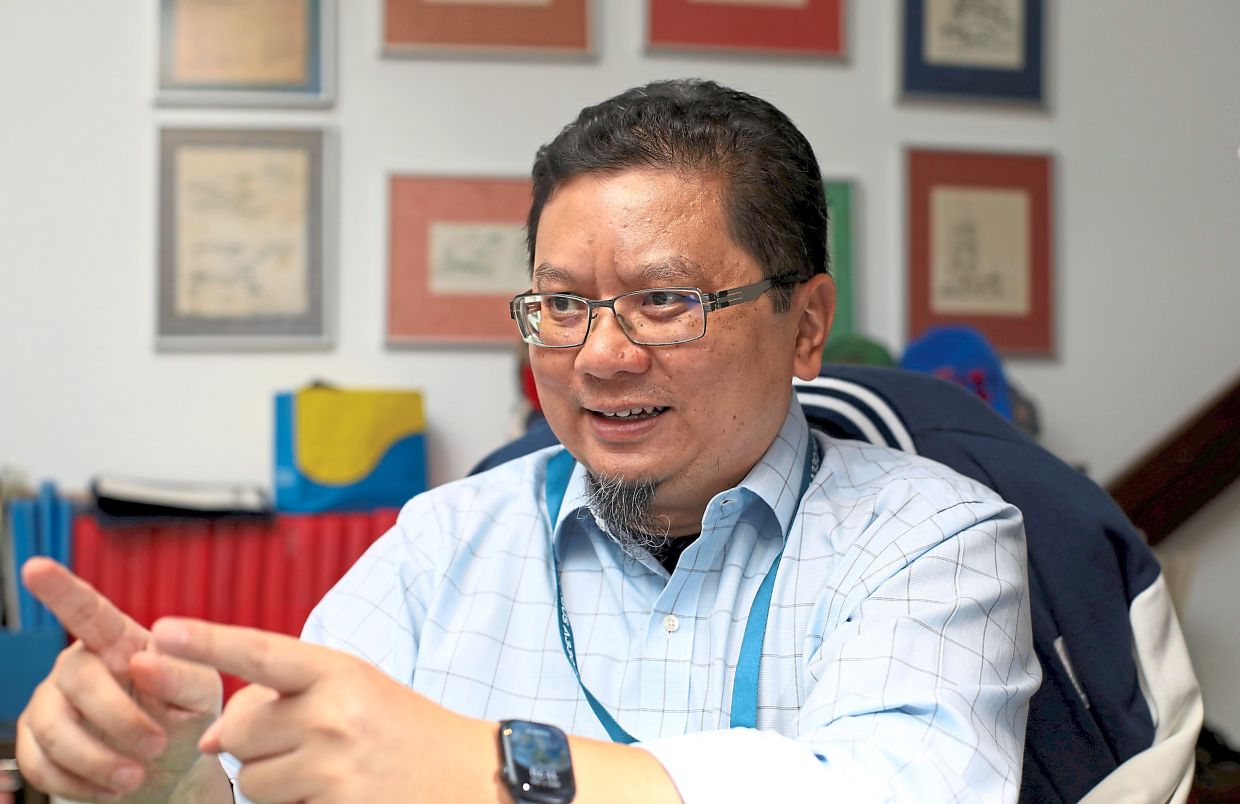
For seniors with dementia or cataracts, a glossy, all-white washroom can be confusing.
“If everything is shiny silver or clinical white, a senior cannot distinguish the toilet bowl from the floor,” Dr Kong explained.
He suggested using matte finishes, contrasting colours on walls and floors, and glow-in-the-dark grab bars for visual guidance.
Nik Mohd Ruiz stressed that intuitive design was particularly vital in cultural and religious spaces.
“For example, in mosques, clear design distinctions are needed to help those with dementia to know which is the toilet area.”
Economic challenge
While new developments can easily incorporate these designs, retrofitting such older amenities presents financial hurdles.
“For a small cafe in an old shophouse, a toilet renovation could cost a lot of money. Who will bear that cost?” asked Nik Mohd Ruiz.
He noted that while financing options could be considered, maintenance remained a major issue due to vandalism.
Dr Kong also questioned the practicality of installing panic buttons without a response protocol.
“In Japan, help arrives in three minutes. Who is going to answer the button calls here?”
He proposed creating a “Skuad Bersih” – a team trained to clean and respond to emergencies – to ensure the buttons did not become mere symbolic gestures.
Cost of inaction, falls
Despite the added expense of renovation, the experts argue that the cost of doing nothing is higher.
A fall in a slippery toilet can lead to hip fractures, permanent dependency and a strain on government hospitals.
“Safe toilets prevent the medical burden on hospitals and the mental toll on caregivers,” Dr Kong pointed out.
From a planning perspective, the lack of accessible facilities forces seniors to stay home, accelerating social isolation and cognitive decline.
“We want an environment 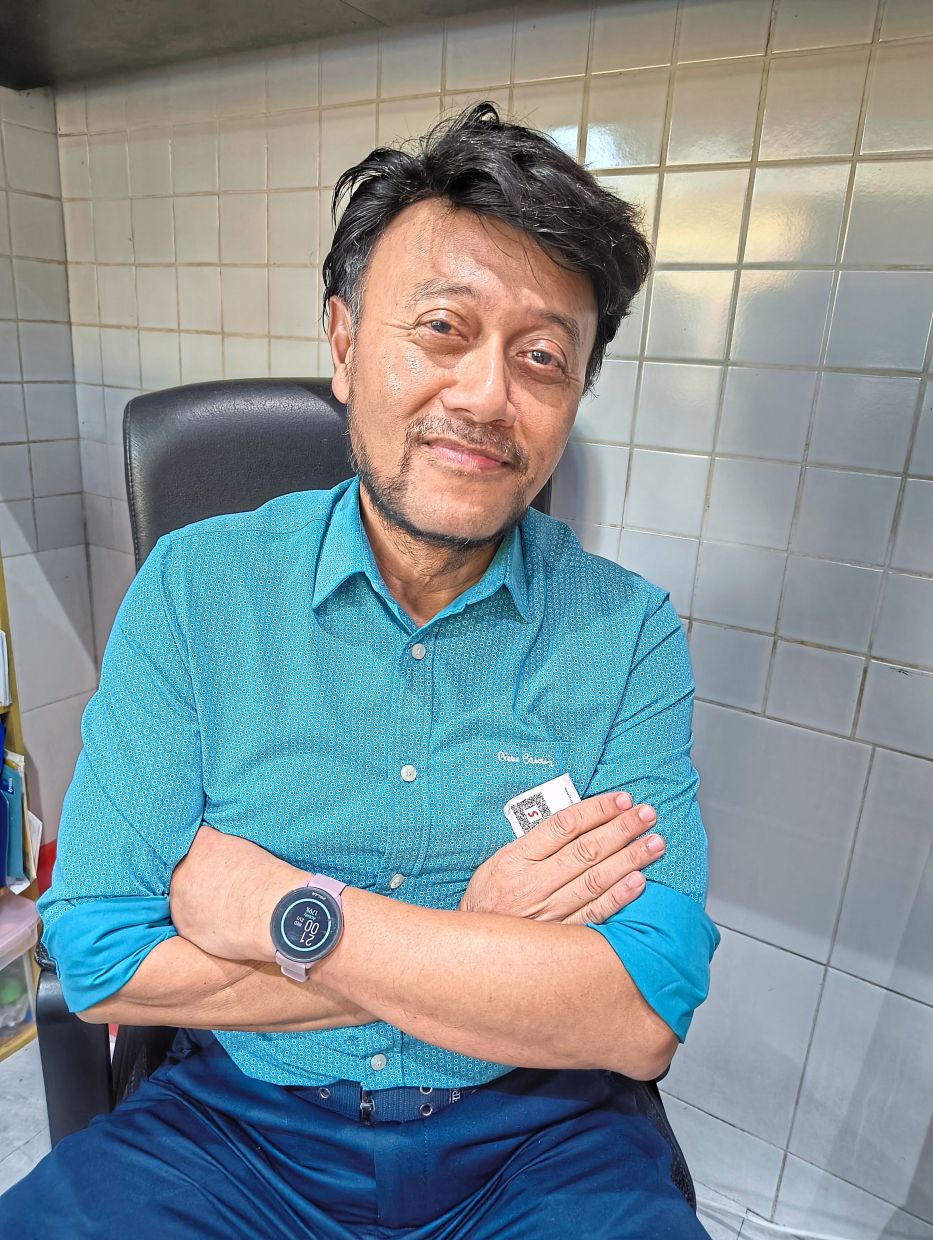
Both experts agree that while Selangor is on the right track, the implementation needs to accelerate to catch up with neighbouring nations.
For the average person, a public restroom is a mere convenience.
“For the elderly,” they said, “it is often a source of anxiety, a physical obstacle course or a barrier to leaving the house entirely.”
Catering to varying fitness
Universiti Malaya Medical Centre (UMMC) sports physician Assoc Prof Dr Mohd Nahar Azmi Mohamed said washroom design was only half the battle.
“Our legs get weaker as we age; we must educate seniors to exercise their quads and glutes to avoid being sedentary,” said Dr Mohd Nahar.
He emphasised that toilets must cater to various fitness levels.
“Older adults vary in fitness, so the public toilet layout needs to cater to them.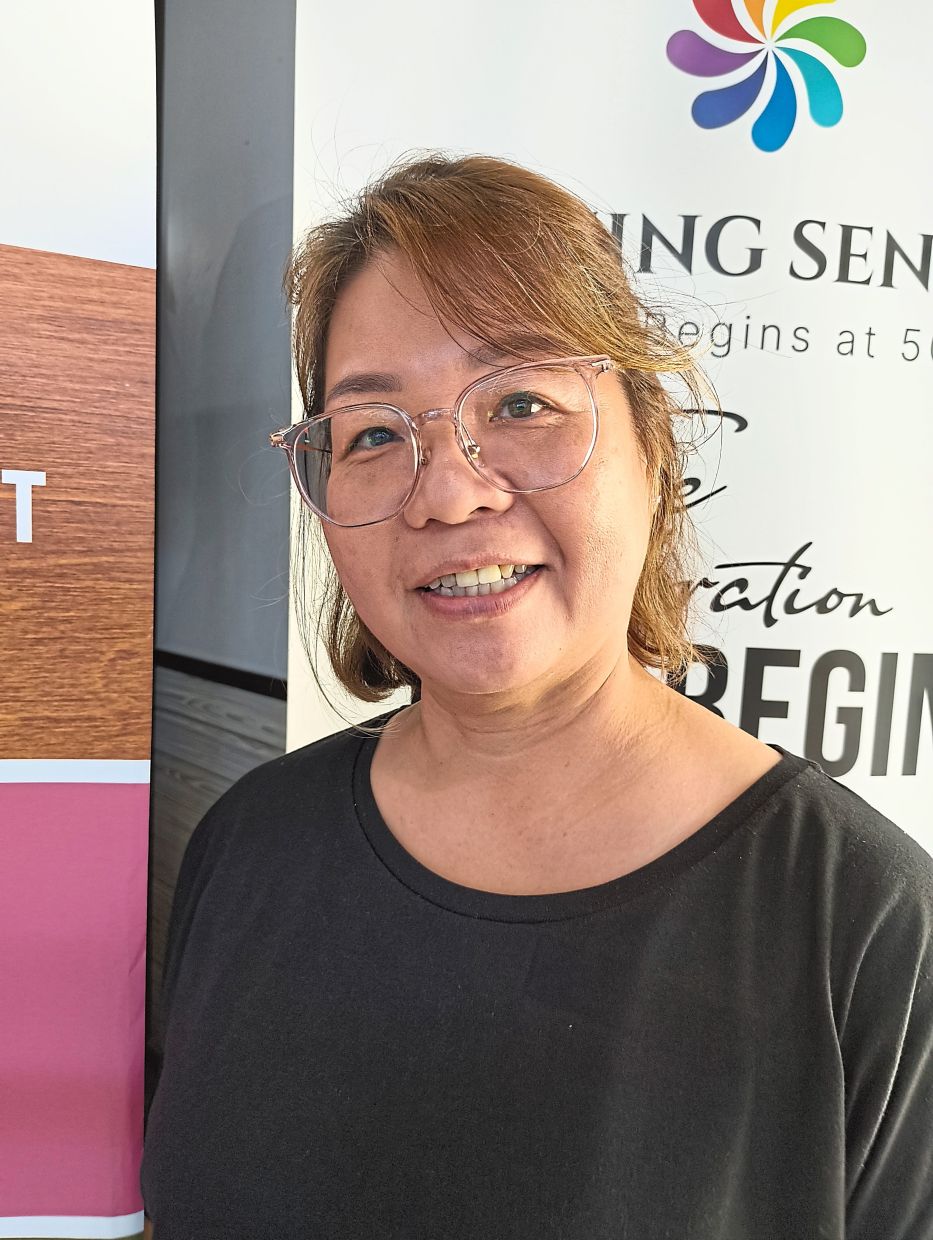
“In my practice I see older adults coming for treatment, who are mostly sedentary.
“After retirement, they don’t do much. They must keep up an active lifestyle,” he said.
He stressed that education and awareness were vital.
“There must be more social groups that can accommodate older adults in a community- based collaboration to keep them fit using simple movements and exercises,” said Dr Mohd Nahar.
Design barrier
According to Jennifer Soh of Managedcare Sdn Bhd, current OKU toilets are often too tight for wheelchairs.
“Bright colours are a must for depth of field and locating bars,” she said.
However, Soh noted the difficulty of retrofitting older or rented premises where owners resisted the high cost of renovation.
Managedcare coordinates elderly care services and runs a social enrichment centre for cognitive and physical well-being.
Maintenance vital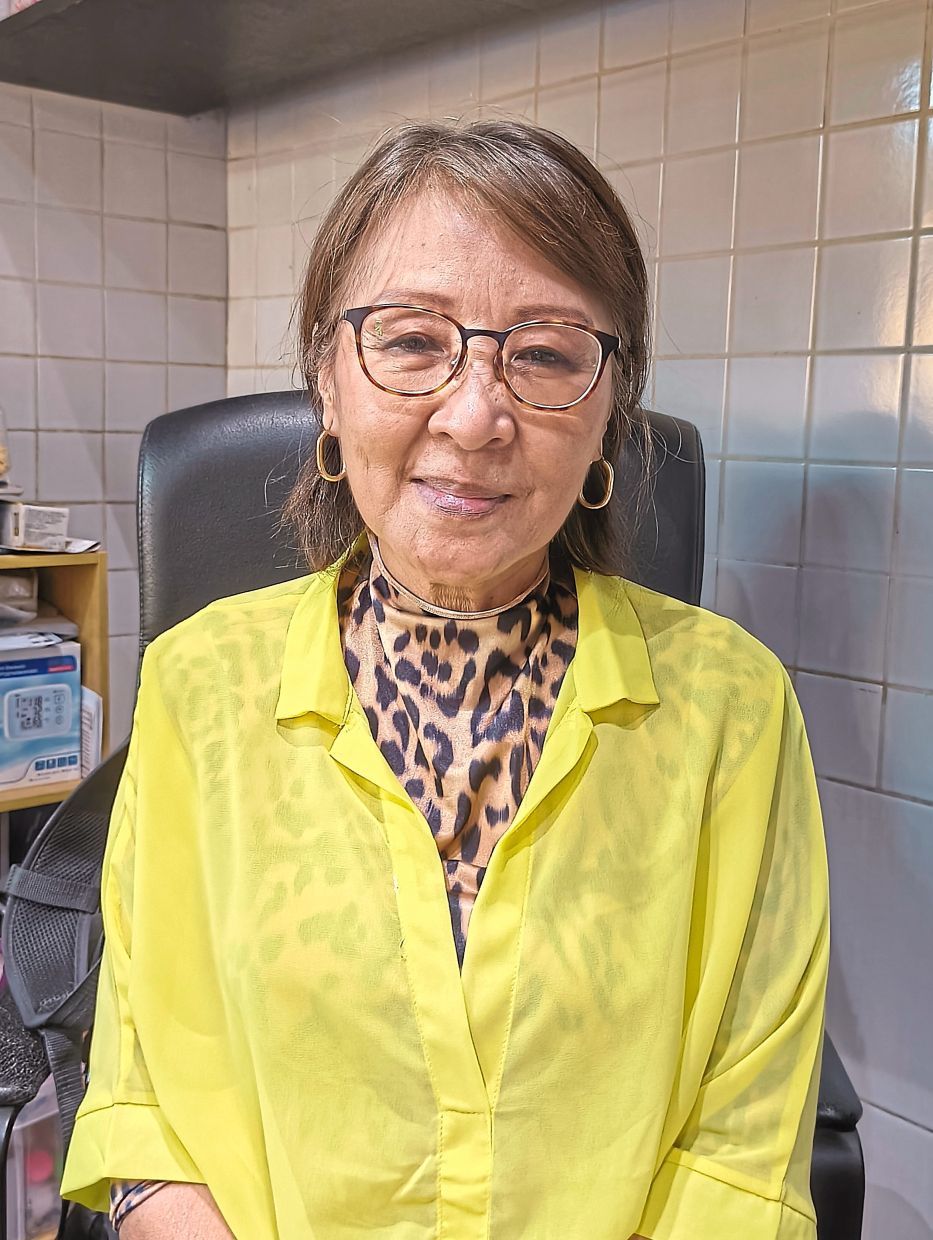
Amazing Seniors Learning Activity Hub (LAh) manager Rosemarie Tan, 65, shared a harrowing reality: “I have incontinence, but I am so scared of dirty, slippery public toilets that I hold it in. Facilities are often broken and stinking.”
Philip Low, 82, believes the solution is behavioural.
“In Japan, children learn to clean toilets. We need to inculcate this in schools and perhaps penalise offenders for vandalism, just as we fine people for disposing of pet waste indiscriminately.”
Both Tan and Philip agreed they would rather pay for a clean, privatised toilet than risk a free, dirty one.
“Some upscale malls in Klang Valley charge for premium toilets; if they can work, why not public areas?” Philip asked.
Retired teacher Betty Toh, 67, pointed to poor etiquette, such as squatting on toilet seats.
“We need continuous education on maintaining cleanliness, as it is not easy when thousands use them daily.”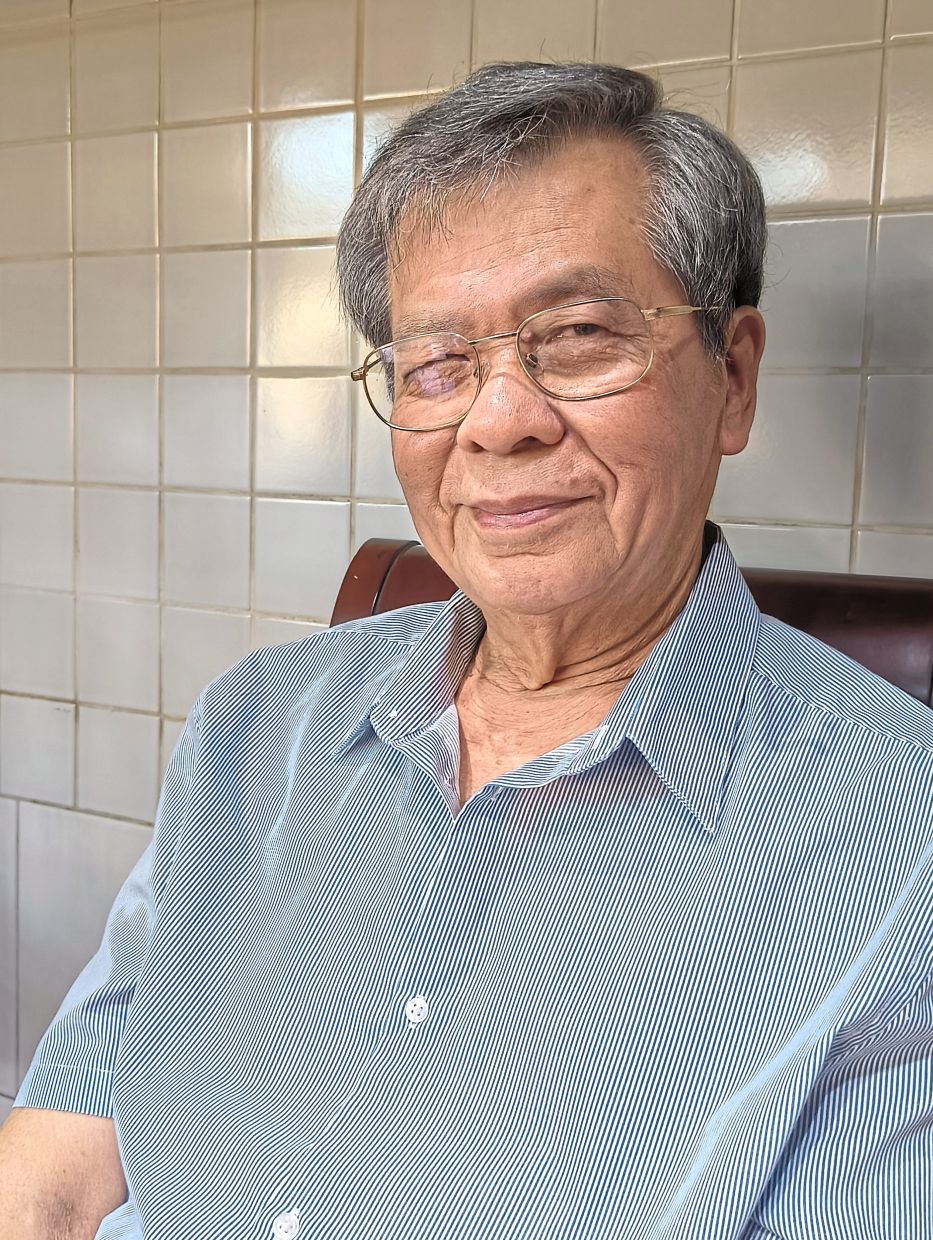
For Amazing Seniors co-founder Penny Low, building toilets is not enough.
“There must be awareness on maintenance.
“Upgrading public toilets at highway R&R stops could be a collaboration with big brands, for example, washing detergents, so corporations can get involved too,” said Penny.