As a schoolboy in the 1960s, Soh Teck Chuan would pause outside a local bakery in Segamat, Johor, peering through the window to watch bakers make traditional biscuits.
Little did he know that his fascination with the process, coupled with the occasional treats he received from a kind staff member, would lay the foundation for his true calling.
Today, Teck Chuan runs a thriving biscuit factory in Kampung Tengah, a new village in Segamat.
“I still remember that peanut candy biscuits were the first confectionery I learned to make from experienced bakers,” he reminisced.
“I started making and selling traditional biscuits in 1973 at my grandfather’s house in Kampung Abdullah, also in Segamat, before moving to the current location.
“We can proudly claim that we were the first company in Malaysia to make biscuits with fillings,” said Teck Chuan.
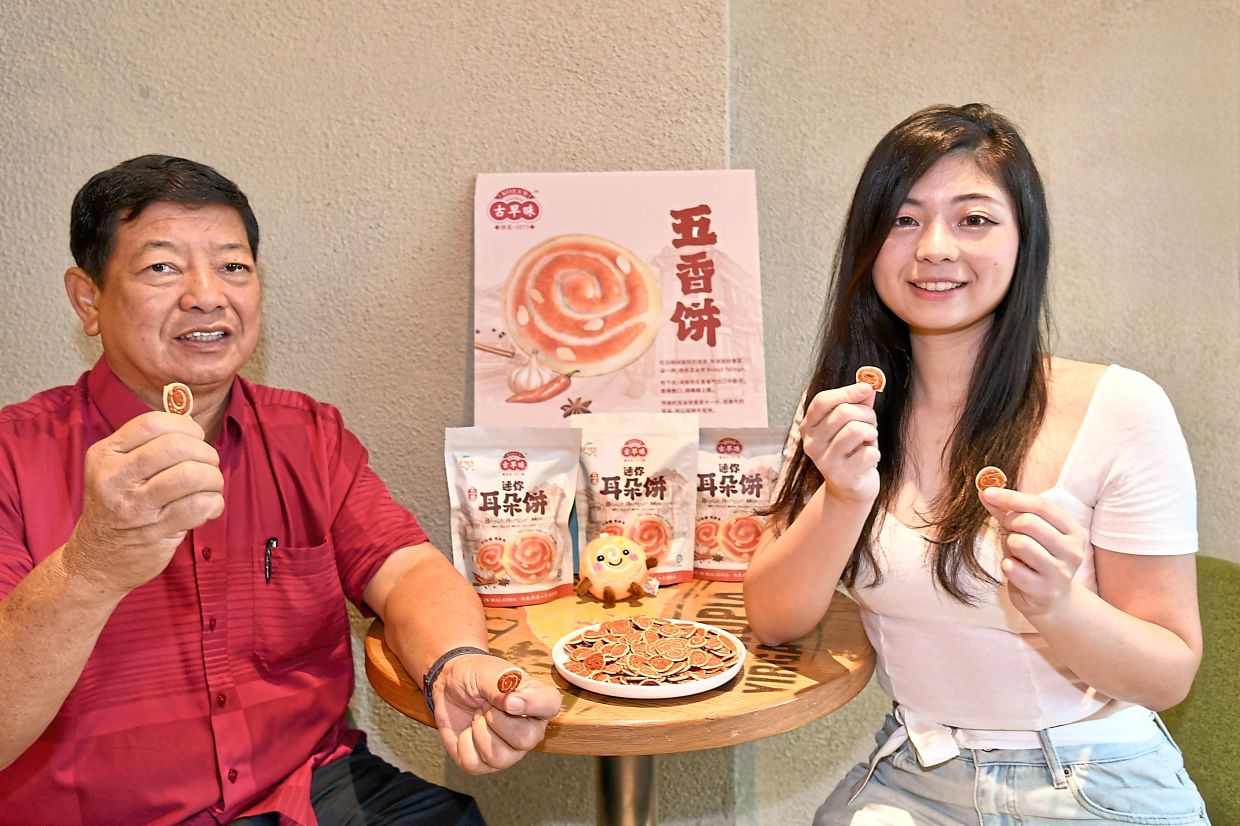
His company, PMN Biscuit Industries Sdn Bhd, now produces 84 varieties of confectionery, ranging from traditional biscuits to modern treats.
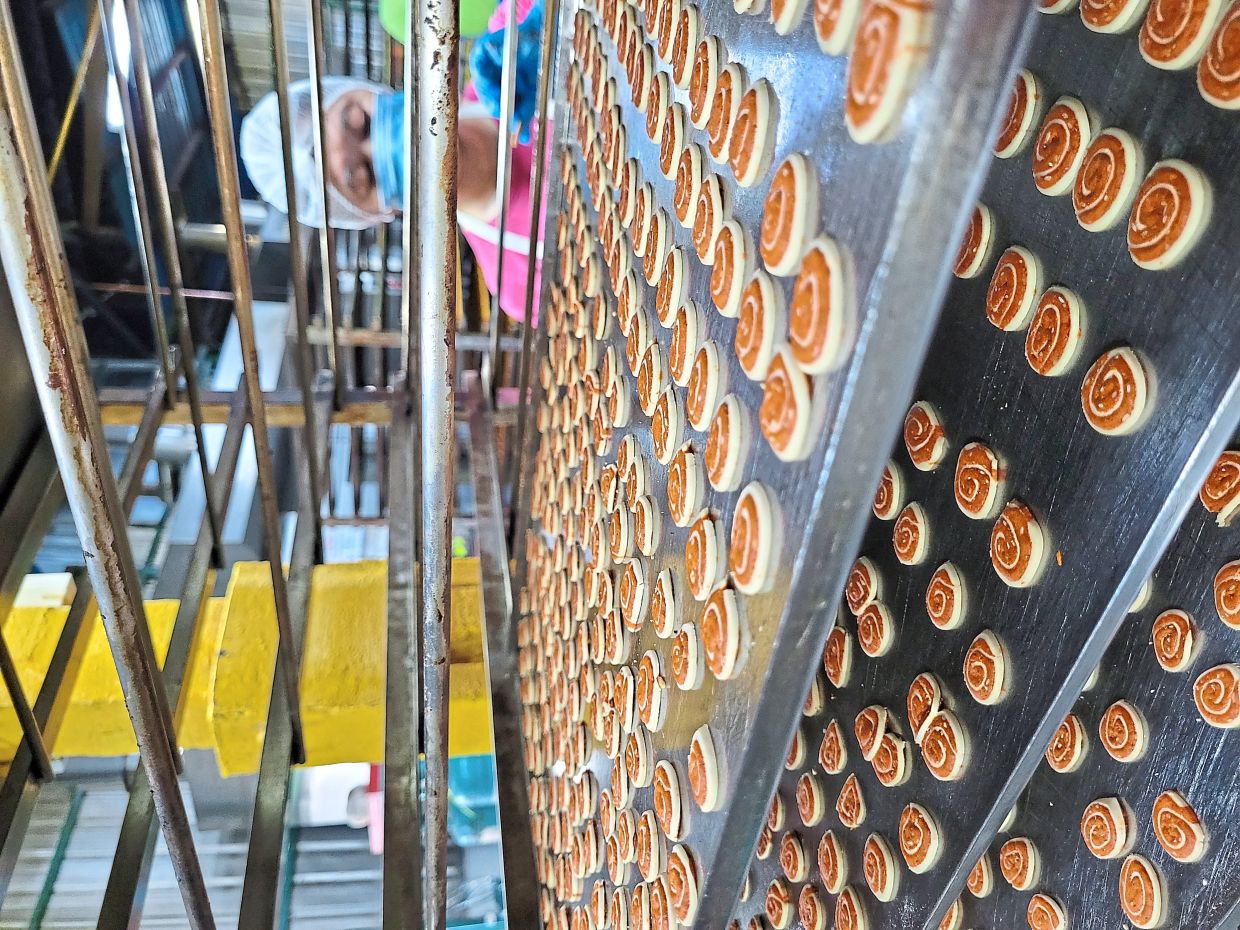
Its star product, Koza’B Mini Spiced Wheel Cookies, recently clinched the Gold Award at the Kampung Good 2025 competition.
Organised by Kampung-ing (Xin Cun-ing), a non-governmental organisation dedicated to empowering Chinese new village residents, the second edition of the competition highlighted local products and success stories from the country’s southern region.
The first edition held two years ago focused on villages from Malaysia’s northern region. The third edition is expected to be held this year, involving new villages nationwide.
Finalists underwent a three-day intensive workshop on branding and product development, with the top three winners receiving RM10,000, RM8,000 and RM5,000 respectively.
Teck Chuan’s daughter Liza Soh, who manages international business development, received the award at the “Wow! Kampung Baru 2025 Expo” in Johor Baru last October.
She now aspires to take this unique “new village flavour” to the global stage.
“The name Koza’B is the Hokkien pronunciation for the Mandarin term gu zao wei, meaning old-school or nostalgic taste,” Liza explained.
Commonly known as “ear biscuits” due to their spiral shape, these spiced wheels are a Malaysian heritage staple.
“This mini spiced wheel is nostalgic and evokes many childhood memories.
“We want to share this taste of locally made products with our international guests so that they can enjoy our delicacies and, more importantly, learn about our village in the small town of Segamat,” she said.
Through the competition’s workshop, Liza gained a clearer direction for the brand.
“The workshop was a wake-up call. Trainers criticised us because our positioning was all over the place.
“They taught us that for food, tasting good is the bare minimum. To succeed, one must also tell a story.
“So we redesigned our packaging to reflect our brand’s story.”
To help generate buzz, Liza created plush toys resembling the biscuits.
“We hope that through these toys, people can relate to our product and learn about Segamat, promoting it as a tourist destination.
“Our mini spiced wheel is an icon here and I hope to create an ecosystem where visitors can learn about this childhood confectionery,” she said.
Liza believes traditional businesses have a bright future if they learn to adapt.
“Young people should not be scared to inherit such businesses.
“However, it is important to build on current trends.
“One cannot just bank on the fact that it is a childhood memory; you have to make it relevant to people today,” she said.
Herbal sauce concentrate
Sharing the mission of globalising Chinese new village flavours is Play Klang Cube Cafe.
Since last April, the cafe has been producing its speciality Klang herbal sauce or bak kut teh (herbal meat soup) concentrate.
Founder Jomy Yaw explained that the sauce uses 12 varieties of herbs sourced from Kampung Baru Pandamaran to recreate the flavour profile of bak kut teh, a dish that has become synonymous with Klang, Selangor.
“We partnered with a local chef who previously worked in a three Michelin-starred restaurant in Taiwan to develop the sauce.
“The idea was sparked when tourists expressed a desire to take the iconic dish home, creating a need for a convenient, travel-friendly packet,” said Yaw.
Established eight years ago as a hostel, Play Klang Cube Cafe switched to food and beverages during the Covid-19 movement control order in 2020.
Despite the shift, Yaw said his mission remained the same, which is to promote local culture and community.
The product earned the Best Creative Marketing Special Award at the Kampung Good 2025 competition.
Yaw added that food acted as a bridge to memory.
“Trying something delicious here helps people remember the place.
“We use different packaging to market to different groups of customers.
“For example, we add a packaging sleeve containing an explanation of the product in Mandarin for tourists from China or Mandarin-speaking groups.”
While many versions of the origins of bak kut teh exist, one dates back to the 1950s.
Yaw shared the history of the dish, tracing it to a trader named Li Wen Di, who sold stewed pork bone soup with medicinal herbs.
“Labourers savoured the dish to maintain their health while carrying out physically demanding work.
“In the Hokkien dialect, di and teh (tea) sound similar, which eventually evolved into bak kut teh,” he said.
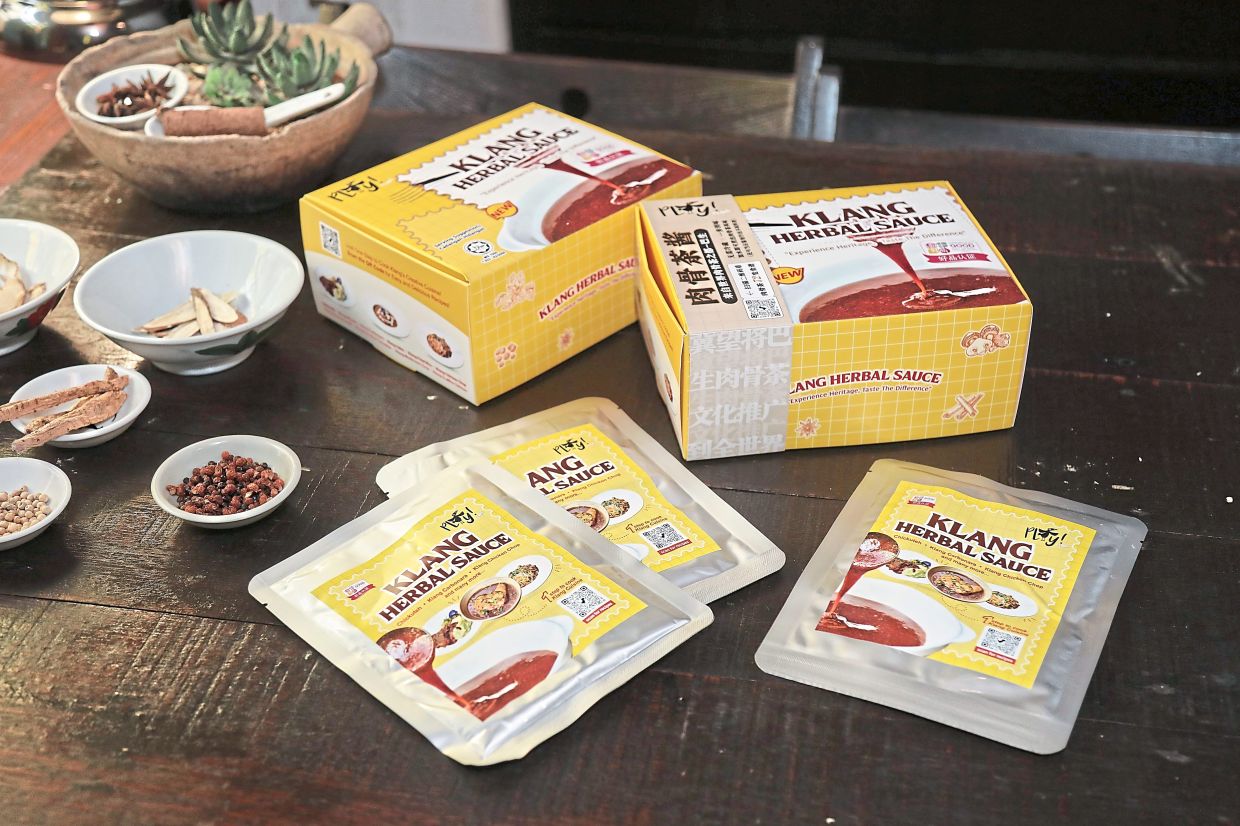
By using ingredients such as angelica root, star anise, goji berries and American ginseng, and avoiding meat extracts, Yaw has ensured the sauce is internationally appealing and reflects Klang’s history.
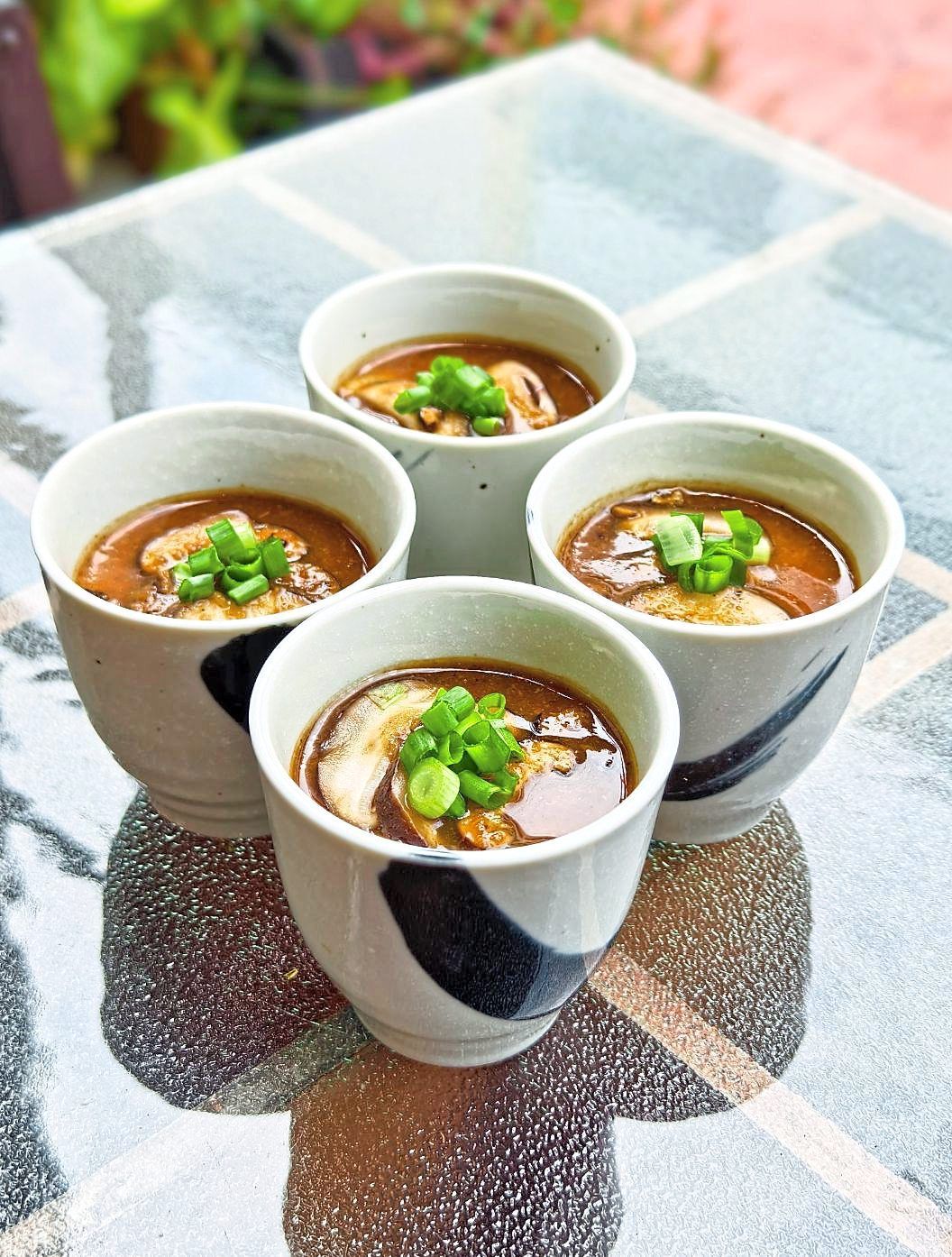
“Customers can either prepare it as a sauce or add water and savour it as a soup,” he said.
Preserving traditional recipe
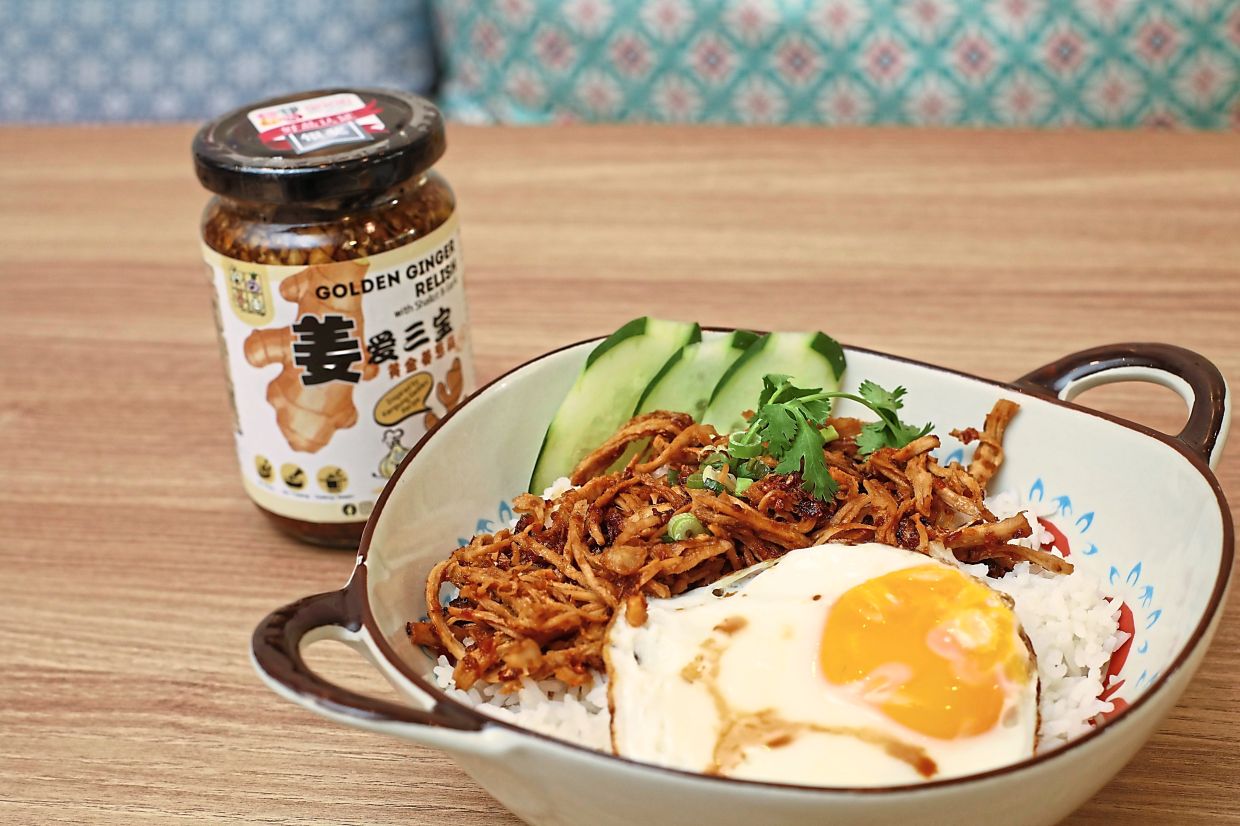
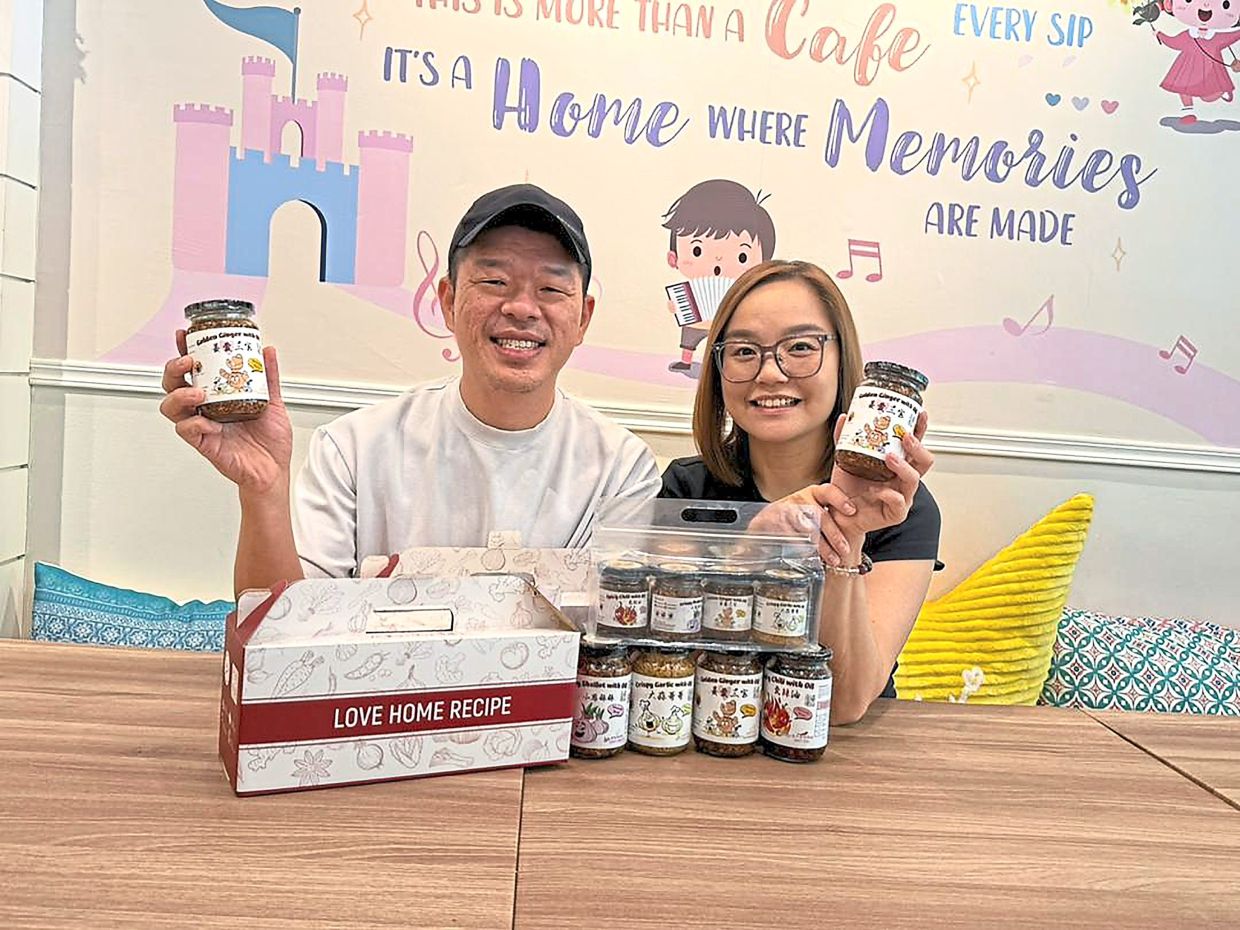
Golden Ginger Relish from Kampung Rangkaian Ladang Geddes A in Jempol, Negri Sembilan took home the competition’s Silver Award.
Eden Tee and Vyonne Foo, the couple behind the relish, explained that it was a beloved staple in their village that lacked a standardised recipe.
“We realised that if we did not preserve it, the recipe would fade away over generations,” said Tee.
This sparked the establishment of Love Home Recipe in 2020, producing a bottled version of the relish featuring Indian rose shallots, garlic and ginger – and 60 years of heritage.
The Covid-19 pandemic that year was further impetus, they said, as travel restrictions meant people could not return to the village for their “comfort food” fix.
Villagers enjoy using the condiment in a variety of ways.
“We often eat it with rice and every family in our village knows how to cook it,” said Tee.
He said the recipe originated from the first generation of villagers, believed to be descendants from Guangxi, China.
“The secret lies in controlling the heat.
“We hope that through this simple condiment, more people will get to know our village and its local flavours,” added Tee.
The company also offers other products such as Crispy Shallot in Oil, Spicy Chilli in Oil and Crispy Garlic in Oil.
Immortalising a legacy
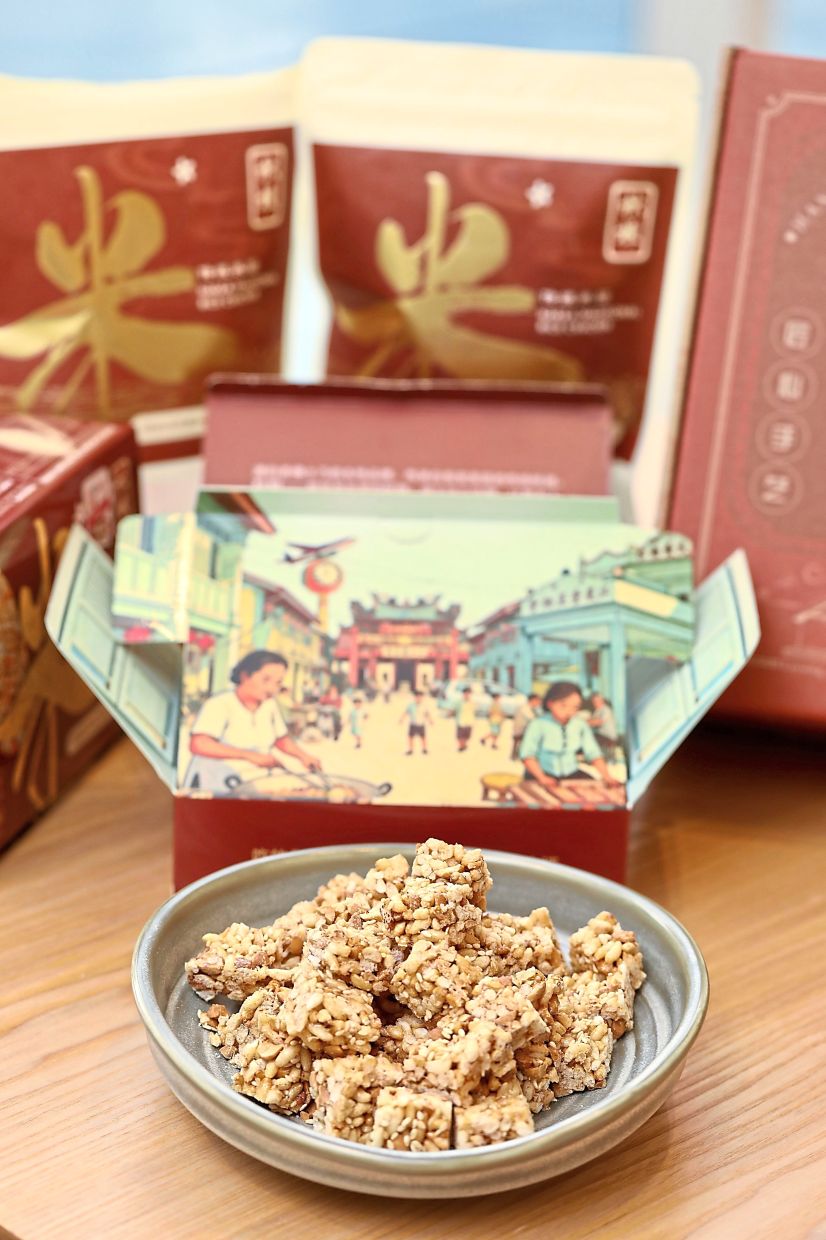
The Bronze Award went to Le Chew Hakka Traditional Rice Crackers from Kampung Baru Senai in Kulai, Johor.
For founder Wong Luh En, the snack is a tribute to his 97-year-old grandmother fondly known as “Chew Jie”.
Wong said his grandmother always prepared the crackers for the family during festive seasons.
“One day, I just decided to pick up the rolling pin and help her make rice crackers.
“Most families here knew how to make these rice crackers, but by the 2000s, many had stopped.
“It would be a waste if production ceased in our village.”
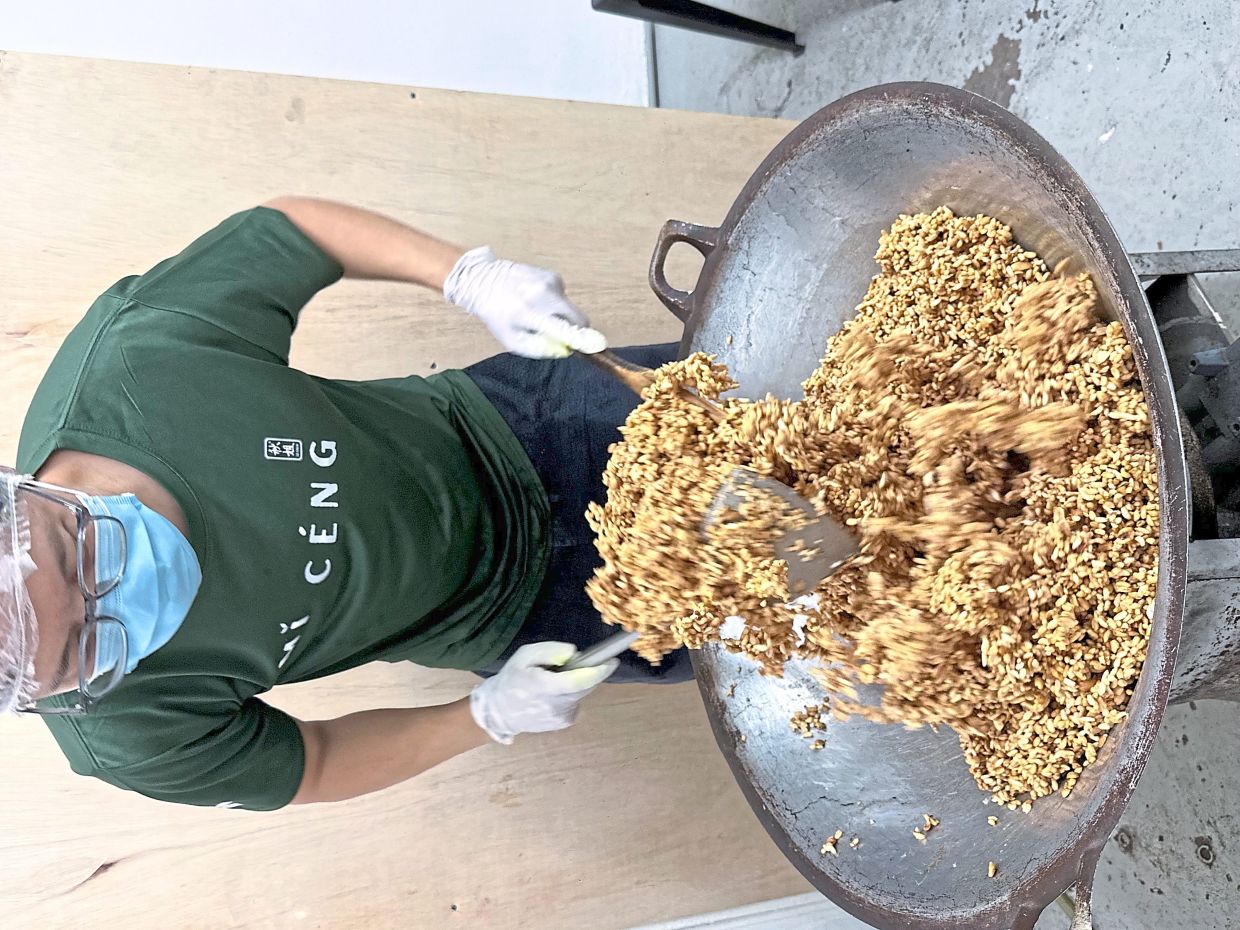
Wong started Le Confectionery Enterprise in 2009, making the rice cracker with roasted peanuts, sesame seeds and puffed brown rice.
Initially, production was low, but the company started making crackers for a restaurant in 2015 and then expanded in 2020.
Wong said the Kampung Good competition gave him a chance to refine his branding.
“We learned to redesign our packaging to reflect the heritage of Kampung Baru Senai, depicting a bygone era of people making crackers on their porches, the Wong Clan Association building and the occasional airplane flying overhead – a nod to the village’s proximity to Senai Airport.
“We hope that when village folk see our crackers, they will relive memories of their hometown, while outsiders can learn more about our humble home.”
The brand offers several types of snacks including Black and White Sesame Rice Crackers, Sea Salt Peanut Candy, Salted Cashews and Salted Almond Cranberries.
“Our rice crackers can be savoured in different ways, including dipping in a preferred beverage or crumbling them onto cereal,” Wong said, adding that future plans included developing flavours that represented Malaysia’s diverse ethnic groups.
Special mentions
The competition also presented special awards to celebrate the unique heritage of various locales.
Sungai Lembing Coconut Biscuit from Kampung Baru Sungai Lembing in Kuantan, Pahang, won the Best New Village Product Story Special Award.
Ginger Brew Tea from Kampung Baru Ulu Perting in Bentong, Pahang, won the Most Improved Product Award.
Meanwhile, Double Shrimp Crackers from Kampung Rangkaian Sungai Sendayan in Port Dickson, Negri Sembilan, secured a double win, taking home awards for Best Packaging and Design and Most Popular Product.
Each special award recipient walked away with RM3,000.