A RECYCLING programme in Kelantan, which transforms eggshells into organic fertiliser, champions environmental sustainability while providing a vital space for therapy, education, and community engagement.
The project run at Min House Camp in Kubang Kerian, Kota Baru, brings together children with Down syndrome, university students and international volunteers in a nature-based learning environment.
The programme run by Kelantan Down Syndrome Association illustrates how small, simple ideas can deliver meaningful benefits for both people and the planet.
Association president Wan Noriah Wan Ramli, who also owns Min House Camp, said the initiative was now in its 10th year and registered with the Social Welfare Department.
The programme received the Down Syndrome Empowerment Fund for 2026, she said, with a central focus on producing organic fertiliser and compost from natural materials.
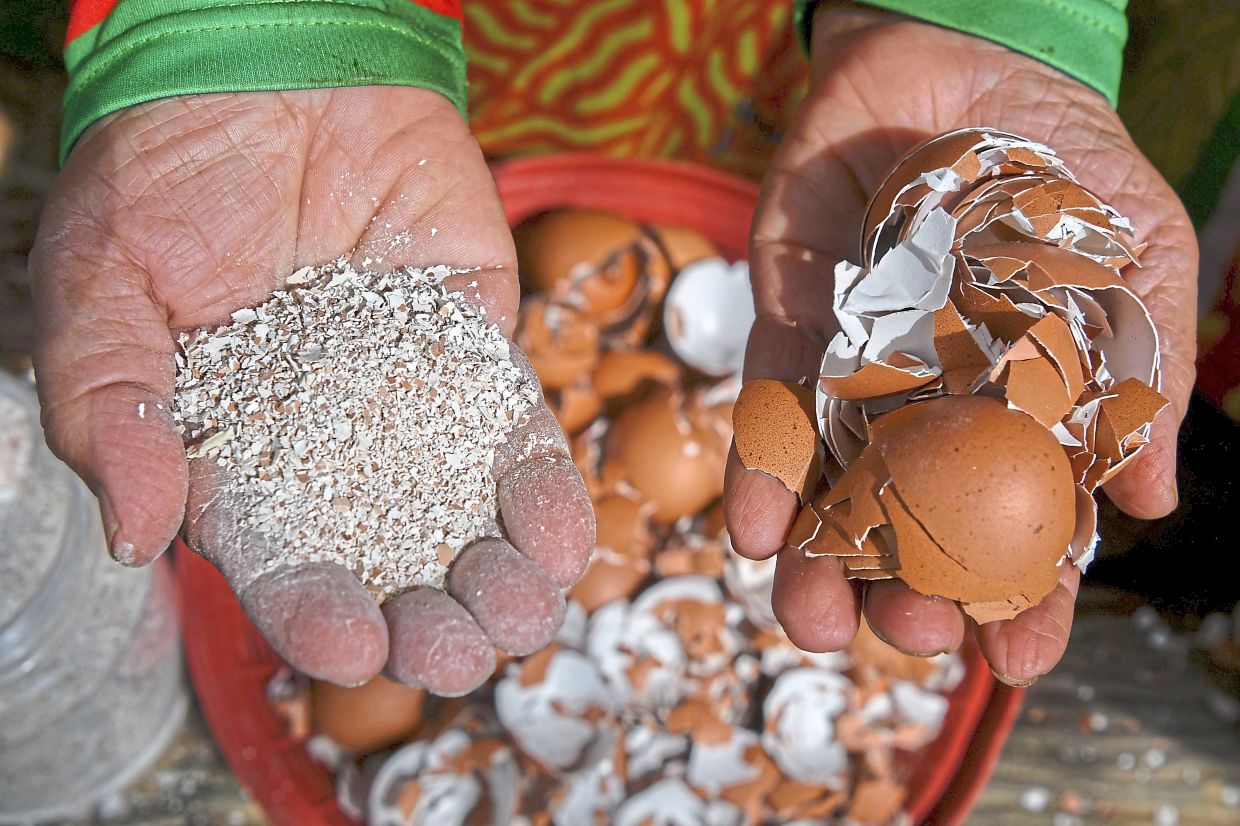
“Eggshells are one of the main materials used.
“They are often thrown away, yet their calcium content is highly beneficial for soil fertility and plant growth,” she said in a Bernama report.
To support the initiative, Min House Camp collaborates with several schools in Kota Baru including SJK (C) Peir Chih and SK Kedai Piah, which collect and donate eggshells for composting.
Wan Noriah noted that the activity also helped children with Down syndrome develop fine motor skills through crushing and grinding the shells.
“This practice can easily be continued at home.
“The initiative helps raise awareness about valuing resources that are often seen as waste,” she said.
The programme also receives support from students at higher education institutions such as Universiti Malaysia Kelantan and Politeknik Kota Baru.
The students, who are pursuing disciplines such as agriculture, environmental studies and tourism, take turns providing community service at the site.
Min House Camp is registered as an agro-tourism destination under Agriculture and Food Security Ministry.
To date, more than 1,100kg of eggshells have been collected from schools, private homes, restaurants and hotels, most of which are dried before use.
“This initiative is not intended to generate profit as we do not sell the fertiliser or crops grown.
“Instead, we practise knowledge and resource sharing to educate the community on cost savings, environmental care and harmonious living,” said Wan Noriah.
She added that through the Community Seed Resort Initiative, the sharing of organic seeds and recycling practices helped build a more resilient community, making them less dependent on commercial resources.
Meanwhile, Moroccan volunteer Elias Azzakriti, 27, described his involvement as a new experience that broadened his understanding of environmental sustainability.
He said he was unaware that eggshells could be used as organic fertiliser, despite traditional lifestyles being common in his country.
Another volunteer, Anas Zehti, 26, explained that the crushed eggshells improved soil structure naturally.
He hopes to share this knowledge with communities abroad.