Johor Baru Chinese Heritage Museum in Jalan Ibrahim has reopened after being closed since last June for upgrades.
Improvements include installation of a lift to improve accessibility for the elderly and those with mobility issues, and better air-conditioning system, said museum manager Lee Sui Seng.
“We also renovated the fifth floor, which has been turned into a cafe,” he told StarMetro.
The museum reopened on Dec 27 but the cafe is only expected to begin operations within the next couple of months.
“The cafe will offer visitors a comfortable place to enjoy food and beverages with views of the Straits of Johor and iconic structures like Johor Causeway and Bangunan Sultan Ibrahim on Bukit Timbalan,” he added.
The museum now utilises all five floors of the pre-war shophouse.
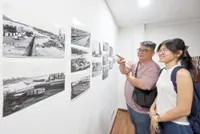
“There are rare artefacts on display, including old photographs, trade receipts, identification documents, coins, British ration cards, old currencies and antique cameras.
“In conjunction with Visit Malaysia 2026 and Visit Johor 2026, I hope more people will take the opportunity to visit the museum and learn about our rich history so it will not fade away,” said Lee.
He said the museum had seen local and international visitors, and a growing number of school groups.
“More schools, both private and public, are organising study visits here as there is now greater emphasis on exposing students to the cultural heritage of different communities,” he said.
He added that the museum was often included in group visits to nearby Johor Heritage Foundation complex.
The museum’s permanent exhibition spans four floors, tracing the history of the Chinese community in Johor Baru from 1884 to the present day.
The ground floor focuses on the early arrival of Chinese migrants in the 1800s and their contributions to the city’s development as well as the Johor sultanate’s long-standing ties with the Chinese community.
The second floor highlights the 18th and 19th century pepper and gambier industries, once the mainstay of Johor’s economy, along with other traditional trades and the role of the Ngee Heng Kongsi in maintaining order among the Chinese community at the time.
The third floor showcases the five main Chinese dialect associations in Johor Baru – Hokkien, Cantonese, Teochew, Hakka and Hainan – and features an extensive section on the century-old Chingay parade, as well as life during the Japanese Occupation and post-independence period.
The fourth floor serves as a rotating thematic space, with the current exhibition commemorating the 100th anniversary of Johor Baru Tiong-Hua Association.
Yvonne Ho, who was on holiday with her husband, said the museum was a deliberate stop in their itinerary.
“We first learned about gambier at an exhibition back in Sarawak.
“Our guide recommended this museum, so we decided to include it in our travel plans.
“It is interesting to see how much the Chinese community has contributed to Johor, and how important pepper and gambier cultivation was to the state’s development,” said the 33-year-old auditor.
Her husband, Lai TK, also 33, said he was particularly interested in learning about the state’s royal history.
“If we had not visited, we would not have known that the Johor sultanate shared such close ties with the Chinese community.”
Lai added that Johor Baru was the first stop on their five-day trip that also included Singapore and Melaka, focusing on historical sites and cultural performances.
Entry to the museum costs RM6 for adults, and RM3 for children, students and senior citizens aged 55 and above.
Groups and associations enjoy a special rate of RM4 per person subject to appointments made at least a week in advance.
Free admission for persons with disabilities and children four years old or younger.
Lee said the entry fee contributed to maintenance of the museum.
For details, call 07-213 4080.