
THE Kuala Lumpur Solid Waste Transfer Station near Middle Ring Road 2 (MRR2) has come under scrutiny following operational disruptions that raised concerns over capacity, maintenance and oversight.
For the past two weeks, waste operator Alam Flora Sdn Bhd (Alam Flora) and its contractors had to divert rubbish directly to the Bukit Tagar landfill, some 60km away, disrupting collection schedules across the city.
StarMetro found that from Dec 31 until Jan 10, all waste collected in Kuala Lumpur was sent straight to the landfill.
Since then, waste collection reduced to about 50% as partial operations resumed at the transfer station.
However, sources said the situation remained fragile and could deteriorate if unresolved.
The disruption has revived memories of a similar failure in 2013, when about 250 tonnes of rubbish was dumped along the MRR2 due to maintenance problems at the same transfer station.
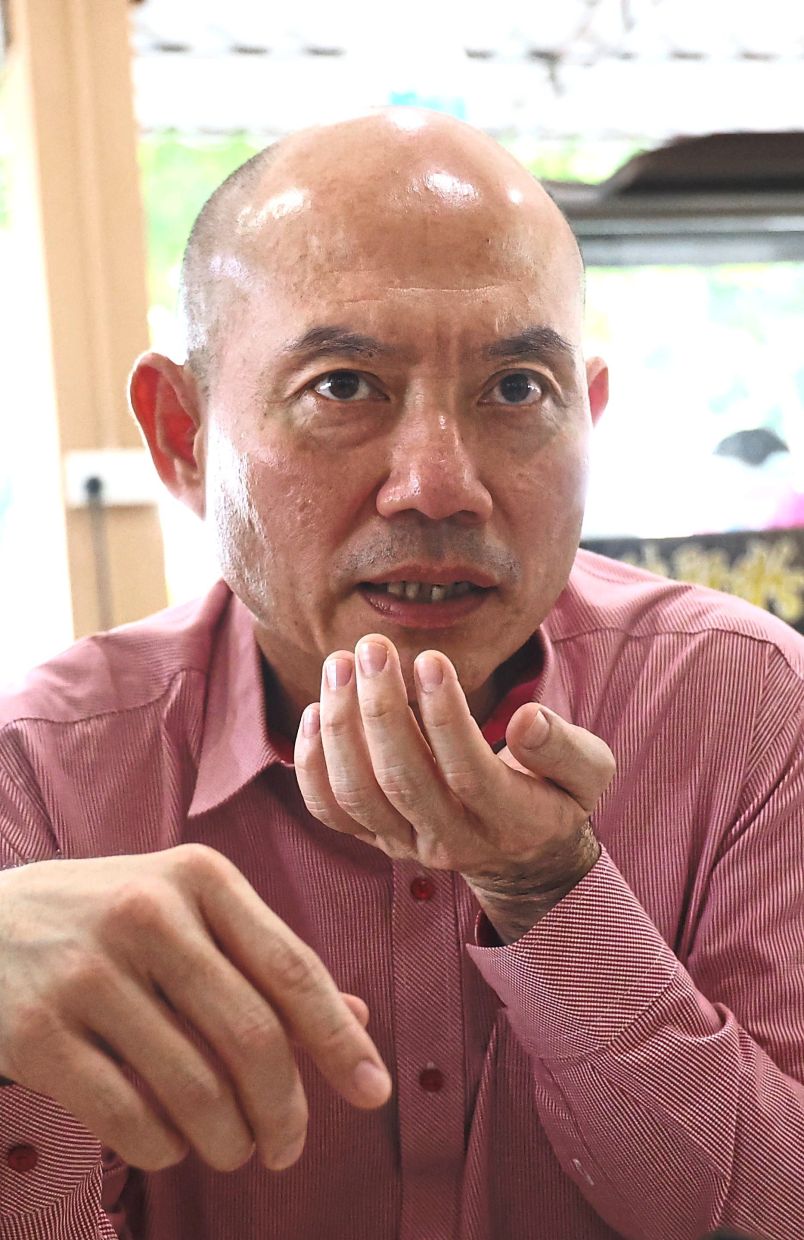
Kepong MP Lim Lip Eng said his office has been inundated with complaints.
“The situation on the ground shows the direct impact of disruptions at the transfer station, with rubbish piling up in several parts of Kuala Lumpur, particularly in Kepong and Jinjang.”
“With lorries unable to unload waste and collection schedules thrown off, bags of household rubbish and bulky waste have been left along roadsides and pavements, overwhelming routine collection points,” he said.
Community activist Yee Poh Ping described the situation as a “rubbish crisis.”
He said residents complained that the stench of uncollected rubbish made them feel unwell.
“The station normally handles up to 2,700 tonnes of waste a day.
“Rubbish is unloaded, compacted and treated there before being sent to landfill.
“In the past weeks, lorries were seen queueing for hours, unable to unload the waste and contractors were told to bypass the transfer station entirely,” he added.
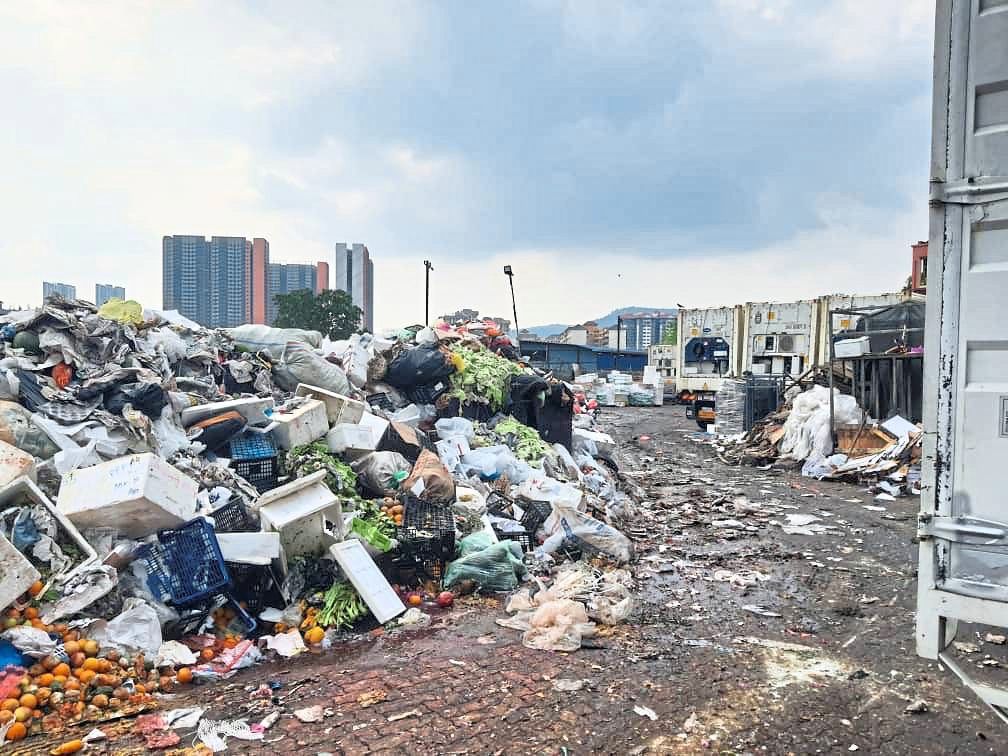
Yee also raised concerns over leachate management, a key part of the station’s role.
“It was reported that more than 120m³ of leachate is collected daily.
“This step is critical to prevent polluted liquid from dripping onto public roads.
“When waste is sent straight to landfill without passing through the transfer station, the question is how leachate is being managed, as untreated leachate poses environmental and public health risks,” he said, adding that the public deserved an explanation.
A senior Kuala Lumpur City Hall (DBKl) officer said the local authority had also received numerous complaints on this matter.
“With limited capacity, Alam Flora was forced to make repeated long-haul trips, stretching its resources.
“Collections in Kuala Lumpur were pushed into late evenings and nights, when operations are more challenging.
“Narrow internal roads, double-parked vehicles and heavier traffic made night collections difficult.”
The DBKL officer added that the matter fell under the jurisdiction of the Solid Waste and Public Cleansing Management Corporation (SWCorp), which had appointed the contractor operating the transfer station.
He said the worst-hit area was Pusat Bandar Utara, a high-density zone that generated large volumes of waste daily – a zone where even short delays quickly escalated into visible problems.
The disruption also led to waste being dumped into communal bins in nearby commercial areas, overwhelming facilities meant for routine use.
During a visit by StarMetro, rubbish lorries packed to the brim were seen queueing for hours to offload waste at the transfer station for compacting.
Sources said the delays were likely linked to a compactor malfunction – a situation similar to the 2013 crisis, when all three compactors at the transfer station broke down.
The station, which has been in operation since April 2002, is owned by the Housing and Local Government Ministry. Its operations are monitored by SWCorp and managed by an appointed contractor.
In 2013, then-operator Umpan Jaya Sdn Bhd faced serious operational failures, resulting in rubbish piling up and illegal dumping along the MRR2.
Following the termination of Umpan Jaya’s contract, operations were handed over to Alam Flora Environmental Solutions, which ran the facility until June 2023.
The contract was then awarded to the current operator Bumi Segar Indah Sdn Bhd.
When contacted, a spokesperson for Bumi Segar acknowledged operational issues but claimed that rubbish left along roadsides has since been cleared.
However, the spokesperson declined to elaborate.
National Solid Waste Management Department told StarMetro that it will issue a statement on the matter later.