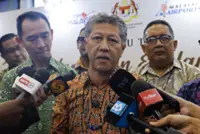
PENANG is ready to seize the spotlight as Visit Malaysia 2026 (VM2026) and Malaysia Medical Tourism Year kick off, leaning on its diverse attractions and proven capacity to draw record crowds.

He said rising costs in destinations such as Singapore, along with challenges in some neighbouring markets, had narrowed travel options for regional travellers.
“This makes Malaysia and Penang, in particular, more attractive for its value for money, stability and cultural diversity,” said Ch’ng.
“To encourage longer stays and higher spending, Penang needs more well-designed thematic programmes and curated travel routes tailored to different segments, such as young travellers, couples, families and multi-generational groups.”
He noted that Penang was already making strides in this area, pointing to immersive attractions such as Entopia by Penang Butterfly Farm and the cultural and historical storytelling of Umi Umi Penang, the state’s first dining theatre experience.
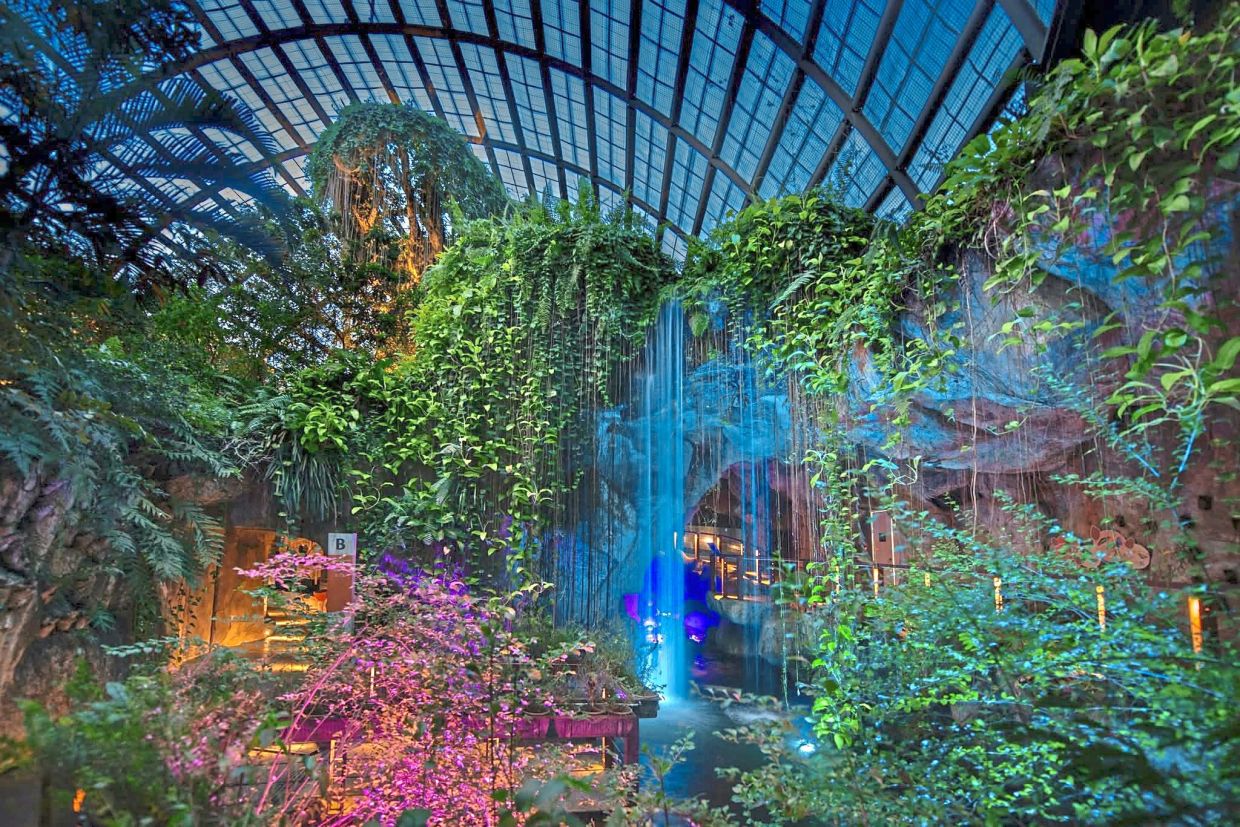
“Entopia is no longer just an insect park. It now offers guided, hands-on educational experiences, dining in the park with special effects, and even overnight camping under the stars surrounded by nocturnal insects and plants,” said Ch’ng.
“Towards the end of last year, we also saw new high-standard theatrical dining concepts such as Umi Umi, while another immersive Chinese New Year experience by D Project is coming next month.
“It will be called Feast of Blossom and will feature projection art, storytelling, live performances and a seven-course meal inspired by traditional Chinese culture and blessings.”
He said these concepts, new to Penang, showed how the state was adapting, evolving and competing with global expectations.
Ch’ng said the offerings must be properly packaged through close collaboration between the government, private sector and local communities.
“Local enterprises should also be supported to repackage and reposition existing attractions into market-ready products, while the government plays a strategic role in setting realistic targets, providing support and acting as an investor where needed,” he said.

“With early planning, stronger collaboration, and a sharper focus on product innovation, Penang’s attractions sector is poised to translate VM2026 into tangible gains, increasing not just visitor numbers, but also length of stay and overall spending.”
Ch’ng pointed to Singapore’s long-term event scheduling as a benchmark, warning that last-minute decisions often result in Penang losing out to better- prepared destinations.
“Tourism calendars, events and programmes must be finalised and promoted well in advance to allow travellers to plan itineraries and secure affordable flights and accommodation.
“We must also introduce more fresh and immersive attractions to complement Penang’s established offerings.
“These include night-time activities, eco-tourism, cultural and rural experiences that extend beyond the island to the mainland,” he noted.
Ch’ng said these could include experiences that allow visitors to engage with village life and river communities, as well as new nature-based activities such as guided night jungle treks and camping experiences at Penang Hill.

Tourism bundle
Malaysian Association of Hotels Penang chapter chairman Datuk Tony Goh said Penang’s hotel and tourism sector should see stronger growth this year, driven by VM2026 and the continued expansion of direct international air links into the state.
He said the national tourism target of a 25% improvement in performance compared with 2025, combined with better air connectivity, provided a clear platform for higher visitor arrivals next year.
“More direct international flights will translate into longer average stays rather than just higher arrival numbers – a key priority for hotels and tourism operators,” added Goh.
“To sustain momentum throughout this year, there is a need for more targeted and better-funded overseas promotions, particularly in regional and long-haul markets that have shown stronger spending patterns.
“Past growth, which was closely linked to improved international marketing efforts, should be built upon rather than diluted.”
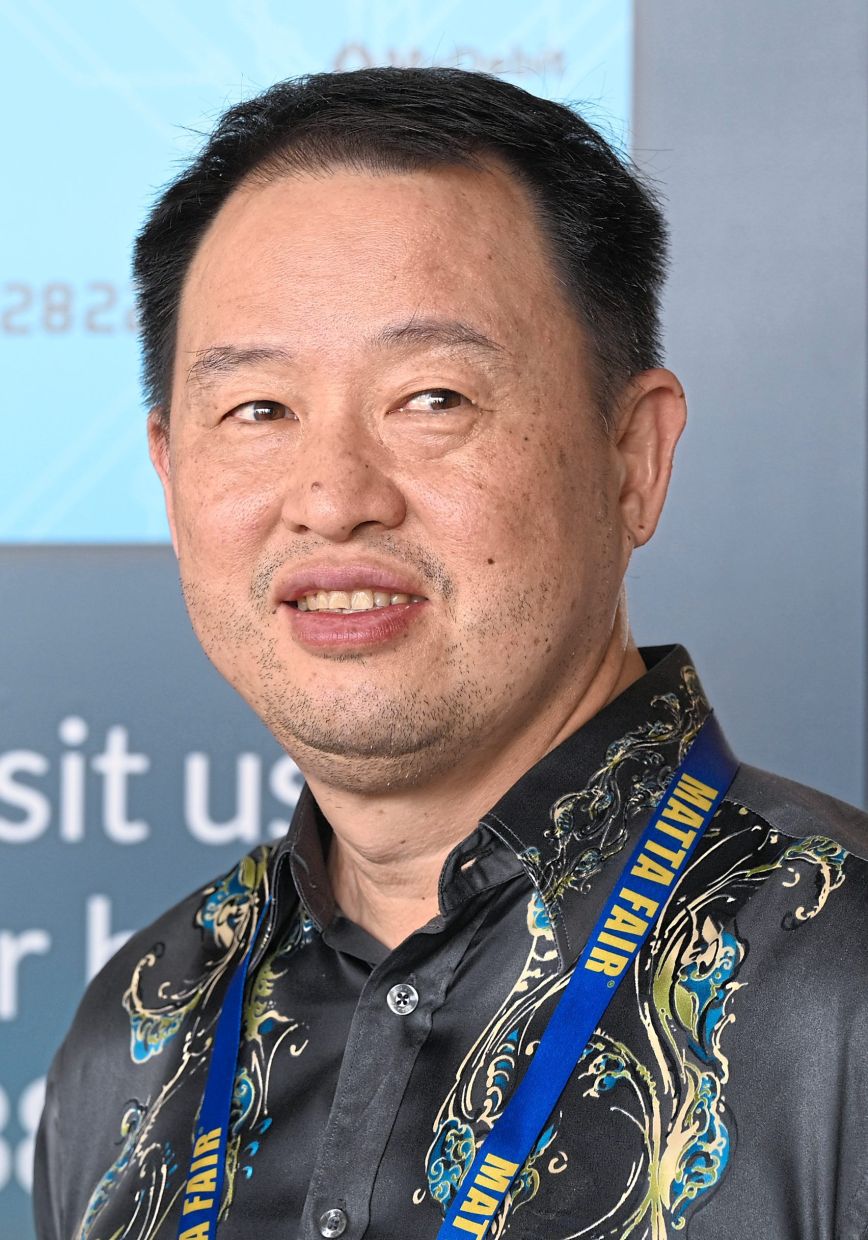
He said closer collaboration with airlines will support direct routes into Penang, adding that there should also be stronger engagement with travel trade partners and more aggressive digital marketing to reach younger and independent travellers.
Goh said encouraging visitors to stay longer and spend more would require coordinated action across the tourism value chain.
He pointed to value-added initiatives such as bundled accommodation, attraction tickets and dining experiences, which had already proven effective in extending visitor stays.
“Similar incentive-driven packages could be expanded this year, with a stronger push to draw travellers beyond the usual hotspots and spread tourism more evenly across the state,” said Goh.
“Penang Global Tourism has been actively promoting new attractions on the mainland, not just the traditional spots on the island.
“They should continue to invest efforts in these hidden gems, beyond George Town and Batu Ferringhi. The recent collaboration with Think City to promote Seberang Perai should also continue.”
Goh said Penang’s strength lay in its diverse niches, from meetings, incentives, conferences and exhibitions (MICE) and medical tourism to cruise and durian-themed experiences.
He pointed to proven successes like durian-stay packages, which previously boosted occupancy by up to 5%, and proposed new measures such as tourist loyalty cards offering discounts on dining, shopping and perks at selected attractions.
“Such initiatives would help ensure that tourism growth in 2026 delivers measurable benefits across Penang’s broader tourism ecosystem,” he said.
Penang Tourist Guides Association president Clement Liang said the state definitely punched above its weight in terms of offerings and appeal.
“Despite its compact size, Penang has always been a top destination due to its great culinary offerings, rich multicultural society and historic sites.
“The expected influx of tourists for VM2026 is not only an opportunity for local businesses, but also for locals seeking employment,” he said.
“There will be a need for more manpower in the food, hospitality, tourism and service sectors.”
He also called for tourism industry players to continue featuring more interesting products to keep visitors engaged and yearning for more.
“They could be shows based on local culture, hands-on cooking and handicraft workshops or even excursions to the mainland, rural and nature parts of Penang that allow visitors to explore lesser-known sights,” said Liang.
Early preparation
By leveraging expanded air connectivity and new attractions alongside improved facilities and community involvement, Penang is paving the way for a high-value tourism model that delivers wider economic benefits.
Penang tourism and creative economy committee chairman Wong Hon Wai said this optimism was not incidental, as preparations for VM2026 began two years ago.
“There was a deliberate focus on improving international connectivity, a strategy that paid off with the establishment of new direct flights from several international carriers in recent months,” he said.
Flydubai (Dubai-Penang), Juneyao Air (Shanghai-Penang) and HK Express (Hong Kong-Penang) all made their inagural forays into Malaysia, increasing Penang International Airport’s (PIA) direct routes to 22 cities across South-East Asia, China, India and the Middle East.
Wong said the number would increase this year. New routes announced for the first quarter include AirAsia’s Phuket-Penang service and Spring Airlines’ flights from Guangzhou and Shanghai.
“The state is also in discussions with airlines in China to connect Penang with cities in their southwest, eastern and northeastern regions,” he said.
“We’re also exploring fly-through arrangements with Kuala Lumpur International Airport (KLIA) to improve connectivity.”
Wong said existing services had also been expanded. China Southern Airlines, for instance, has increased its Guangzhou-Penang daily service from one flight to three.
“These consistent efforts have seen PIA emerge as the second busiest airport in Malaysia, after KLIA, in terms of aircraft movements,” Wong said, pointing to the 2024 figure of 64,507 aircraft movements.
Looking ahead, he said the state government was adopting a multi-pronged strategy to ensure the increased travel numbers would translate into higher spending and longer stays.
“Signature events have been strengthened to raise Penang’s international profile,” said Wong.
“The Penang Bridge International Marathon and Penang International Dragon Boat Regatta continue to attract greater overseas participation and reinforce our presence on the global events calendar.
“Equally important is the push to diversify tourism beyond George Town.
“New experiences such as durian tourism in Balik Pulau and river cruises in Seberang Perai have spread economic benefits more widely across the state.”
He said the aim was not to merely increase arrivals, but also increase per-visitor spending, length of stay and overall impact – reinforcing Penang’s position as a premium, experience-led destination.
Wong added that new infrastructure and facilities had also given the state a shot in the arm.
The recently opened Penang Waterfront Convention Centre has significantly enhanced its MICE capacity, while the Lin Xiang Xiong Art Gallery bolsters an already vibrant arts landscape.
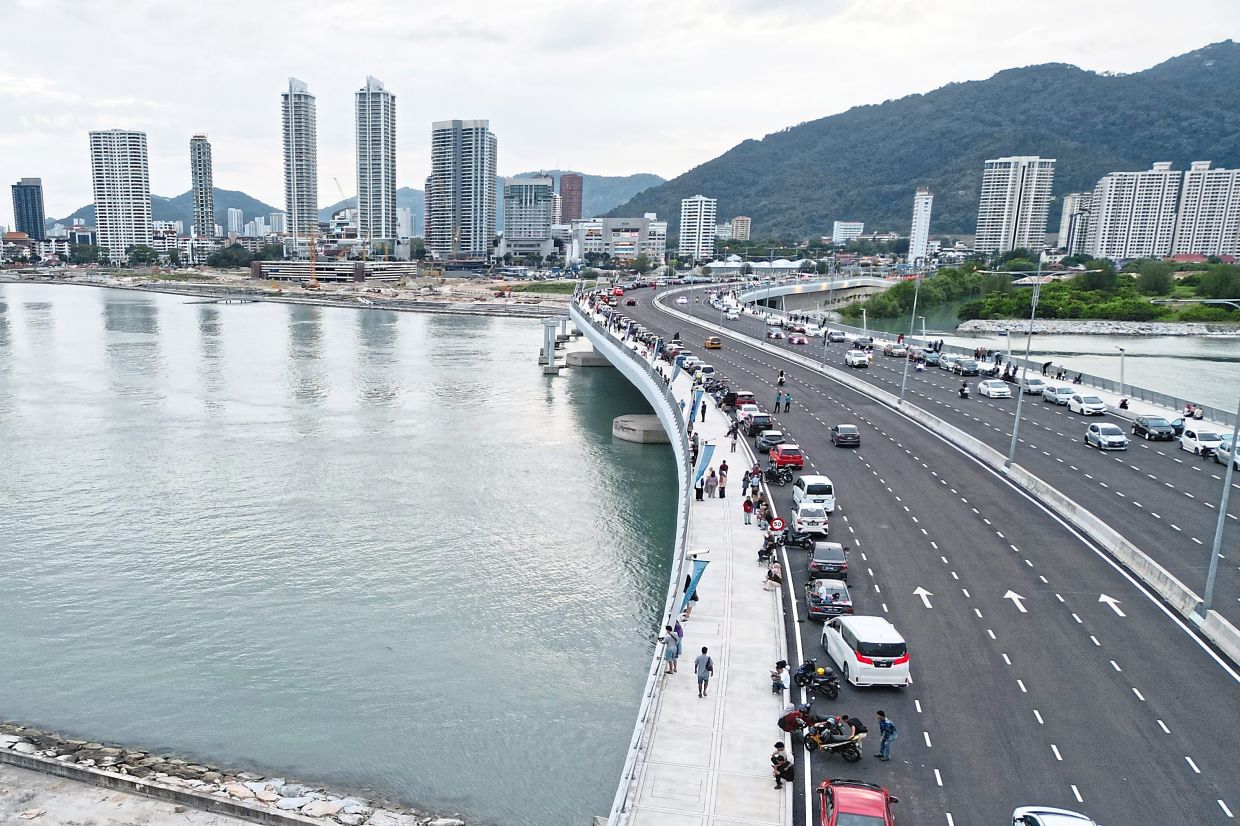
The opening of the Andaman Island-Gurney Bridge has also afforded visitors new panoramic coastal views that were previously only possible by boat.
Wong said local communities and businesses stood to benefit from domestic and international visitors spending more on creative experiences, dining, heritage tours and lifestyle attractions.
“The demand for cultural and creative tourism products creates opportunities for local artisans and operators.
“Events, medical and MICE tourism generate ancillary demand for the food, transport, retail and service sectors.
“VM2026 will amplify these opportunities, allowing stakeholders to capture higher economic value from tourism growth,” added Wong.
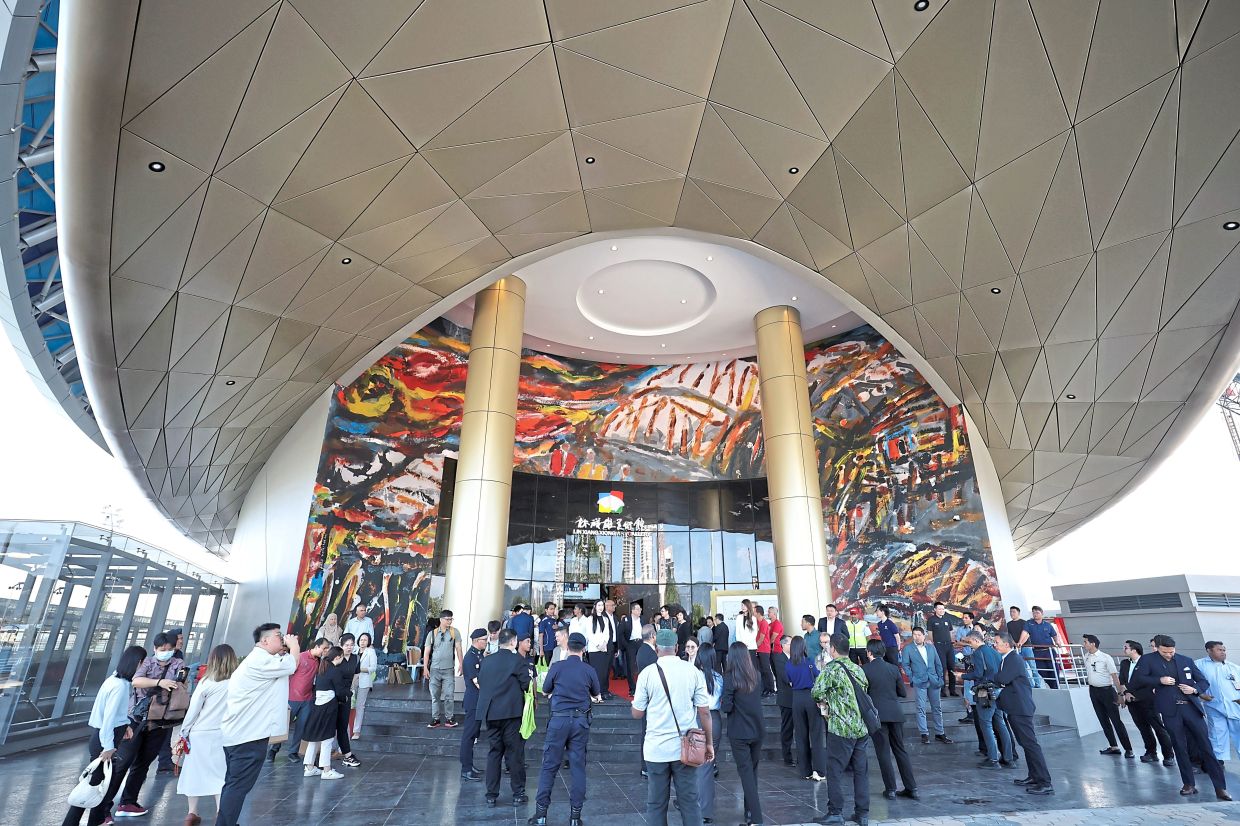


The Lin Xiang Xiong Art Gallery, which opened last month, will bolster an already vibrant arts landscape in the state. — Filepic
Entopia by Penang Butterfly Farm is a place that offers an immersive attraction, such as its Biofluorescent Garden that is touted as the world’s first. — Courtesy photo
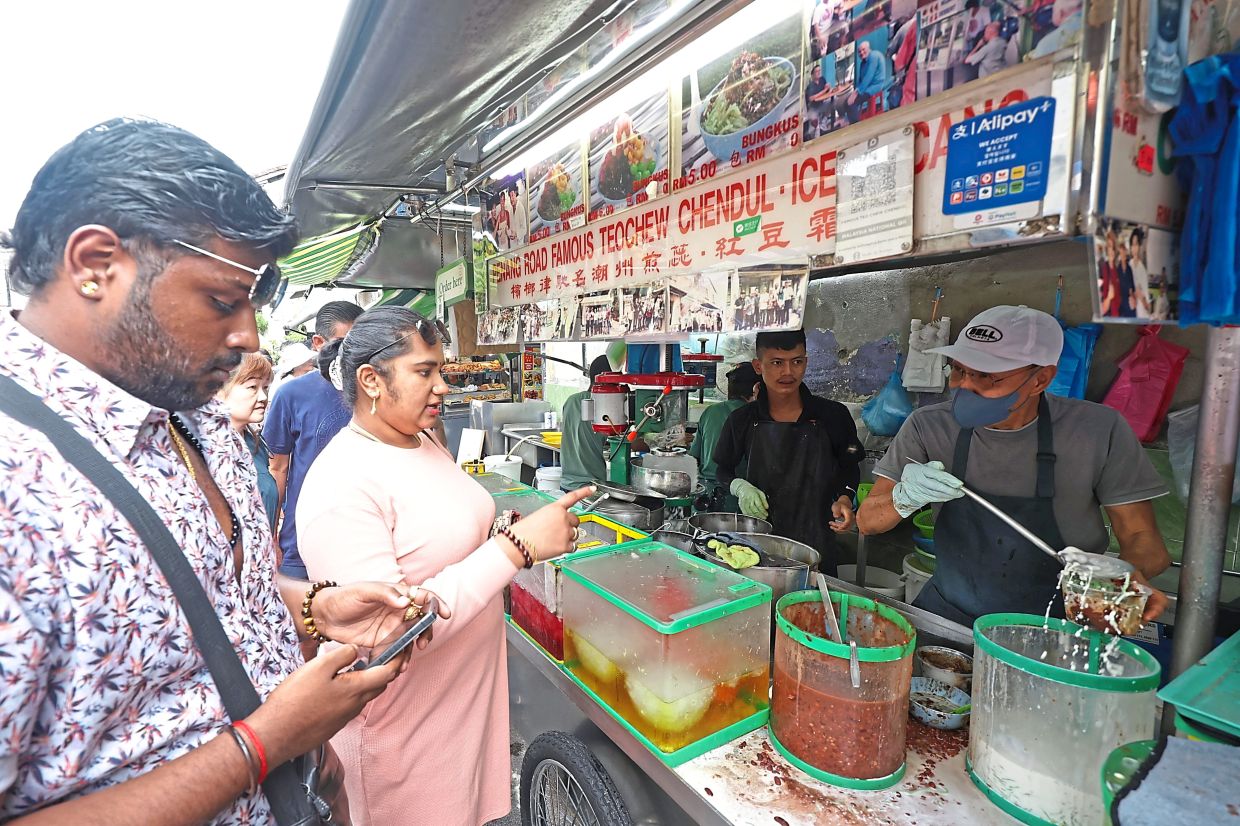
Penang is a top travel destination due to its great culinary offerings, as seen with this group of tourists sampling food during an event in Armenian Park last year.
Goh says Penang’s hotel and tourism sector should see stronger growth in 2026.
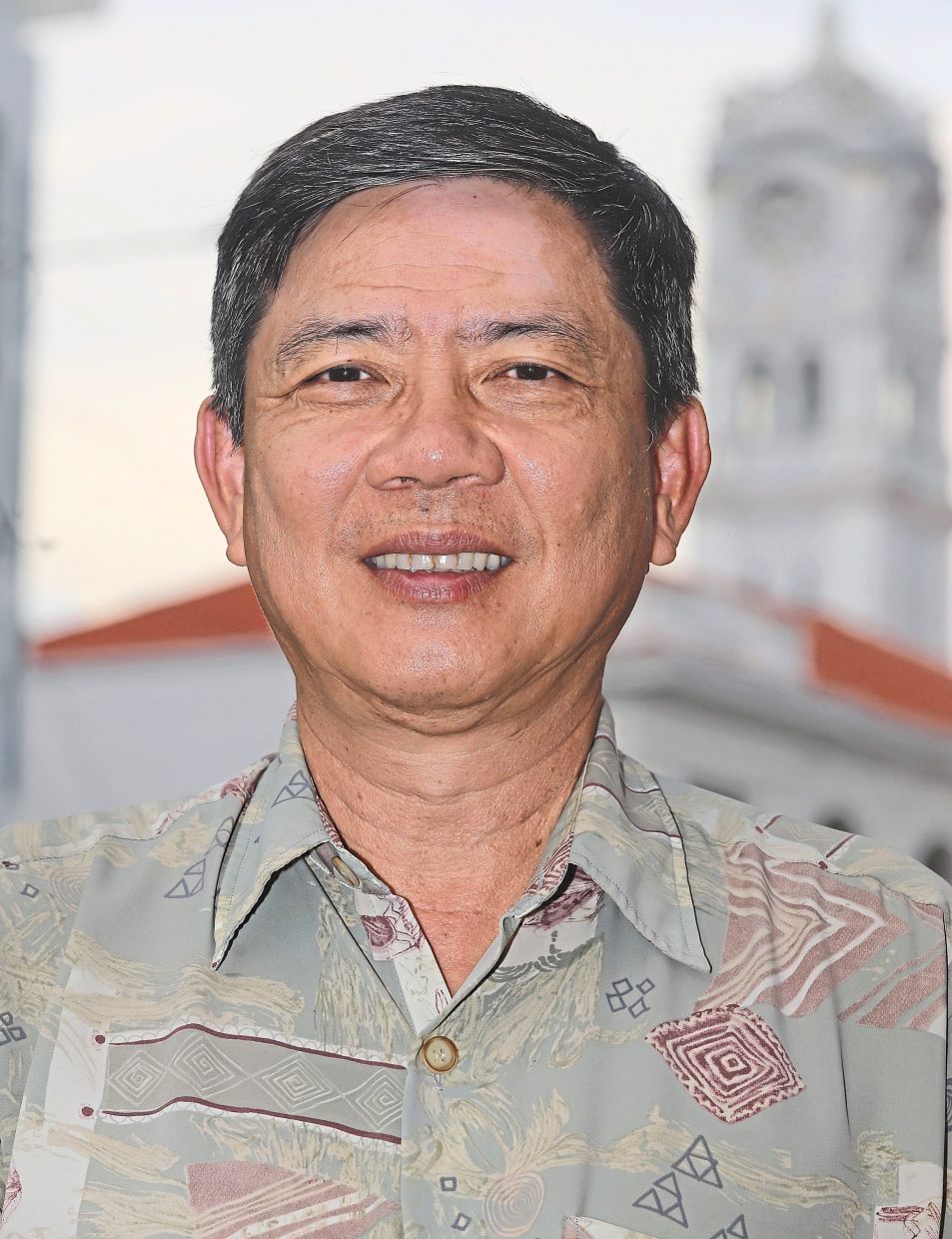
Ch’ng: Tourism offerings must be properly packaged through close collaboration between stakeholders.
Liang: Tourism industry players should continue featuring more interesting products.
Wong says equally important is the push to diversify tourism beyond George Town.
Visitors lining up for the popular Teochew cendol and ice kacang in Penang Road.
A newly constructed bridge that connects Gurney Drive to Andaman Island is quickly becoming a popular spot for both locals and tourists to enjoy panoramic coastal views.
Industry players say fresh experiences, such as those that allow visitors to engage with village life, should be introduced to complement Penang’s established offerings.