A LOCAL initiative aims to create change-makers, training Malaysia’s youth towards spearheading plastic reduction projects and assisting local councils in developing action plans to curb pollution.
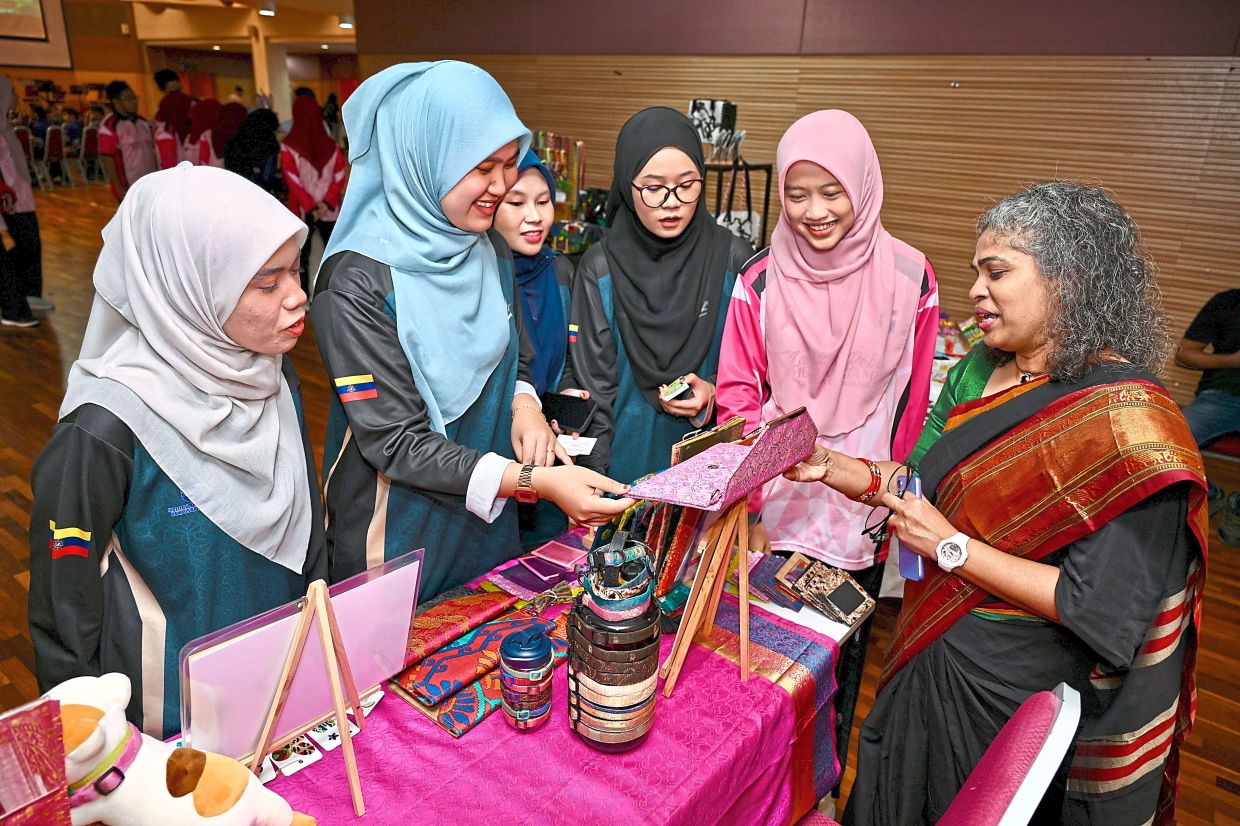
The launch, held at Institut Pendidikan Guru (IPG) Kampus Bahasa Melayu in Kuala Lumpur, highlighted the urgency based on Malaysia’s waste numbers.
According to a 2020 WWF-Malaysia report, Malaysia generates an estimated 1.07 million tonnes of post-consumer plastic waste each year.
WWF-Malaysia senior conservation director Dr Henry Chan said the programme would provide youth with the tools, platforms and partnerships needed to turn environmental concerns into meaningful action.
“A lot of single-use plastic ends up in the ocean through drains.
“It is also harmful to sea life. Turtles, for instance, mistake plastic for jellyfish,” he said.
He added that when plastic enters the sea, it breaks down into microplastics that are consumed by small fish, which then enter the human food chain.
“Humans consume these fish and research shows that we could be ingesting about 5g of plastic a week – roughly the size of a credit card.”
The project, supported by the Hasanah Special Grant in collaboration with the Finance Ministry, focuses on four themes: the impact of single-use plastics on the urban environment; the link between pollution, climate change and health; a shift towards more sustainable lifestyles; and the role of youth leadership in strengthening efforts towards environmental sustainability.
Yayasan Hasanah trustee and managing director Siti Kamariah Ahmad Subki said the collaboration would see WWF-Malaysia working directly within governance structures to build capacity.
“As an impact-based foundation, we believe lasting change is anchored in sustainability, with scalability as a key factor in ensuring wider adoption.
“Through the development of a comprehensive Plastic Action (PACT) Toolkit, this initiative will empower local councils across Malaysia to replicate solutions,” she said.
She added that scalability was key to ensuring the impact extended beyond the Klang Valley.
IPG Kampus Bahasa Melayu deputy director Dr Ghazali Ismail said the campaign provided an avenue for students to learn about sustainability and hoped it would inspire other institutions of higher education to follow suit.
The launch also saw discussions, interactive workshops and various booths offering alternatives to single-use plastics.