
Petaling Jaya City Council (MBPJ) has unveiled its 2026 budget that serves to balance rising operational costs with long-term urban development goals.

The deficit budget estimates a shortfall of RM25.6mil, with RM496.14mil in revenue against expenditure of RM521.74mil – comprising RM411.26mil (operating expenditure) and RM110.48mil (development).
Petaling Jaya mayor Datuk Mohamad Zahri Samingon said this was a strategic decision to accommodate rising costs while ensuring continuity of services and development.
He added that MBPJ’s experience in managing deficit budgets in previous years had prepared the city council to face inflationary pressures, natural disasters and global challenges.
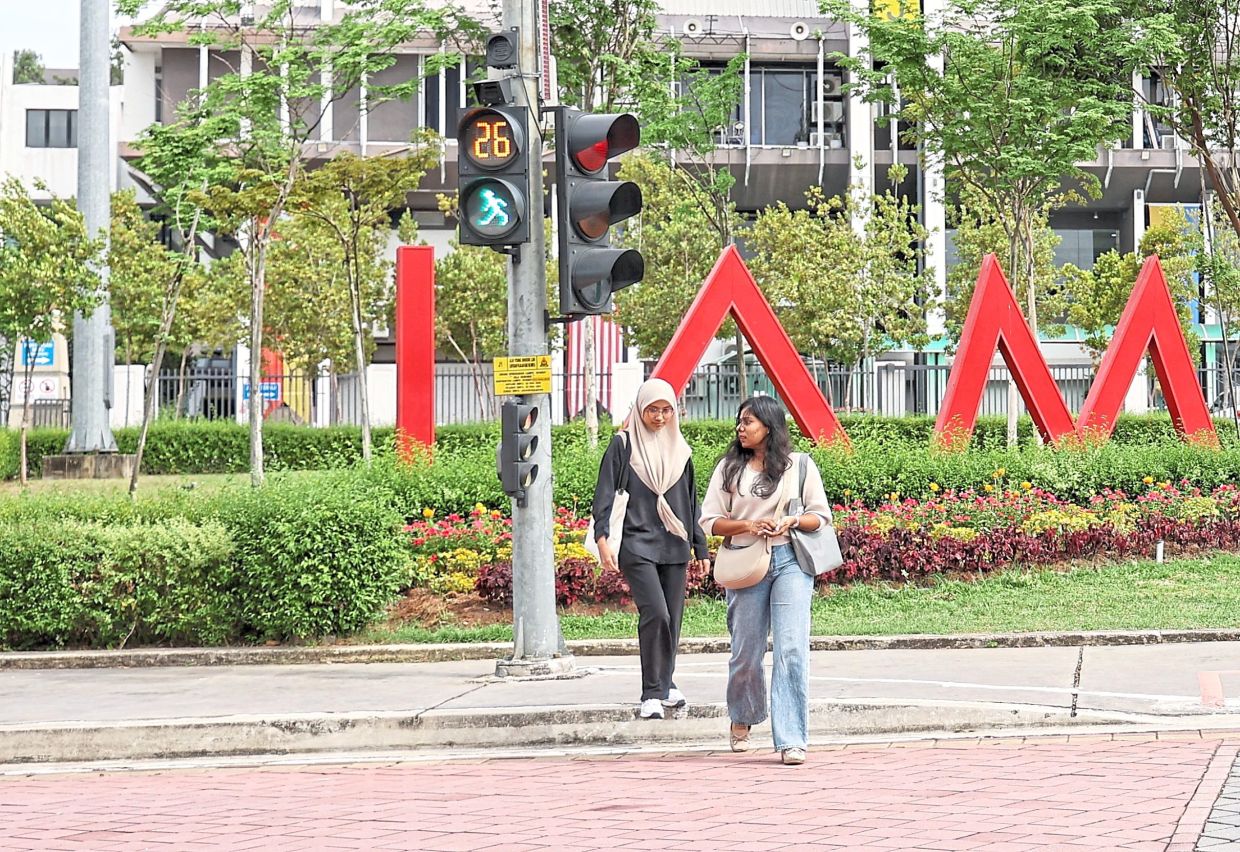
It has allocated 21% of total expenditure for development.
This includes upgrading facilities for the 2026 Malaysia Games (Sukma), improving hillslope infrastructure, drain maintenance, and upgrading lifts and air-conditioning systems in MBPJ-owned buildings.
As of last September, MBPJ’s workforce comprised 1,082 permanent staff, 769 contract staff, 62 contract-for-service staff and 56 part-time daily workers.
“The planning of projects will be based on priorities, financial risk management and strengthened cross-departmental cooperation,” Mohamad Zahri said.
Facilities for disabled
Keeping in mind the needs of persons with disabilities (OKU), MBPJ had previously installed ramps at public buildings, and made walkways accessible with the installation of tactile paving.
It also offers services such as the OKU Transit Van and PJ City Bus, in addition to having designated OKU parking bays.
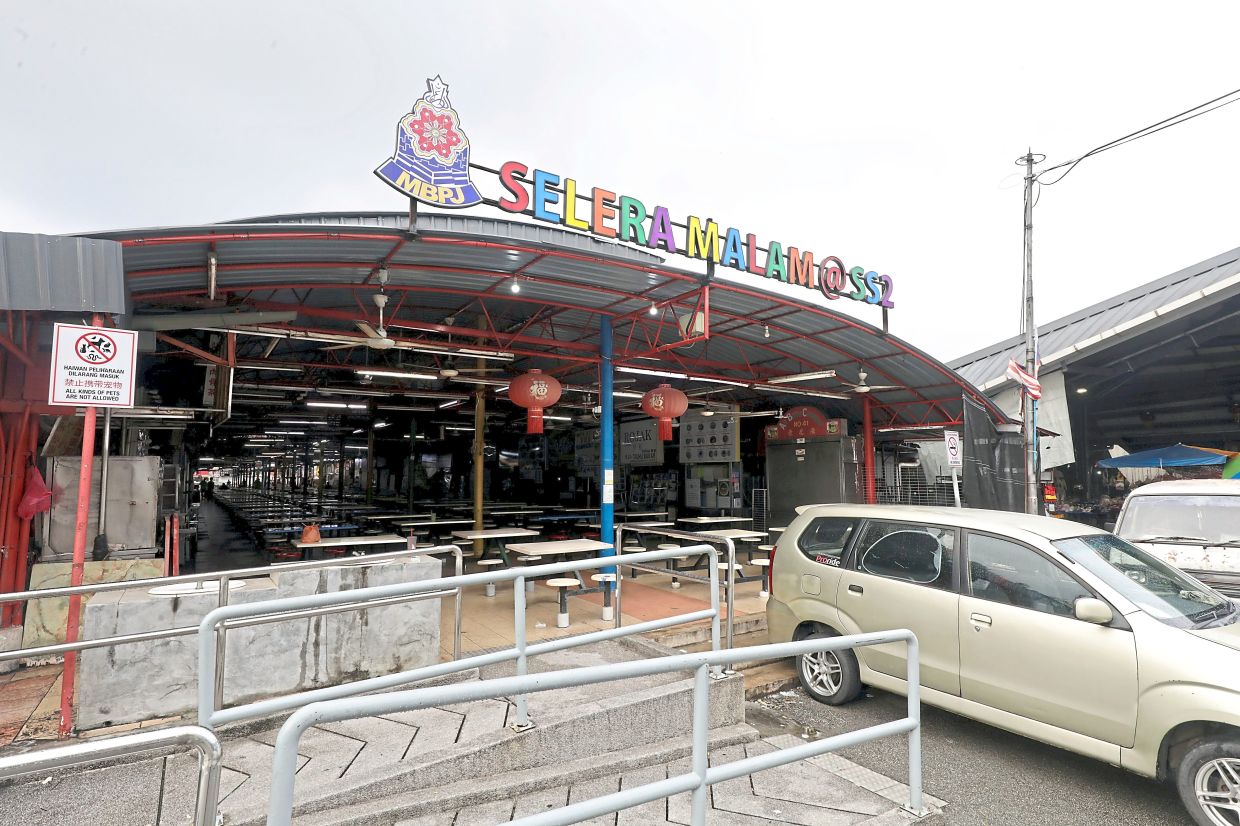
This year, MBPJ has allocated RM150,000 to implement its Barrier-Free City Programme to benefit senior citizens, children and the disabled.
Mohamad Zahri said the programme aimed to introduce universal design features at public places, buildings and amenities across Petaling Jaya.
Components include access audits of public buildings, walkways and public parks.
Twenty-three areas in the city will be upgraded with universal design features and audited with users to ensure facilities are functional and beneficial to the public, said the mayor.
He added that developers who complied with universal design standards would be given recognition.
Facilitating learning
This year, MBPJ has allocated RM320,000 to implement key programmes under its Learning City initiative.
These include Smart Learning Hubs, which will be available at council libraries as well as National Information Dissemination Centres (Nadi).
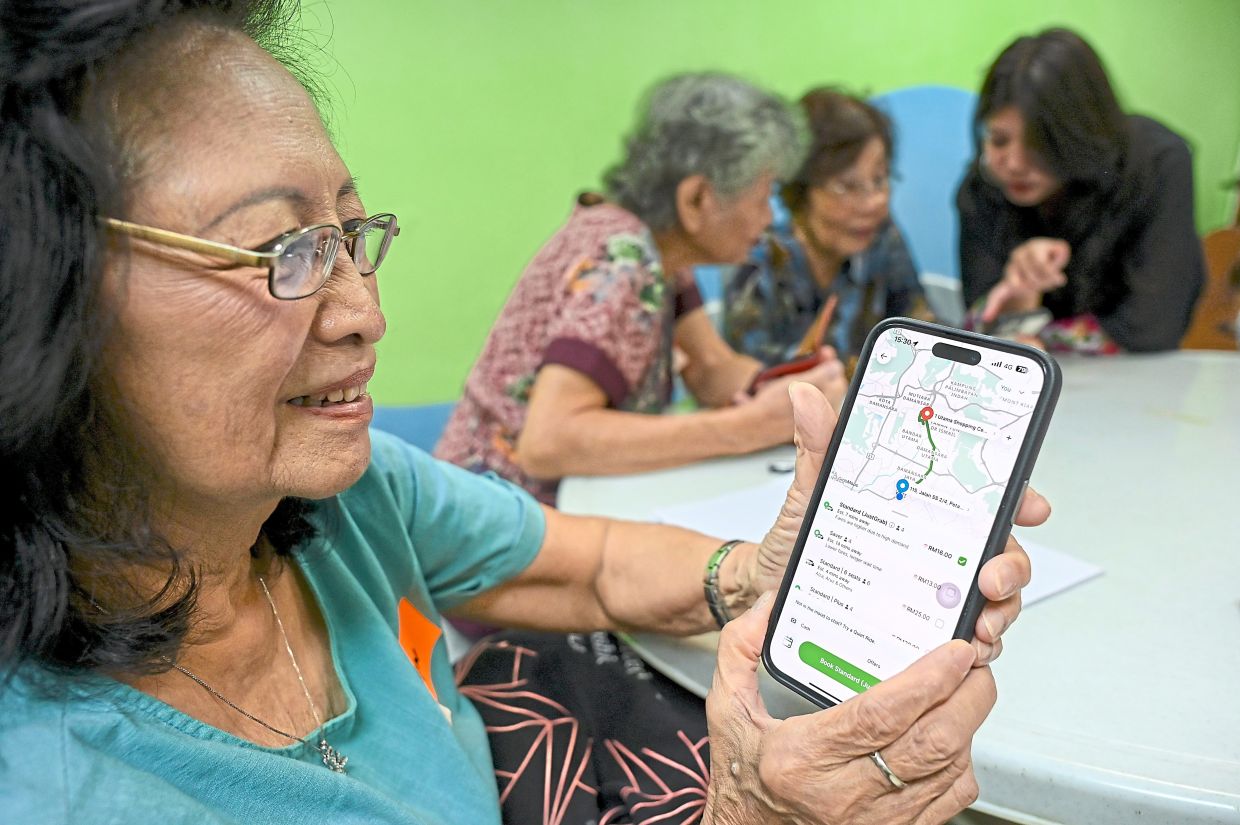
Digital empowerment programmes for the public will also be introduced under the Lifelong Learning initiative, covering topics such as information technology, artificial intelligence and green technology to keep pace with global developments.
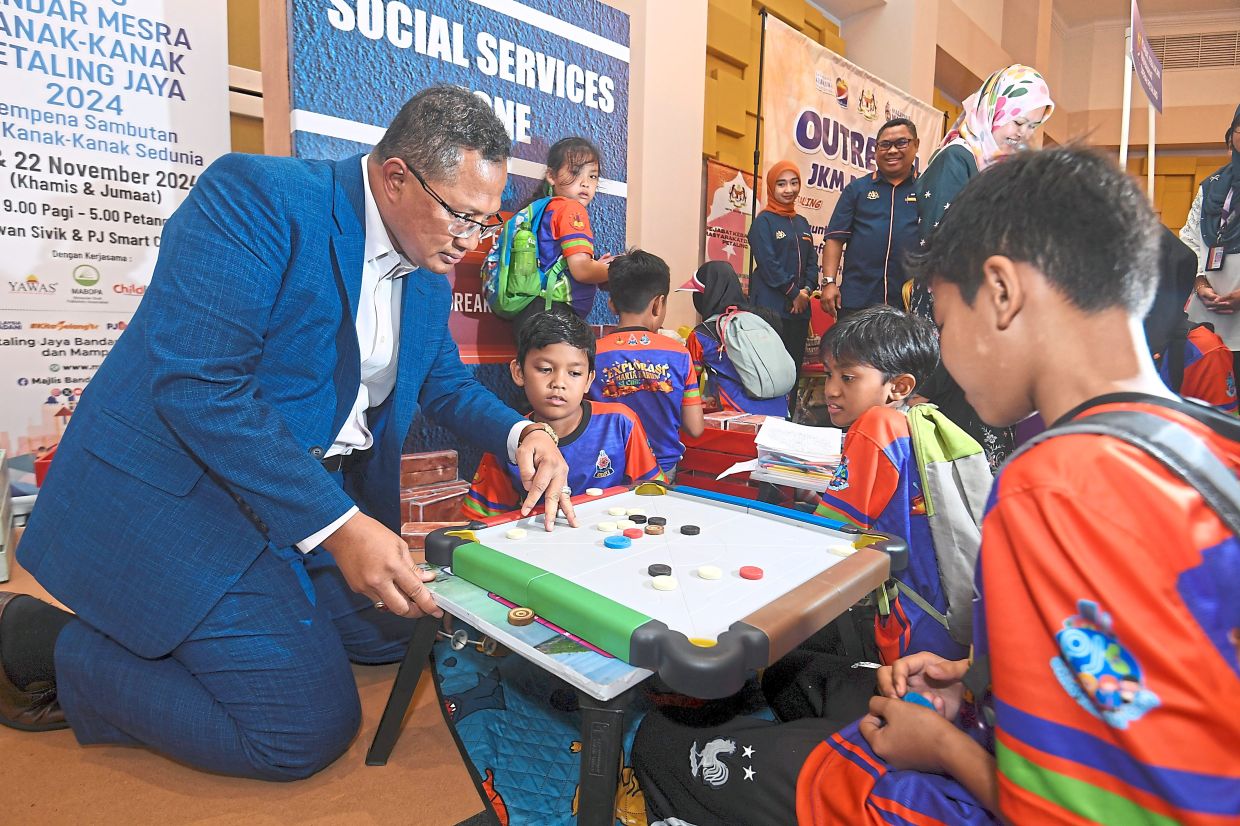
The annual PJ Learning City Festival, meanwhile, will connect schools, higher-learning institutions, industries and non-governmental organisations, while the Petaling Jaya Book Expo will feature both physical and digital books to encourage lifelong learning for all.
“The city council fully supports the Nadi programme by the Malaysian Communications and Multimedia Commission, which provides Internet access and digital skills to the public,” he said.
Transforming Dataran PJ
Major redevelopment is in the pipeline for Dataran Petaling Jaya in Section 52, with a convention centre and digital library, as well as swimming and sports facilities.
Mohamad Zahri said, “We will have the largest auditorium in Petaling Jaya with a seating capacity of 5,000 people.
“We will also have a sports centre, business area and swimming facilities – not only for children and adults, but also a dedicated swim training centre.”
The mayor, however, said the project developer would have to propose ideas on keeping the field intact.
The project is estimated to begin mid-year and be completed by the end of 2028.
New guidelines
MBPJ has rolled out new guidelines for pet crematoriums and pet memorials, factoring in environmental concerns, safety, animal welfare and public cleanliness.
It will also review eight guidelines related to table-and-chair permits, five-foot way stalls, vehicle workshops, restaurants operating within workshops, animal shops, 24-hour gyms, and standardisation of multiple businesses under one premises.
The city council aims to process micro-trader licence applications within 14 days, said the mayor.
Boosting public transit use
Last month, Mohamad Zahri announced that MBPJ had set an ambitious target of achieving a 40% public transport usage rate by 2045.
Currently, only 10% of the city’s population uses public transport, based on MBPJ data.
This target is part of MBPJ’s aspiration for green living, first introduced under the Petaling Jaya Urban Transportation Master Plan (PIP) in 2015.
To address concerns related to the original plan, particularly its emphasis on transit-oriented development (TOD), MBPJ will roll out a new plan, PIP 2.0, that covers 2026 to 2035, with RM527.3mil allocated for implementation.
“Seven objectives focusing on public transport, traffic management, walkways, cycling and micromobility infrastructure, parking management, goods vehicle traffic management, TOD and city transportation administration are planned to achieve these goals,” he said during a series of workshops with Petaling Jaya residents.
PIP 2.0 emphasises better alignment with current travel patterns, community needs and technological advancements to ensure an efficient and reliable transport system.
The mayor said the plan served as a strategic framework to address traffic congestion, improve connectivity and promote sustainable mobility.