Kuala Lumpur has undergone a series of transformative, and occasionally controversial, changes this year as the government moves to resolve long-standing urban issues.
The long-anticipated Kuala Lumpur Local Plan (KLLP) 2040 was finally gazetted in May, providing a framework for the city’s development over the next 15 years.
Following closely on its heels, the Kampung Sungai Baru redevelopment project, which was in limbo for almost 10 years, finally commenced on Nov 30.
However, not all moves have been met with praise.
The proposed Urban Renewal Act (URA) and intensified enforcement against roadside hawkers continue to stir heated debate among stakeholders.
Residents were also caught off guard by a sudden change of mayor and just weeks later, the appointment of a new Federal Territories Minister following a Cabinet reshuffle.
New mayor, minister
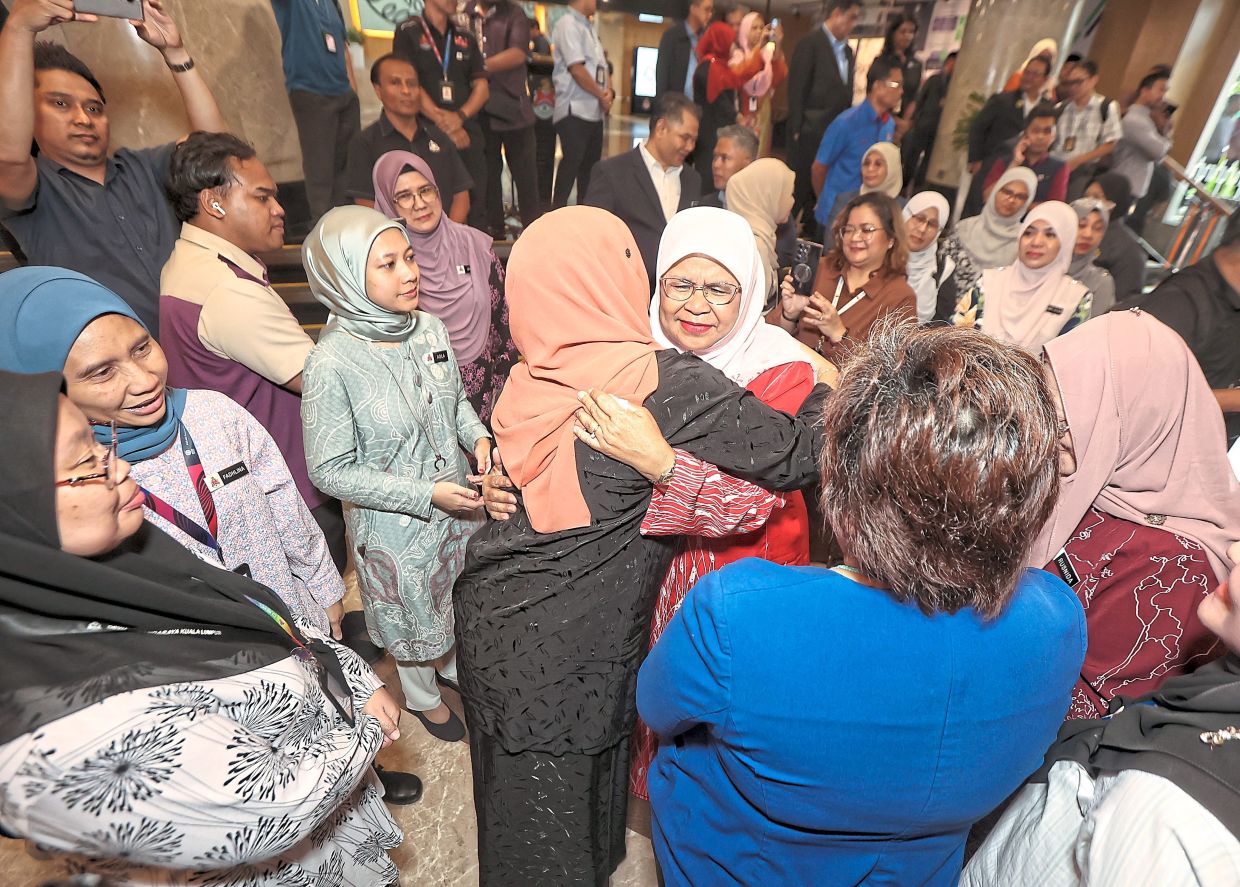
Residents were surprised on Nov 14 by the news that former Kuala Lumpur mayor Datuk Seri Maimunah Mohd Sharif would exit Kuala Lumpur City Hall (DBKL) early, cutting her tenure short by nine months.
Maimunah has since moved to a new role as property advisor for PETRONAS.
She will guide the company in shaping its property portfolio, focusing on Sungai Besi land, Kota Madani and other key development projects.
Stepping into the vacancy is Datuk Fadlun Mak Ujud, the former Putrajaya Corporation president, who clocked in for his first day as Kuala Lumpur mayor on Nov 17.
An Urban and Regional Planning graduate from Universiti Teknologi Malaysia, Fadlun brings over 28 years of experience in city management to the role.
However, Maimunah’s abrupt departure left some residents frustrated.
They felt the city was back at square one with several unresolved long-standing issues.

Former Minister in the Prime Minister’s Department (Federal Territories) Datuk Seri Dr Zaliha Mustafa was replaced by former Youth and Sports minister Hannah Yeoh.
Dr Zaliha, who was dropped from the Cabinet, pledged to continue supporting the Madani agenda and national reform policies.
Yeoh said she was committed to comprehensive stakeholder engagement, specifically promising to involve MPs in Kuala Lumpur, Putrajaya and Labuan in the decision-making process.
KLLP 2040 gazetted
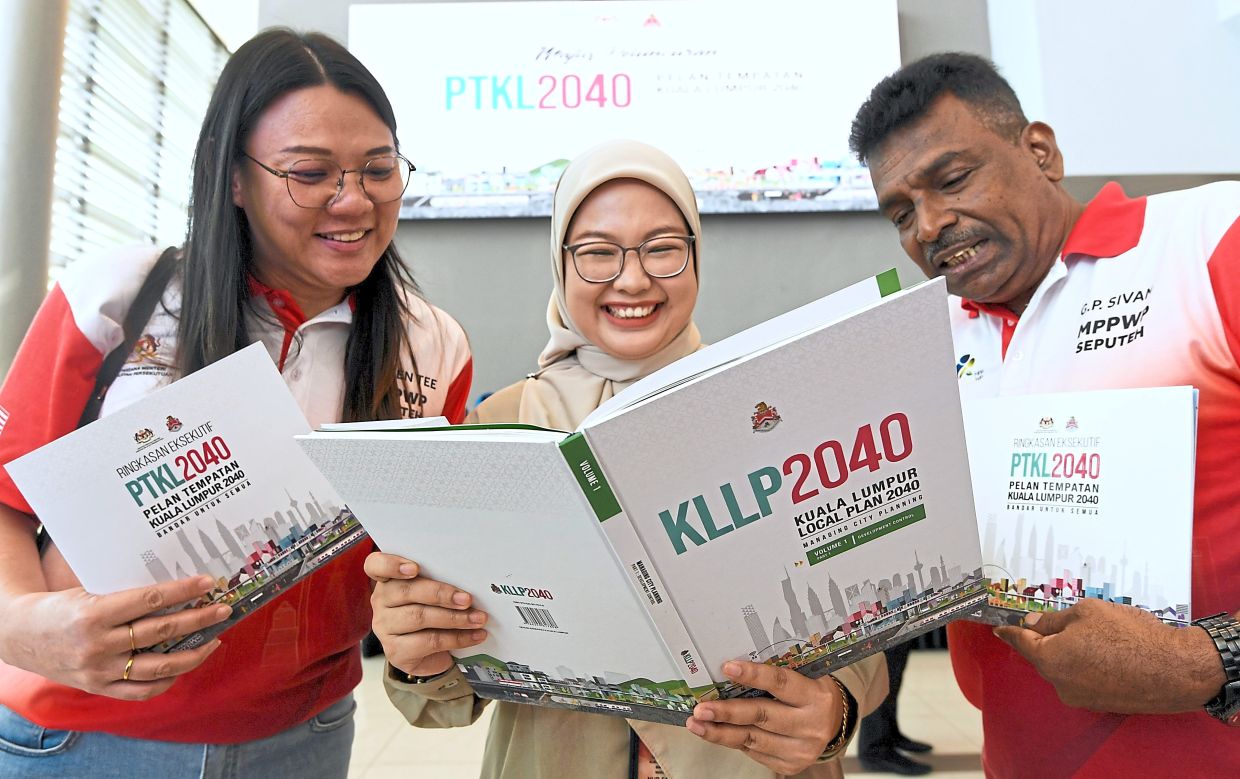
A major milestone for the capital arrived on May 28 with the gazettement of KLLP 2040.
The blueprint came into effect on June 11 and was launched by Anwar on June 24.
At the time of the launch, Maimunah had said that the plan outlined six main goals, supported by 39 planning strategies, 88 implementation proposals and 191 action initiatives.

“It also aims to build an efficient and environmentally-friendly urban mobility system while empowering sustainable urban redevelopment and land management.
“We have a bold target to achieve, which is 70% public transport usage among the Kuala Lumpur population by 2040,” she had said.
Beyond mobility, the plan identifies 139 sites earmarked for redevelopment, with priority given to public housing sites and areas deemed obsolete, dilapidated or abandoned.
Kg Sg Baru redevelopment
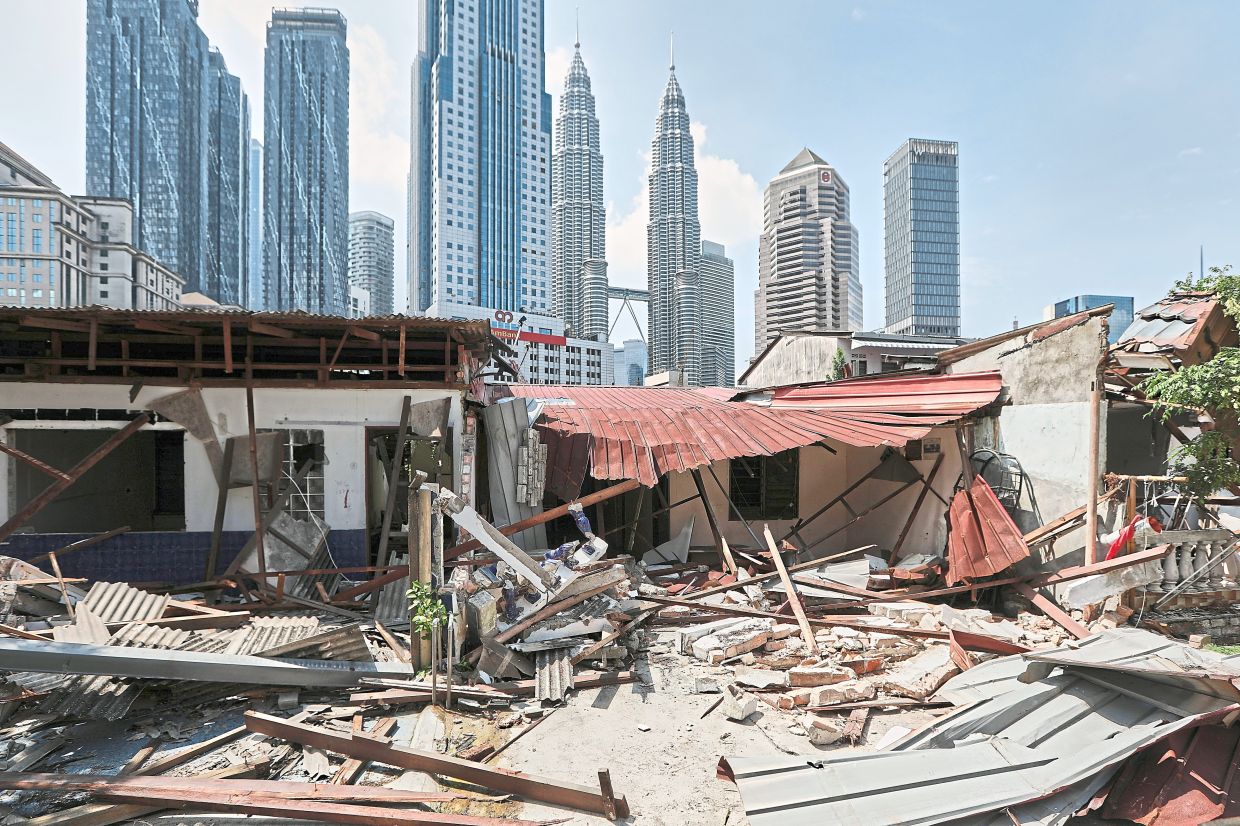
After a decade of deadlock, the Kampung Sungai Baru redevelopment project broke ground on Nov 30.
The project, first mooted in 2016, is expected to be completed within four years.
At the groundbreaking ceremony, Dr Zaliha had said that the redevelopment would see new residential units measuring between 900 sq ft and 1,200 sq ft, each featuring three bedrooms and three bathrooms.
Owners would also enjoy a maintenance fee waiver for the first year, followed by a 70% discount from the second to the 10th year.
Spanning 3.28ha, the redevelopment involves 328 residential units, comprising 64 terrace lots and 264 flats across eight Selangor State Development Corporation (PKNS) blocks.
Flat owners were each offered a replacement unit valued at between RM884,000 and RM1mil.
Terrace house owners meanwhile were offered between three and nine units, with a total value ranging from RM2.7mil to RM8.1mil.
The start of the project followed years of friction between the 72% of residents who supported the plan and a minority group of holdouts.
Those who opposed the project argued that the government’s compensation undervalued their land, leading to a stalemate.
The impasse was broken in June 2021 when Section 8 of Land Acquisition Act 1960 was invoked to formally acquire the site.
Ashram zoning change
Concerns are mounting over the future of the 124-year-old Vivekananda Ashram in Brickfields after its zoning was changed to “main commercial” under KLLP 2040.
Stakeholders fear the landmark may soon be dwarfed by concrete and glass structures.
The classification marks a departure from the previous KLLP 2020 draft, where the land was protected as a facility, utility and infrastructure zone within a heritage area.
The shift has reignited a long-standing battle.
Over the past 25 years, the landowner had made several attempts to sell or develop the land, according to news reports.
In 2008, the board of trustees even rejected a government offer to gazette the building as a heritage site.
Following public outcry over a proposal to build a residential tower on the grounds, the ashram was finally gazetted as a heritage site on June 16, 2016.
Despite this protection, stakeholders lobbied for the land to be zoned as “public community facilities” to align with the ashram’s mission to promote the Hindu religion and study of arts, science and industries.
However, the “main commercial” status remained in the final gazetted plan.
Controversial URA
The proposed URA remained a lightning rod for controversy throughout the year.
In February, a draft Bill was released for public consultation.
The Bill was tabled for its initial reading in Parliament on Aug 21, with the second reading scheduled for Aug 28.
However, no debates or voting took place then and the Bill was deferred.
The postponement followed calls for scrutiny from both opposition and government MPs.
Central to the dispute are the 80% residents’ consent threshold and 30-year age criteria for buildings to be eligible for “revitalisation”.
On Nov 28, the Housing and Local Government Ministry was reported to be reviewing the age threshold for ageing buildings.
Stakeholders added that mandatory requirements, such as traffic and environmental impact studies, must be backed by transparent data collection before projects could move forward.
Housing and Local Government Minister Nga Kor Ming reportedly said on Dec 1 that the Bill was “ready to be retabled”, but the parliamentary session concluded on Dec 4 without the Bill progressing.
Conflict with traders
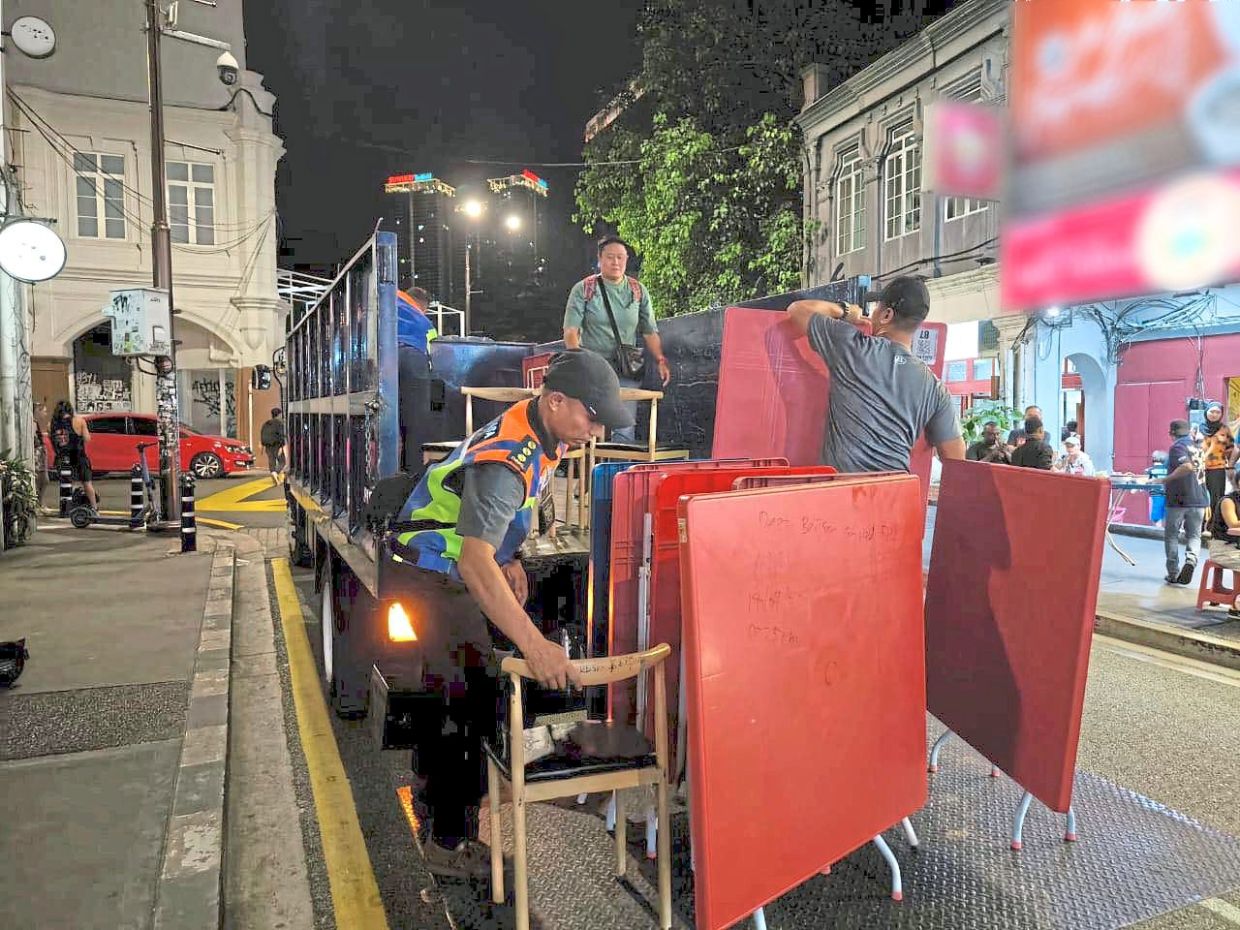
On the ground, DBKL’s enforcement against unlicensed traders led to heated altercations.
A viral video in March showed a scuffle between a balloon vendor and a group of DBKL officers along Jalan Tuanku Abdul Rahman, which ended with the vendor being tackled to the ground.
DBKL said the vendor had refused to cooperate after being warned twice, a claim the vendor later refuted.
Both parties lodged police reports.
This followed another recorded commotion involving a water bottle seller at Dataran Merdeka just days earlier.
In response to the growing tension, Dr Zaliha said in April that DBKL had been directed to carry out a citywide whitelisting exercise for unlicensed traders.
Maimunah had said that traders were given until June 30 to apply for permits under DBKL’s Hawkers’ Legalisation Initiative 2025.
Nevertheless, City Hall is losing patience with vendors obstructing public spaces.
Ramping up enforcement against those who occupy walkways with unauthorised tables and chairs, Maimunah then warned that existing outdoor dining policies could be “reconsidered or scrapped” to ensure public footpaths remained clear.
Temple relocation
A delicate issue was resolved in March after a private developer’s proposal to build a mosque near Jalan Masjid India sparked fears that the 130-year-old Dewi Sri Pathrakaliamman temple would be demolished.
The controversy intensified when the temple’s legality was questioned, an allegation refuted by MIC deputy president Datuk Seri M. Saravanan.
The temple sits on land owned by textile company Jakel Trading Sdn Bhd (Jakel).
To de-escalate the situation, both Jakel and DBKL stepped in to guarantee no demolition would take place.
DBKL also assumed a facilitating role to ensure the temple’s relocation could be handled smoothly.
Following discussions, the temple committee said on March 25 that it had agreed to move to a nearby site.
The new location, Dr Zaliha said at the time, was equivalent in size to the temple’s existing grounds.