
Penang is taking multiple measures including boosting aquaculture to safeguard food security and reduce pressure on marine resources.
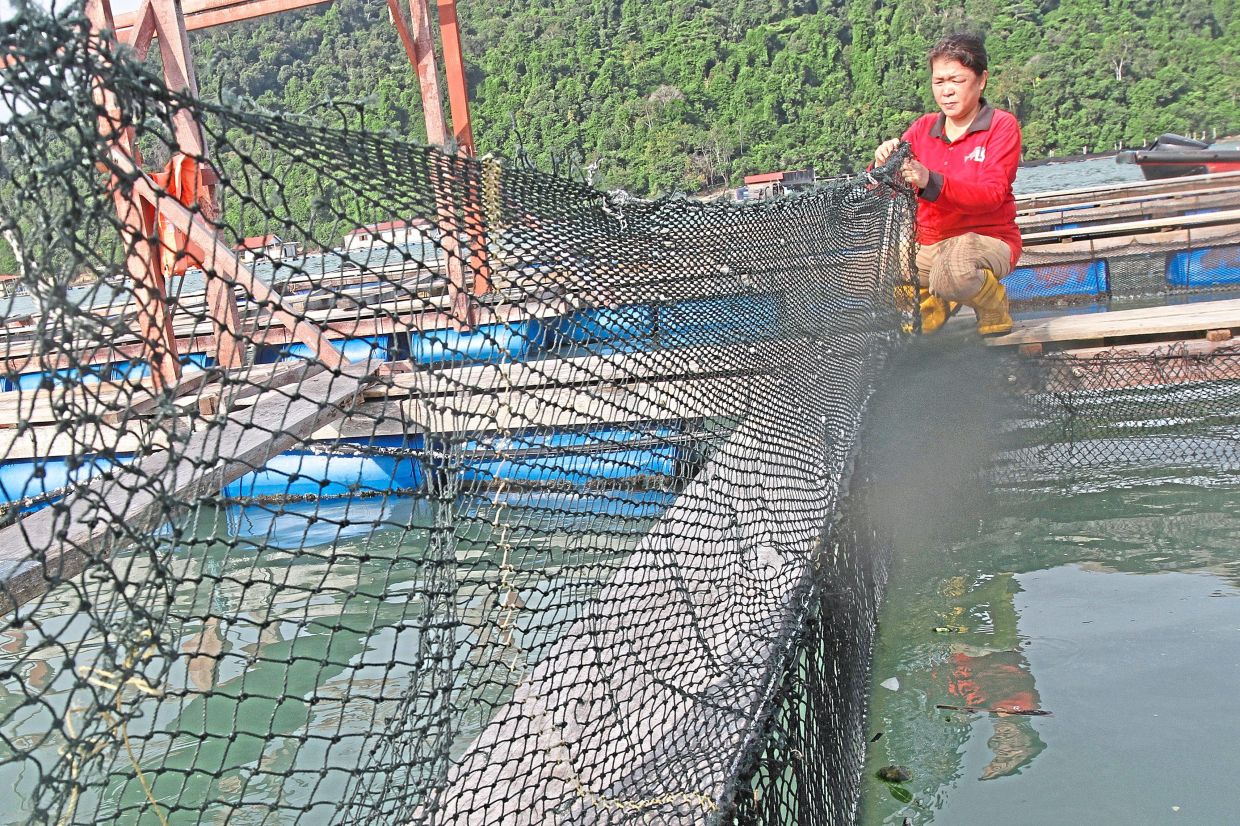
To date, five Aquaculture Industrial Zones (ZIA) covering a total of 104.55ha have been established statewide.
These are located at Pulau Jerejak (36.5ha), Pulau Betong (0.96ha) and Batu Maung (4.38ha) on Penang island, as well as Pulau Aman-Bukit Tambun (20.16ha) and Sungai Udang (42.55ha) on the mainland.
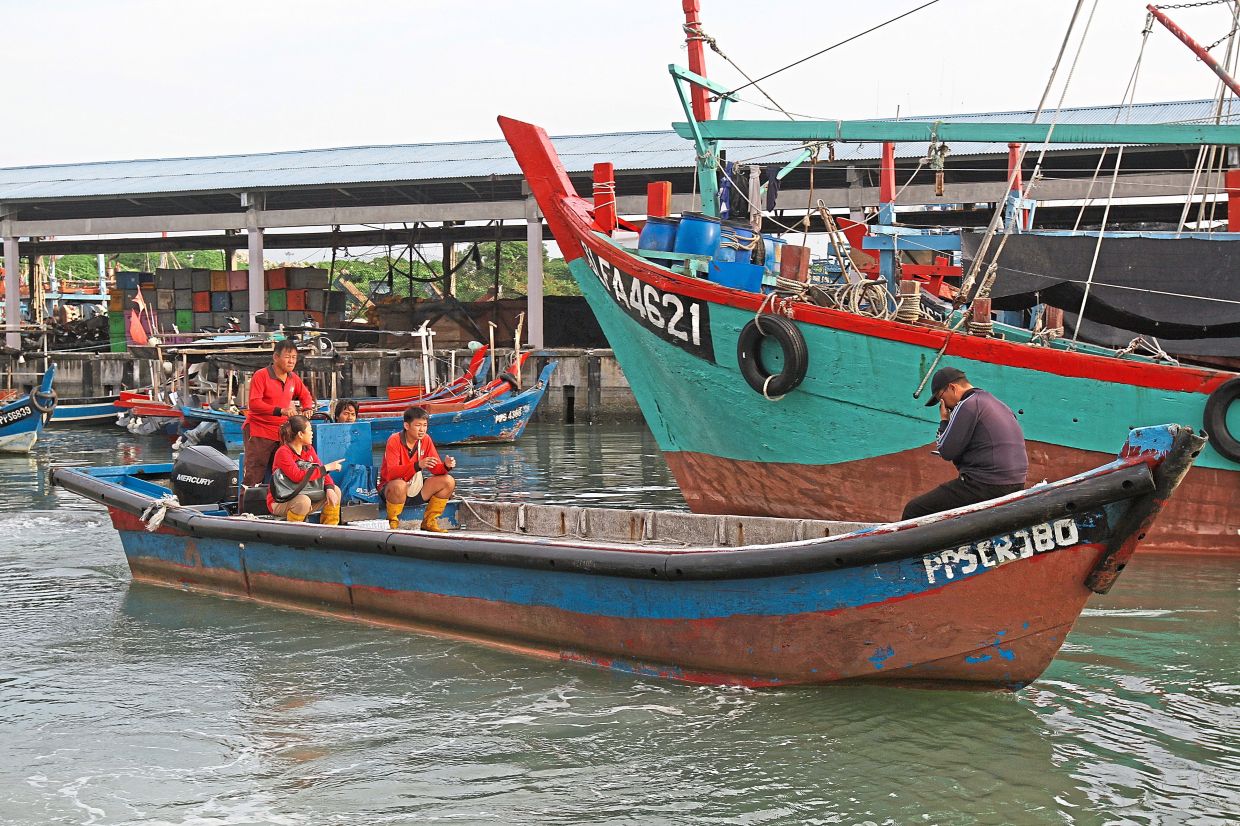
Penang agrotechnology, food security and cooperative development committee chairman Fahmi Zainol said safeguarding marine life was essential to ensuring the state continued to have diverse sources of protein from the sea.
“About 60% of Penang’s fish supply currently comes from aquaculture, with wild-caught fish contributing the remaining 40%, unlike many other states where wild catch remains dominant.
“We want to position Penang as one of the most developed aquaculture states in the country.”
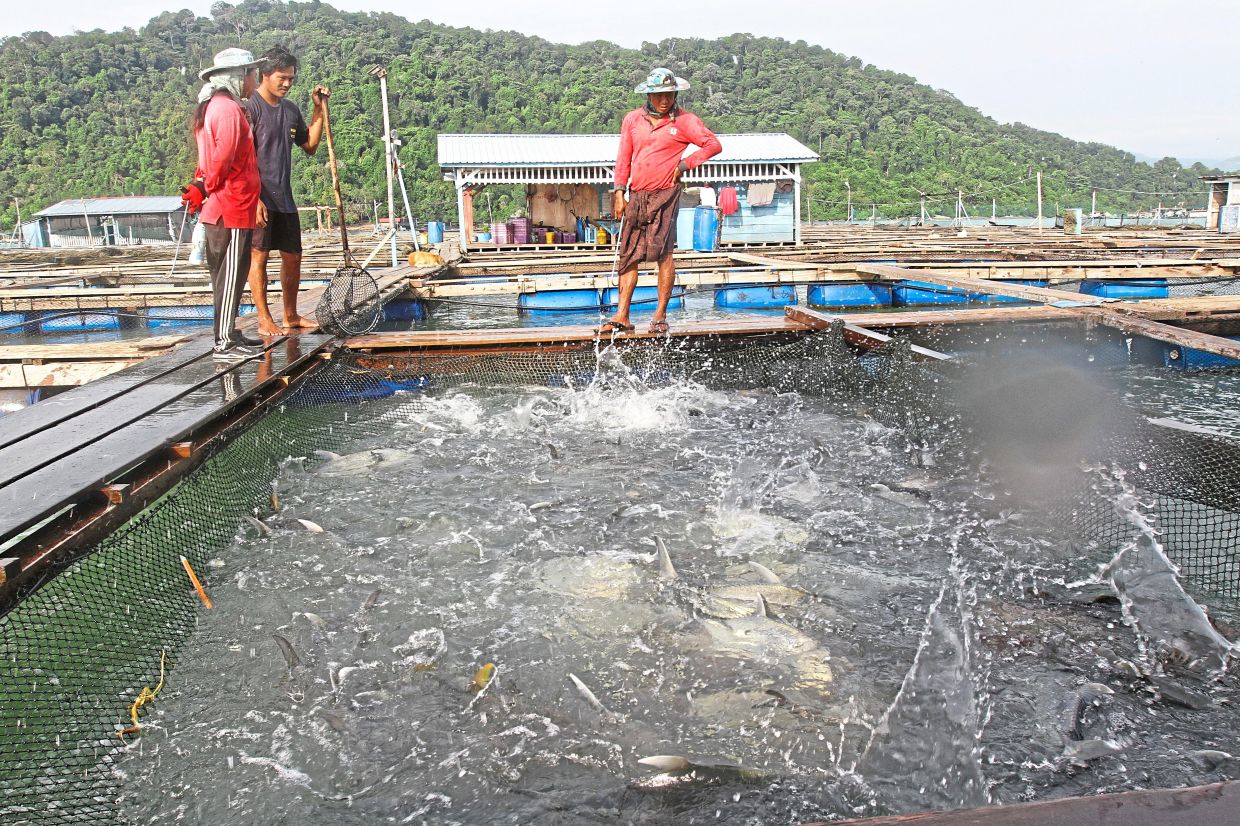
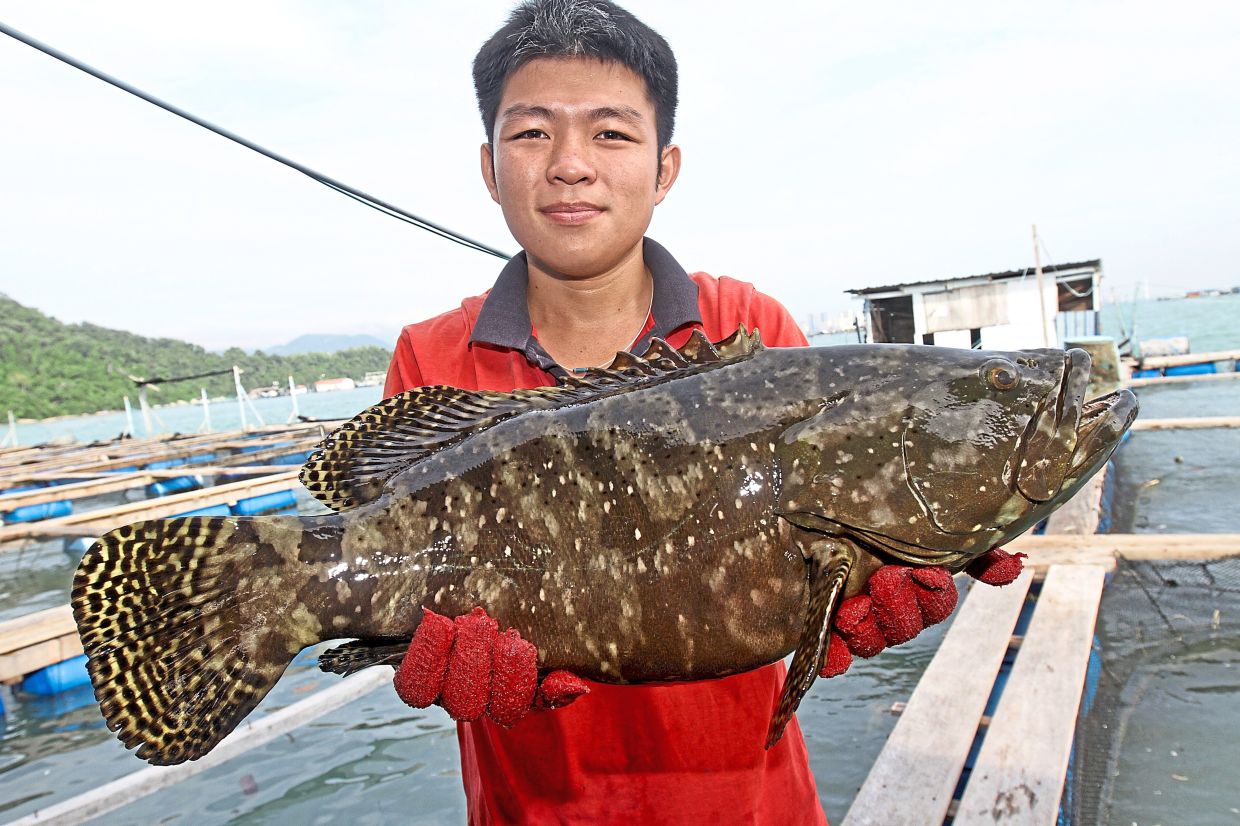
Fahmi said all ZIA sites have been operating since July 31 last year, adding that among the species farmed were seabass (siakap), snapper (jenahak), giant trevally (nyok-nyok), golden pomfret (bawal emas) and grouper (kerapu).
He said the establishment of ZIA allowed the state to regulate the industry more effectively, protect aquaculture areas from competing forms of development and ensure orderly, sustainable fish-farming practices.
There are currently about 200 aquaculture operators and entrepreneurs in the industry, all of whom hold licences and are regulated by the Fisheries Department and other relevant agencies.
“These measures are crucial to maintaining an organised and sustainable aquaculture industry,” Fahmi said.
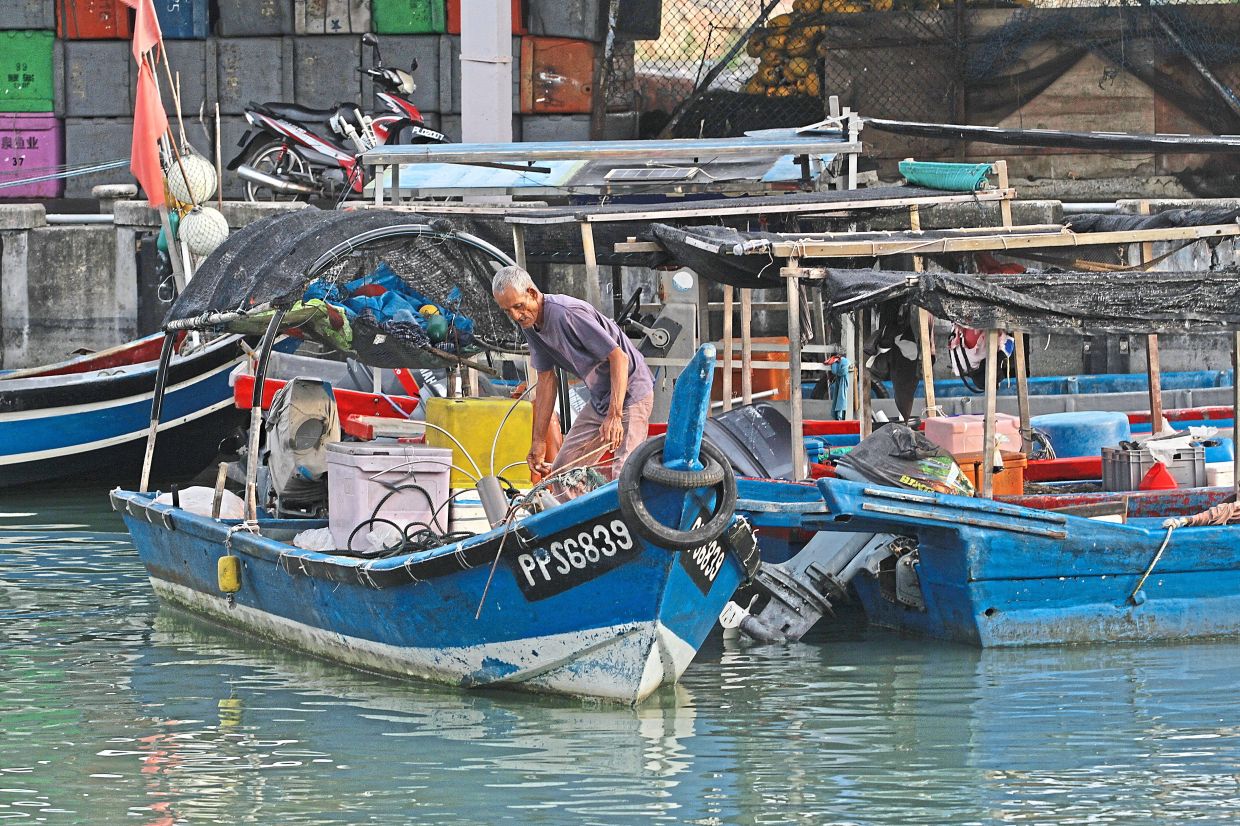
He added that the state encouraged fish farmers to be certified under Malaysia Good Aquaculture Practices (myGAP) and Food Quality Control (FQC), to strengthen Penang’s aquaculture sector.
In addition to aquaculture development, he said Penang’s stock replenishment programmes saw the release of a total of 1,639,112 fish and prawn into public waters this year.
The releases included inland species such as catfish (baung), tinfoil barb (lampam sungai) and freshwater prawn, as well as marine species including seabass, tiger prawn and 15,505kg of cockles.
“Additionally, 187 artificial reefs have been deployed across Penang’s waters to enhance marine habitats,” Fahmi said.
Fish-landing points
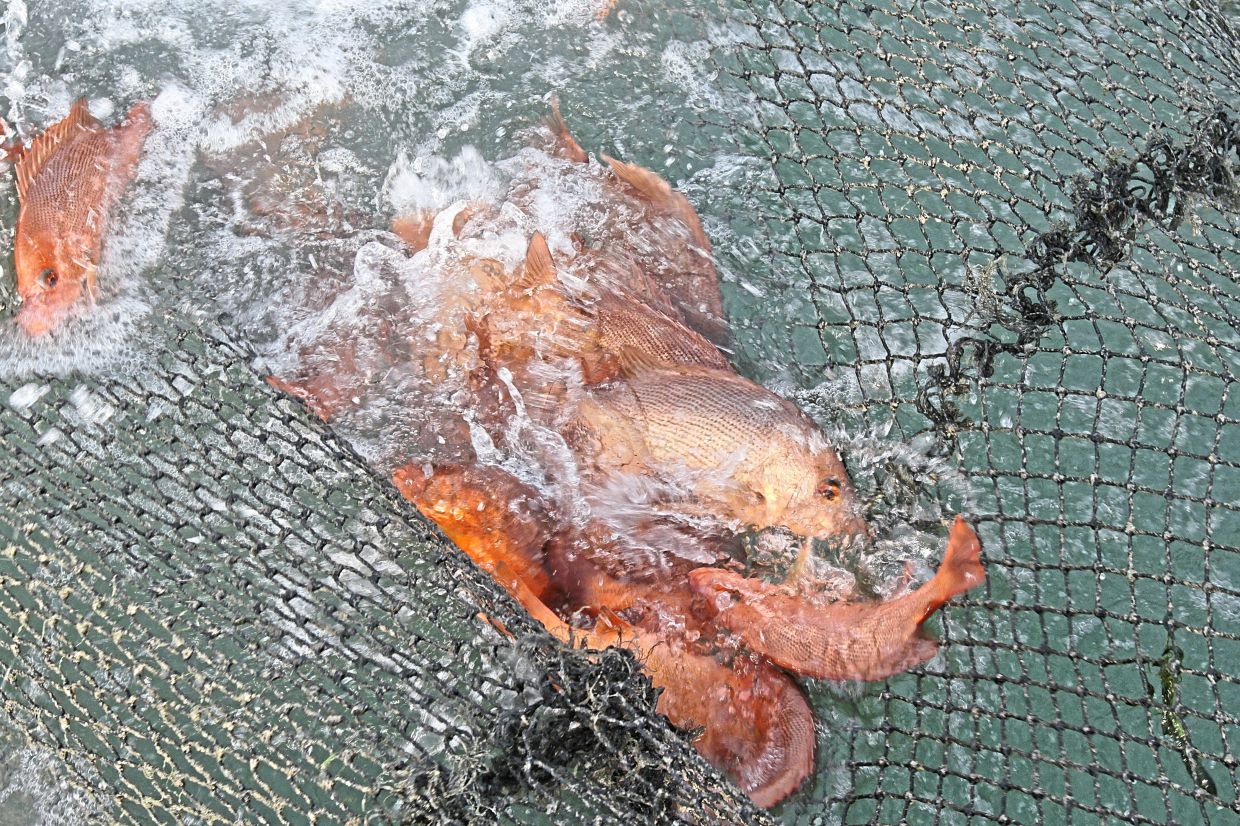
As of last October, three jetties have emerged as Penang’s main fish landing points, collectively handling more than 21,600 metric tonnes (mt) of seafood.
Fahmi said the Kuala Muda jetty in north Seberang Perai recorded the highest landings at 10,203.10mt, followed by the Batu Maung fishermen’s jetty in the southwest district (6,517.65mt) and Sungai Udang jetty in south Seberang Perai (4,898.80mt).
“These jetties are more than just unloading points for fishermen. They function as strategic hubs serving both traditional coastal vessels and larger deep-sea boats.”
Fahmi said the jetties, managed by Fisheries Development Board (LKIM), were equipped with essential infrastructure such as subsidised fuel tanks, which reduced operating costs for fishermen.
“They also serve as key centres for fish auctions, wholesale distribution and market supply, ensuring the smooth movement of seafood across Penang.”
He said the volume of fish handled at these locations underscored their critical role in sustaining Penang’s fisheries economy and safeguarding the state’s food supply.
Fahmi said the Batu Maung jetty also housed the state’s Area Fishermen’s Association (PNK) whilen its surrounding commercial developments provided additional income opportunities for the local community.
“These landing points play a vital role in supporting both small-scale and commercial fishing activities, forming the backbone of Penang’s fisheries infrastructure.”

Steady supply
Penang’s fish stocks remain stable despite long-standing concerns over declining catches, with official data showing an overall increase in landings in 2023 and 2024.
Penang Fisheries Department director Zarina Zainuddin said fish landings in the state rebounded after a sharp drop during the Covid-19 movement restrictions.
In 2020, Penang recorded 56,849mt of catches valued at RM719.8mil.

Landings fell to 35,375mt in 2021, with a corresponding drop in value to RM587.4mil.
The catch recovered in 2022, with landings rising to 47,607mt and value increasing to RM787.3mil, signalling a return to near pre-pandemic levels.
“For the 2023-2024 period, Penang recorded a positive growth trend,” Zarina said.
According to Fisheries Department data, total fish landings increased from 38,226.24mt in 2023, valued at RM730.54mil, to 39,231.34mt in 2024, valued at RM685.65mil.
“This represents a 2.63% increase in volume, indicating a steady supply of fish in the state, despite fluctuations in market value,” she said.

Beefing up enforcement
Zarina said the department has tightened fishing vessel licensing controls and strengthened enforcement against illegal, unreported and unregulated fishing to prevent overfishing and protect marine ecosystems.
This includes restricting and banning destructive fishing methods such as bubu naga fish traps, as well as curbing illegal trawling in zones reserved for traditional fishermen.
In 2024, 83 vessels were detained for various offences, including illegal trawling and the use of prohibited fishing gear.
The vessels were seized and cases brought to court under the Fisheries Act 1985.
“Enforcement is carried out regularly, with patrols operating round the clock and responding promptly to reports,” Zarina said.
Fishing grounds
Zarina said fishermen in Penang and surrounding waters continued to operate across both inshore and offshore fishing grounds, with several areas emerging as key catch hotspots.
Among popular inshore areas are waters around Pulau Aman that are known for crabs and a variety of fish species.
“The Straits of Malacca remains a major fishing ground for pelagic (open sea) species such as Indian mackerel (ikan kembung) and scad (ikan selar).
“Off the south-western coast of Penang island, near the Straits of Jerejak, fishermen target a mix of coastal species, while larger trawlers operate further offshore towards the maritime borders with Perak and Indonesia.”
Zarina said fishing patterns shifted seasonally, influenced by monsoon winds, fish migration and water conditions.
She said Penang’s catch remained diverse, with pelagic species such as Indian mackerel, scad and Spanish mackerel (tenggiri) commonly caught near the surface.
Demersal species, including snapper, grunter (gerut-gerut) and various threadfin bream (kerisi), are found closer to the seabed, while shellfish such as prawn and crab continue to be a major and highly valued component of the state’s fisheries.