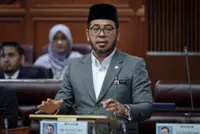
FOOD distribution to the homeless in the capital must adhere to Kuala Lumpur City Hall (DBKL) regulations, says Minister in the Prime Minister’s Department (Federal Territories) Datuk Seri Dr Zaliha Mustafa.
Non-governmental organisations (NGOs), individuals and influencers must register with DBKL to ensure such activities are carried out systematically.
“The cleanliness issue crops up when there is excess food after distribution,” Bernama reported her saying at a question-and-answer session in the Dewan Rakyat.
Dr Zaliha said excess food was discarded arbitrarily, with too many people carrying out distribution activities.
She was responding to a supplementary question from Roslan Hashim on streamlining measures to prevent littering or pollution in the city.
To ensure a balance between kindness and cleanliness, DBKL has designated three places for food distribution: Chow Kit Community Learning Centre, Medan Tuanku Homeless Service Centre (as the daily food distribution centre) and Kuala Lumpur Transit Centre for the Homeless or Anjung Kembar, with distribution carried out by NGOs registered with National Welfare Foundation and DBKL.
She said tourist spots, like the Golden Triangle, were not suitable for such distribution, to safeguard the city’s image.
Dr Zaliha also suggested DBKL refine its policy by only allowing retort pouches which were considered more hygienic and safe.
“During the festive season, we will introduce an outreach centre or mobile centre where people who want to can give or send their contributions.”
She hopes these measures will encourage wider participation from hotels, corporates and NGOs to ensure excess food is better managed.