
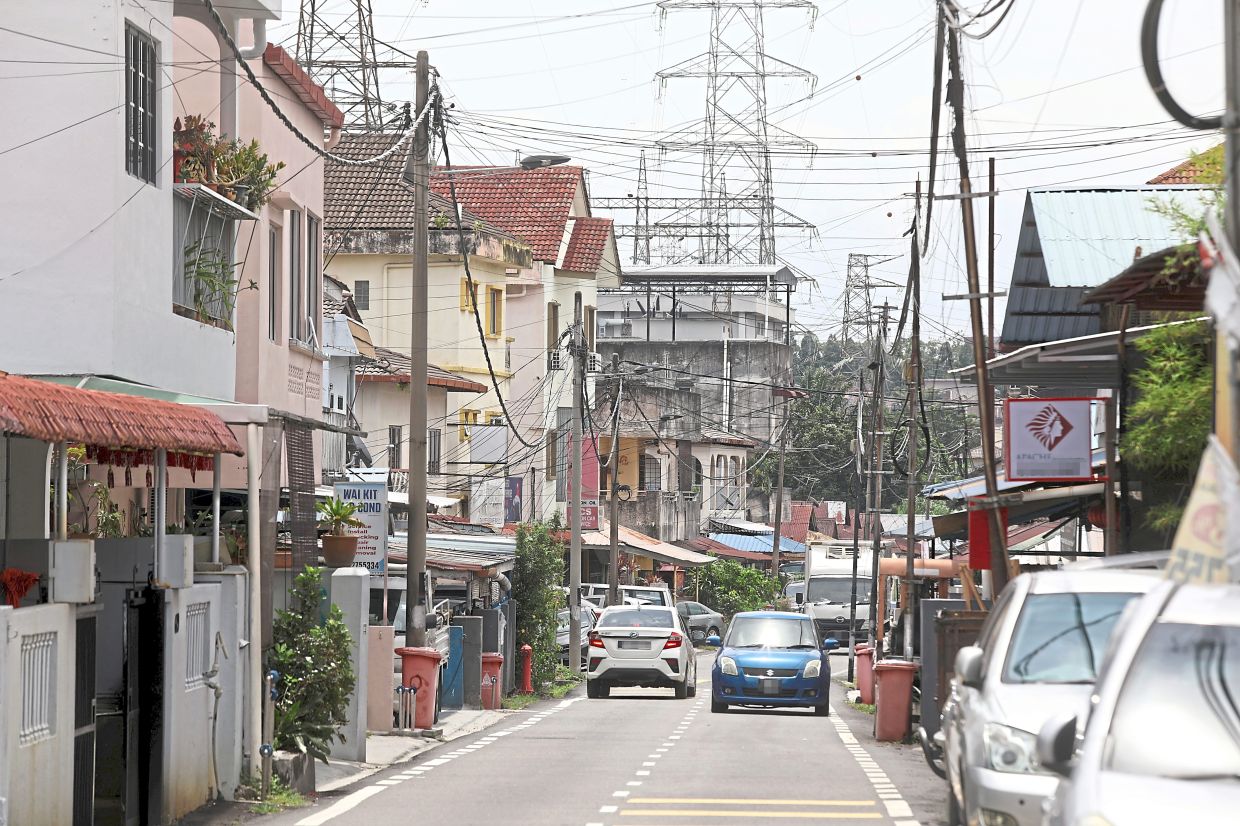
DECADES of trade history are clashing with zoning laws in Petaling Jaya’s Kampung Chempaka.
Established in 1969 after the May 13 riots, the village is today nestled between other industrial or mixed developments such as Sunway Mas, Aman Suria and Taman Mayang.
Serving the 9,000 residents in the 39.85ha enclave are many essential family businesses. These operate from homes, with most lacking official licences from the Petaling Jaya City Council (MBPJ).

According to area councillor John Leong, the root problem is simple: the land is currently gazetted only for residential use, putting these long-standing enterprises in legal limbo.
Temporary reprieve
Leong addressed the conflict by initiating a pilot project with MBPJ and an estimated 40 small businesses, successfully issuing a one-year Temporary Occupation Licence (TOL) from June 2024 to June 2025.
“The project has been successful. We now need a plan moving forward,” said Leong, who hopes for a constructive long-term solution.
Kampung Chempaka village chief Theresa Lim emphasised the vital community value of these home businesses, particularly for vulnerable residents.
She highlighted the affordable pricing unique to the village.
“We still have RM5 chicken rice sold here. The pricing is possible because the business operates below a double-storey house and food sources are bought from the village market too,” she said.
Lim said the businesses operators needed and should get their licences.
“We hope these businesses can be granted licences as they generate income, offer affordable food to villagers and attract outsiders. Seniors benefit too, as many are poor, live alone and rely on cheaper food options,” she said.
The oldest business belongs to tailor Pang Lam, 83, who has worked for 60 years.
His shop, Ren Ren Tailor, is a time capsule; items like his sewing machine and a stool are over 40 years old.
Pang, who lives and works in the home left by his father-in-law, reflected on his trade: “I no longer take orders to sew elaborate men’s pants; I only do alterations.”
He recalled the village’s humble beginnings: “People gathered wood from the old school (in Setapak) and built their houses in Kampung Chempaka. Life was very different then.”

“Kelana Jaya was a landfill. Even if you paid someone to move here, they wouldn’t it was too far from Kuala Lumpur, where all the business and activity were,” he said.
Pang hopes to obtain a permanent licence to continue his trade.
“I have nothing to do if I don’t operate this tailoring business. It gives me purpose and something to look forward to. My wife is here with me in the shop, and we are still healthy,” he said.
He said getting his business legalised would be a dream come true.
“We won’t have to keep explaining to authorities on why we don’t have a licence – it has been like this since the village was formed,” he said.
Nick Tan, 44, inherited the popular Kedai Kopi Hoonky from his father; his family has lived in the village for 60 years.

“We live upstairs and operate downstairs from 8am to midnight. We can manage long hours because we live here. Most of our customers are seniors who want the shop open after hours,” he said.
The shop is known for its affordability, said Tan.
“Our chicken rice is sold for RM5 here. This is among the cheapest in this neighbourhood,
“We also get tourists from China who visit to enjoy our food. They love our wok cooking and stir-fry dishes. The village has its own charm,” he said.
“We’ve been told (by authorities) we are on residential land, which complicates the licence process. But I hope we can find middle ground as many of us have had businesses here for generations,” he said.
Representing the younger generation is James Low, 33, who opened a modern cafe called James Coffee. He converted his aunt’s old house due to budget constraints, decorating it with his mother’s Chinese calligraphy for a cosy feel.
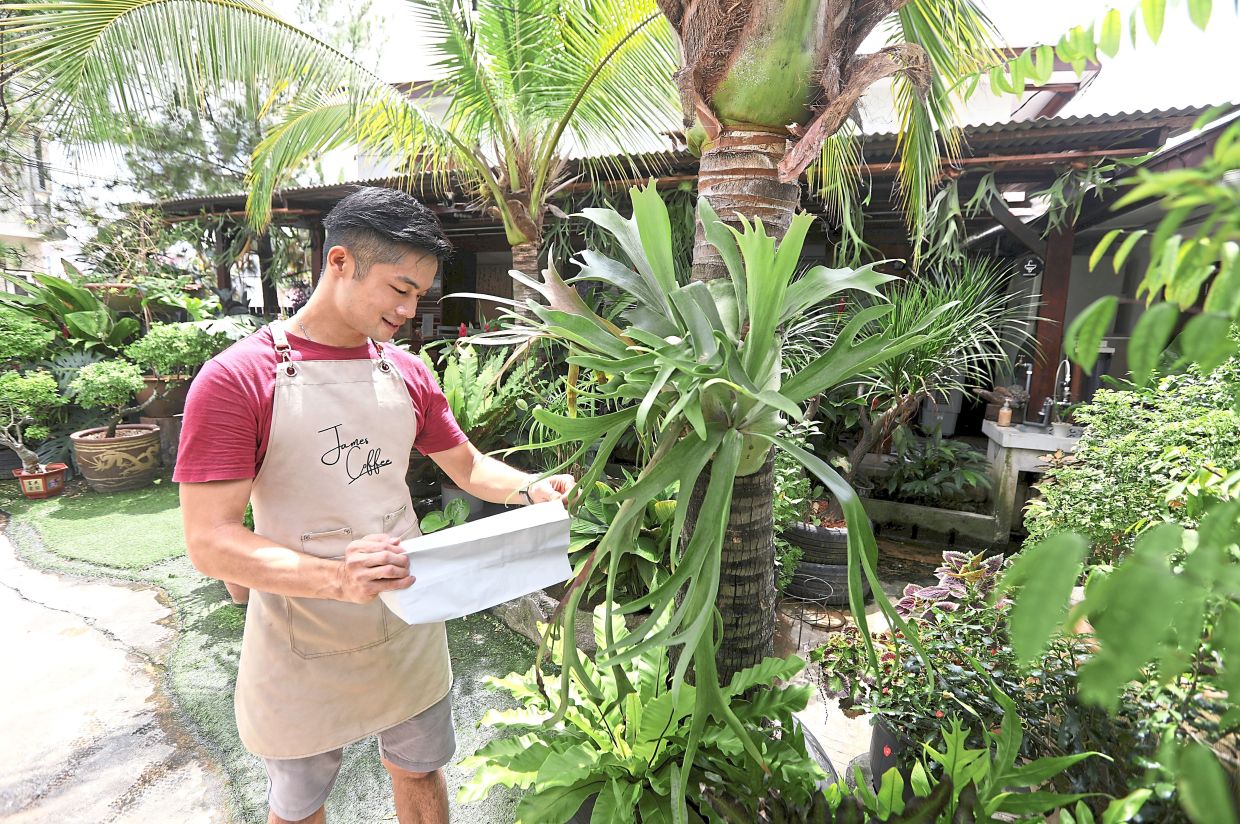
“I’m part of the younger generation from this village and feel attached to this place,” he said.
His cafe attracts international clientele: “My visitors include people from the UK, Singapore and local customers.
“I use premium coffee beans and hope to add more attraction to this village,” he said.
Low is also focused on sustainability: “I only sell coffee and ensure all coffee grounds are used as fertiliser. I am environmentally conscious and don’t want to pollute the village,” he said, adding he was also seeking council approval to operate his cafe long-term.
Meanwhile Leong said MBPJ should accommodate the families who live upstairs while running their businesses on the ground floor.
“This helps businesses cut down on expenses as they don’t have to pay for separate premises,” he said, adding the cheaper food prices are a key benefit.

“It also helps that villagers, especially seniors, can walk to nearby restaurants instead of commuting outside the village.”
While Leong said illegal factories and car workshops should not be tolerated, he noted that legalising long-standing, noise-compliant businesses was essential for generating village income.
Petaling Jaya mayor Mohamad Zahri Samingon confirmed the council would need to go through the matter in detail to ensure decisions regarding the zoning are made in accordance with the law.