
The state goverment should start taking measures, including developing a proper care system, to deal with the ageing population in Johor, says an assemblyman.
Gan Peck Cheng (PH–Penggaram) stressed the importance of addressing the issue due to the rising number of senior citizens.
“We must acknowledge that Johor is moving towards becoming an ageing state, with the number of senior citizens rising to 12.3% in 2025.
“According to the Department of Statistics, by 2030, Johor will officially be an ageing state, with more than 15% of its population aged 60 and above.”
Gan said many children genuinely wanted to care for their elderly parents but lacked the necessary support and skills.
“Elderly care is not simply about keeping someone company at home; it requires knowledge and professional training.
“This is not something we can learn through experience alone.
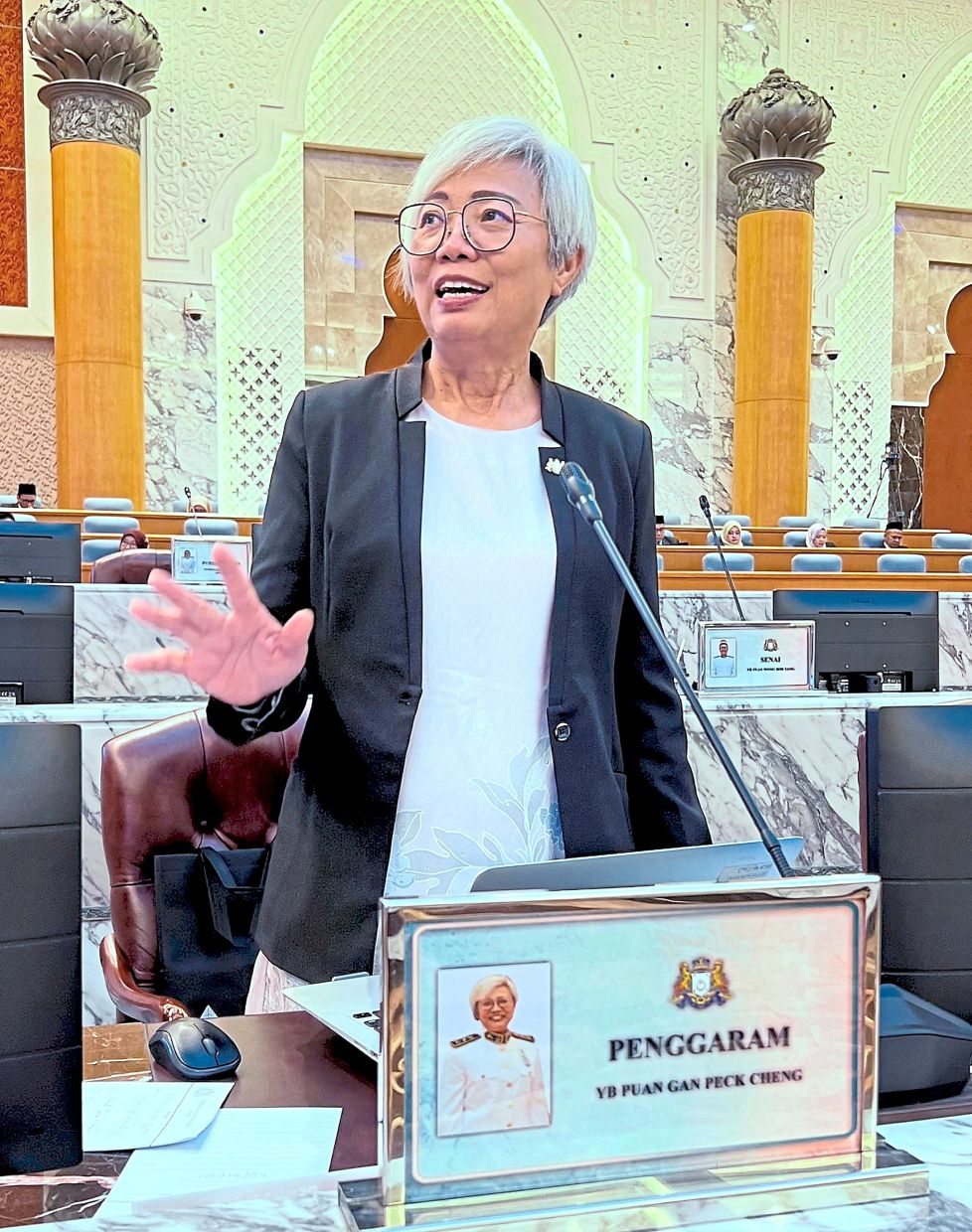
“Without proper knowledge, caregivers become stressed, and the elderly become exposed to danger,” she said during the Johor State Assembly sitting at Bangunan Sultan Ismail in Kota Iskandar.
“That is why developing a long-term care system is crucial, as it not only helps older adults live with better support, but also protects families from overwhelming pressure,” she added.
Meanwhile, Sahrihan Jani (BN-Gambir) urged the state to address pollution in his constituency and neighbouring areas.
He said poultry farms operating using open-house systems had caused several pollution incidents.
“This issue has affected the community’s quality of life due to inefficient and traditional chicken waste management, which has resulted not only in odour pollution but also water pollution in my area, Sengkang, as well as Bukit Gambir,” he said.
“Similar problems have occurred in Yong Peng, causing severe odour pollution that has affected the quality of life of some 3,000 residents there.
“There have also been cases of ammonia pollution in Sungai Johor and Layang-Layang, while black wastewater from waste management sites contaminated Sungai Bekoh, leading to fish deaths,” Sahrihan said.
He said although various actions had been taken, pollution issues persist, and urged the relevant authorities to take firmer measures against polluters.
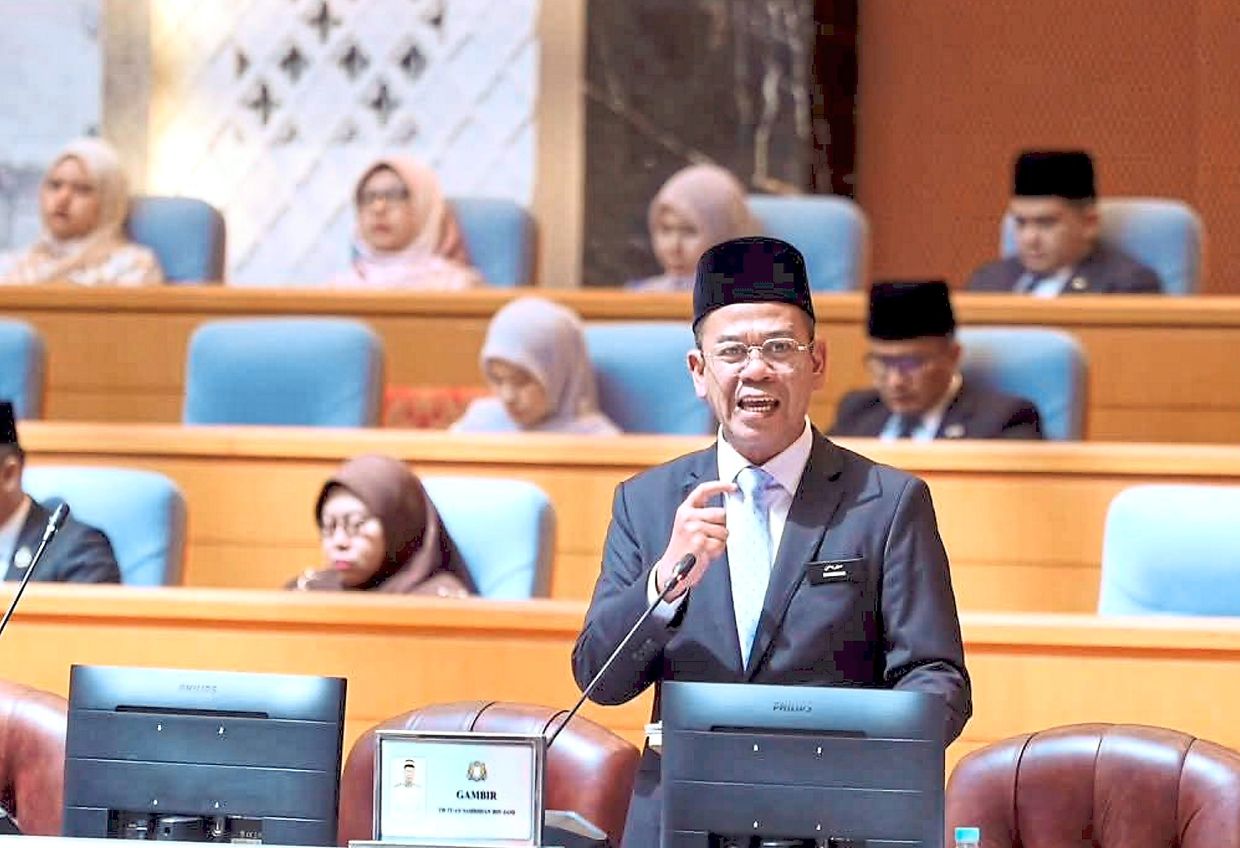
Sahrihan also said a closed-house poultry farming system should be introduced to address the pollution problem.
Amira Aisya Abd Aziz (Muda-Puteri Wangsa) proposed that the Johor government allocate some of the zakat collected every year to refugees.
She said the idea was not new in Johor.
“This was done in 2016 when the state allocated RM600,000 a year for the Rohingya community in Johor.
“I know not everyone thinks their fate deserves to be debated in the state assembly, but out of compassion as fellow Muslims and human beings, I am raising it here,” she said.
Amira Aisya said reports from the United Nations High Commission for Refugees (UNHCR) showed that there were 200,260 refugees and asylum seekers in Malaysia, including 59,250 below 18 years old.
“This group often has to overcome hurdles just to access basic needs such as employment, education, healthcare and more.
“In the Puteri Wangsa constituency, the group is also exposed to floods as many of them live in flood-prone areas such as Kampung Kangkar Tebrau and Kampung Sri Purnama.”
She said the state government could also work with UNHCR through the Zakat Refugee Fund to channel zakat to refugees and asylum seekers.
“They could also work with other non-governmental organisations that often assist the group, such as the Malaysian Relief Agency,” Amira Aisya said.