
THE morning mist had barely lifted, but Muhammad Fuad Abdullah, 69, was already hard at work, chopping down bamboo with his machete as sweat dripped down his forehead.
For the past few months, this riverside grove behind his village of Kampung Orang Asli Pos Raya in Sungai Siput, Perak, has been his regular haunt.
Waking up as early as 7am, he comes here twice or thrice a week, cutting and gathering bamboo sticks until the afternoon.
“There’s a trick to cutting them. You see the big ones with dark green colour? Those are the ones you should chop.
“We leave the young shoots so they can grow. Bamboos grow very quickly,” he related to StarMetro.
The father-of-three, a former policeman, used to grow and harvest fruit trees for income after his retirement.
With bamboo priced at RM1 per 2.54cm, he said he could collect between 50 and 80 bamboo poles a day.
Home to some 500 residents, Kampung Orang Asli Pos Raya was just a sleepy backwater a little over a year ago.
That changed when, in September 2024, the inaugural Maybank Asean Social Impact Grant (Masig) programme took off, involving some 40 villagers here and another 40 in Kampung Orang Asli Pos Poi.
Half the participants are women.
Under the initiative, Sead Industry, a social enterprise, received US$50,000 (RM206,000) to carry out sustainability projects benefitting communities.
Besides harvesting and selling bamboo, participants were provided training to market and promote other bamboo-related products.
Plans are now underway to build a pavilion made from bamboo in the village, to be used for hosting cultural events and tours, as part of an effort to generate income for locals via ecotourism activities.
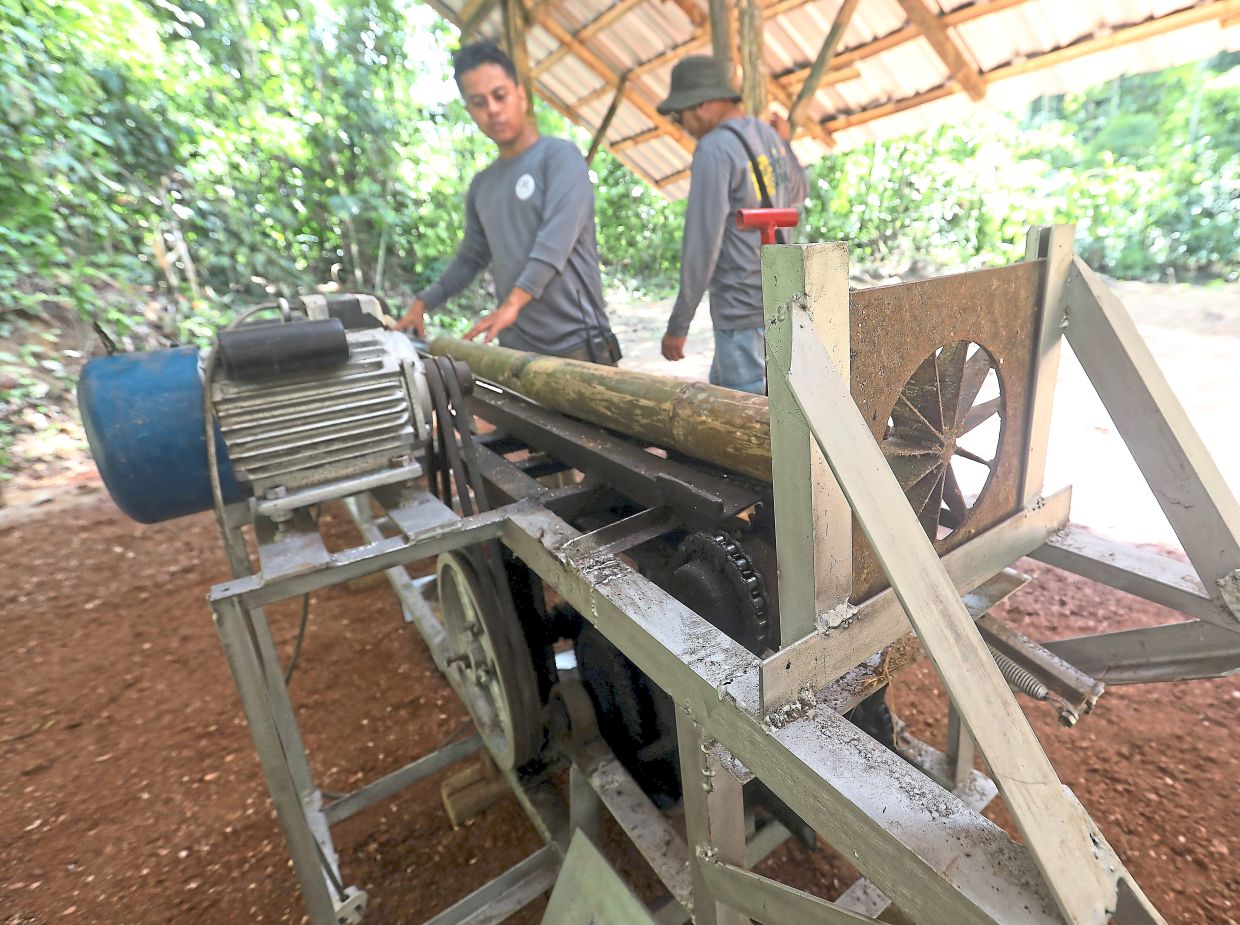
Sead (which stands for Stewards of Environmentally-Aware Development) is a company specialising in the use of bamboo as a sustainable solution for the built environment, land restoration and community empowerment.
Elaborating on the collaboration, Sead Industry executive director Lucas Loo said there was growing demand for bamboo in the market and this prompted him to look for more supply.
“That was when I met with the Tok Batin (village chief), asking if we could buy bamboo from them,” he recalled.
The initiative soon kicked off, starting with the setting up of Sahabat Buluh Lestari, a local association to oversee operations.
“That was a major milestone,” said Loo.
“It makes it easy to formulate plans and figure out ways for the Orang Asli to best utilise their skills.
“At the same time, we are also careful not to exploit them while ensuring the environment remains well-cared for.”
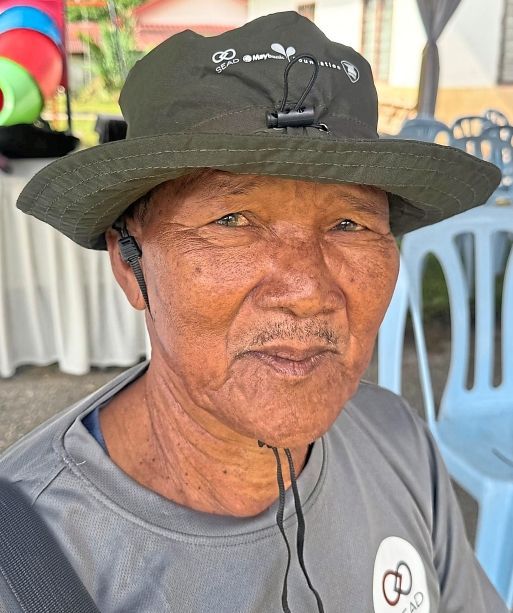
“I need to be on alert for accidents and thankfully, we have not encountered any wild animals,” he said.
The father of three, who also runs a sundry shop in the village, said he was grateful his community could now earn extra income.
“We used to harvest 200 bamboo poles a month, depending on demand from Sead Industry.
“This went up to 1,000, and now we may even reach 4,000 sticks a month,” he added.
As the villages are located inside forest reserves, Sead Industry community and programme senior manager Habibun Najar Zainal Abidin said they had to get permission from Perak Forestry Department to operate.
Although some families had been selling bamboo before the programme, he said, it was in small amounts.
“Now with this initiative, the bamboo is pooled and sold in bulk, allowing us to fetch better prices,” he added.
Kampung Orang Asli Pos Raya’s Tok Batin Ayob Alang said he worked with Orang Asli Development Department (Jakoa) to check on any proposed programmes in his village.
“We can’t simply allow anyone to come in. We must ensure their activities don’t harm the environment and our way of life.
“I have no issue with the bamboo programme. If my fellow villagers are keen to take part, I am happy to let them,” he said.
Corporate social responsibility
A ceremony was held in Kampung Orang Asli Pos Raya to mark the success of the Masig initiative.
Maybank Group Corporate Affairs head and Maybank Foundation chief executive officer Izlyn Ramli said they hoped the programme would uplift the communities involved by diversifying their income.
“On average, participants are now able to earn up to RM1,000 a month thanks to the programme,” she said when met after the event.
Izlyn said Maybank would continue to monitor the implementation of the initiative for a year to ensure consistent progress.
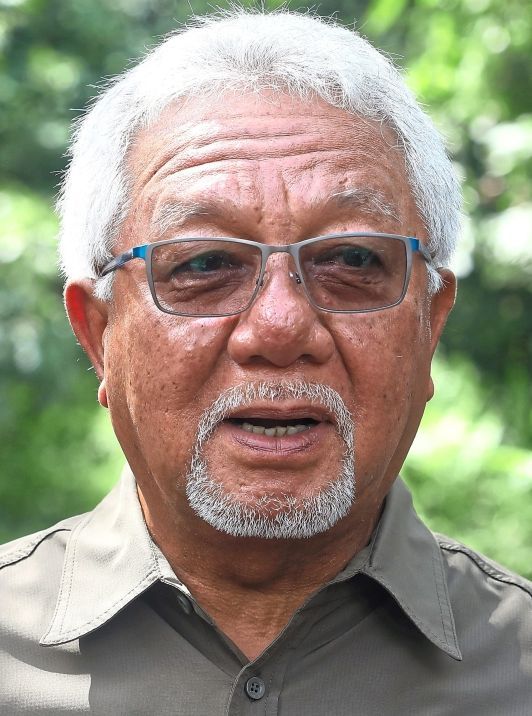
“This project provides the tools, knowledge and ecosystems needed by communities to generate income sustainably.
“The lessons learned from this programme will help us improve future initiatives to benefit communities across Asean,” he said.
Also present at the event were Gopeng MP Tan Kar Hing and Jakoa representative for Kinta and Batu Gajah Mohd Farizal Mohd Zakhir.
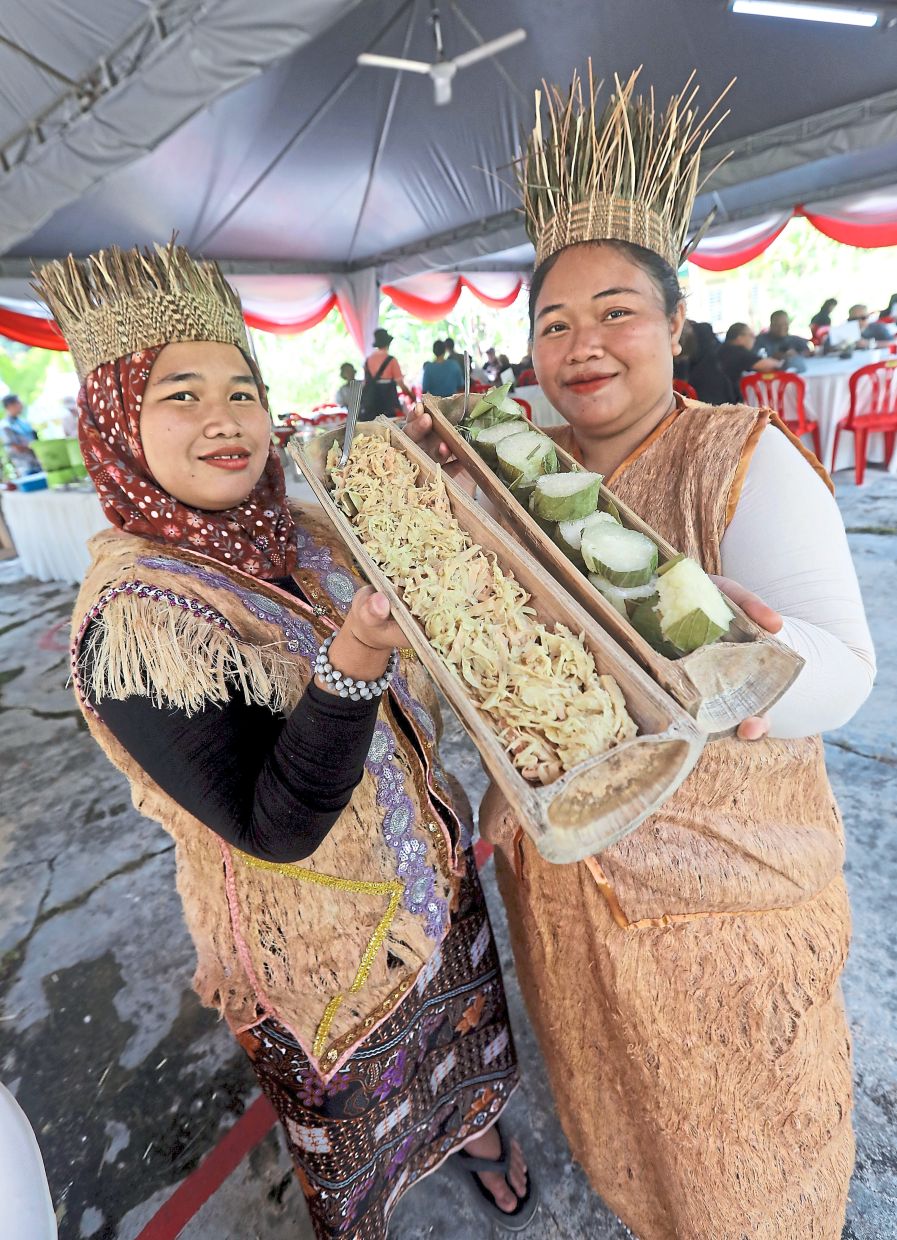
During the event, guests were treated to traditional fare popular among the Temiar tribe, which made up the majority of Orang Asli in this part of Perak.
They included Cep Pen Ol (gulai ayam pencen), Rembok Pen Ol (salad made of bamboo shoots) and Kuwoi Kemnem (grated sweet potato).
Villager Dayanti Ayob, 26, was among those preparing the food for guests.
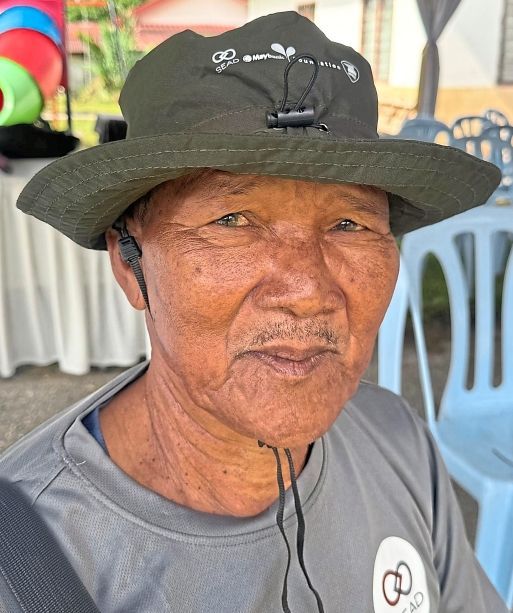
Also part of a local performance group, Dayanti was hopeful the bamboo pavilion would bring an influx of tourists.
“We have had a tour group or two before, but it was infrequent. Hopefully, it can become a regular thing once we have the proper premises to host them.”
Mother of two, Dayanti added that the villagers were eager to welcome visitors.
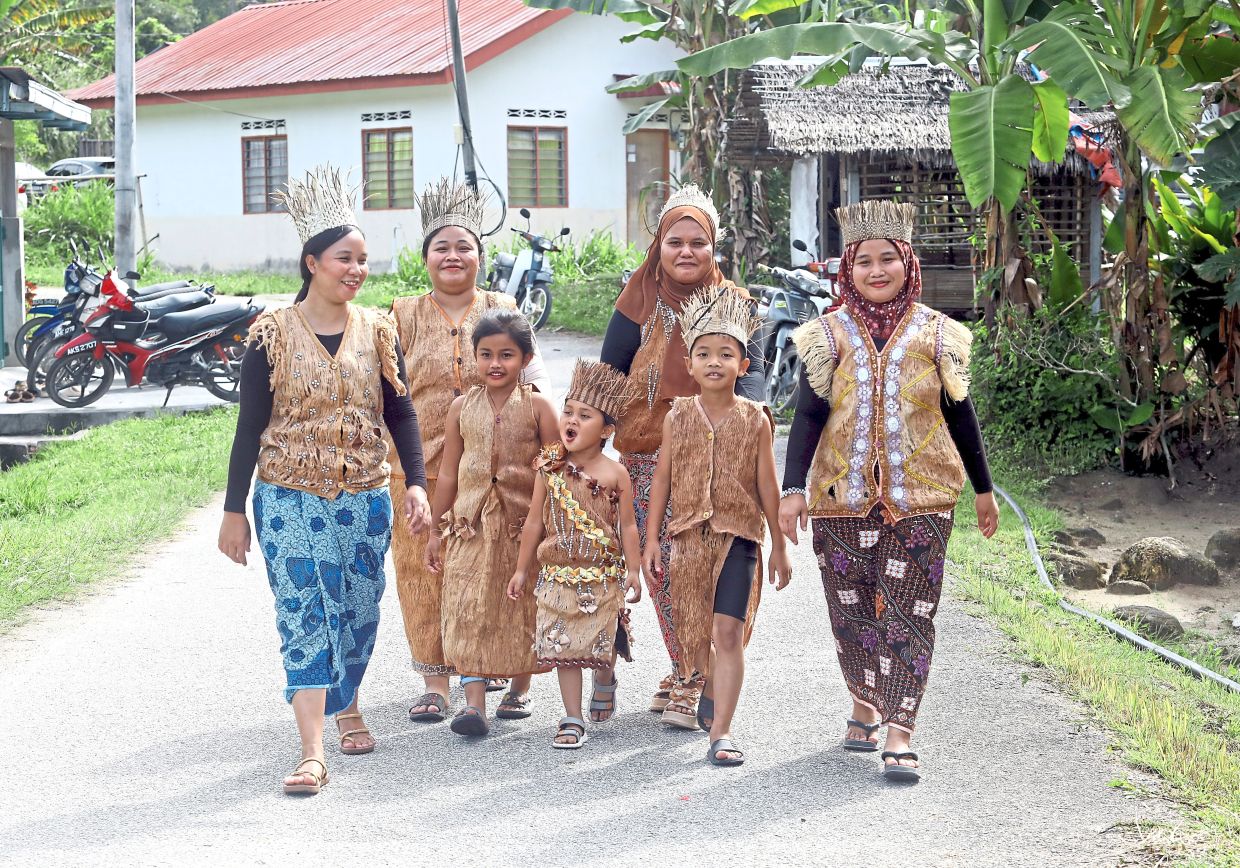
“Many people out there think Orang Asli communities are just simple folk who live in forests and mountains.
“But our culture and tradition are so much richer and we want to showcase that,” she said.