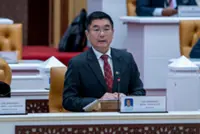
PERAK government is committed to ensuring children placed under the care of the Social Welfare Department (JKM) succeed not only academically but also in life skills and personal development.
State women, family, social welfare, cooperatives and entrepreneur development committee chairman Datuk Salbiah Mohamed said children placed in the three JKM institutions in Perak were there under court orders issued under the Child Act 2001.
She said children under the care of JKM were provided access to formal education according to their age and ability.
“This includes attending nearby schools or classes conducted within the institutions for those still undergoing rehabilitation.
“The focus is on literacy and numeracy to prepare them for mainstream education,” she said during the Perak State Assembly sitting at Bangunan Perak Darul Ridzuan in Ipoh, yesterday.
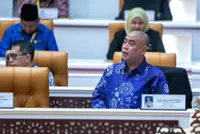
She was replying to a question posed by Muhammad Faisal Abdul Rahman (PN-Trong).
He wanted to know what steps the government was taking to support the education of children in JKM’s care.
Salbiah said the government also emphasised character building, emotional stability and self-esteem through regular counselling, psychosocial guidance and motivational programmes to help children overcome trauma and build confidence.
“In addition, children and adolescents are exposed to vocational skills through Technical and Vocational Education and Training (TVET) modules.
“The modules include sewing, basic culinary skills, handicrafts, light automotive work, basic maintenance and creative arts, equipping them with practical skills for employment or entrepreneurship after leaving the institution.
“This holistic approach ensures children in JKM care are given every opportunity to thrive academically, emotionally and professionally,” she added.
Salbiah said placement at JKM occurred when children are identified as needing protection due to neglect, abuse, exploitation, unsafe family environments or involvement in social risk behaviours.
“Adolescent girls, in particular, may require additional protection from exploitation.
“JKM institutions are not places of punishment; they are safe spaces for protection, rehabilitation and holistic development, giving children a second chance at life,” she said.