Exco member: State rolling out free vaccination drive for children
SELANGOR is grappling with a spike in influenza infections, recording 3,239 cases from 268 clusters cumulatively up to Oct 25.
A staggering 70.1% of the clusters were reported during the recent surge that began in late September.
Revealing the alarming figures, state public health and environment committee chairman Jamaliah Jamaluddin confirmed that educational institutions were at the epicentre of the outbreak.
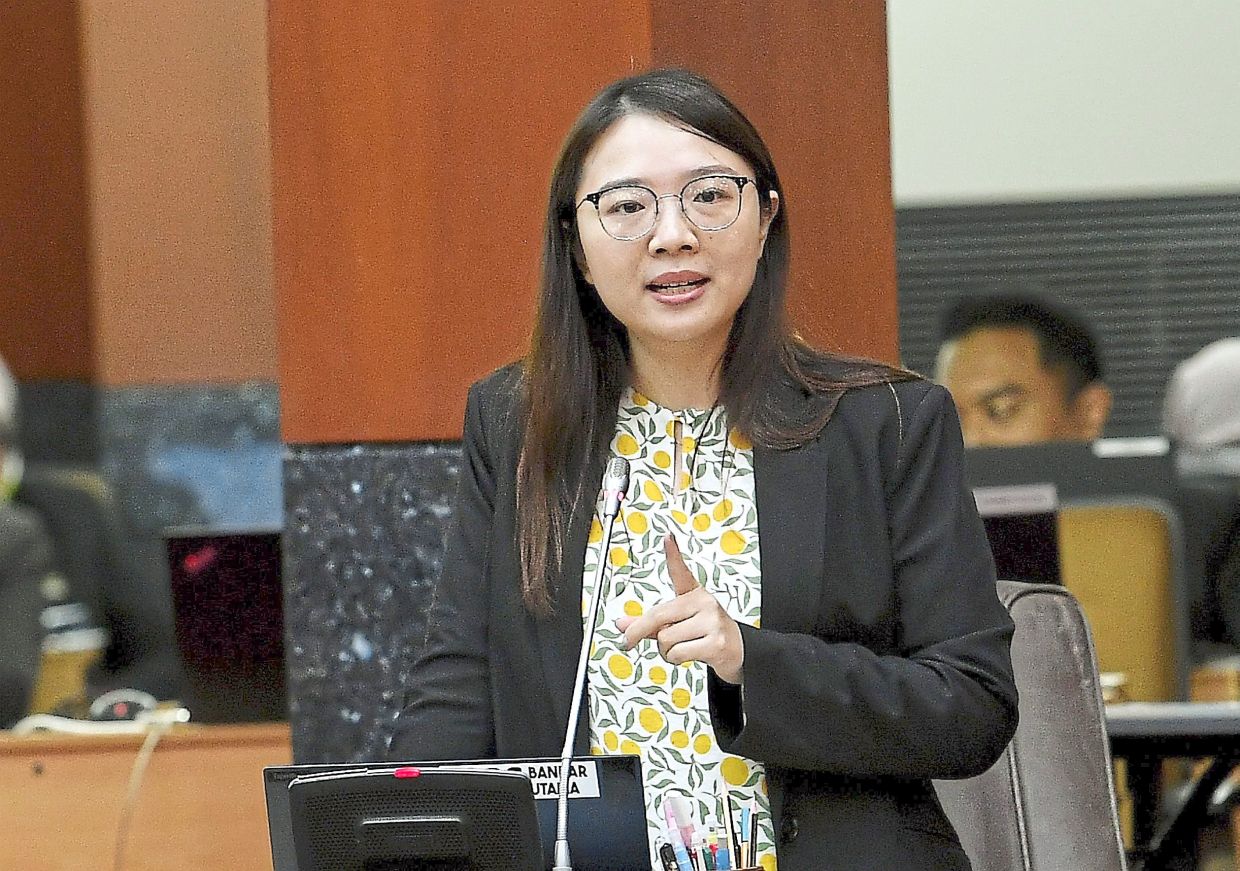
“As much as 81% were from institutional clusters, the majority of which were educational institutions, while the remainder were private household outbreaks,” she said during the Selangor State Assembly sitting at Bangunan Dewan Negeri Selangor in Shah Alam yesterday.
She said this in reply to Chua Wei Kiat (PH-Rawang) who asked about the number of influenza cases and deaths in Selangor and if the state government’s vaccination programme was provided free to high-risk groups.
Jamaliah said the severity of the situation was blurred because influenza was not a notifiable disease under Prevention and Control of Infectious Diseases Act 1988 [Act 342].
While the Selangor Health Department received several reports of influenza-related deaths during the surge, she said official records showed that from 2024 to the end of Epidemiology Week 43/2025, no deaths from influenza had been confirmed.
Jamaliah said confirming an influenza death required a comprehensive autopsy.
She also said the state government had begun an influenza vaccine immunisation programme for primary school pupils aged eight and below from the second week of November.
This, she added, was to ensure lessons were not disrupted.
Jamaliah said the move prioritised the four districts recording highest number of infections – Petaling, Klang, Gombak and Hulu Langat.
“The programme uses a two-pronged approach, featuring outreach efforts for Integrated Special Education Programme (PPKI) pupils and a walk-in system for others via selected Selcare panel clinics, coordinated through the Selangkah application,” she said.
Acknowledging the issue of “vaccine phobia” stemming from the post-Covid-19 era, which was raised by Chua, Jamaliah said the influenza vaccination was not mandatory and it required parental consent, either through the school or the Selangkah app.
“The programme is currently only the first phase, and its continuation into 2026 remains uncertain,” she said.
She added that Health Ministry also provided 37,000 free doses of the vaccine via 82 government health facilities statewide to senior citizens with chronic illnesses.
On a brighter note, Jamaliah said dengue cases recorded in Selangor dropped by 64% this year, from 56,400 last year to 20,399 by Epidemiological Week 45 of 2025.
Six deaths were reported in 2025, down from 14 over the same period last year, she said, adding that the state government’s continuous efforts had yielded positive results.
Responding to queries from Abbas Salimi Che Adzmi@Azmi (PH-Sri Serdang), Jamaliah however said the state would not let its guard down and would continue to take preventive measures.
“Selangor will channel an annual RM4mil for dengue control, with RM2.7mil allocated directly for local authorities to run community-based prevention programmes.”
This structure, she said, facilitated detailed, district-level action meetings to identify outbreak hotspots and deploy targeted, integrated vector management combining environmental, chemical and biological controls.
She added that Selangor was intensifying two key ground-level initiatives.
First is to expand the release of Wolbachia-bearing Aedes mosquitoes into two new high-risk localities in Petaling district, namely Pangsapuri Subang Hijauan and Pangsapuri Flora.
The Wolbachia bacteria prevents the transmission of the dengue virus, offering a strategic layer of protection.
Second will be increasing gotong-royong sessions in search-and-destroy exercises for mosquito breeding sites at hotspots.
Jamaliah said community empowerment remained central, and efforts would continue via programmes involving residents’ associations, schools and religious institutions.