TRAFFIC along Jalan Kelang Lama in Kuala Lumpur has plummeted from a manageable Grade B to a failing Grade F in recent years.
Happy Garden Residents Association honorary secretary Evelyne Low said she would be spending over 40 minutes on a drive that once took her just eight minutes after passing the MidValley Megamall stretch.
“I worry that, with the upcoming Urban Renewal Bill, unchecked redevelopment will push congestion to breaking point, unless proper traffic studies are matched with an integrated transport and dispersal plan plus real fixes on the ground for the bottlenecks we have been living with for years.”
Low said public transport and supporting infrastructure must move in tandem.

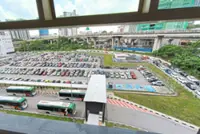
“The MRT Kuchai station carpark is packed to the brim and cars are spilling onto the roadside.
“We keep telling people to use public transport, but the stations don’t have the facilities to support that shift.
“If we cannot even provide enough parking for commuters, how do we expect them to leave their cars and take the train?”
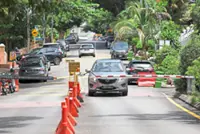
Fairview Mansion Apartment chairman Daniel Charles recalled one of the worst gridlocks was an 800m-crawl from Jalan Gembira to Jalan Kelang Lama junction, near the former Plaza OUG site, that took 40 minutes.
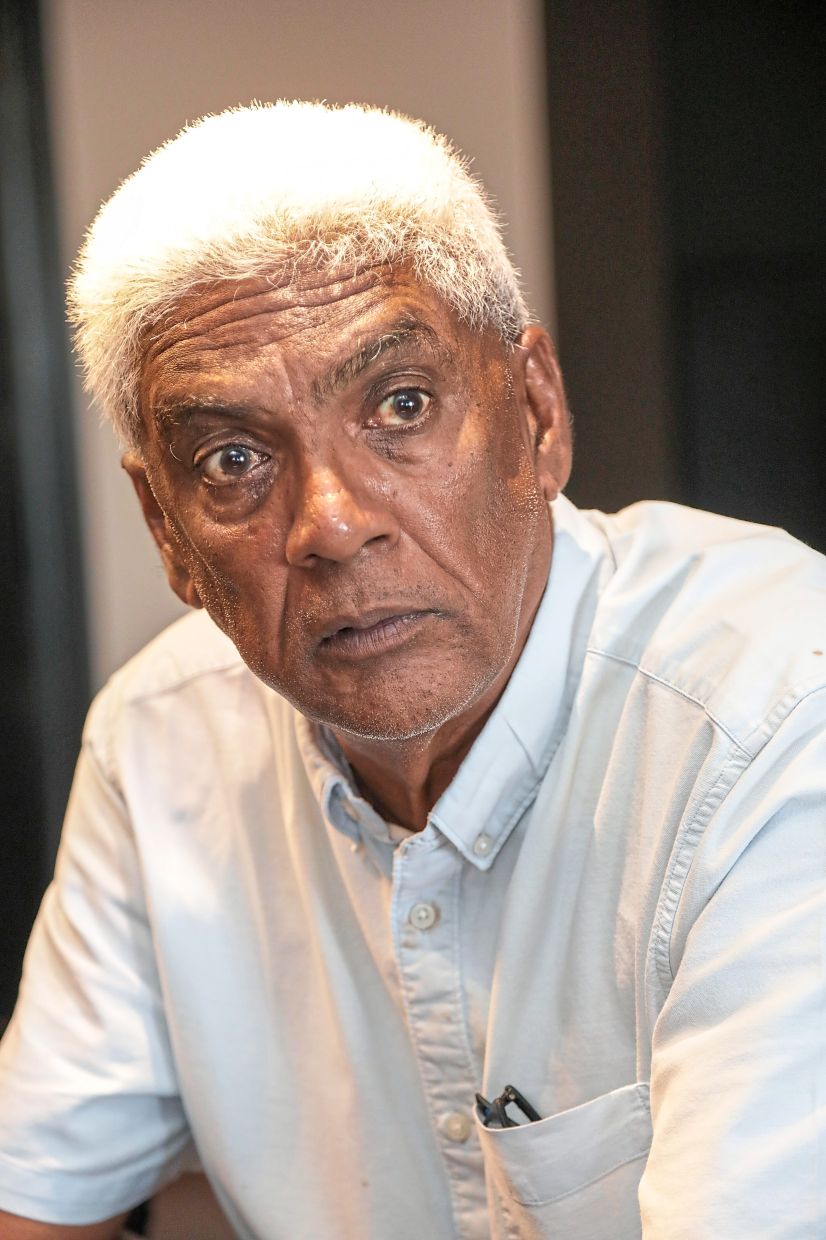
He blamed the chaos on utility contractors working near 4th Mile Jalan Kelang Lama, who failed to complete their digging works the night before and had to continue the next morning, causing massive jams across both main and inner roads.
“Jalan Kelang Lama has been widened repeatedly since the 1980s, often without proper planning.
“With every widening, the carriageway shifted further out, leaving many of the original utility cables buried in what is now the middle of the road,’’ said Charles.
“When contractors start digging and fail to finish on time, the entire stretch grinds to a halt the next morning,’’ he noted.
Charles said that lack of enforcement at key junctions, narrow feeder roads and poor coordination between agencies, coupled with a public transport network without a last-mile connectivity, have turned the corridor into a daily nightmare.
“There is no proper traffic dispersal plan, no integrated transport and no enforcement – it is a recipe for gridlock,” he said.
He pointed out several critical hotspots – from the 3rd Mile Square area to the junctions of Taman Desa, Kuchai Lama, Pearl Point, Jalan Gembira and Jalan Puchong, heading towards Taman Sentosa and Taman Kanagapuram in Petaling Jaya that urgently needed better traffic control.
Any future redevelopment, he said, must come with a proper traffic management plan or risk paralysing the entire corridor.
Seputeh People’s Represent-ative Council (MPPWP) Zone 6 chairman Alvin T. Ariaratnam agreed with Charles, adding that with the number of new developments sprouting along the corridor, the junctions urgently needed traffic wardens to ensure the vehicles kept moving.
“If we can have at least two officers at each spot from 7am to 9am, it will make a world of difference in easing the bottlenecks,” he said, adding what was missing was proper planning backed by data.
“We need better maps and stronger traffic and environmental studies – everything from Traffic Impact Assessments to drainage reports,” said Alvin.
“The condominium where I live, borders Puchong and Kuala Lumpur. We are caught in a daily gridlock because of poor planning. Everyone’s suffering from it,” he added.
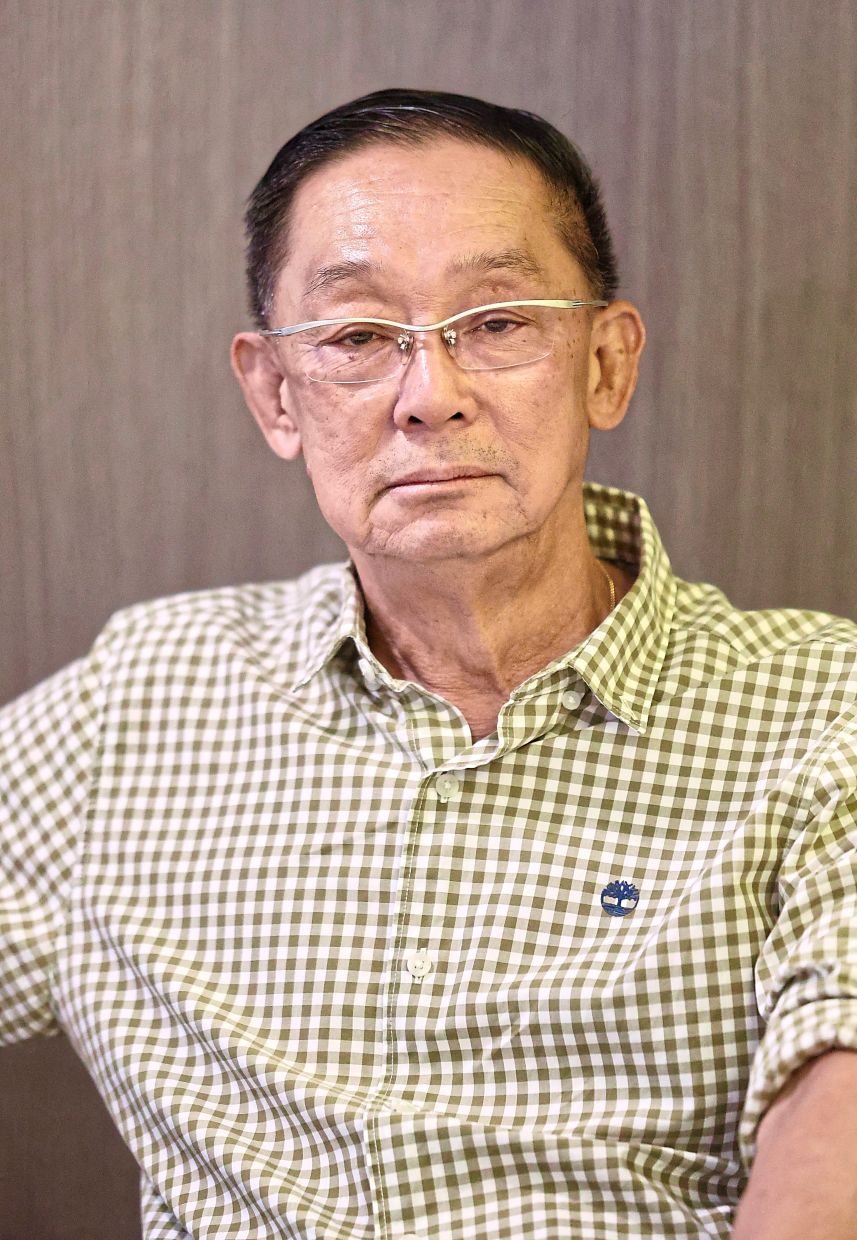
Taman Desa Residents Association chairman Wong Chan Choy dreads leaving home before 9am, as traffic congestion around his neighbourhood has become unbearable.
“It literally saps my energy being stuck in traffic every morning,” he said.
He said worsening congestion along Jalan Kelang Lama stemmed from years of unchecked development and poor planning.
“Everywhere you look, there is a new high-rise coming up. There are more land banks earmarked for development.
“The problem is, everything is being done for the present, just build, sell and move on, with no thought for the future.
“The carrying capacity of the roads and infrastructure is already stretched. If we don’t plan, the gridlock will only get worse,” he reiterated.
Wong said there must be clear benchmarks before high-density projects are approved.
“Developers shouldn’t be allowed to just build and move on. There must be checks to ensure infrastructure, roads, drainage and utilities can actually cope. Otherwise, the city will choke before renewal even begins,” he said. — By BAVANI M