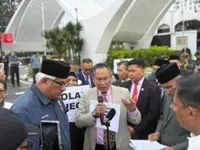
THE Government’s decision to defer the tabling of the Urban Renewal Bill has given planners and transport experts a window to push for what they say the draft lacks – data.
They urge the authorities to collect data such as traffic impact, environmental studies and urban simulations that are mandatory requirements under the proposed law.

They stressed that no redevelopment proposal should be approved without such vital information.
Experts warn that without such provisions, the Urban Renewal Bill risks worsening congestion and placing further strain on already overstretched infrastructure.
Housing and Local Government Minister Nga Kor Ming had said the government had no objection to delaying the Bill, describing the move as an opportunity to gather constructive feedback.
He added that the Town and Country Planning Department (PLANMalaysia) had been directed to review all stakeholder input before finalising the draft.
Second reading of the Bill was postponed from its initial schedule on Oct 6 and will be debated at a later date.
Despite the postponement, the Bill continues to face heavy criticism from various groups, including Opposition parties and even some government-aligned members.
Are we on right track?
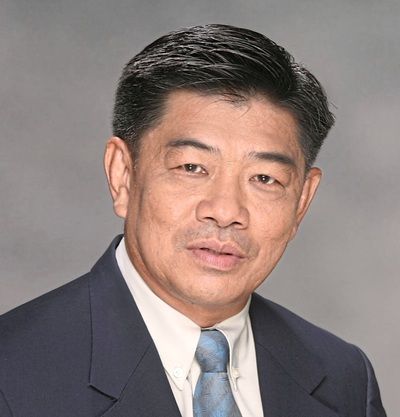
Traffic consultant Goh Bok Yen welcomed the deferment of the Bill, but wondered if the direction taken was right.
“Urban renewal is unavoidable,” he said.
“The real question is which direction are we taking, and how do we manage it?
“Any form of renewal will create social, traffic and property challenges.
“What matters is how we balance them with infrastructure capacity and people’s daily lives,” he told StarMetro.
Goh said Malaysia’s development model had long revolved around private vehicles.
“Only recently have we begun discussing public transportation seriously.
“As we move towards urban renewal, are we truly shifting towards a public transport-oriented model, or merely dressing up the same car-centric system?”
He said current planning standards still encouraged high car usage that ran counter to the goals of sustainable redevelopment.
“We continue to require large numbers of parking spaces in new projects.
“Is that the trend we want to keep, or are we ready for new standards that anticipate fewer cars?
“Renewal should reduce car trips, not multiply them,” he said.
Goh said public transport usage in Malaysia remained low, estimated at about 20% to 25%, falling short of the National Transport Policy target of 40%.
“Urban renewal must start with one basic question: what kind of traffic policy are we adopting?
“Our existing road network cannot cope with unchecked redevelopment.
“There is clear mismatch between what we are building and what the infrastructure can support,’’ he added.
The Urban Renewal Bill’s potential hinges on how well it integrates transport, infrastructure and social needs.
“The success of any urban renewal project depends on how well its development pattern fits into the local context.
“In cities like Kuala Lumpur and across the Klang Valley, that acceptability is crucial.
“Each site must be able to function within its own micro-level conditions before it can integrate into the city’s larger structure,” said Goh.
“Developers may sell the dream, but the ground reality is often very different.
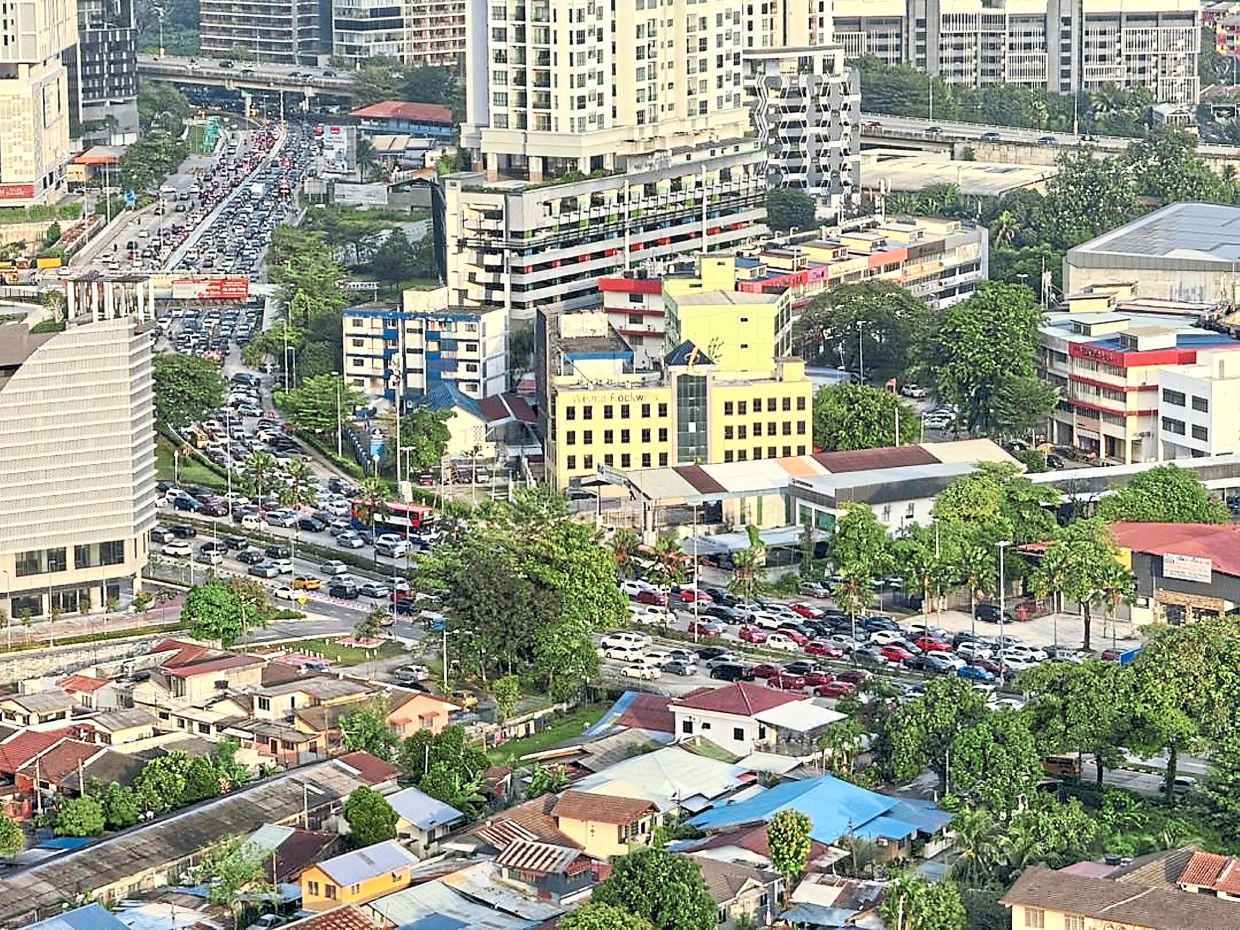
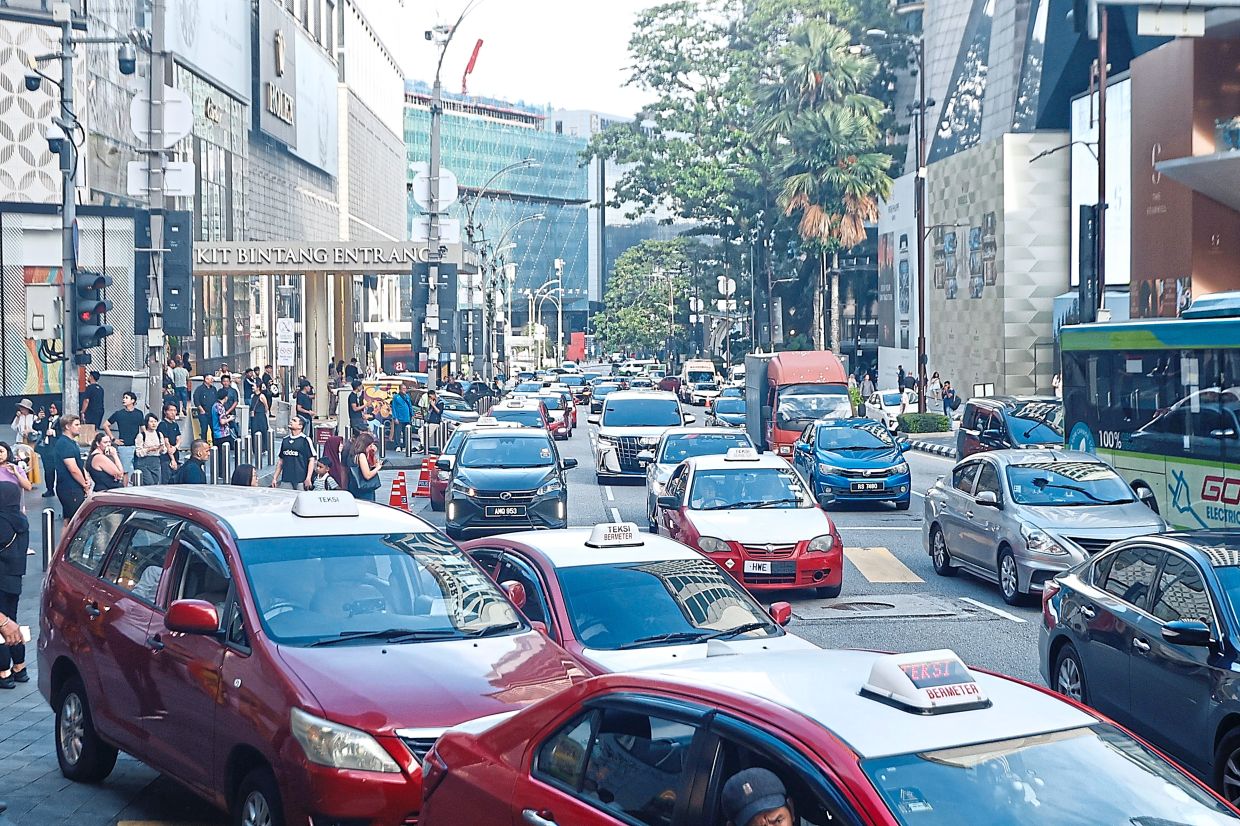
“Just look at Jalan Kelang Lama – traffic there regularly grinds to a halt, with motorists spending half an hour just to get out of their neighbourhood. That is what happens when renewal moves ahead without matching infrastructure planning.”
Goh said renewal must be carried out with foresight, proper planning and a realistic grasp of how people live.
Overburdened infrastructure
Transport and logistics specialist Dr Rosli Azad Khan agreed with Goh, reiterating that Kuala Lumpur’s current infrastructure could not realistically support the density envisioned under the Bill, at least not without significant upgrades.
“Significant improvements in public transport infrastructure are needed and developers, not the Federal Government, should bear these.
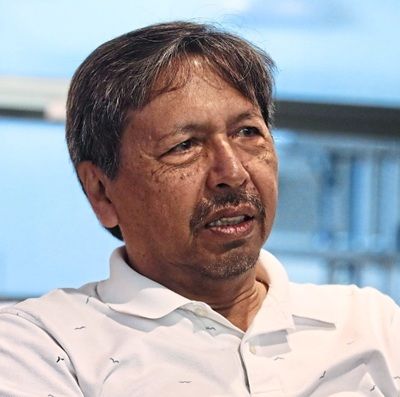
“Local authorities must also tighten controls on plot ratios and vehicle use,” said Rosli, who is MDS Consultancy Group managing director.
He said Kuala Lumpur’s urban fabric remained one-sided, favouring private vehicles.
“Areas such as KLCC, TRX and KL Sentral can absorb more people if managed properly as transit-oriented developments, but many old neighbourhoods are lagging.
“Segambut, Selayang, Batu Caves, Sentul, Cheras, Wangsa Maju and Jalan Kelang Lama still lack reliable sewage, drainage, public transport and green space,” he said.
“At its core, the Urban Renewal Bill aims to speed up redevelopment, but too much focus has gone into fast-tracking approvals instead of strengthening basic services.
“Without matching infrastructure, redevelopment will only worsen congestion, flooding, displacement and housing inequality,” he stressed.
Rosli said Malaysia should learn from global examples.
“Cities like London and Singapore tie new development rights to infrastructure capacity, public transport access and liveability standards.
“Projects are approved only when they are within walking distance of major transport corridors, with access to parks, schools and jobs,” he said.
He added that Malaysia’s renewal efforts must follow the same principles, limiting car ownership in city centres, ensuring open spaces and requiring developers to meet infrastructure benchmarks before approval.
Planning blind spots
Architect Anand Krishnan said Malaysia’s planning process had been reactive for decades.
“We spend years drafting plans, only to make ad hoc changes later without considering long-term impacts.

“Traffic and environmental studies are often ignored when it is time to decide,” he said.
He warned that once large tracts of land were designated as renewal zones under the Bill, critical studies could slip through the cracks.
“These studies should be made public and displayed alongside redevelopment proposals, allowing people to review them.
“Each proposal in the Bill should have a technical checklist verifying that all studies, traffic, environmental, infrastructure and design simulations are completed before work starts,” said Anand.
He called for urban simulation tools to show how proposed density levels would look and feel.
“For instance, show what a plot ratio of six looks like compared to 10. These visualisations help people understand the real impact on traffic flow, shadows (sunlight loss when a building goes up) and open spaces,” he said.
Future planning, Anand stressed, must be holistic.
“It is not just about bigger buildings.
“Where are the bus stops, pedestrian links and shaded walkways?
“Why build 1,000 parking bays beside an MRT station?
“Drawings should clearly show both existing and new elements.
“Renewal must be about creating cities that function, not just ones that look modern.”
Using density to build better
Malaysian Land Public Transport Fans representative Zac Cheong said Kuala Lumpur’s existing urban rail network – comprising MRT, LRT, monorail and commuter lines – offered a strong base for renewal.
“The Urban Renewal Bill’s density vision is what’s needed to justify the next wave of infrastructure investment.
“We shouldn’t treat current capacity as a ceiling, but as a foundation,” he opined.
“Concentrating growth around transit hubs is the most sustainable model because it supports frequent, reliable public transport,” he said.

Cheong said development benchmarks should shift from car-centric measures to “people-moving capacity”.
“Instead of counting cars per household, we should measure how many residents commute without one.
“Success should be defined by public transport usage and proximity to amenities within a short walk,” he said.
He warned that infrastructure delays could erode public confidence.
“If residents face overcrowded trains and congested streets without visible improvements, they will lose faith in sustainable density.
“That is not a reason to stop development – it is a reason to plan it better, tying project approvals to infrastructure delivery.
“Developers should help improve the wider public realm, parks, shaded walkways and open spaces while ensuring tall buildings engage the street with active, people-friendly ground floors,” said Cheong.