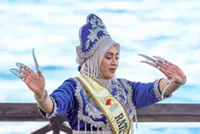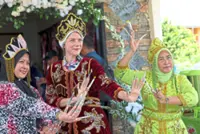
Practitioners play their part in preserving and promoting Bajau traditions through dance
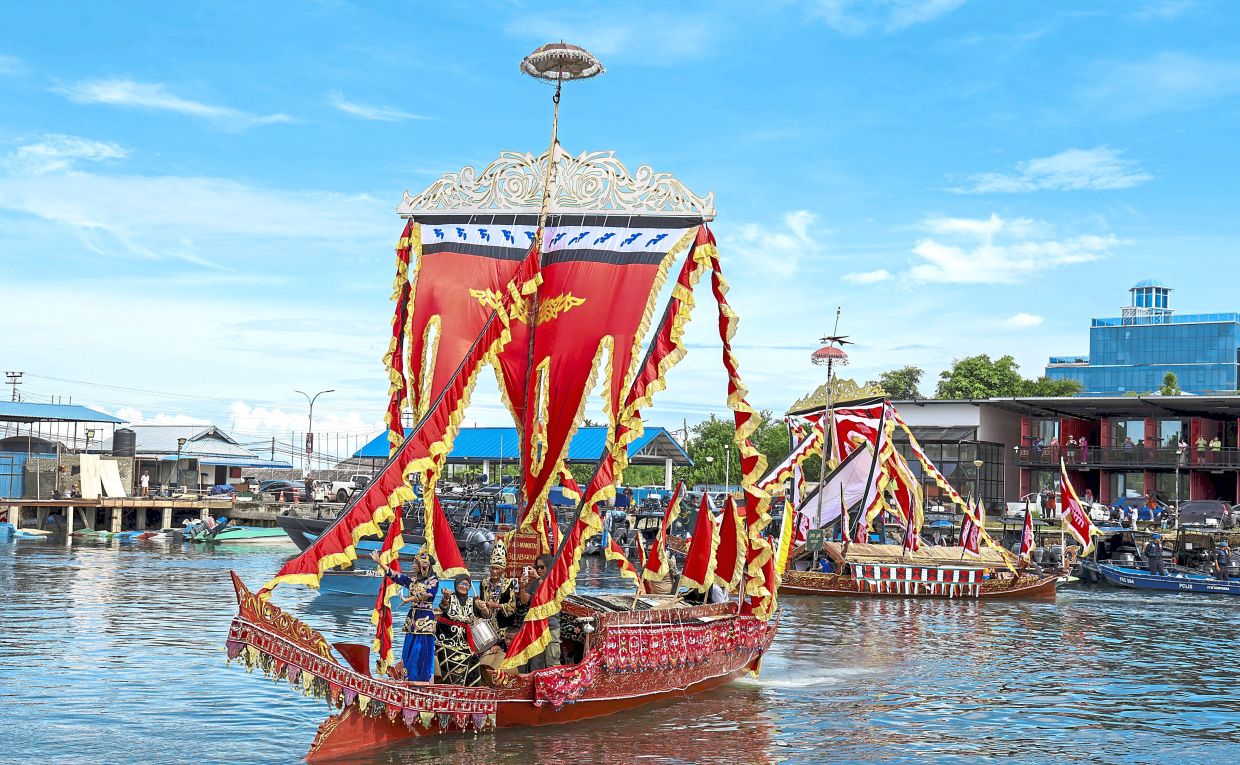
THE Igal dance, a captivating performance by the Bajau community of eastern Sabah, graces official ceremonies and festive events like the annual Regatta Lepa in Semporna.
More than just an elegant art form, it embodies the heritage, culture and dignity of the Bajau people.
It is no wonder many Bajau master this dance, as it is an integral part of their upbringing, taught from a young age.
One of its notable practitioners is 2012 Lepa Queen, Elina Jikanari, 42, who began learning the dance at the age of seven.
Since earning her title 13 years ago, Elina has seen the Igal gain recognition beyond Semporna, particularly with Regatta Lepa’s inclusion in Sabah’s tourism calendar.
“Interest in Igal is very strong here. Children start showing an interest in it usually from as young as seven years old.
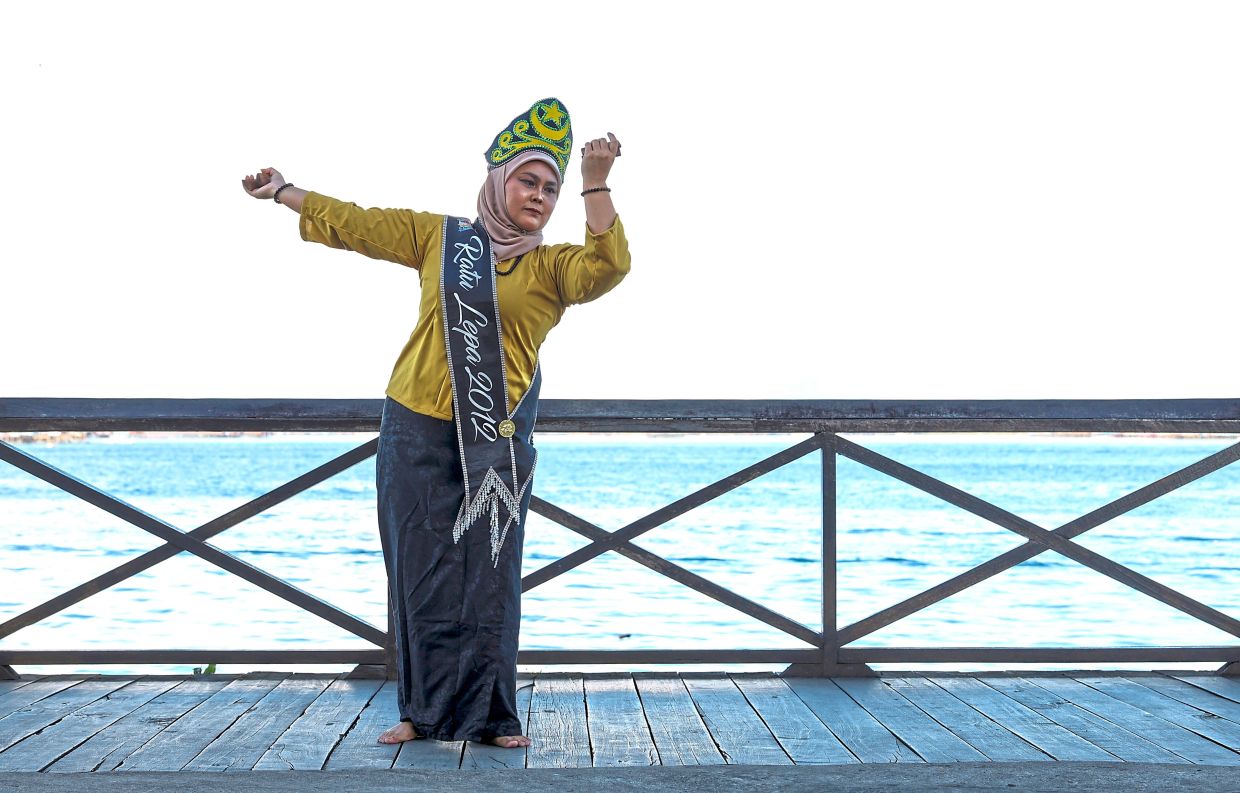
“Each year more tourists come for Regatta Lepa, and they are fascinated by the uniqueness of the dance movements,” the mother-of-two told Bernama.
Elina, one of 23 Igal Queens crowned at the festival, said performers traditionally wear black, yellow or green kebaya outfits without beads or sequins.
Their headpieces − known in the Bajau language as mahakuttak, ladjuk and jabang − are complemented by ornate nail adornments called salung kuku, janggai and solengkengkeng.
“During performances, the Lepa Queen holds wooden clappers called bolak-bolak which produce rhythmic sounds,” said Elina, who has performed overseas, including in Yogyakarta of Indonesia, in 2019.
Meanwhile, Nur Aina Naziha Abdul Ghafor, 32, a Lepa Queen who was crowned in 2018, said the title carried the duty of promoting Igal and preserving Bajau traditions among younger generations.
She also uses social media to share knowledge and raise awareness about Bajau culture.
“I hope young people will better understand and celebrate our traditions, not only in Semporna but across Malaysia,” said Nur Aina, who represented Malaysia at the Bajau Kalimantan Berau Festival in Indonesia in 2019.
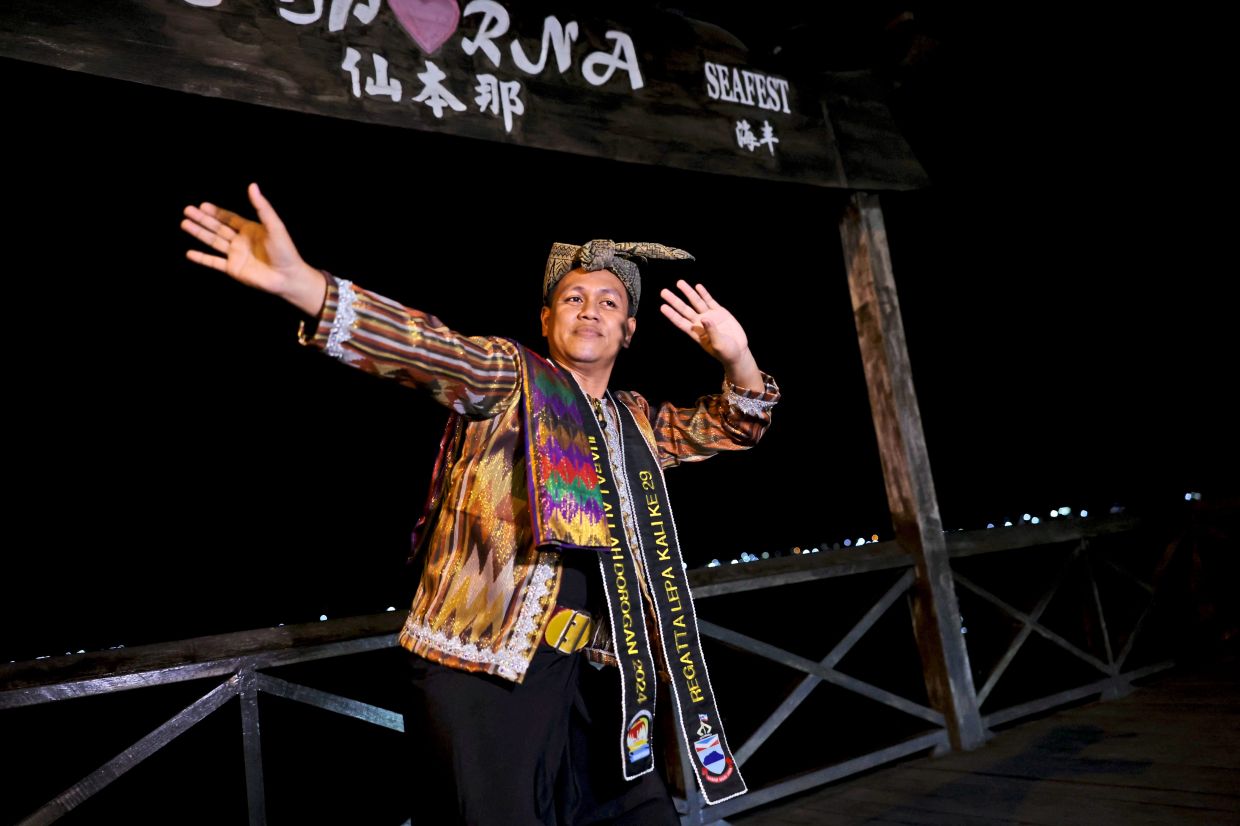
Datu Sabri Datu Alawiddin, 33, winner of the 2024 Igal Lallah Dorongan (Best Male Dancer) title, said mastering the dance required learning four key rhythms or titik – kuntau, tabawan, tarirai and lellang.
His passion for Igal began in primary school and led him to study dance at Universiti Pendidikan Sultan Idris in Perak.
“I plan to conduct Igal workshops to promote this traditional art beyond our community.
“If not us, who else will preserve it?” he asked.
Meanwhile, Khalid M. Taib, chairman of the Semporna Bajau Arts, Welfare and Heritage Association, expressed hope that Semporna would one day have its own cultural hall to nurture Bajau arts and engage more youth in cultural activities.
“Kota Kinabalu has KDCA for the Kadazandusun, and Tuaran has a Bajau hall.
“Semporna deserves a dedicated centre too, a place to preserve and showcase Bajau culture and heritage,” he said, noting that Regatta Lepa has been celebrated for over 30 years.
Lepa Queen is the title given to the winner of the Regatta Lepa, a traditional water festival honouring the Bajau people’s seafaring heritage.
The event, first held in 1962 as Tamu Besar Semporna, was revived in 1995 under the initiative of then Sabah governor Tun Sakaran Dandai, a native of Semporna.