FROM making eco-friendly bath bombs to running aquaponic farms and even creating a caffeine-free coffee alternative, some schools are going beyond teaching subjects in classrooms.
Driven by passionate teachers, these schools are turning ordinary lessons into hands-on experiences that encourage students to think critically, create sustainably and care deeply about the environment.
At SK Taman Suria in Johor Baru, science teacher Rashidatul Kamilah Samsuri said the school’s green journey began almost a decade ago with a simple recycling project.
“When we started in 2016, it was just about collecting recyclable items like bottles and boxes from home.
“We later turned it into a small competition to make it fun for pupils.
“Over time, the initiative grew into something much bigger.
“What began as a weekly contest has now become a school culture,” she said.
Rashidatul Kamilah, who is also the school’s Iskandar Malaysia Ecolife Challenge (IMELC) coordinator, said Thursdays were now designated as “Recycling Day”.
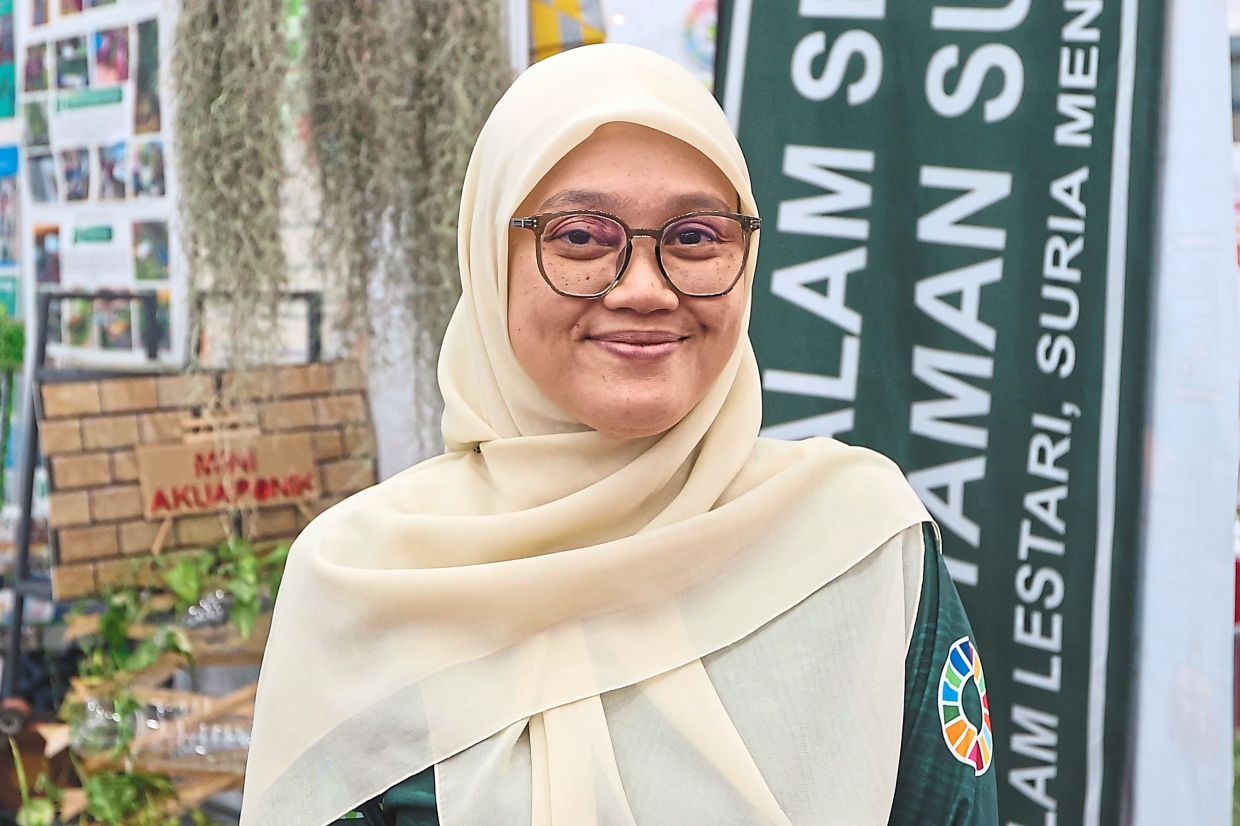
“Thursday is a day for recycling. Parents and pupils bring recyclable items from home without having to be reminded.
“It has become part of who we are,” she told StarMetro when met during the Iskandar Puteri Low-Carbon Carnival.
She said the Wakaf Botani project, for pupils to grow vegetables, was another green initiative at the school.
“We share the vegetables with local residents, old folks homes and the homeless,” she said.
“When the pupils harvest and deliver the vegetables themselves, they see firsthand how their work benefits others.
“This teaches them empathy and gratitude,” she added.
Rashidatul Kamilah said the school also run an aquaponic project, combining aquaculture and hydroponics.
“This is in line with United Nations’ Sustainable Development Goals on eradicating poverty and hunger.
“We want our pupils to understand that their actions can make life better for others,” she said.
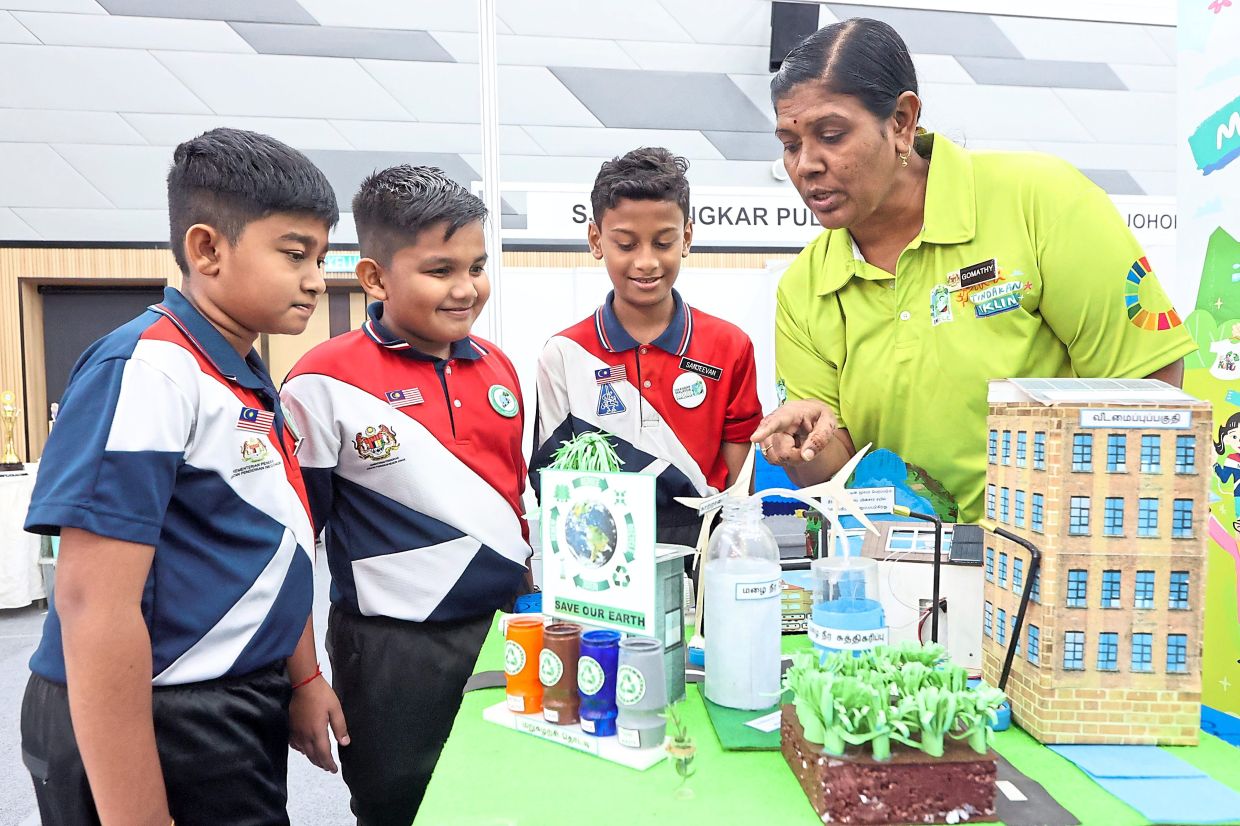
Over at SJK (T) Kangkar Pulai, science teacher Dr S. Gomathy has been inspiring pupils to care for the environment and community through practical, hands-on lessons that blend creativity, innovation and compassion.
“Among our projects is a greenhouse where pupils grow vegetables,” she said.
“The vegetables they grow are not only used for classroom lessons but also shared with others.
“We donate the harvest to B40 families and orphanages.
“It teaches my pupils that sustainability is not just about protecting the environment, but also about caring for people.”
Gomathy said the greenhouse, which initially focused on traditional planting, had been transformed into a hydroponic garden where pupils grew more crops using less soil and water.
“I also want my pupils to take their creativity to the next level, so I have been encouraging them to develop new projects from the greenhouse,” she said.
“We moved into what I call the industrial phase with students learning how to turn vegetables into useful products.”
Among the products created are soaps made from garden- grown Roselle flowers, besides a caffeine-free coffee substitute made from date seeds and leaves.
“It looks, smells and tastes like coffee, but without caffeine.
“This way, we are helping people reduce their coffee intake while making something healthier and sustainable,” said Gomathy, who holds a PhD in educational technology.
She said these projects were not meant for commercialisation but to encourage her students to explore and innovate.
“I want my pupils to be creative. I always tell them to find a problem, think about how to solve it, then test their ideas.
“The products we have today, including the soap and the coffee, are all results of our experiments,” she said.
Her goal is to nurture confident, curious learners to believe change starts small.
“When they realise that something they made helps others, that is when they start believing they can make a difference,” she added.
Gomathy, who is also the school’s sustainability coordinator, constantly encourages students to give waste a second life.
“Pupils collect and compost leftover food from the canteen, which is then processed into planting material.
“Nothing goes to waste. The idea is to show them that waste can be reused in creative ways and that what we throw away today can help something grow tomorrow,” she said.
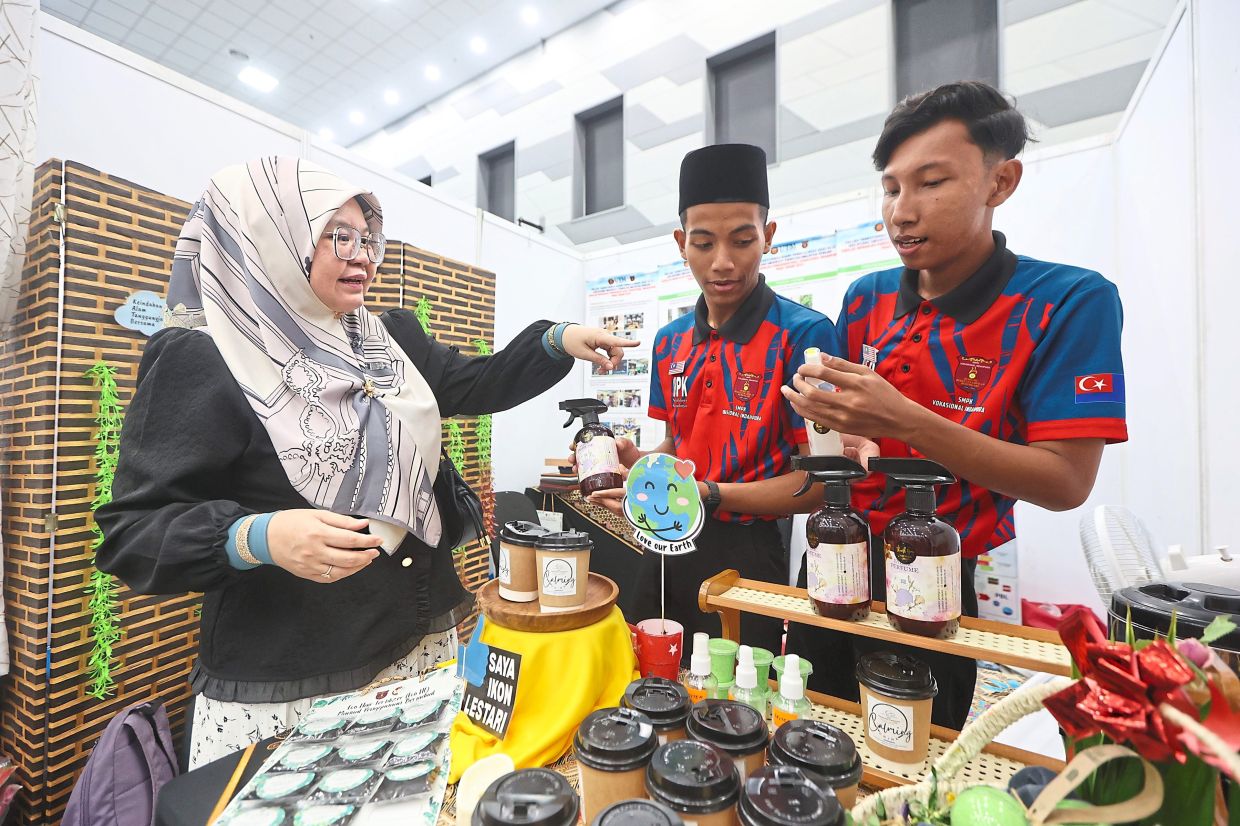
Also encouraging students to explore sustainable habits is SM Pendidikan Khas Vokasional Indahpura senior assistant (administration) Sulasteri Hairodin.
Instead of allowing hair clippings from the Kulai school’s hairdressing classes to end up in the bin, Sulasteri and her students give it new purpose.
“Our students suggested we try using the discarded hair for compost.
“They felt it was a waste to just throw it away.
“The idea worked and soon became one of the school’s most talked-about sustainability projects,” she said.
She said the fertiliser, made from 70% food waste and 30% hair, was now used to nourish the school’s small green corner.
“We mix the hair with food waste from the canteen to make compost fertiliser for our garden. The plants grow really well with it,” said Sulasteri.
“The project has also inspired other creative ventures, such as producing eco-friendly bath bombs from pandan leaves and herbal tea blends using plants from their garden,” she said.
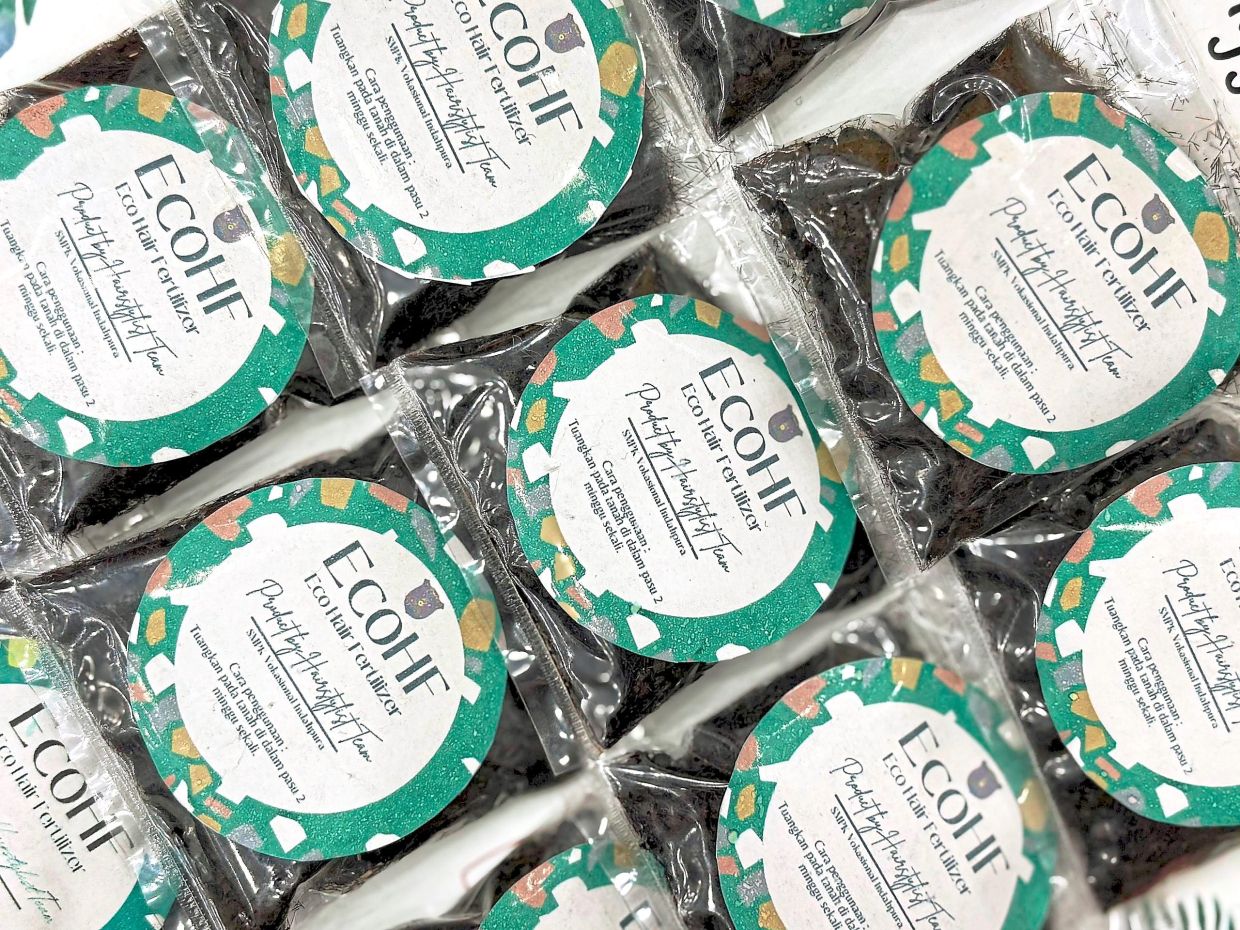
“The products are not just for show; they help our students apply what they learn.”
She added that the products were also sold at fairs whenever the school was involved in events that gave students a platform to promote their wares.
Sulasteri said the experience taught students that everyone could play a role in protecting the environment.
The three schools were among those taking part in the fourth edition of the Iskandar Puteri Low-Carbon Carnival.
Iskandar Puteri mayor Hasrin Kamal Hashim said the carnival drew about 6,000 visitors, including students, parents and community members from across Johor.
He added that the carnival also celebrated the outstanding achievements of around 300 schools, which took home more than RM300,000 in prizes through platforms such as the IMELC, Johor SDG Challenge, and RCE Low-Carbon Exhibition.