ZOO Negara is home to more than 4,000 animals and taking care of them is a gargantuan task.
As such, the services of volunteers are welcomed by the zoo management.
That is where Zoo Negara’s KeeperKu programme fills the gap; it offers animal lovers a chance to step into a zookeeper’s shoes.
The initiative gives participants a glimpse into what goes on behind the scenes at Malaysia’s national zoo in Kuala Lumpur and to learn first-hand about wildlife care and conservation.
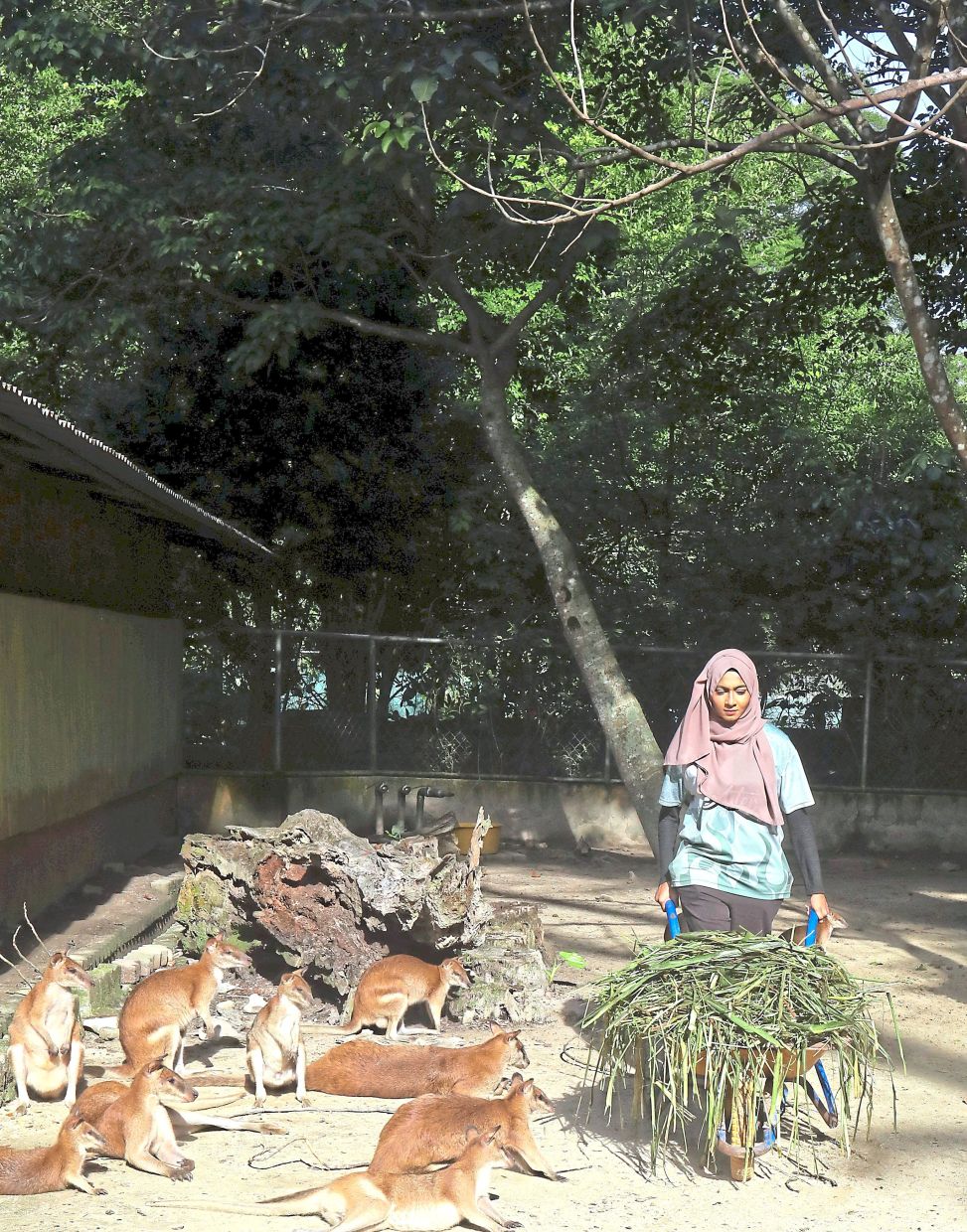
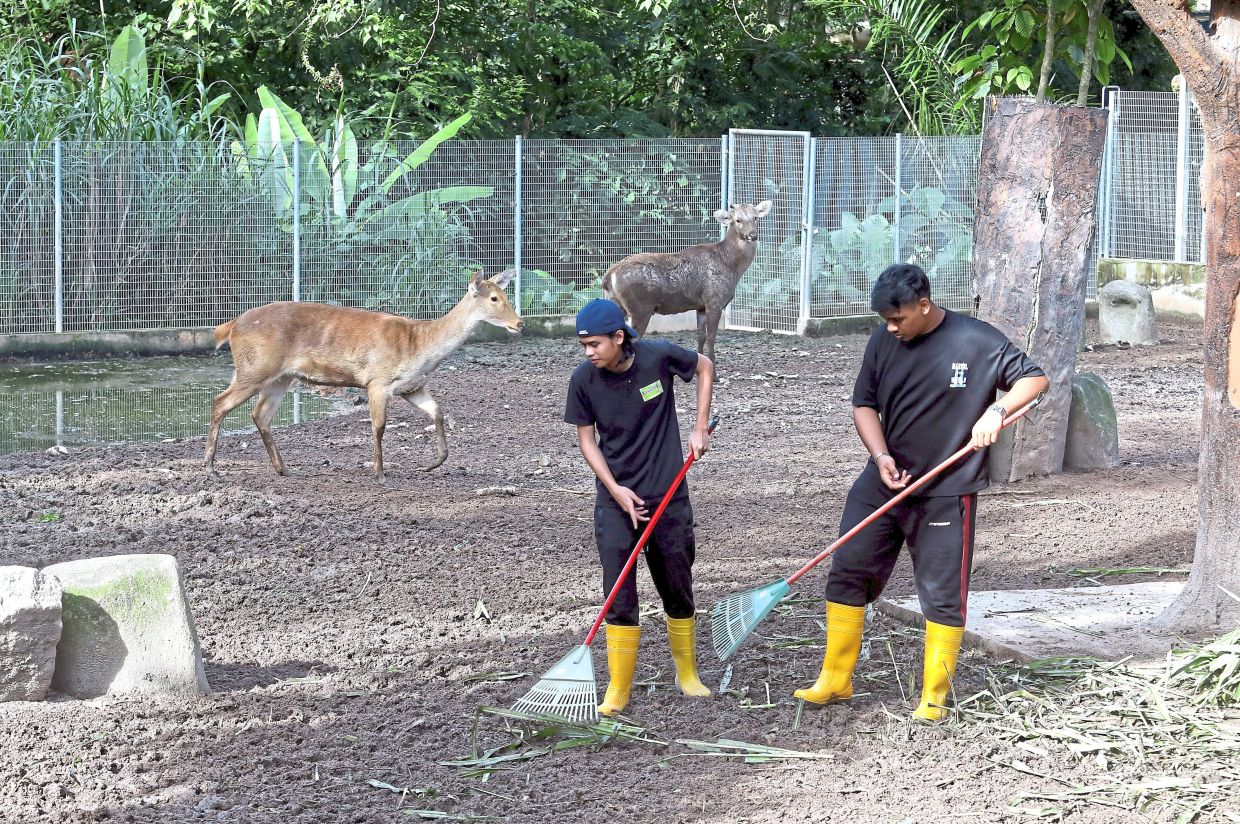
The tasks performed range from preparing meals for the animals to cleaning their enclosures and maintaining a safe environment.
Zoo Negara education, public relations and marketing head Junaidi Omar said this was something normal visitors would not be able to experience.
KeeperKu is a structured programme for participants aged 16 and above.
“Students work in a team and are monitored by our zookeepers,” said Junaidi.
The programme is held on Thursdays to Sundays from 8am to 12.30pm, but participants are required to be there half an hour early for a safety briefing.
On a recent weekday, 86 students comprising 78 from International Islamic College (IIC) in Taman Batu Muda, Kuala Lumpur, five from Universiti Selangor and three from Universiti Kebangsaan Malaysia volunteered for half a day.
The briefing was conducted by Zoo Negara Education Department executive Muhammad Aminurashid Ahmad.
It aimed to ensure everyone understood the rules and safety measures, especially when working near animals, including wearing proper attire such as long trousers, covered shoes and no sleeveless shirts.
Participants were also reminded not to feed or handle animals without supervision and to follow all instructions from the zoo staff.
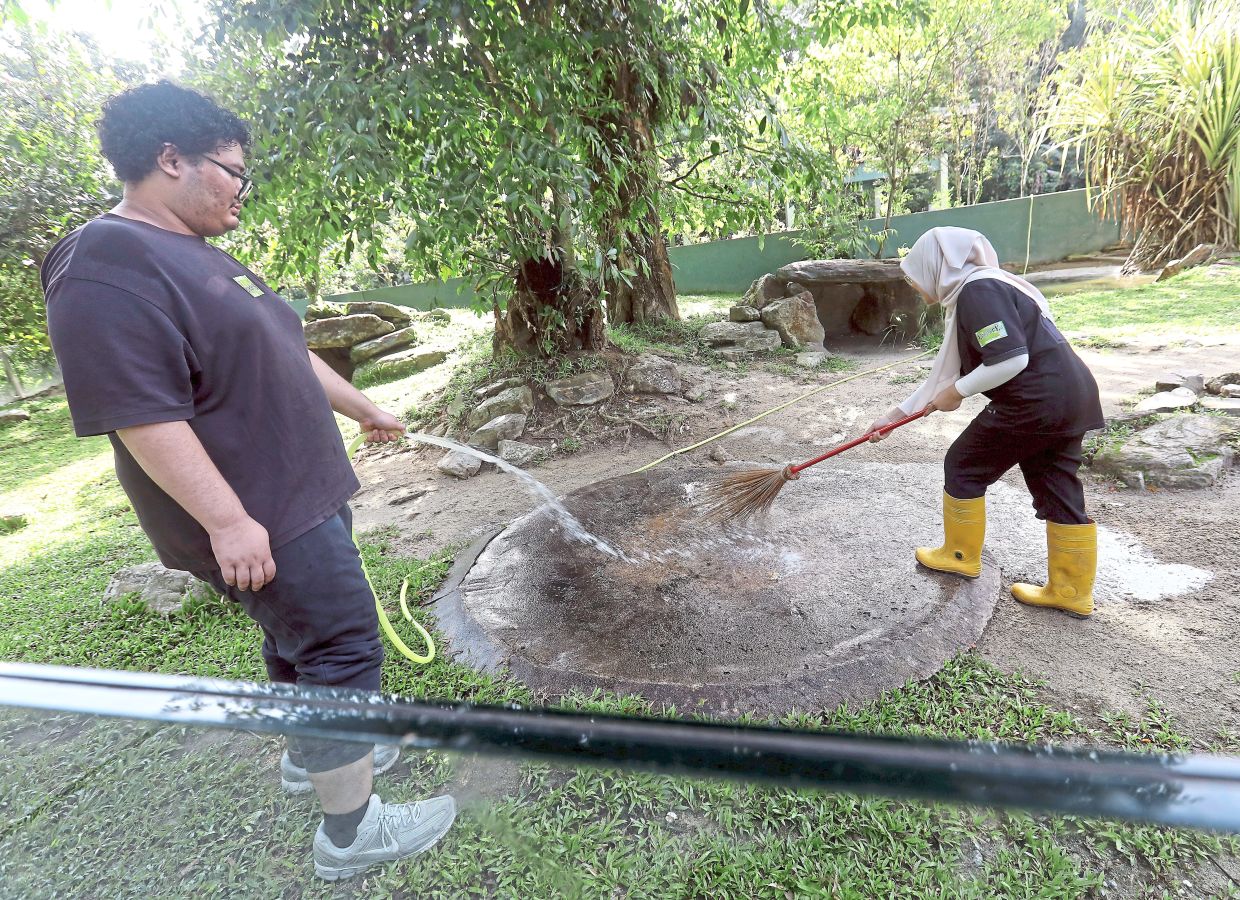
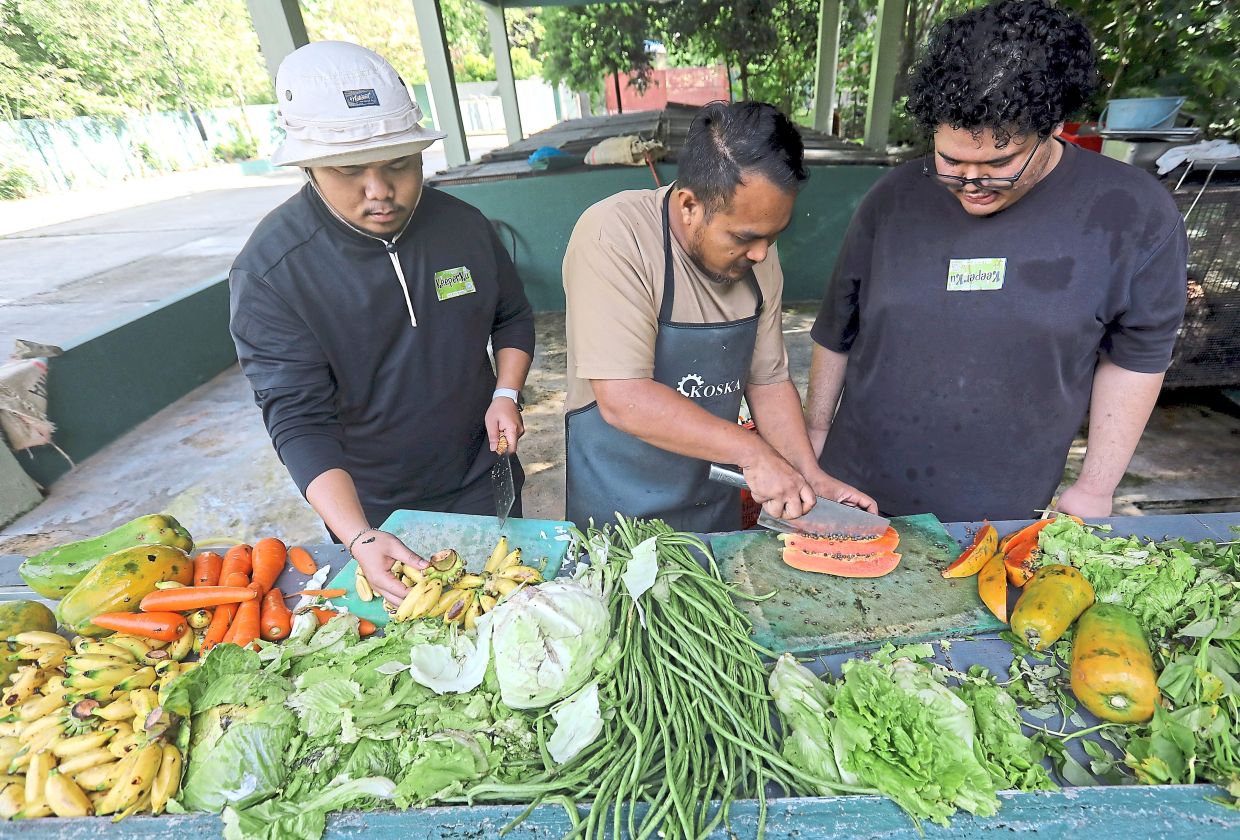
After assigning tasks to each group, the students helped clean enclosures, prepare food and wash feeding trays, and assisted with enrichment activities for the animals.
Participants also conducted some gardening work and helped keep the area around the zoo clean and green.
Junaidi said KeeperKu participants may be placed in animal, educational or landscaping areas, depending on the needs of the day.
He added that the experiential approach encouraged participants to engage with real challenges and also built confidence and appreciation for the hard work of zookeepers.
Through activities like cleaning enclosures, preparing food and observing animal behaviour, participants gain a realistic view of zookeeping, one that builds discipline, empathy and a strong sense of responsibility.
“Many participants leave with new-found respect for animals and the people who dedicate their lives to caring for them,” he added.
Eye-opening experience
For many students, this was their first close encounter with wild animals that they had only seen from afar.
“The wallabies were calm while we swept and cleaned their place,” said volunteer Nur Izzati Osman from IIC.
Azrie Shah Abdullah, also from IIC, said he would never forget the first time he helped clean a giant tortoise enclosure.
“It was a little messy but also amazing. It made me realise how much care these gentle giants need,” he said.
IIC student Ahmad Ikmal Hadi Aminudin said working with his friend 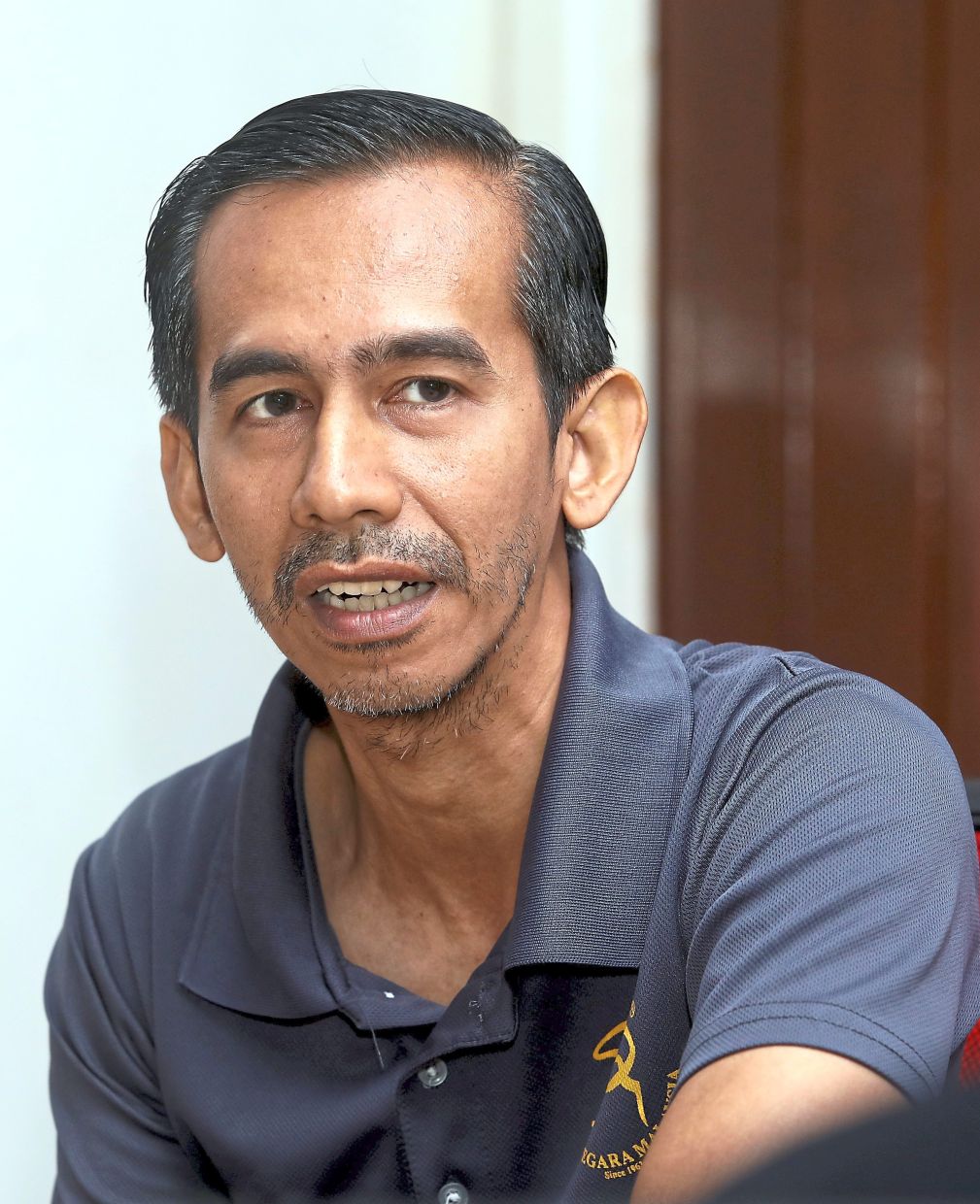
“We created so many happy memories together,” he added.
IIC student Siti Nusrah Saboorin Jamaludeen saw her role of cleaning animal enclosures as part and parcel of being responsible for ensuring the comfort of the zoo’s wildlife.
Programme explained
Junaidi said the KeeperKu programme was established in 2015.
Before it became the structured programme it is today, Zoo Negara ran a general volunteer initiative that was open to anyone – young or old – who wished to lend a helping hand.
There was no age limit and people from all walks of life joined in to contribute their time.
However, as the zoo evolved and its educational outreach expanded, the management decided to formalise the volunteer system, he added.
The new KeeperKu programme was then introduced. Proof of student identification is required when registering for the initiative.
Junaidi said the KeeperKu programme aimed to instil a sense of responsibility, teamwork and empathy in young participants.
Additionally, it encouraged environmental awareness, helping students understand the crucial balance between humans, animals and the ecosystem.
“Through direct interaction with animals and their environment, participants can develop a deeper appreciation for nature and wildlife, away from the distractions of technology,” said Junaidi.
The KeeperKu programme costs RM55 per person. The participation fee helps Zoo Negara cover operational needs and purchase essential equipment required for volunteer activities.
“Besides supporting the continuity of the programme, this initiative also helps to reduce Zoo Negara’s overall operational costs as well as sustain our conservation and educational efforts,” said Junaidi.
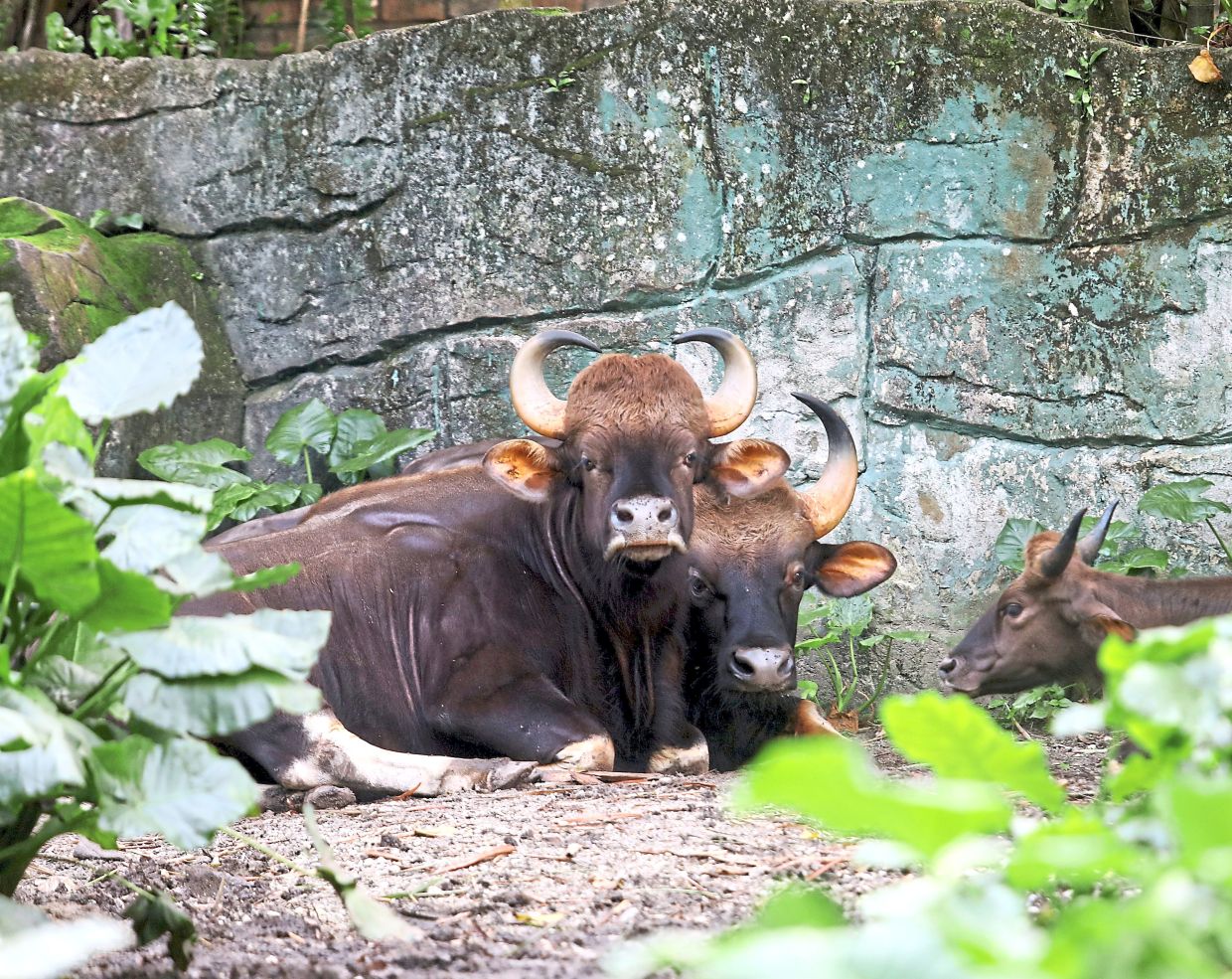
He said through the programme, students also gained a deeper understanding of conservation challenges and the importance of preserving natural habitats.
“In a world where wildlife faces increasing threats from habitat loss and climate change, such programmes are more important than ever,” added Junaidi.
The programme also reflects Zoo Negara’s broader goal of nurturing a conservation-minded society.
By providing young Malaysians with a meaningful opportunity to connect with wildlife, the zoo hopes to inspire the next generation of animal lovers and environmental stewards. For details, visit www.zoonegara.my