SOME communities have to walk for miles to fetch clean water, while some waste it without giving it a thought.
Using this as an example, M. Malliga aimed to raise awareness of how actions by communities could affect water sources, which could then impact humans.
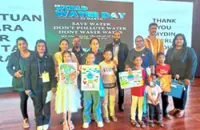
The Persatuan Suara Air Kinta Perak (PSAKP) founder said her cause started more than 20 years ago while she was working abroad in the water management industry.
“I’ve worked across nearly 25 countries for the past 15 years, covering areas such as drinking water supply, irrigation, mining and wastewater management.
“I was involved in both technical and field operations, from studying market needs to developing and implementing suitable piping systems in various terrains, including remote rural areas in Africa, South-East Asia and Europe,” Malliga told StarMetro.
She said the stark contrast on the value of water to different communities left a deep impression on her, which then became a personal mission to raise awareness on the importance of the precious resource.
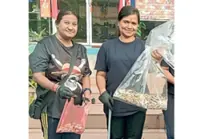
When she returned to Malaysia in 2019, Malliga began holding local gotong- royong programmes at housing areas.
“I noticed that residents were dumping rubbish and unwanted items into drains, without realising the environmental consequences.
“Rather than waiting for the authorities, I decided to take the first step by creating awareness and encouraging residents to take ownership of their surroundings,” she said.
Malliga said community engagement was a huge challenge for her team at PSAKP, which was officially registered last year.
“Many people still depend on the authorities to act, without realising that every small personal effort contributes to a cleaner environment.
“To improve participation, we plan to have more creative social media campaigns using impactful visuals and short awareness videos,” she said, adding that they would also provide free drums for households and eateries to collect used cooking oil to be recycled into biofuel.
“We organise monthly awareness activities, gotong-royong and joint programmes with local councils.
“We are also collaborating with schools and universities to educate young people about water and waste management.”
Malliga said some of the key awareness messages to communities included simple but crucial practices.
These include not pouring used cooking oil or any form of oil into drainage systems or rivers to prevent clogging and contamination of water networks, not dumping rubbish or sweeping garden waste into drains to prevent blockages and diseases breeding in stagnant water as well as practising responsible waste disposal.
“If not done correctly, the problem will impact us through polluted water.
“Awareness starts with understanding that connection,” explained Malliga.
She is confident that PSAKP could bring positive changes to the community in the next five years, through continuous education, awareness and community involvement.
“Once people understand that their daily habits and actions could affect their water supply, they will begin to act with greater care and maturity.
“My approach is not just about cleaning or talking; it’s about helping people truly feel their connection with water.
“That emotional connection creates lasting commitment,” she said.