
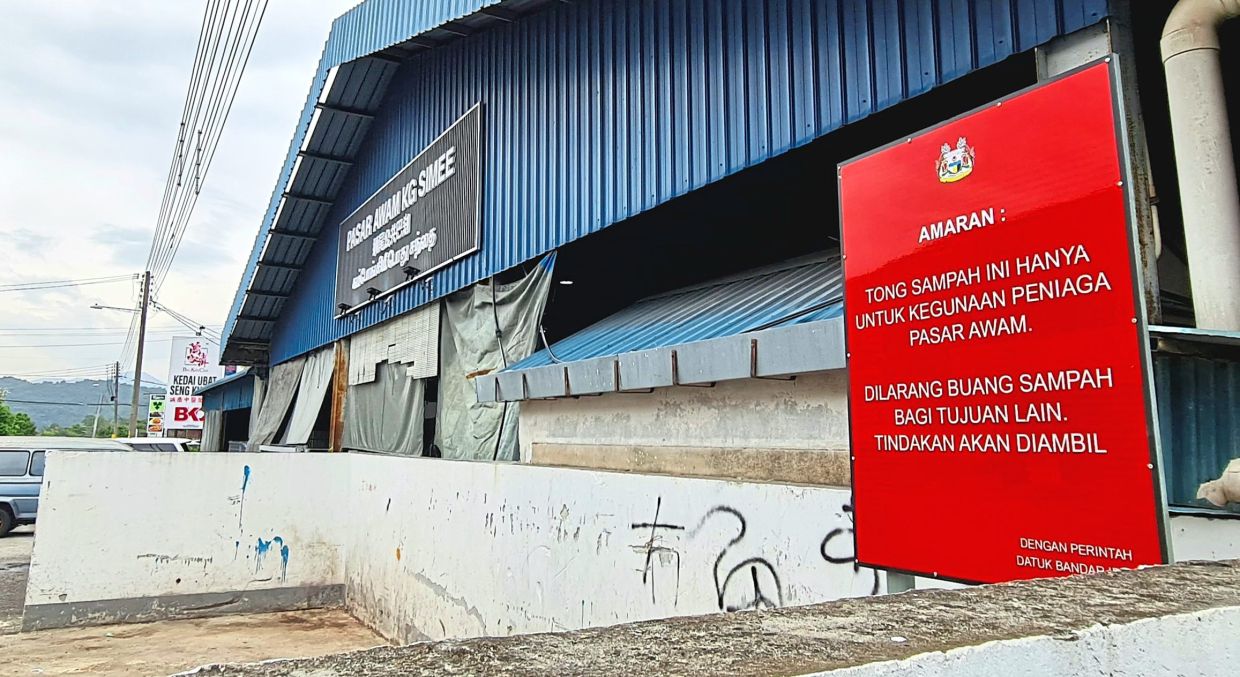
SURVEILLANCE cameras have been installed at some wet markets in Ipoh, Perak, since 2022 to catch unscrupulous people dumping domestic and bulk waste in bins meant for traders.
However, this has failed to deter litterers, who continue to throw rubbish, even industrial waste, in and around the large bins near the markets.
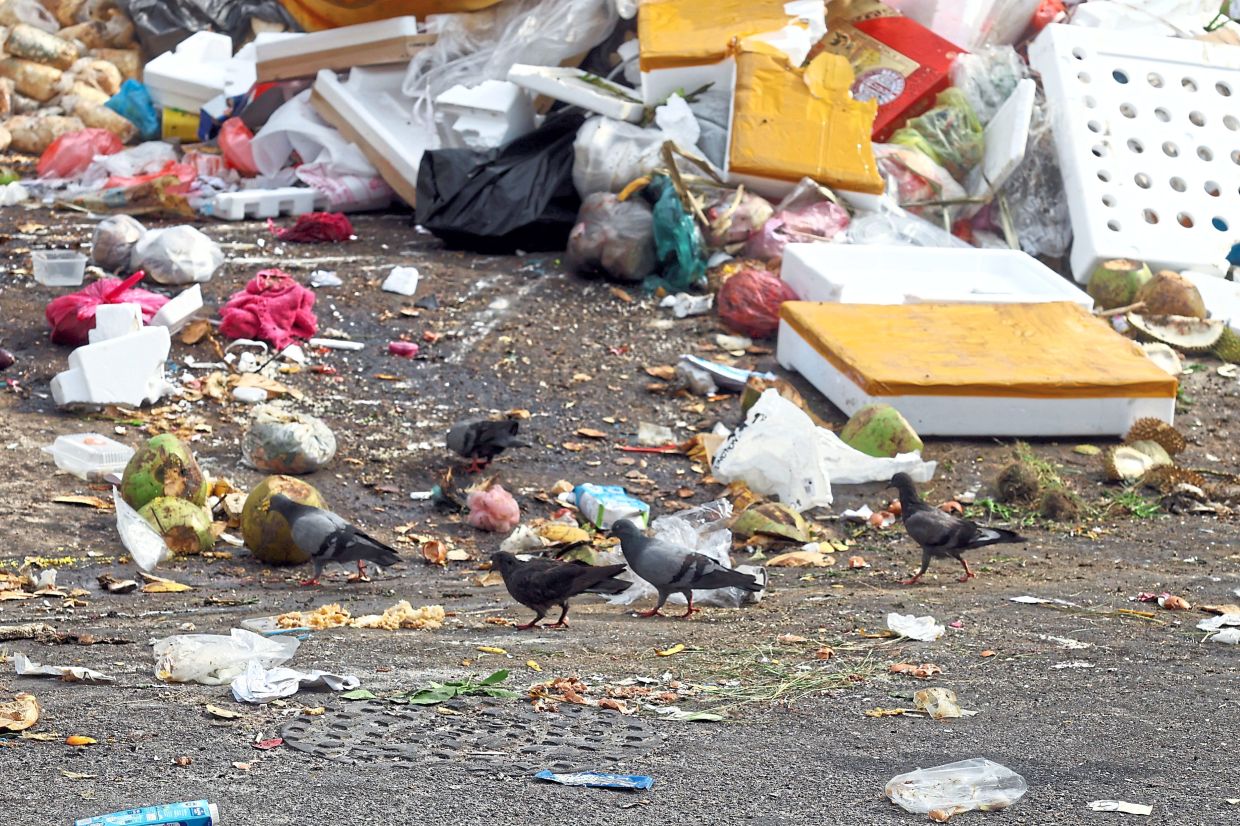
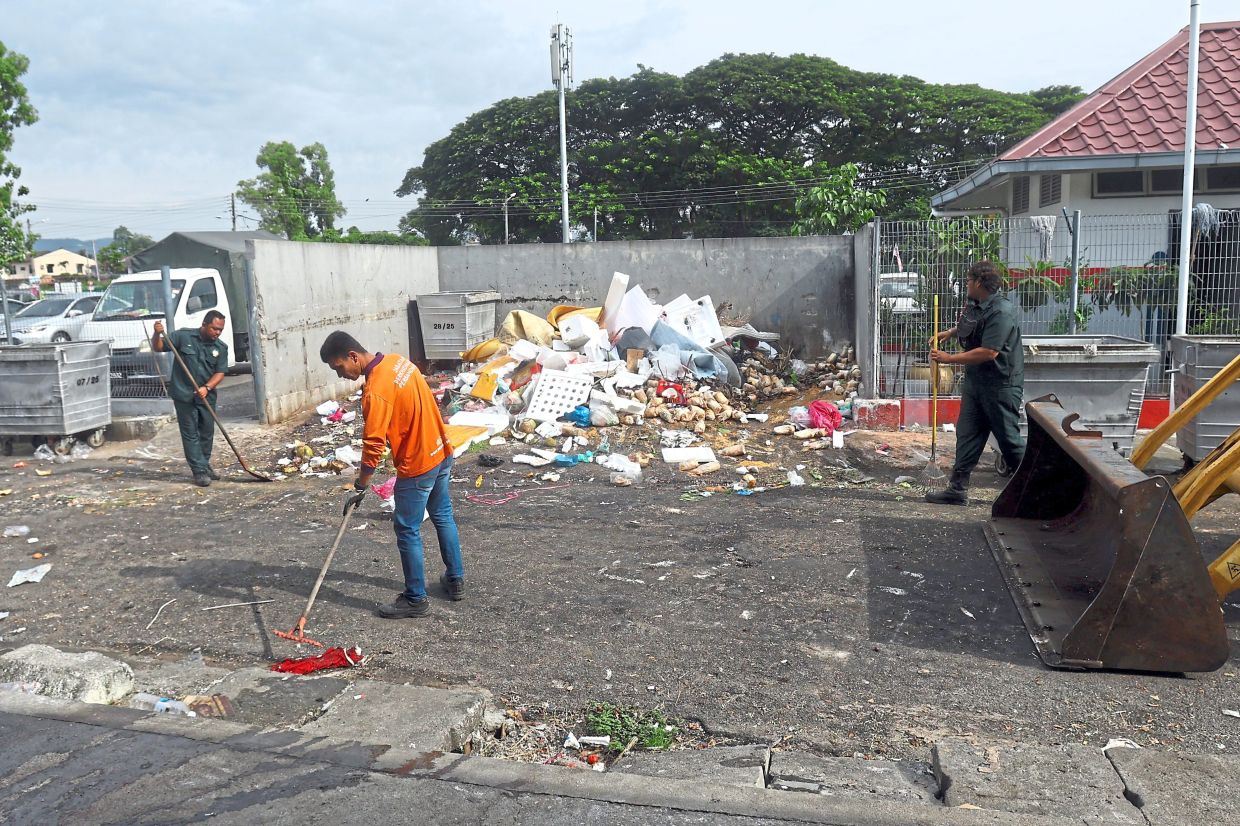
A recent check by StarMetro found that the problem persists at wet markets in Taman Pengkalan Jaya (also known as SPPK), Gunung Rapat, Buntong and Simee, resulting in overflowing bins with the filth spilling onto the ground.
Containment and action
At the SPPK wet market, seafood seller Beh Swee Chuan, 24, hoped Ipoh City Council (MBI) would instal gates at the rubbish collection area to prevent outsiders from dumping waste there.
“Traders here would usually discard waste properly early in the morning.

“But once the market closes, residents dump rubbish here, especially after 5pm,” he said.
Fellow trader Lam Kok Seng, 72, suggests the need for direct supervision.
“I think it would really help if there’s a person in charge to monitor the area and ensure rubbish is disposed of properly.”

He said the problem had been going on for a long time and if not addressed, the market would continue to be dirty and smelly.
“We all want a clean market environment, but everyone must play their part,” he added.
Kuih seller Teresa Ng, 59, described the odour as “really terrible”.
“MBI workers would usually collect the waste at around 9am, but by then, the stench is already extreme,” she said.
Teresa noted that waste was often simply thrown onto the ground in a pile, and the smell worsened when MBI workers used a tractor to clear it.
She also questioned the effectiveness of the closed-circuit TV (CCTV) cameras installed.

Emily Lee, 60, a vegetable trader whose stall is mere metres from the collection point, said her customers also complained about the stench.
“Even with CCTV, many people, mostly residents in the surrounding areas, still throw rubbish there, causing a pile-up and spillage.
“I really hope the authorities will fine them,” Emily added.
Health risks
A vegetable trader at SPPK, who only wanted to be known as Lee, 60, said unhygienic conditions at the market could pose serious health risks.
“There are a lot of mosquitoes in the morning.
“I work here for about six hours every day and have to put up with it. If this continues, it will definitely affect our health.”
The trader added that city council workers needed to do more than just collect the rubbish.
“They should wash the bins and clean the surrounding area properly as the smell lingers for hours,” she said.
SPPK resident Chin Poh Lee, 54, echoed concerns about the CCTV, suggesting the city council check if the cameras were faulty and also increase the presence of enforcement officers.
Near the Gunung Rapat wet market, food seller Chong Siew Lee, 61, suggested enclosing the collection point, similar to rubbish bin collection areas at apartments and condominiums, to minimise odour and prevent indiscriminate dumping.
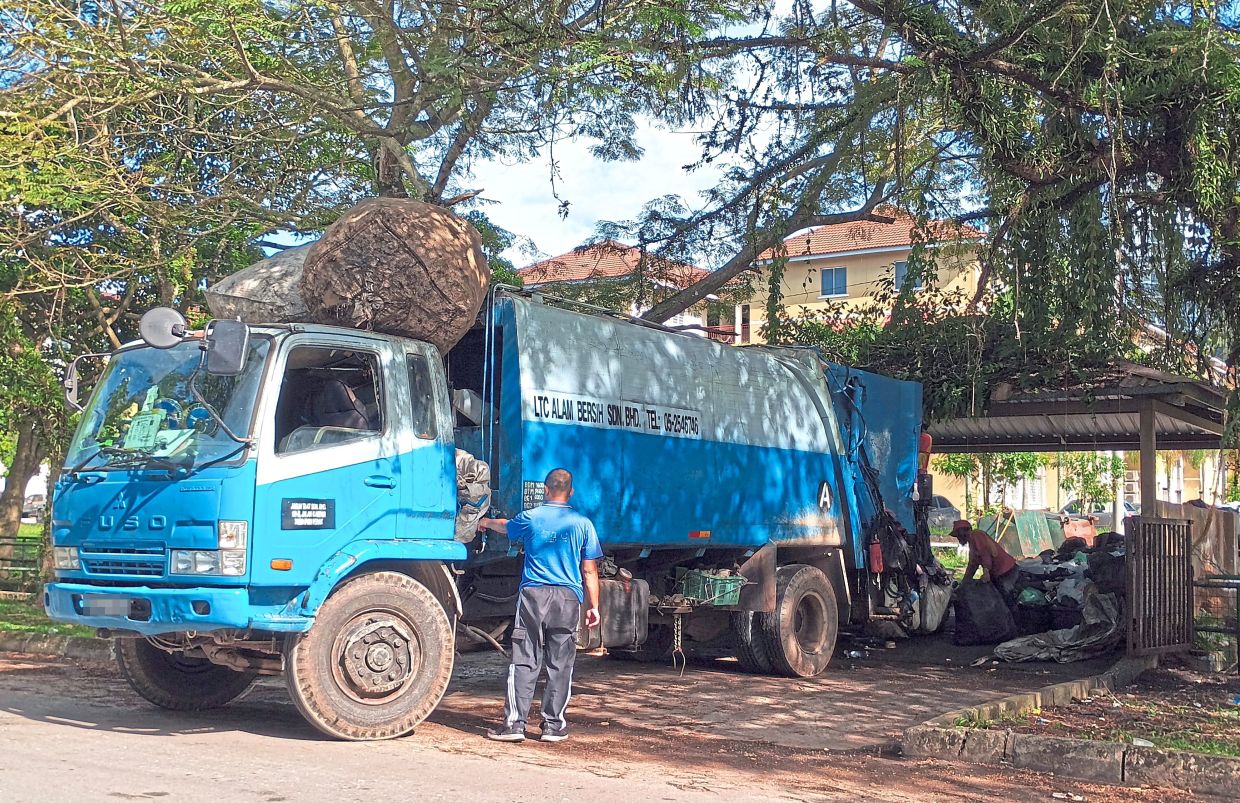
A food outlet operator situated behind the Gunung Rapat rubbish collection point said business was badly affected, with the unbearable smell driving customers away.
“Rubbish collection at 11am is too late. I suggest an earlier time at about 7am.”
The operator also complained of nearby residents throwing bulk waste like furniture, and that the regular clean-up of the rubbish collection area, practised during the Covid-19 pandemic time, was no longer followed.
At Simee, a shop assistant identified as only Jai, 17, called for more frequent enforcement activities.
He recounted seeing what he believed were city council enforcement officers issuing summonses to litterbugs in July.
Jai hopes such operations would be more frequent.
Commenting on the Buntong wet market, e-hailing driver J. Raveen Veerasenan, 31, called for better public education on waste management as well as ensuring that CCTVs were in good working order.
He suggests the government expand the ban on single-use plastic, provide more recycling bins and start waste separation at source to improve cleanliness overall.
Smart City initiative
State local government committee chairman Sandrea Ng said CCTVs at markets were part of the state government’s Smart City initiative.
“The purpose is to catch those who throw waste outside the rules, such as dumping industrial or bulk waste into rubbish bins at wet markets.
“Of course, our aim is hygiene and cleanliness.
“We hope by using CCTVs we can both educate and deter, so everyone cooperates and disposes of waste properly,” she added.

Sandrea said the bins were meant specifically for traders, not the general public.
“A common misunderstanding is that anyone may use them.”
She noted that the use of CCTV to deter outsiders was successful at Kerian District Council-managed Tanjung Piandang area, where a roadside roll-on, roll-off bin was repeatedly filled with industrial waste.
“After the state government provided funds and assisted the council in installing smart CCTVs, the problem was controlled and improved,” she said.
Sandrea also confirmed that the CCTVs at the wet markets were operational and linked to the local council’s monitoring system.
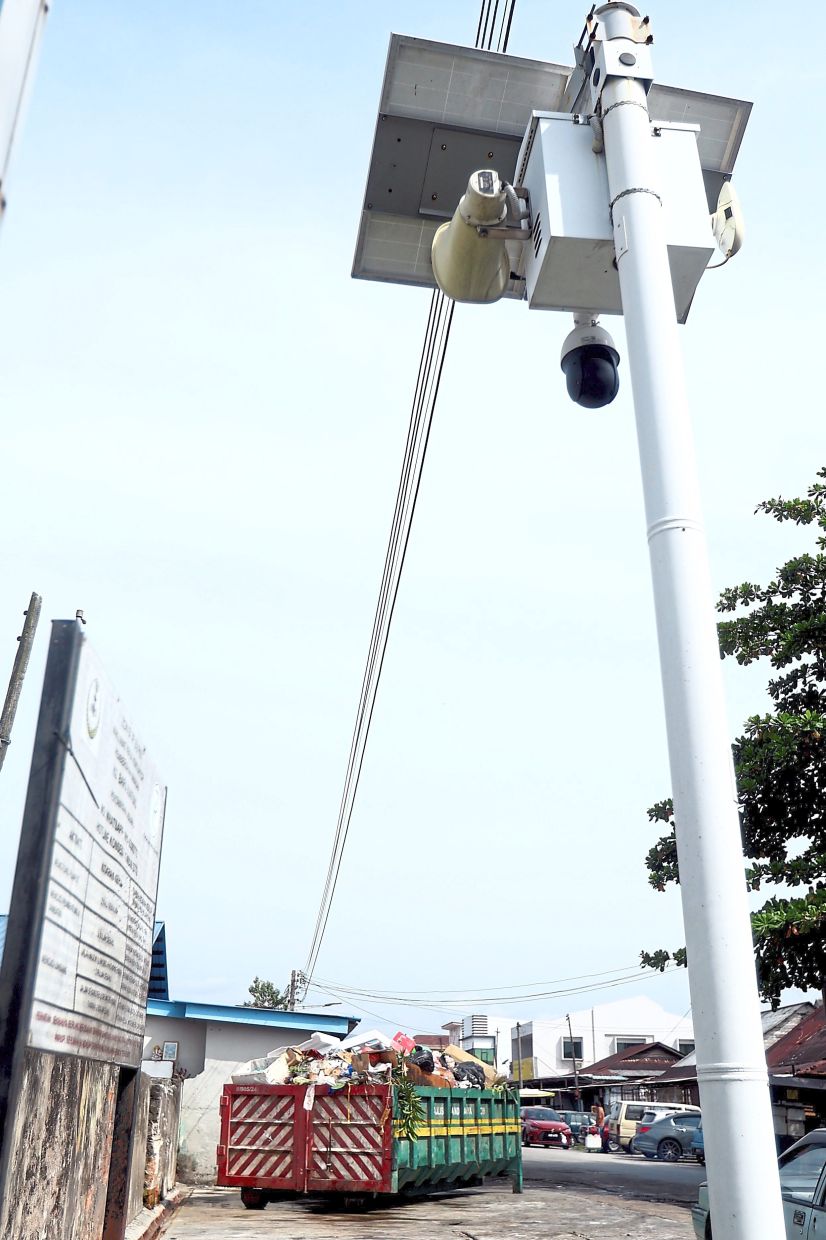
“When needed, the footage may also be shared with other agencies such as Health Department or the police for appropriate action,” she said.
She added that more cameras were planned pending budget allocations and cost considerations.
However, when contacted, an MBI spokesperson said no one has yet been caught for dumping household or bulk waste at rubbish bins at the wet markets.
He said the city council’s focus to date had been on deterrence and education.
On preventing spillage, Sandrea said local councils were adjusting collection frequency based on data and would instal clearer signage.
“Our emphasis, however, is on education and improved systems first, to prevent recurrence.
“Local councils have also arranged for physical patrols in certain cases.
“But for the long-term, the more sustainable method is a combination of technology, public education and enhanced collection systems.
“This is the core of our Smart City approach, by using technology to reduce excessive reliance on manpower, while creating cleaner, more orderly market environments,” she added.