



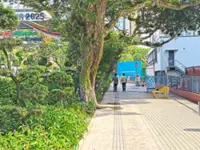
THE green connector initiative, currently being studied by Kuala Lumpur City Hall (DBKL), should be seamlessly integrated while minimising conflict between pedestrians, cyclists and motorists on the roads.
Cycling enthusiast Gregers Reimann expressed support for making the city more pedestrian- and cyclist-friendly, but noted the challenge of connecting these green corridors to places city dwellers reached regularly.
“The proposed green connector linking Jalan Raja Laut to Titiwangsa Lake Gardens could allow pedestrians and cyclists to cross Jalan Tun Razak safely if it covers that area.
“Another proposed green corridor in the city centre, connecting Perdana Botanical Garden to Kuala Lumpur City Centre (KLCC) and Tun Razak Exchange (TRX), would be great for tourists if implemented.
“It would be even better if another corridor could be established to connect Sentul to downtown Kuala Lumpur to make cycling to work more feasible,” said Reimann.
He added that a bicycle corridor network serving Kuala Lumpur’s suburban areas, as well as connecting to other cities, was needed to make cycling more realistic and safer.
“Imagine cycling to work from Petaling Jaya, Selangor, to Kuala Lumpur in just 30 minutes.
“This is not impossible, as I have done it. However, it is not safe,” he said.
Bike Commute Malaysia (BCMY) project manager Awatif Ghapar said the design of active mobility routes, such as green connectors, should focus on the people they aimed to serve rather than just places they connected.
“It is important to ask whether these green connectors can genuinely support short- distance trips currently made by cars.
“The three proposed green corridors in the city centre are a great start, but they are not comprehensive enough.
“When identifying and connecting areas, it is important to look beyond key hotspots, commercial areas or tourist attractions,” she said.
She added that proper maintenance and enforcement was needed to protect existing active mobility infrastructure in the city, such as pedestrian walkways and bicycle lanes.
“Pedestrian walkways in Kuala Lumpur are often blocked by motor vehicles and unlicensed vendors, making them unsafe and inconvenient.
“Strict and consistent enforcement is needed so that people, including those who walk, cycle, stroll and use mobility aids, are prioritised,” she said.
Patrick Lee, who walks regularly in Kuala Lumpur, said although green connectors sounded nice, what was really important was having ample pedestrian facilities throughout the city.
“Aside from some tourist spots, many parts of Kuala Lumpur are still not pedestrian-friendly.
“Many pedestrian walkways in the city seem to be in disrepair, are too narrow or are not well-connected enough.
“If the authorities are serious about green connectors, they should ensure that pedestrian walkways are available on every road.
“These walkways must also be interconnected and pedestrians must be able to cross the roads safely,” he said.



