

THE book Rare Or Outcast: Straits Chinese Porcelain aims to challenge long-held assumptions about “Nyonyaware”.
Its author Datuk Chng Huck Theng distils 40 years of collecting and studying Chinese famille rose figurines and porcelain.
He started his collection journey in 1986 at the age of 14.
“My expertise centres on pieces dating from the mid-19th century to just before the Chinese Cultural Revolution – a period rich in artistic and cultural significance.
“Unlike many existing works that provide highly technical analyses of Straits Chinese porcelain, commonly known as Nyonyaware, this book takes a different approach as it challenges some long-held assumptions about the origins, cultural meanings and definitions of these artefacts.
“The book is based on firsthand experience, including several visits to Jingdezhen, (the porcelain capital of China) and portrays how the community, history and perception of Nyonyaware have evolved over time,” he said when contacted.
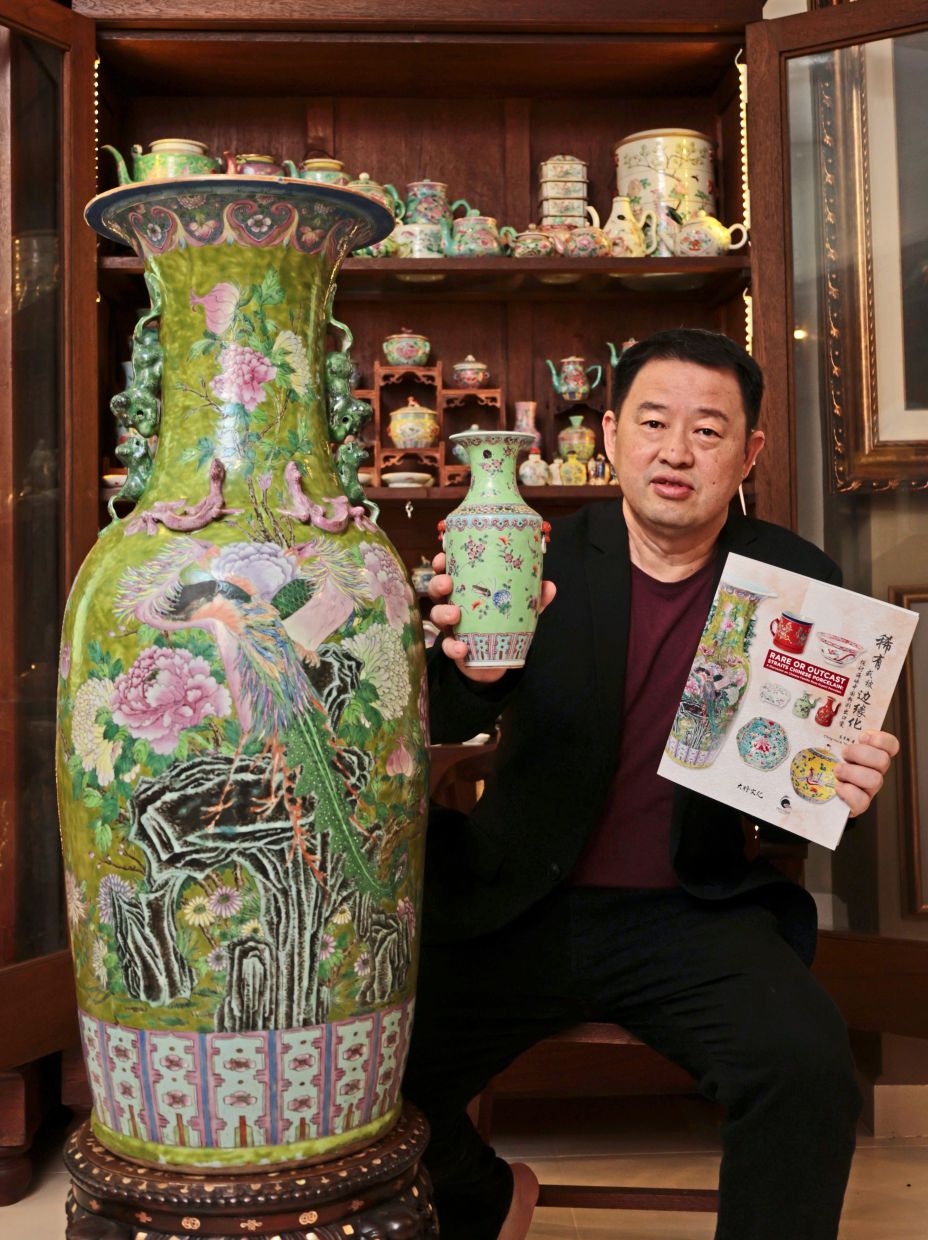
Chng said the book highlighted debates among collectors about what qualified as genuine Nyonyaware.
“The word ‘Nyonyaware’ only came into the collectors’ scene in Malaysia and Singapore in the 1970s, 100 years after it was first manufactured in 1870.
“The book’s intention is to share my findings and thoughts of why those that are on the borderline should fall under the Nyonyaware category.
“The book is designed to foster open, evidence-based conversations,” he said.
Chng, who has collected between 800 and 1,000 pieces over the years, said it was not the quantity but the journey of discovering, sharing, arguing, being cheated and making friends along the way that made the collection valuable to him.
“It took me five years to write this book, including translating it into Mandarin.
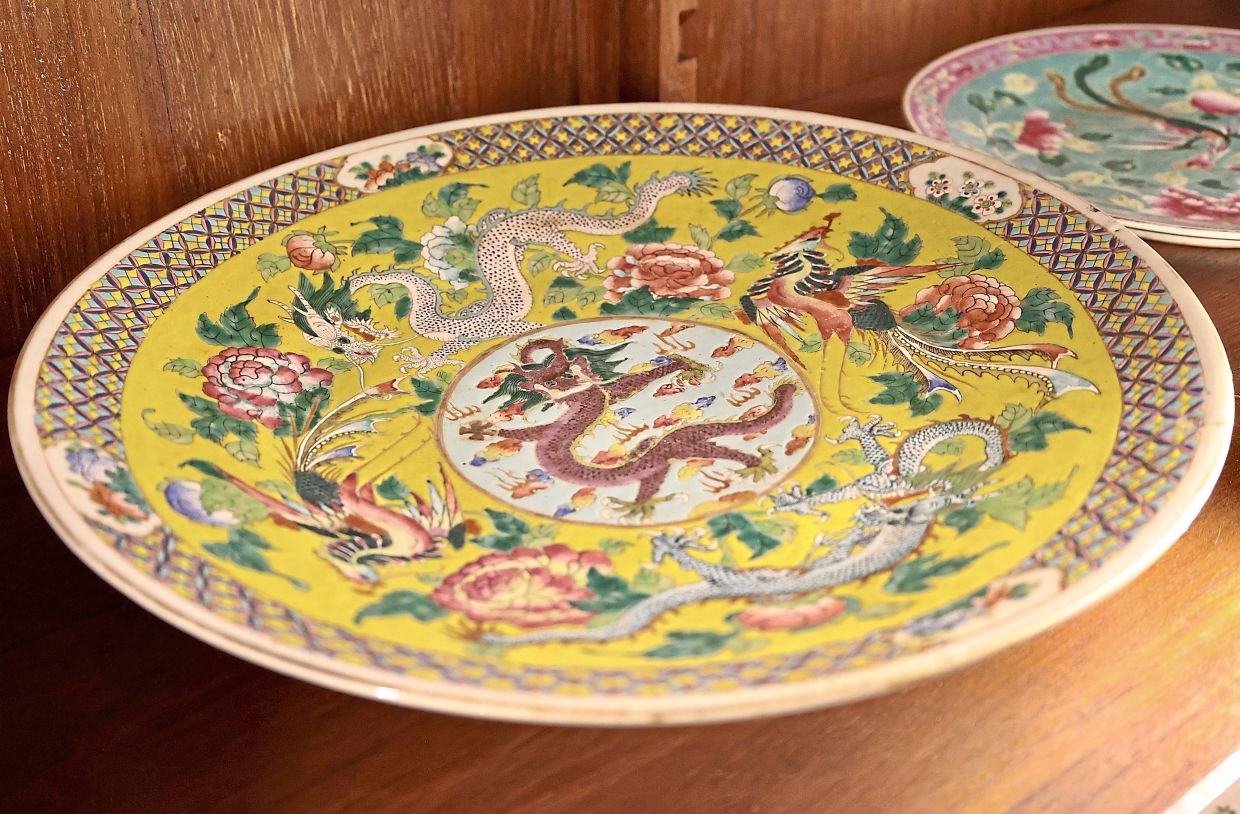
3“I hope my insights will help preserve and promote this unique artistic heritage, especially pieces found in Penang, Melaka and Singapore.
“These porcelains serve as a cultural bridge connecting the Chinese diaspora with local Malaysian and Singaporean histories and identities,” he added.
Chng hopes to garner attention from the government to look at Nyonyaware as a potentially powerful cultural tourism asset, particularly in anticipation of Visit Malaysia 2026.
To purchase the book, contact One East Museum and Gallery at 04-228 2390.
